
What Is a Celebrant’s Salary? Exploring Earnings and Factors That Influence Pay
If you’ve ever wondered about a celebrant’s salary, you’re not alone. Many people find themselves curious about how much a celebrant truly earns for their work. The average celebrant salary in the United States typically ranges from $32,000 to $64,000 per year, depending on factors like experience and the types of ceremonies performed.

As a celebrant, your income can vary widely based on how many events you conduct each year. Factors like promoting your services effectively and networking can also influence your earnings.
You can potentially boost your income by performing additional ceremonies, such as funerals and other civil services.
In this article, you’ll discover the various elements that affect a celebrant’s earnings and tips on how to increase your income in this rewarding profession. Whether you’re considering becoming a celebrant or just curious about the field, there’s plenty to learn about this fulfilling career path.
The Role and Types of Celebrants
Celebrants play an important role in marking significant life events. They lead ceremonies that bring people together for joyful occasions and comforting farewells, ensuring each moment feels special. Let’s explore the diverse events they cover and the specific types of celebrants you might encounter.
Diverse Events Covered by Celebrants
Celebrants can officiate a variety of ceremonies, making them versatile figures in your community. Here are some common events they cover:
- Weddings: Celebrants help couples create personalized ceremonies that reflect their love story.
- Funerals: They provide compassionate guidance during funerals, honoring the deceased and supporting grieving families.
- Naming Ceremonies: These ceremonies celebrate the arrival of a new child, welcoming them into the family.
- Vow Renewals: Celebrants assist couples in reaffirming their love and commitment through heartfelt vow renewal ceremonies.
- Other Ceremonies: Celebrants can also lead coming-of-age ceremonies, family reunions, and more.
This variety in roles allows celebrants to cater to the specific needs and wishes of individuals and families.
Specific Celebrants: Wedding and Funeral
Among celebrants, wedding and funeral celebrants are the most recognized.
Wedding Celebrants play a crucial role in making your wedding day memorable. They work closely with you to design a ceremony that feels personal and unique, ensuring every detail reflects your relationship. They guide you through the process, helping you choose readings, vows, and rituals.
Funeral Celebrants, on the other hand, focus on creating meaningful tributes. They help families during difficult times, crafting services that honor the life and legacy of the deceased. This role requires sensitivity, as they navigate emotions while focusing on celebrating memories.
Both types of celebrants offer valuable support, making important moments in your life more meaningful and heartfelt.
Pathway to Becoming a Celebrant
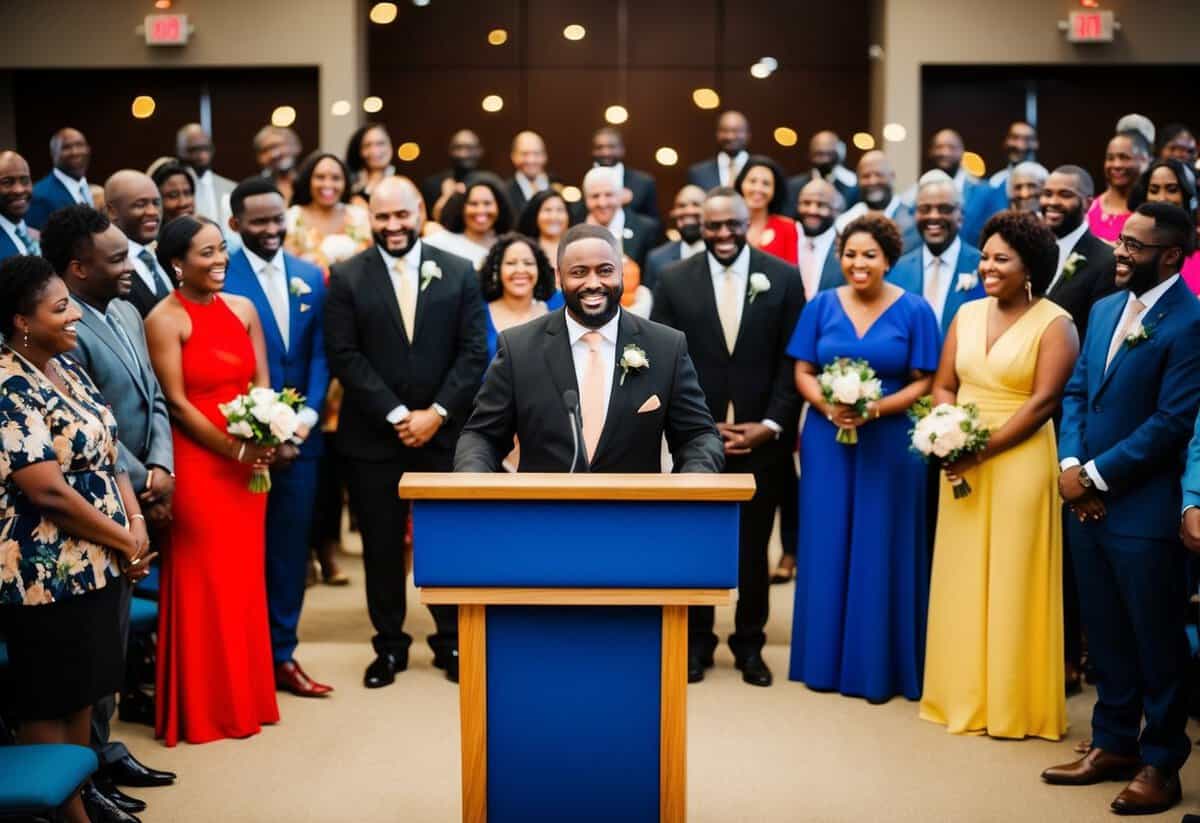
Becoming a celebrant involves several important steps. You will need the right training and certifications, a solid understanding of legalities, and a commitment to continuous learning.
Required Training and Certification
To start your journey, you should look into celebrant training programs. Many celebrants complete a Certificate IV in Celebrancy. This qualification covers essential skills such as planning ceremonies and working with clients.
The cost to become a celebrant can vary. Training programs may range from a few hundred to a couple of thousand dollars. It’s good to compare different courses to find one that fits your needs and budget.
Once you complete your training, you might need to register with a relevant authority depending on your location. Gaining certification boosts your credibility and helps you stand out in the field.
Understanding Legalities
Understanding legal requirements is crucial in this profession. As a celebrant, you must know the laws related to weddings and ceremonies in your area. This includes registration with a governing body or adhering to specific guidelines.
You’ll likely need to keep proper documentation for each ceremony you conduct. Familiarize yourself with local regulations about officiating marriages and other types of ceremonies.
Being aware of these legalities protects you and ensures smooth operations in your career.
Investing in Continuous Learning
Investing in your career doesn’t stop after training. Engaging in continuous learning is vital to stay updated on trends and best practices in celebrancy.
Consider attending workshops and seminars regularly. These opportunities help you network with other professionals as well.
Online courses can also be a convenient option to enhance your skills. Explore topics that interest you and improve areas where you feel less confident.
By prioritizing ongoing education, you will provide better services and grow as a celebrant, inviting more clients to trust your expertise.
Income and Business Aspects

As a celebrant, your income can depend on various factors, including your fees, marketing strategies, and the reputation you build in your community. Understanding how to manage these aspects can help you grow a successful celebrant business.
Understanding Celebrant Fees
Your fees play a significant role in determining your income as a celebrant. Typically, wedding ceremonies can earn between $200 and $800 or more, depending on your experience and location.
Funeral celebrants, on the other hand, often charge between £200 and £280 per service. It’s essential to research local rates to set competitive fees.
Consider offering package deals or customizable services to cater to different client needs.
In addition, you might want to ask previous clients for feedback, as positive reviews can help enhance your marketability.
Marketing Your Celebrant Services
Effective marketing is crucial to attract clients. Start by creating appealing marketing materials like brochures, business cards, and an engaging website. Use high-quality photos from past ceremonies to showcase your work.
Participate in wedding expos or community events where you can meet potential clients face-to-face. Social media is also a powerful tool. Platforms like Instagram and Facebook allow you to connect with clients and share your ceremonies, making your services more visible.
Don’t underestimate the benefits of word-of-mouth referrals. Satisfied clients will happily recommend you to family and friends.
Cultivating a Strong Reputation
Building a strong reputation can lead to increased business. Focus on delivering exceptional service at every ceremony. Being punctual, professional, and genuinely caring for your clients makes a significant difference.
Ask clients for testimonials after their ceremonies. Display these prominently on your website and marketing materials to attract new clients. Positive reviews help you stand out in a competitive market.
Engaging with the community also helps. Attend local events and network with other vendors in the wedding industry. Collaborations can enhance your visibility and credibility, leading to more opportunities for bookings.
Factors Influencing Celebrant Earnings
Several key elements can shape what you earn as a celebrant. Your income can significantly depend on factors such as your location, the demand for your services, and the type of ceremonies you specialize in.
Geographical Location and Demand
Your earnings as a celebrant will often vary by location. In areas where weddings are popular, like big cities or tourist spots, you may find more opportunities. This demand can also allow you to charge higher fees.
- Higher Fees: In metropolitan regions, marriage celebrants can charge more, sometimes from £500 to £2,500 per ceremony.
- Community Influence: Local customs and trends also affect demand. For instance, regions with unique traditions, such as handfasting, may attract more clients seeking personalized ceremonies.
If you operate in a less populated area, the number of weddings may be lower. Thus, your earnings could decrease due to limited demand.
Specialization and Ceremonial Elements
Your specific focus as a celebrant can greatly influence your income. For example, if you offer personalized ceremonies, like naming celebrations or themed weddings, you might be able to charge more.
- Unique Offerings: Specializing in elements such as handfasting cords can set you apart. Clients often appreciate celebrants who provide unique and memorable experiences.
- Wedding Industry Connections: Building relationships with other wedding officiants can boost your visibility. By working together and supporting each other, you enhance your celebrant success.
Diverse offerings and tailored ceremonies can attract clients who are willing to invest more in their special occasions.