
What is a Death Bed Marriage? Understanding Last-Minute Unions
When facing the reality of terminal illness, many couples find that they want to solidify their commitment in a meaningful way. A death bed marriage is a special legal ceremony that allows partners to marry when one is seriously ill and not expected to recover. This type of marriage can provide legal protection and rights that may be important for both partners, especially concerning inheritance and medical decisions.

You might wonder what a death bed marriage involves. It typically occurs under emergency circumstances, allowing couples to marry anywhere, even in a hospital, within hours of the ceremony. This unique situation not only marks a significant emotional commitment but also serves practical purposes in ensuring that both partners are protected legally during a challenging time.
Understanding the implications of a death bed marriage can shed light on why some couples choose this path. It is not just about love; it’s also about securing important rights and making sure that their wishes are respected even in the face of life’s hardest moments.
Understanding Deathbed Marriages
Deathbed marriages occur under specific conditions and have significant legal and emotional implications. These unions are usually made during a time of serious illness when one partner faces imminent death.
Historical Context and Present-Day Significance
Historically, deathbed marriages were seen as rare and often romanticized. They allowed couples to formalize their relationship quickly, especially when facing the end of life. Today, the practice has gained attention due to changing societal norms and increased acceptance of diverse partnerships.
In modern times, many couples choose to marry at this critical moment for both emotional support and legal benefits. A deathbed marriage can ensure that the remaining partner has rights to inheritance and can make medical decisions. These relationships can involve civil partnerships as well, providing more options for those in non-traditional unions.
Legal Definitions and Variations
Legally, a deathbed marriage is defined as a union that takes place when one partner is terminally ill and expected to live less than six months. Specific laws vary by region, but generally, they facilitate quick marriages with fewer formalities.
It’s essential to have documentation, like a letter from a medical professional, stating the terminal condition. This helps speed up the process through the appropriate legal channels. Legal complications can arise if family members dispute the union, claiming they should inherit the estate. Cases such as Wharton v Bancroft illustrate how these situations can lead to challenges in family law.
Legal and Financial Implications
Death bed marriages come with important legal and financial aspects that you should know. Understanding these can help you navigate rights and obligations that arise when a partner passes away.
Inheritance and Tax Considerations
When a death bed marriage occurs, inheritance rules can change significantly. Typically, when one partner dies, the surviving spouse may inherit assets without facing inheritance tax, depending on the country’s laws.
It’s essential to have an updated estate plan to reflect your marital status. If you don’t have a will, the rules of intestacy may apply, possibly excluding you from inheriting your partner’s assets. This may also affect cohabiting couples who aren’t married, as they often have fewer rights.
Consider seeking legal advice to understand how inheritance tax might impact your financial situation after a death bed marriage. Pensions can also factor into this, as dependents may have specific entitlements.
Protecting the Rights of Surviving Spouses
Your rights as a surviving spouse are crucial. In many cases, marriage provides automatic rights to a partner’s estate, which unmarried partners lack. The Inheritance Act of 1975 allows you to make claims if financial needs are unmet.
Financial protection is vital, especially if your partner did not have a will. This could lead to disputes about your rights and entitlements. Always ensure that your estate planning reflects your wishes and provides security for your surviving partner.
Creating a will is a responsible step to guard your financial interests. If you suspect that the marriage might have taken place under duress or undue influence, gathering evidence may be important for your case.
Potential for Fraud and Disputes
While many death bed marriages stem from love, they can also raise concerns about fraud. These situations can sometimes involve individuals taking advantage of vulnerable partners at their most desperate times.
Disputes may arise, particularly if family members challenge the validity of the marriage or the will. It’s crucial to document everything and ensure that the marriage was entered involuntarily or under undue influence.
If you believe you are facing such disputes, consulting a lawyer will help you understand your rights and options. Preparing for possible challenges means protecting your interests and ensuring that your partner’s wishes are honored.
Emotional and Ethical Aspects
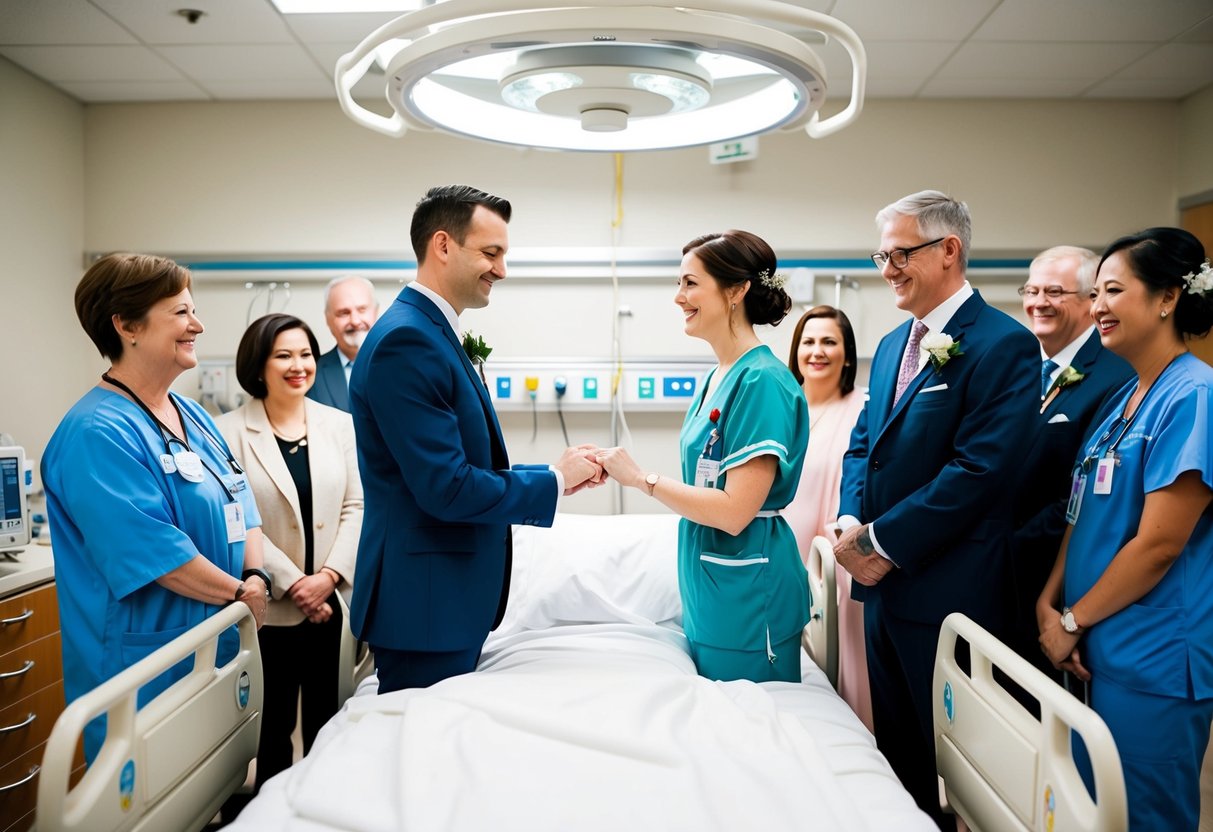
When considering a death bed marriage, it’s essential to think about the emotional and ethical implications. These marriages often arise in exceptional circumstances, like terminal illness, and can involve deeply personal choices that impact couples and their families.
The Choice to Marry Amidst Terminal Illness
For couples facing terminal illness, the decision to marry can be driven by a variety of motives. It may be a romantic gesture to affirm commitment during difficult times. You might feel that marriage provides emotional support and a sense of unity in hospice settings.
The act of marrying could also have practical benefits, like securing financial rights or inheritance. For same-sex couples, this may be particularly significant if they couldn’t marry earlier in life. While some may see it as a last-minute decision, it can hold great meaning for those involved.
Cultural Perceptions and Personal Stories
Cultural views on death bed marriages can vary widely. In many societies, these unions are seen as a heartfelt expression of love, while others may view them with skepticism. You’ll find that personal stories, such as long-term partners finally tying the knot, reflect the unique circumstances of each couple.
Aggrieved relatives may contest these marriages, especially if they feel excluded from inheritance. This can add emotional strain. Understanding the couple’s motivation and the context can help you appreciate the depth of these relationships and the significance they hold during such poignant moments.
Procedural Steps for a Deathbed Marriage
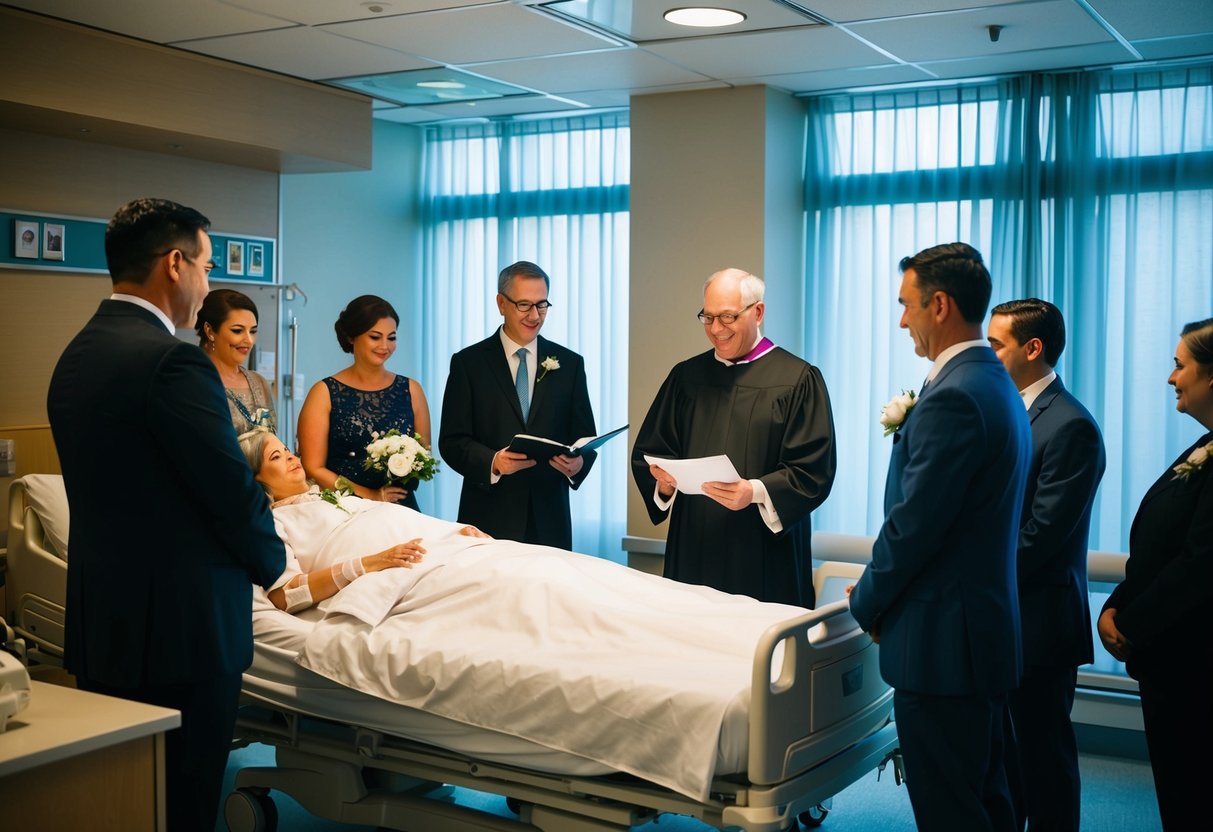
When considering a deathbed marriage, there are specific steps you need to follow. These steps ensure that the process is legal and valid, allowing the couple to unite during a difficult time. Here are the key components to keep in mind.
Required Documentation and Witnesses
To proceed with a deathbed marriage, you must gather essential documents.
First, you need a valid photo ID for both parties. This might be a driver’s license or a passport.
Next, you will require a Registrar General’s Licence. This special licence permits the marriage to occur even when traditional arrangements are not possible. It’s crucial to apply for this licence through your local registrar’s office.
Additionally, medical evidence is essential. A doctor must provide a statement confirming that one partner is terminally ill and expected to pass away soon. This letter is important for the marriage to be approved.
Finally, you must have witnesses. Generally, at least two adults are needed to witness the ceremony. They can be family members or friends who support the couple during this emotional time.
Roles of Healthcare Providers and Legal Officials
Healthcare providers play a vital role in a deathbed marriage. A medical professional must confirm the terminal illness. This documentation is necessary for the registration of the marriage. Doctors may also assist in coordinating the marriage ceremony at the hospital or care facility when it’s difficult for the couple to travel.
Legal officials are equally important. They help ensure that the marriage is conducted according to the law. When applying for the Registrar General’s Licence, officials verify the presented documents and ensure everything is in order.
In some places, like Florida, specific legal rules apply to deathbed marriages. Knowing these rules can help you avoid complications. Consult with a legal expert to ensure all procedures are correctly followed. This can help protect the couple’s rights in situations involving trusts and inheritance.