
What is a Female Bride to Be Called? Discovering the Perfect Term for Engaged Women
As you plan your wedding, you might wonder about the different titles used for a woman who is engaged to be married. The most common term for a female bride-to-be is “fiancée.” This French word specifically describes a woman who is engaged and looking forward to her big day.
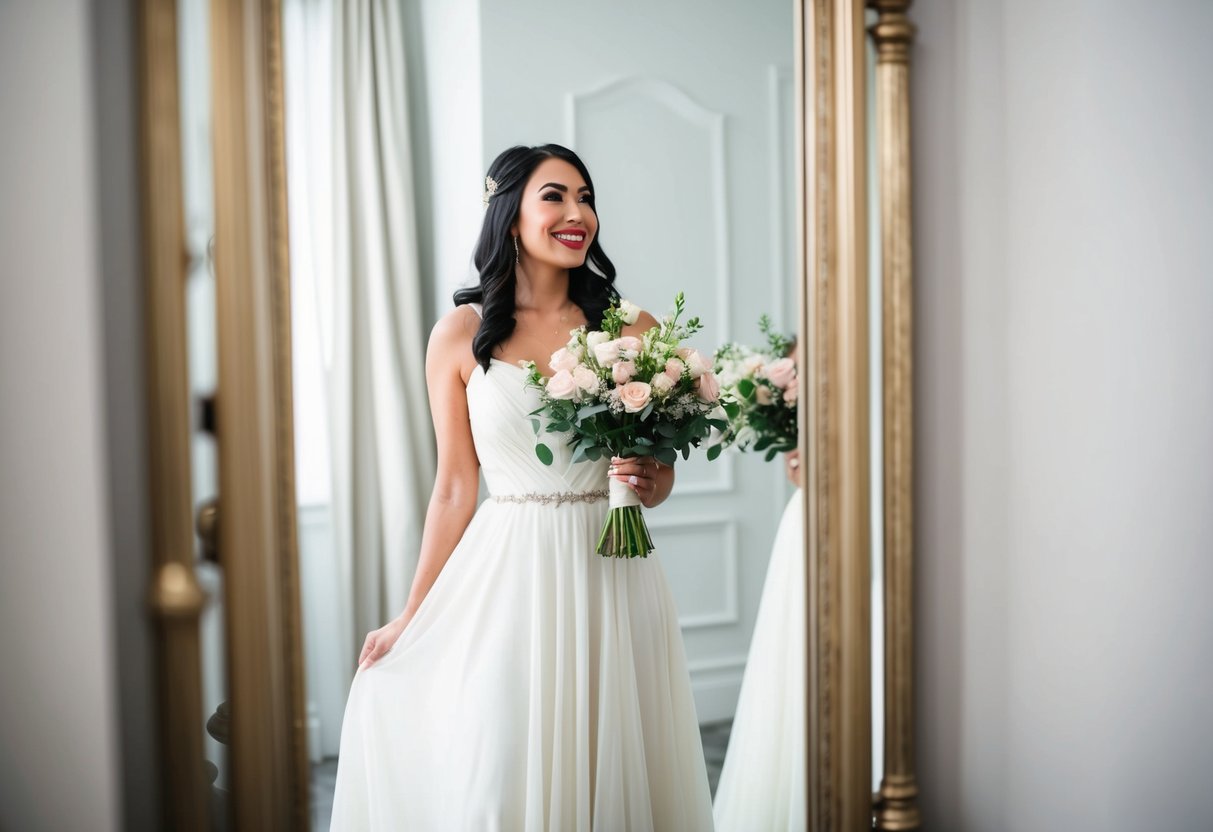
Understanding the terminology around weddings can be fun and helpful as you navigate this exciting time. A fiancée steps into the role of a bride once the wedding day arrives. Until then, embracing the title of fiancée can add to the joy of your engagement. Choosing the right terms helps celebrate this special chapter in your life.
Understanding the Bride-to-Be
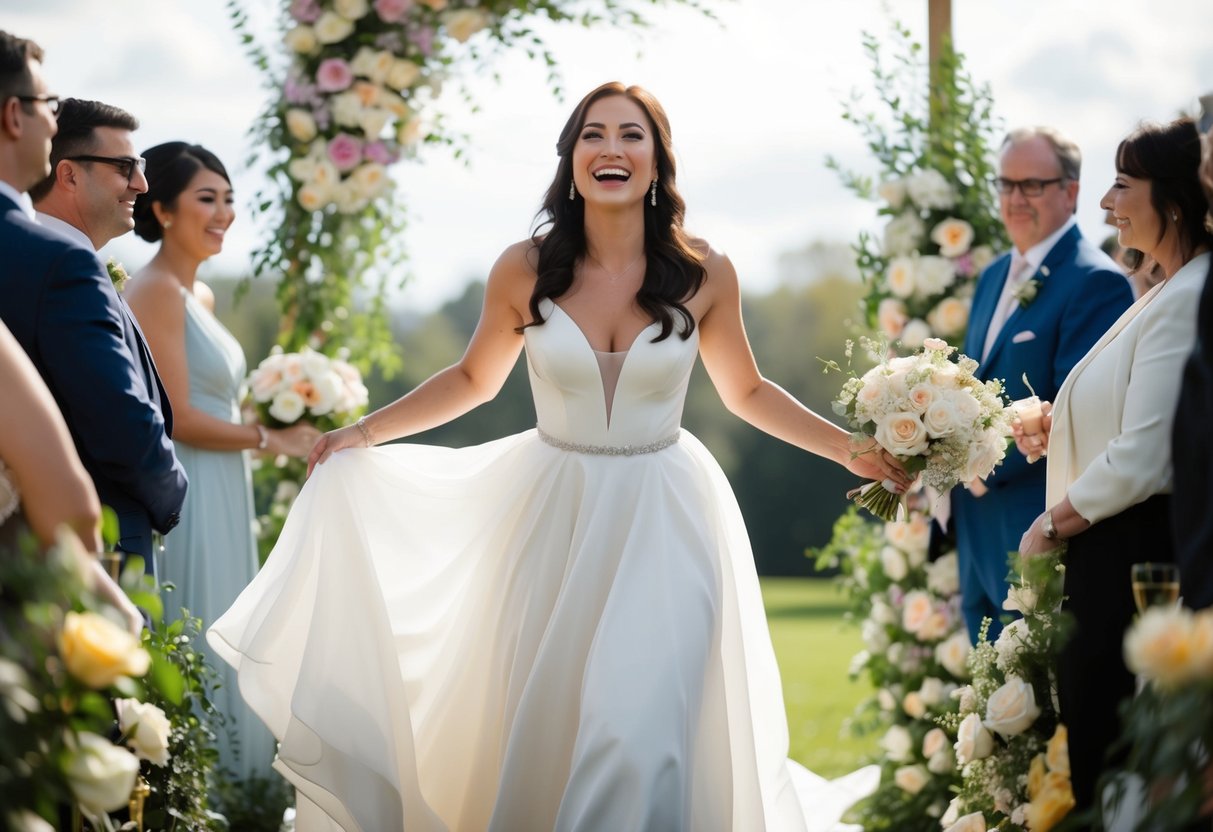
When discussing the bride-to-be, you can think of her as a key figure in the wedding journey. She is filled with excitement and anticipation as she prepares for the marriage ceremony and the life that follows.
The Role of a Fiancée
As a fiancée, you step into a unique role filled with emotion and responsibility. This time before the wedding day is pivotal, marking the transition from a single life to partnership.
You’ll find yourself involved in many aspects of planning. This includes choosing the perfect dress, selecting venues, and creating a guest list. Each decision shapes your upcoming special day.
Your relationship with your spouse also deepens during this experience. You and your partner must communicate and make decisions together. This teamwork strengthens your bond and sets the stage for a happy marriage.
Cultural Significance and Terminology
The term “bride-to-be” holds cultural weight and tradition. It reflects the important steps in love and commitment leading to marriage. In many cultures, a bride signifies the joining of two families and the start of a new life together.
Different cultures have their own titles and roles for brides, often rich in history. Understanding these can deepen your appreciation for your role. Terms like “bridegroom” refer to the groom, highlighting the partnership within marriage.
As you prepare for your wedding, it’s important to feel the significance of this moment. Embracing the meaning of being a bride-to-be can enhance your experience, filling it with love and joy.
Preparing for the Big Day
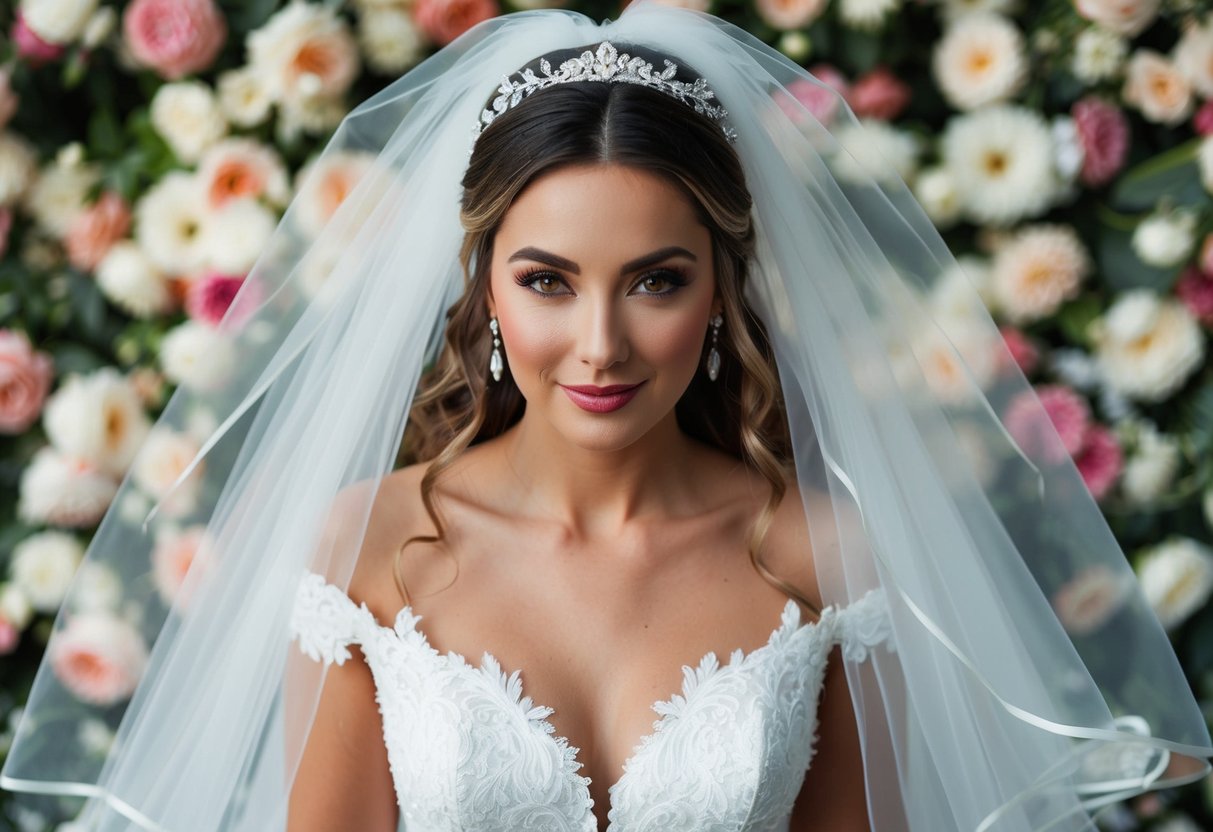
Getting ready for your wedding day involves careful planning and decision-making. This is the time to focus on the details that will make your celebration truly special. You want everything to reflect your style and make the day memorable for you and your guests.
Choosing the Right Wedding Dress
Selecting the perfect wedding dress is one of the most exciting parts of wedding planning. Start by setting a budget that works for you. This will help narrow down your options without overspending.
Think about the style that suits you best—be it a classic ball gown, a sleek sheath, or a romantic A-line. Don’t forget to consider the venue and season. Fabric choice is also key; lightweight materials are great for summer, while heavier fabrics work well in winter.
Bring trusted friends or family to help you choose. Their support can make the process enjoyable. Schedule fittings well in advance. This way, you’ll have time for any adjustments.
Roles of the Wedding Party
Your wedding party plays a vital role in your big day. It typically includes the bridesmaids and groomsmen, with the maid of honor and best man standing out. Each member has specific duties, from helping you with planning to offering emotional support.
The maid of honor often handles tasks like organizing the bridal shower. She is your go-to person for advice and support, making her role crucial. The best man not only stands by the groom but also delivers one of the most memorable toasts at the reception.
Bridesmaids and groomsmen can assist with various tasks leading up to the wedding, including helping with décor and coordinating the celebration events. Choose people who have the time and energy to help make your day seamless.
The Essentials of Wedding Planning
When planning your wedding, there are key elements to focus on. Start by choosing a venue that reflects your vision. Consider how the space can be decorated to match your theme. Floral arrangements can greatly enhance your wedding’s ambiance.
Next, you’ll need to decide on the menu. Think about your favorite foods and how they can cater to your guests. A tasting session can help you finalize delicious options.
Don’t forget about the reception details. Seating arrangements play a big role in guest enjoyment. Also, think about entertainment options, like music or games, to keep everyone engaged.
Planning well ensures that your big day goes off without a hitch!
Cultural and Historical Influences
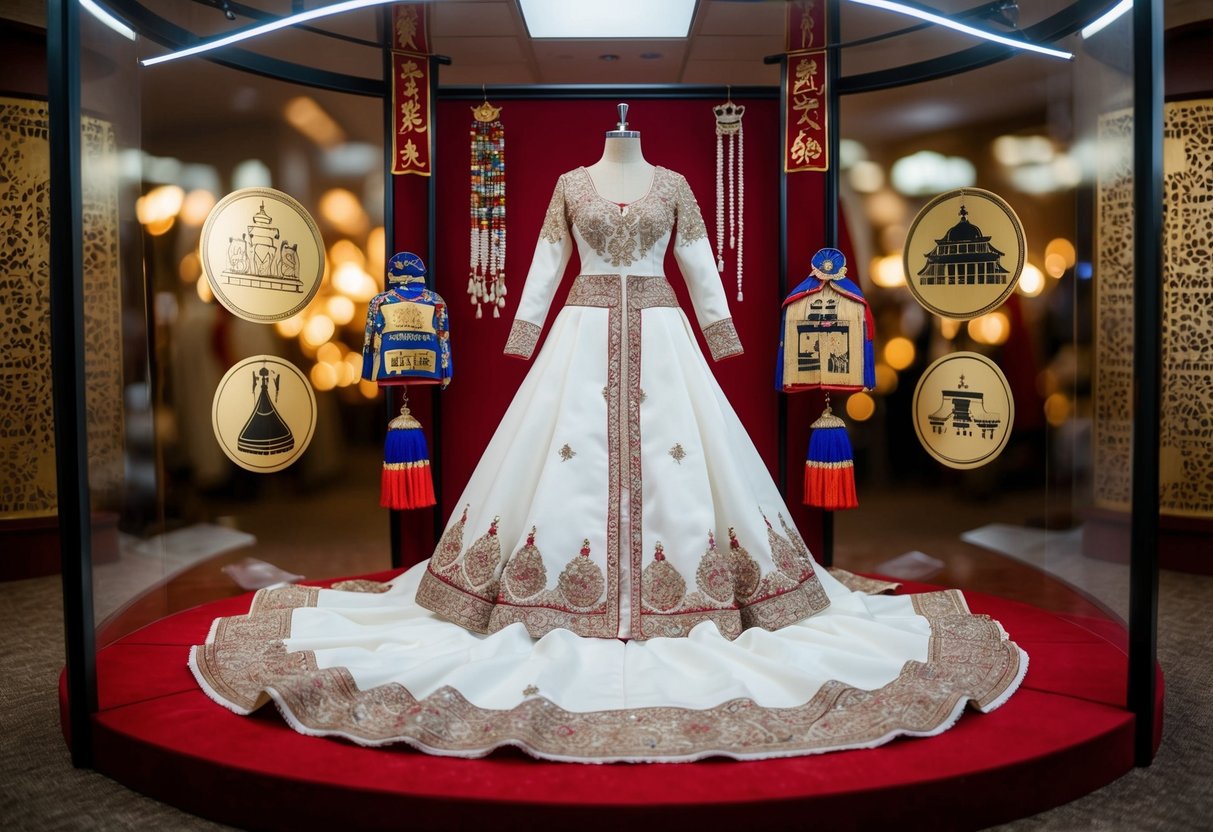
The concept of a bride has been shaped by various cultural and historical factors. Understanding these influences helps you appreciate the significance of wedding attire and customs around the world.
The White Wedding Phenomenon
The white wedding tradition has its roots in the 19th century, largely popularized by Queen Victoria when she wore a white gown for her marriage to Prince Albert in 1840. This choice symbolized purity and was a break from the norm of brides wearing colorful dresses.
Since then, the white dress has become a symbol of the Western wedding culture. Many brides today still choose white or off-white gowns, making it a timeless choice. This tradition emphasizes the bride’s special role in the ceremony, showcasing her beauty and significance.
Diverse Wedding Attire and Customs
Across different cultures, the attire and customs of brides vary greatly. In many Asian cultures, traditional clothes are worn, reflecting the rich heritage of each region. For instance, in India, brides often don colorful saris or lehengas embellished with intricate designs, signifying joy and festivity.
Similarly, in African cultures, wedding attire can include bright, patterned fabrics that represent cultural identity and community. Customary rituals, such as family blessings and dances, also play a significant role in the celebration, emphasizing unity.
These diverse traditions highlight how wedding attire is not just fashion but a representation of cultural values and heritage in different societies.
After the Vows
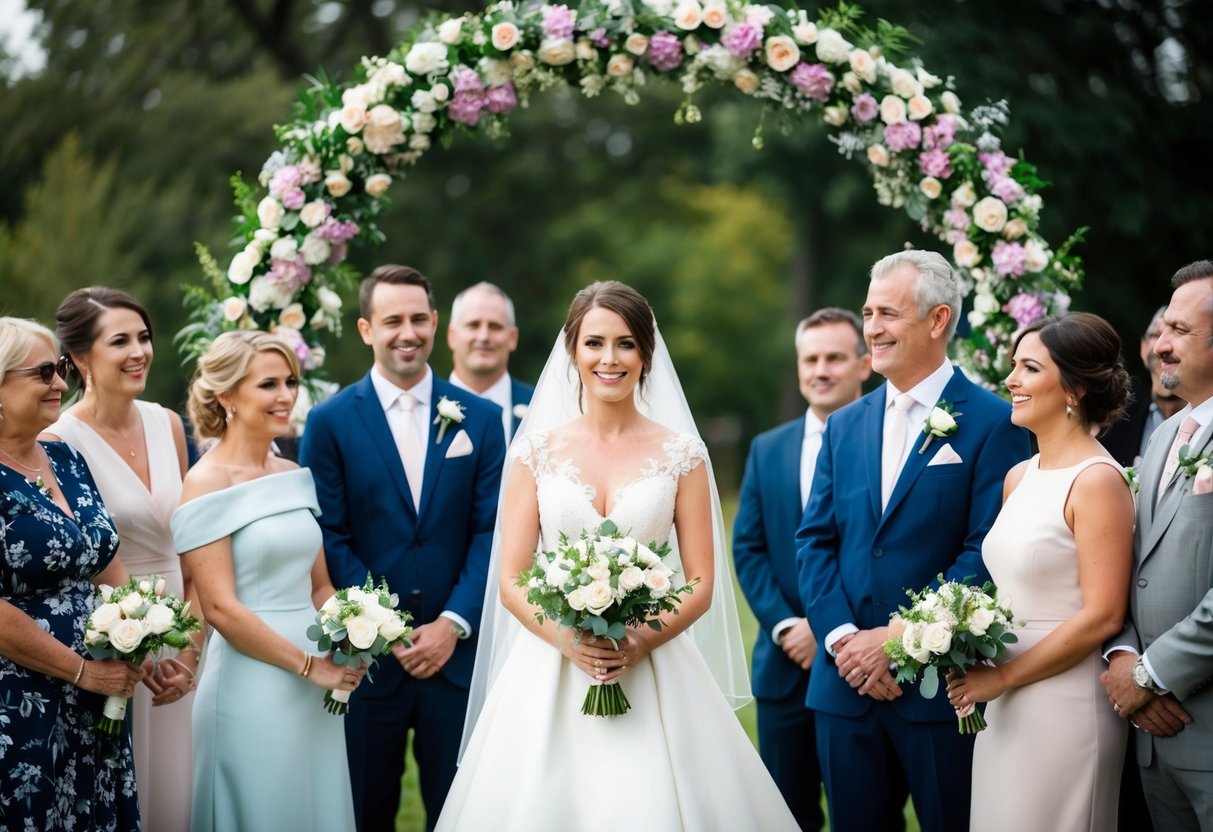
When the vows are exchanged, a bride’s identity shifts into that of a wife. This new role comes with a variety of emotions and changes. You may feel excitement, support from your marriage partner, and the joy of beginning a new chapter.
The Newlywed Transition
Transitioning into your new role as a wife can be both thrilling and challenging. You embrace your identity as a newlywed. This change means adapting to a shared life with your partner.
You may find yourself adjusting to new routines, such as coordinating schedules. There’s also a sense of unity, as you build a life together. Friends and family might refer to you as “just married,” celebrating your new status.
You might also notice that your focus shifts from planning the wedding to nurturing your relationship. Support from each other is key during this time. It’s important to communicate openly and celebrate each milestone.
Symbols of Marriage and Commitment
Several symbols represent your commitment to each other after the wedding. The most prominent is the wedding ring, which you wear to signify your love and devotion.
Another important symbol is the bouquet, which may hold personal significance.
White wedding dresses often represent purity and new beginnings.
During the reception, traditions like cutting the wedding cake add to the celebration of your new life together.
You may also include groomsmen and groomswomen in your celebrations, embracing the love and support of close friends.
Each symbol or gesture strengthens the bond you share with your partner.