
What is a Good Amount of Guests for a Wedding? Finding Your Perfect Balance
When planning your wedding, one of the most important decisions you’ll make is the guest list. A good number of guests for a wedding typically ranges from 50 to 150, depending on the type of celebration you envision.
Smaller weddings often create an intimate atmosphere, while larger gatherings can bring a lively energy.
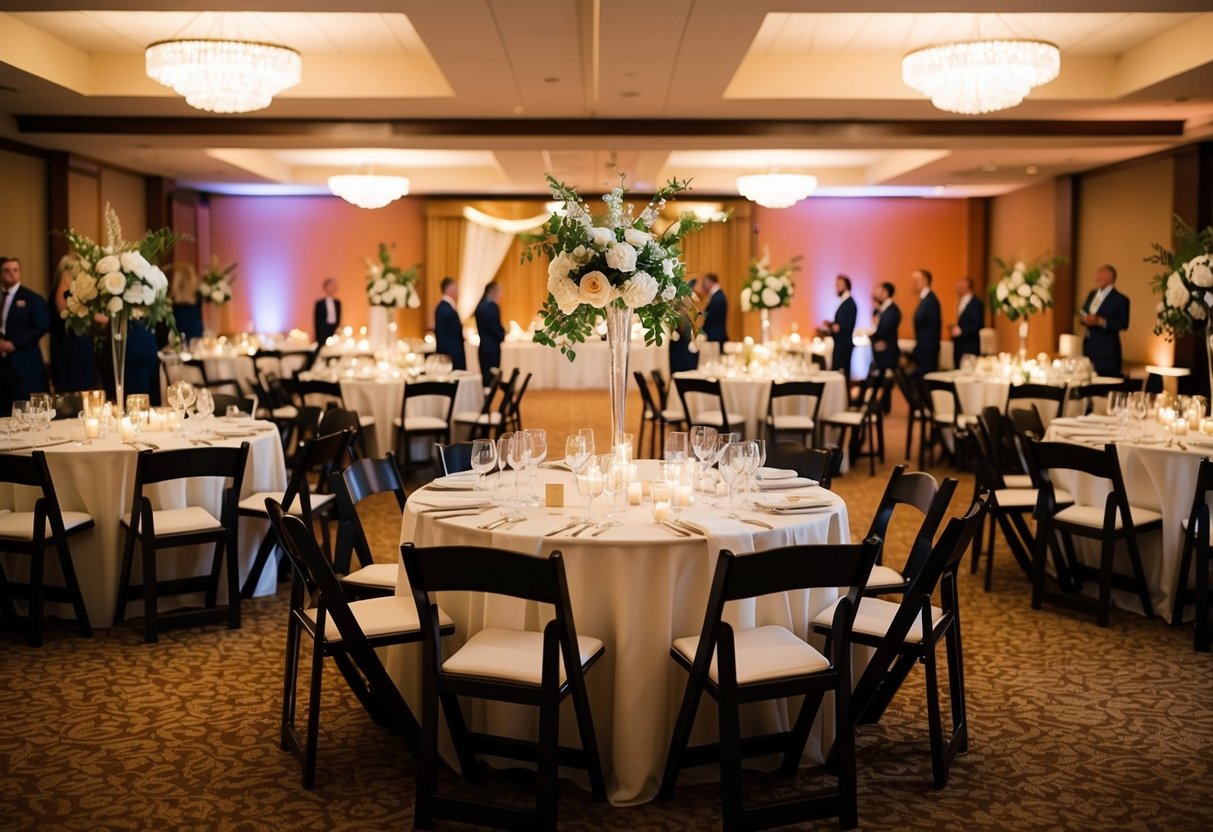
As you think about who to invite, consider your budget and the space available at your venue. Each guest not only adds to the joy of your day but also impacts your expenses.
Finding the right balance on your guest list is key to making your wedding memorable.
Ultimately, your guest list should reflect your priorities and style as a couple. Whether you choose a cozy gathering with close family and friends or a grand celebration with many loved ones, you want to ensure that your special day feels just right for you.
Determining Your Wedding Size
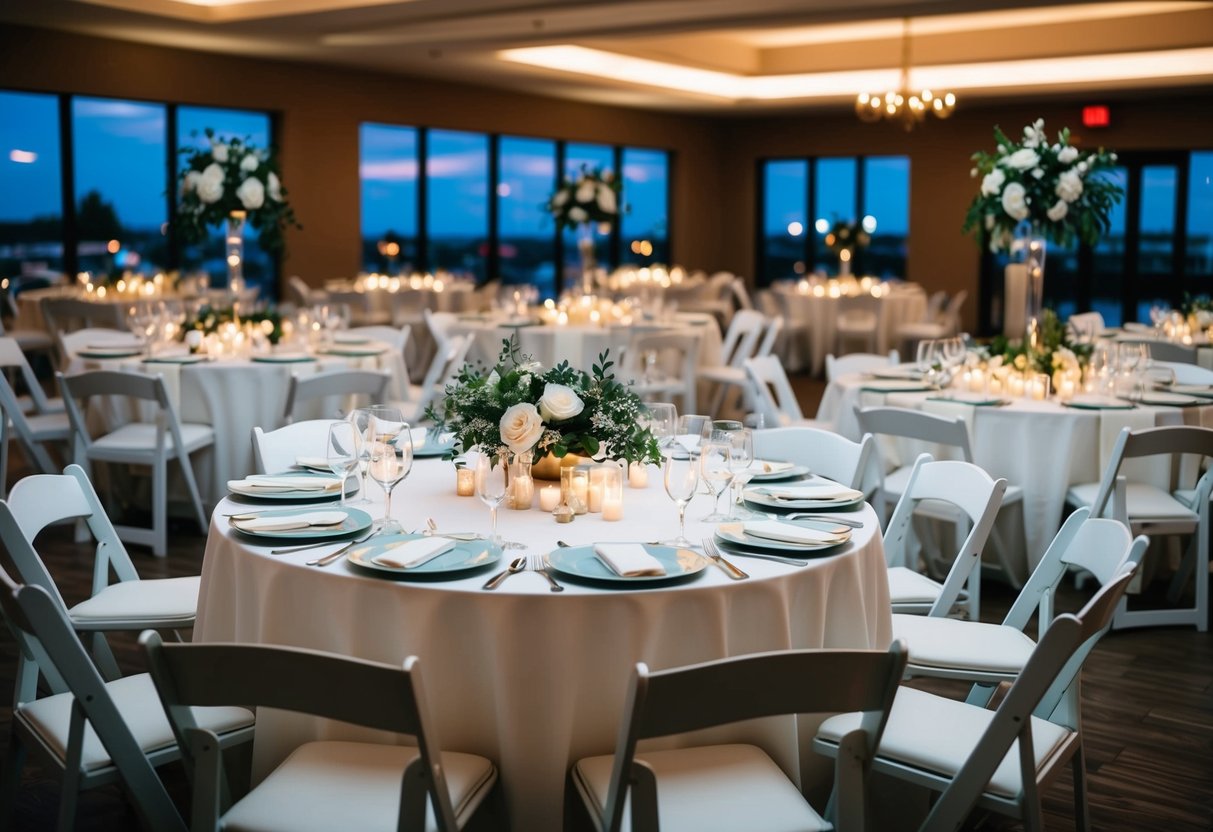
Choosing the right size for your wedding is an important decision. It influences your budget, venue, and overall experience.
Understanding the types of weddings and analyzing factors that affect your guest list will help you determine what works best for you.
Understanding Wedding Types
Wedding types can vary greatly and influence how many guests you invite. Generally, weddings fall into three main categories: small, medium, and large.
- Small Weddings: Often have 50 guests or fewer. They create a cozy atmosphere, perfect for intimate gatherings with close family and friends.
- Medium Weddings: Typically host 50 to 150 guests. This size allows for a balance of intimacy and a broader network of loved ones.
- Large Weddings: Usually involve more than 150 guests. They are ideal for those wanting a big celebration, often including extended family and colleagues.
Another option is elopements or micro weddings, which include just a few guests or even just the couple. These types of weddings focus on the couple’s commitment instead of the number of attendees.
Analyzing Guest List Influences
The size of your guest list is influenced by several key factors. Start by considering your budget. A bigger guest count usually means higher costs for food, venue, and other amenities.
You should also think about local versus out-of-town guests. Local friends and family may be more likely to attend, while those traveling might RSVP with a “maybe” due to travel costs.
Moreover, your families play a significant role. They may want to invite their friends or relatives, impacting your overall guest count.
Lastly, expect attendance rates to vary. Typically, around 75-85% of invited guests attend weddings, so plan accordingly for the final count.
Budget Considerations for Guest Count

Planning your wedding guest list is not just about who you want to invite; it directly affects your budget.
Understanding how to allocate your finances effectively and considering the venue and location will help you make the best choices.
Allocating Finances Effectively
Start by setting a clear budget for your wedding. Knowing how much you have to spend is crucial.
Allocate a part of this budget specifically for guest-related expenses.
Consider costs like catering, drinks, and party favors. A common rule of thumb is around $100 to $300 per guest, depending on your preferences and choices.
For example, if you expect 100 guests at an average cost of $150 per guest, your catering alone can total $15,000.
Balancing guest list expectations with your budget helps avoid unplanned expenses. Make adjustments as needed to align with your financial reality.
Influences of Venue and Location
The venue plays a major role in determining guest count. Popular locations can affect costs due to demand.
Outdoor venues might be less expensive while offering a beautiful backdrop.
Destination weddings can be tricky. Guests may face travel costs, which could influence their attendance. For out-of-town guests, plan on about 55% attending if they are not family, but that number could rise to 85% for close relatives.
Also, understand venue capacity limits. Never exceed this limit, as it can lead to uncomfortable situations and extra charges.
Balancing your guest list with your selected venue ensures a smooth experience for you and your guests.
Crafting Your Guest List
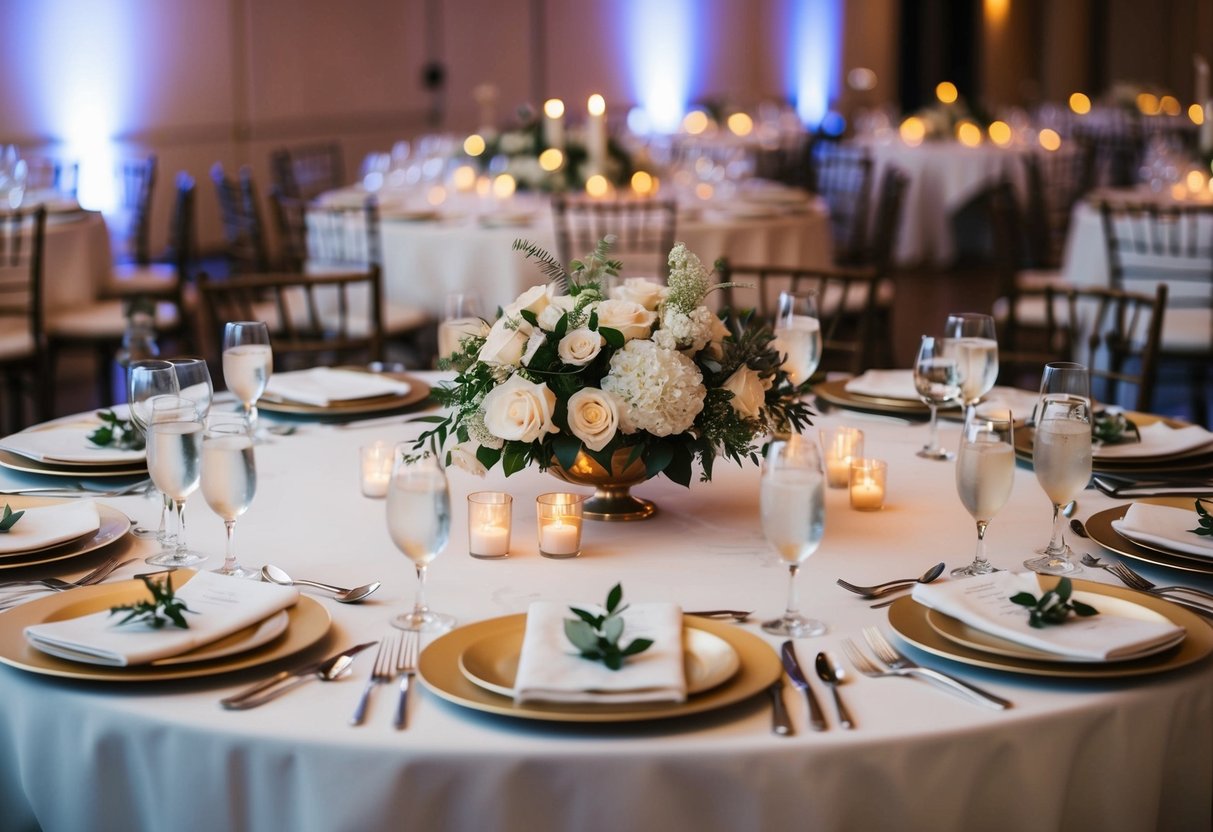
Creating your wedding guest list can be both exciting and a bit overwhelming.
You’ll want to balance your dream guests with practical considerations like your budget and venue size.
Let’s dive into the important elements of managing invitations and navigating guest etiquette.
Managing Invitations and RSVPs
Start by deciding the average wedding guest list size you envision. A typical wedding has around 100 to 150 guests, but this can vary based on your preferences or constraints.
Once you have a rough number, consider sending out save the dates to everyone you want to invite. This helps set expectations early.
When it’s time for formal invitations, include the names of invited guests clearly. If you allow plus-ones, specify this on the invitation to avoid confusion.
Create a system to track RSVPs, noting who is attending and any special meal preferences. This will help with seating arrangements and catering needs.
Navigating Guest Etiquette
Navigating wedding guest etiquette can feel tricky, but a few guidelines can help.
First, prioritize close family and friends. It’s common to invite those who are significant in your life, but don’t feel pressured to invite every acquaintance.
Remember to communicate clearly. If someone expects a plus-one, be upfront about your decision.
If space or budget limits guests, tactfully explain your situation.
Also, don’t forget about those who can’t make it. A thoughtful follow-up message can express your feelings without causing any awkwardness.
Role of Wedding Planners in Guest Management

Wedding planners play a key role in managing your guest list. They help you organize and keep track of all your guests in one place. This ensures that everyone receives the right information.
Your planner can help you create the initial guest list. They will work with you to determine who to invite based on your budget and venue capacity. This is an important step that helps you avoid overwhelming yourself.
Track RSVPs is another task for your wedding planner. They can follow up with guests to ensure you know who’s coming. This information is useful for catering and seating arrangements.
A wedding planner can also manage any special requests from guests. Whether someone needs dietary accommodations or has specific seating preferences, your planner will handle it efficiently.
Keeping communication clear is a vital part of guest management. Your planner ensures that all guests are informed about the details, like date, time, and location.
Finally, your planner coordinates with vendors concerning the guest list. This includes the catering team and any services impacted by the number of guests. They’ll keep everyone on the same page to make your day run smoothly.