
What is a Good Budget for a Wedding Ring? Tips for Finding the Perfect Fit
When planning for a wedding, figuring out your budget for a wedding ring is an important step. A good rule of thumb is to spend about 1 to 3 months’ salary on an engagement ring, while wedding bands can be less costly, starting at a few hundred dollars. Everyone’s financial situation and personal preferences will vary, so it’s crucial to choose an amount that feels comfortable for you.
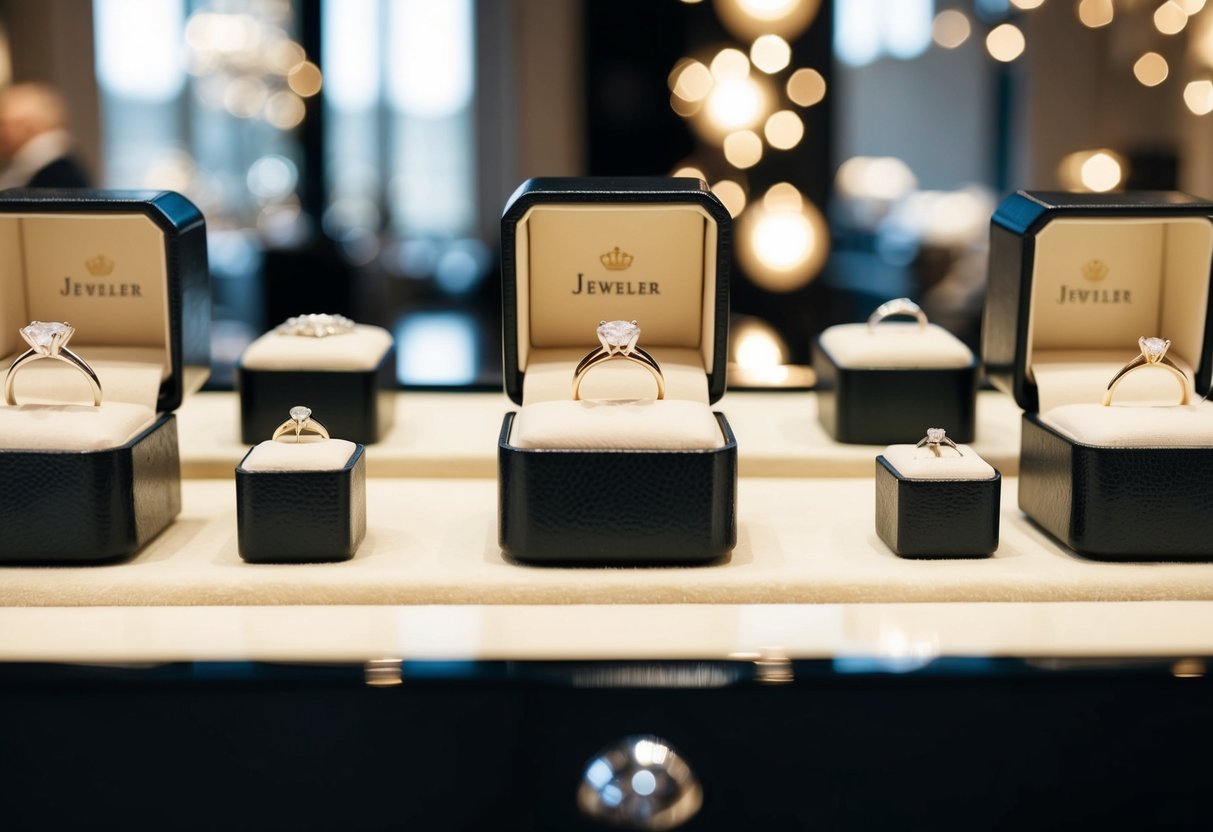
Think about what style resonates most with you and your partner. Do you prefer a classic look with a simple wedding band, or something more unique? Keep in mind that the ring is a symbol of your commitment, and it should reflect your love story without breaking the bank.
As you outline your wedding budget, remember to factor in other expenses. Balancing the costs of the wedding itself with your ring choices will help set the right tone for your celebration. Ultimately, the perfect wedding ring is one that fits your style and financial comfort.
Understanding Wedding Ring Costs
When planning your budget for a wedding ring, it’s important to consider various factors that influence cost. These factors include the materials used, the type of ring, and the diamond’s quality. This section will help you understand what contributes to wedding ring pricing.
Components of Ring Pricing
The cost of a wedding ring can vary greatly based on several components. Key factors include the type of metal, design complexity, and any gemstones included.
Metal Types:
- Gold: Commonly used, prices range from about $1,200 to $2,500.
- Platinum: More durable but typically costs between $1,500 and $3,000.
- Silver: A budget-friendly option, usually costing less than $500.
Design Complexity: Simple bands cost less than intricate designs. Custom designs may also add to your budget, depending on the jeweler and materials.
Average Cost of Wedding Rings
The average cost for wedding rings can give you a starting point for your budget. On average, a woman’s wedding ring costs around $1,200, while men’s wedding bands can start at about $140 for simpler styles and reach over $2,000 for high-end options, like platinum.
Basic wedding bands without any gemstones typically cost around $400 to $500. Remember that styles and market trends can affect these averages, so it’s wise to shop around for the best deal that fits your style and budget.
Diamond Quality and Pricing
If you’re considering a diamond for your wedding ring, the quality and pricing depend on four main factors known as the “Four Cs”: cut, color, clarity, and carat weight.
- Cut: The way a diamond is shaped affects its brilliance. Well-cut diamonds tend to be more expensive.
- Color: Diamonds range from colorless (more valuable) to shades of yellow or brown. The clearer the diamond, the higher the cost.
- Clarity: This reflects how many imperfections (inclusions) a diamond has. Greater clarity typically means a higher price.
- Carat: This measures the diamond’s weight. Larger diamonds (higher carats) can significantly increase the overall cost.
Understanding these aspects can help you make an informed decision on choosing the right wedding ring within your budget.
Selecting the Right Ring Material
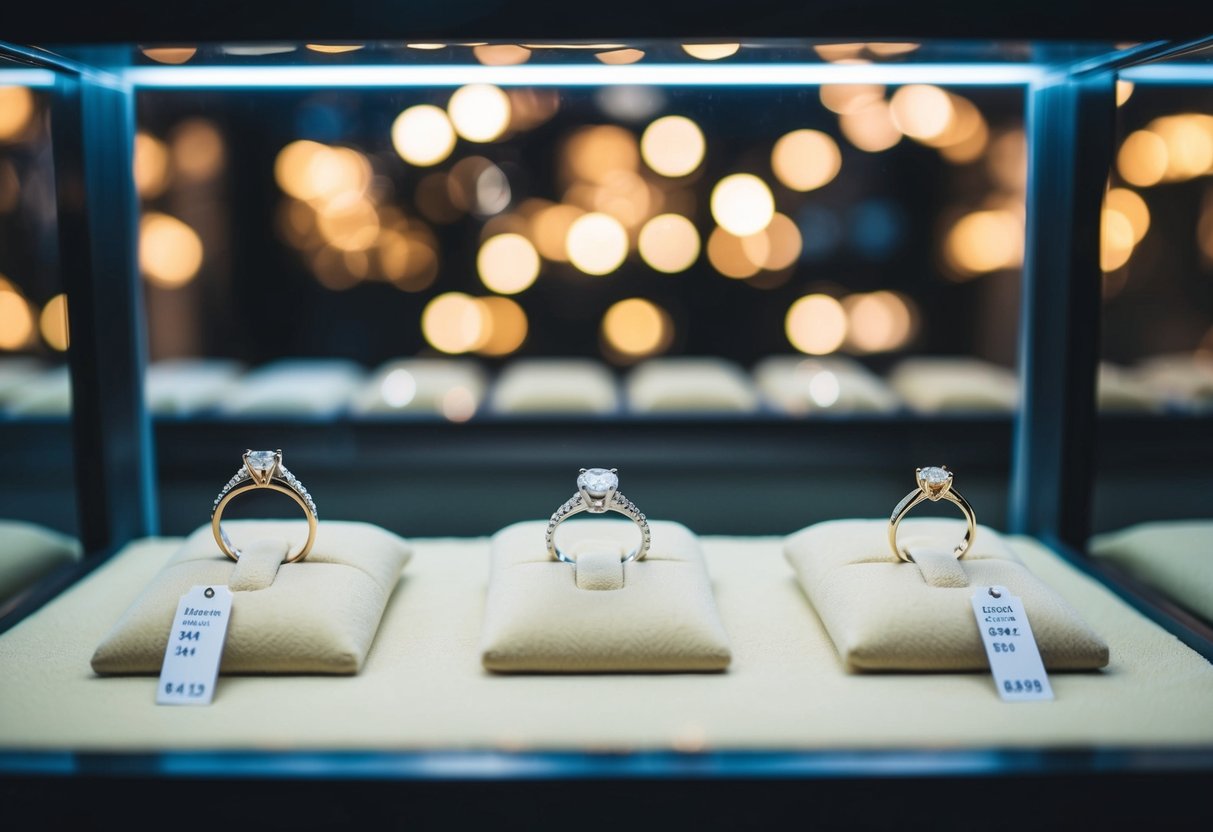
Choosing the right ring material is an important step in selecting your wedding ring. Different metals offer unique looks, durability, and pricing. Understanding your options will help you make a better choice that matches your style and lifestyle.
Gold and Its Variants
Gold is a classic choice for wedding rings. It comes in three main colors: yellow gold, white gold, and rose gold. Each type has its own appeal.
- Yellow gold has a warm, traditional look. It’s often chosen for its timeless beauty.
- White gold offers a sleek and modern appearance. It’s often plated with rhodium for extra shine.
- Rose gold features a trendy pink tint. This option has become very popular in recent years.
The purity of gold is measured in karats. 14k offers a good balance between durability and beauty, while 18k is softer but has a richer color. Consider what will feel comfortable for everyday wear.
Platinum and Other Metals
Platinum is a premium choice known for its strength and durability. It’s a rare metal, meaning it often comes with a higher price tag. Platinum rings are typically heavier and resist scratches well, making them a long-lasting option.
Other materials, like palladium, are gaining popularity. Palladium is lighter than platinum but still durable. It’s also hypoallergenic, which is great for sensitive skin.
There are also metals like tungsten and titanium. These are very strong and scratch-resistant but come in a limited number of styles. They can be great choices for those who need a more rugged ring.
Alternative Materials
If you want something different, consider alternative materials. Wood and ceramic rings offer unique designs. Wood rings can show natural grain patterns, while ceramic options can come in various colors.
Silicone rings are popular for those with active lifestyles. They are flexible and comfortable for daily wear. Perfect for sport lovers or those who work with their hands.
Choosing an alternative material allows you to express your individuality. Ensure the style fits your lifestyle and represents your personality. Consider these options while staying within your budget.
Incorporating Gemstones
Choosing the right gemstone for your wedding ring is an exciting part of the journey. It allows you to express personal style while considering different options, including diamonds and other unique gemstones.
Choosing the Right Diamond
When selecting a diamond for your engagement ring, clarity, cut, color, and carat weight, often called the “Four Cs,” are key factors. A high-quality cut can enhance a diamond’s sparkle. It’s helpful to focus on clarity, choosing a diamond that has minimal imperfections to ensure beauty.
You may also consider lab-grown diamonds. They are often less expensive and can look identical to natural diamonds. Understanding these options can help you make an informed decision for your meaningful piece of jewelry.
Exploring Other Gemstones
If you want something different, look into gemstones like rubies, sapphires, and emeralds. These stones can offer vibrant colors and unique styles.
- Rubies symbolize passion and love.
- Sapphires are available in different colors but blue is the most popular.
- Emeralds represent rebirth and love.
These gems can be less expensive than diamonds and can add a personal touch to your ring. You can also consider a mix of gemstones and diamonds for a custom design, which is truly unique to you!
Aligning the Ring with Your Budget
It’s important to align your wedding ring choices with your overall budget. A well-planned budget helps ensure you stay within your means while still choosing a ring that you love. Here are some key ways to set a realistic budget and save on wedding bands without losing quality.
Setting a Realistic Budget
Start by evaluating your financial situation. Look at your income, expenses, and savings to determine how much you can comfortably spend on a wedding ring.
Many couples plan their engagement ring budget at around 1 to 3 months’ salary.
For wedding bands, consider setting a budget that is about 10% to 20% of the total cost of the wedding. This way, you can ensure that the cost of wedding bands fits into your overall wedding costs.
When thinking about the ring, take into account the average cost of wedding bands, which can range from $500 to $2,500. With a clear understanding of your finances, you can make informed choices.
Saving on Wedding Bands Without Compromising Quality
You can save money while still finding a beautiful wedding band in several ways. For example, opting for simpler designs can help lower the wedding band cost while maintaining elegance.
Explore materials like rose gold or even alternative metals. These options can often be less expensive than traditional gold or platinum but still look stunning.
Also, look for sales or discounts. Many jewelers offer promotions that can help you save on your purchase.
Remember, the carat weight of the band also influences its cost. Choose a band with a modest carat weight, and you can still find high-quality options that fit your budget beautifully.