
What Is a Good Wedding Budget? Tips for Planning Your Dream Day Without Breaking the Bank
Planning a wedding can be exciting, but you need to figure out a good wedding budget to make your dream day a reality. A reasonable wedding budget typically ranges from $15,000 to $30,000, depending on your location and guest list size. This figure can help guide your spending on key areas like the venue, catering, and attire.
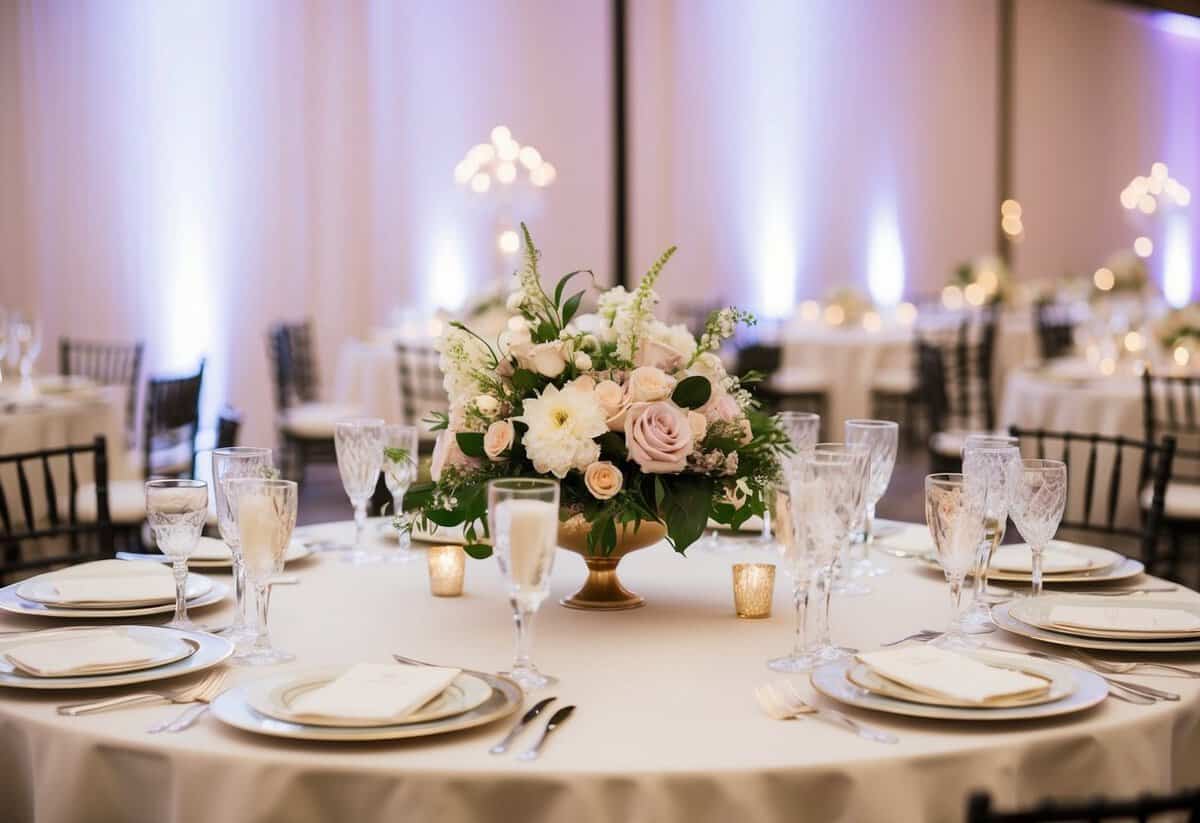
Setting a wedding budget involves considering your priorities and what aspects of the wedding matter most to you. If you want an extravagant venue, you might need to cut costs elsewhere, like the number of guests or the floral arrangements. Being clear about your budget will make planning a wedding smoother and more enjoyable.
Every wedding is unique, and there’s no one-size-fits-all answer. By focusing on your individual needs and the elements that matter to you, you can create a budget that not only works for your finances but also reflects your vision for the day.
Determining Your Wedding Budget
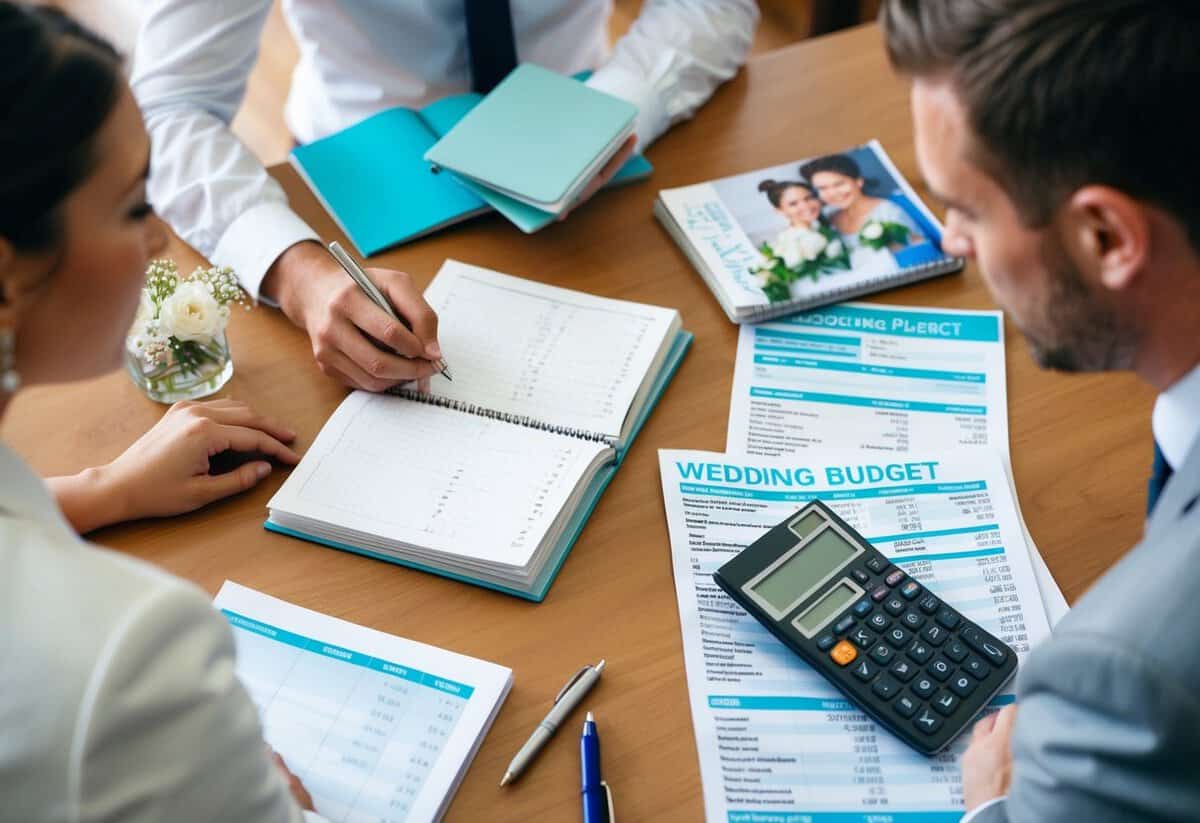
Setting a wedding budget is a crucial first step in planning your special day. Knowing your expenses, using tools like budget calculators, and looking at sample budgets can make this process much easier.
Understanding Wedding Expenses
Begin by listing all potential wedding expenses. These may include venue, catering, photography, attire, and entertainment. The average wedding budget can vary, but many couples spend around $30,000.
A typical wedding budget breakdown is useful. For example:
- Venue and Catering: 35%
- Photography and Videography: 12%
- Wedding Planning: 12%
- Attire and Accessories: 10%
- Flowers and Decorations: 8%
- Stationery: 5%
By understanding these percentages, you can allocate your funds more effectively.
Using a Wedding Budget Calculator
A wedding budget calculator can streamline your planning. Using one helps you visualize where your money is going and what areas may need adjustment. Many online tools allow you to input your total budget and automatically suggest how much to spend in each category.
Try to stay flexible. If one area, like catering, exceeds the suggested percentage, consider cutting back in another area, like decorations. This approach keeps you on track.
Sample Budgets and The Knot’s Suggestions
Looking at sample wedding budgets can provide inspiration and guidance. Websites like The Knot offer templates and detailed breakdowns. Their insights suggest prioritizing the essentials first, like venue and catering.
Reviewing common budget mistakes is also key. Many couples forget hidden costs, such as gratuities or service fees. Aim for thoroughness to avoid surprises. This way, you can ensure a smooth planning experience.
Allocating Funds for Major Expenses
When planning your wedding budget, it’s important to focus on the key areas where you’ll need to spend wisely. By properly allocating funds for major expenses, you can set the stage for a joyful celebration without overspending.
Venue and Catering
The venue is usually the largest expense in your budget. You should aim to allocate 30-35% of your total wedding budget to this category. Choose a location that reflects your style and fits your guest count. Look into packages that include catering, as they might save you money.
Catering costs can also add up quickly. A typical budget for food and drink could take up another 25-30% of your total budget. Consider whether you want a buffet, plated meal, or food stations. Don’t forget to include costs for appetizers, cake, and beverages. It’s smart to discuss menu options with your vendors and explore seasonal ingredients to save some dollars.
Photography and Videography
Capturing your special day is crucial, so allocate about 10-15% of your budget for photography and videography. Research and choose vendors whose styles resonate with you. Look for packages that might include both services to help cut costs.
When selecting a photographer, remember that experience and creativity can greatly impact the results. Book a professional who understands your vision. Don’t forget to ask if they provide an online gallery or printed albums. For videography, consider how much coverage you want, like full-day shooting or highlights.
Entertainment and Music
Entertainment plays a big role in making your wedding memorable. Set aside about 10-15% of your budget for this. Whether you decide to hire a live band or a DJ, ensure they can create the atmosphere you want. Research local options and ask for recommendations from friends.
If you prefer a live band, check their repertoire to ensure they can cover a variety of music genres that resonate with your guests. For a DJ, confirm their experience with weddings and ask about their sound equipment. Consider also including other entertainment options, like photo booths or dancers, to keep guests engaged and having fun.
Personalizing Your Wedding
Creating a wedding that reflects your unique style and preferences is important. This personalization can shine through your choices in attire, décor, and the thoughtful details you include for guests.
Attire and Beauty
Choosing the right wedding attire is a significant way to express yourself. Start with the wedding dress or suit that makes you feel fantastic. Consider styles that reflect your personality, whether it’s classic, modern, or bohemian.
Don’t forget about accessories! Wedding rings, jewelry, and other adornments can add special touches. For beauty, hiring a professional can enhance your look on the big day. Discuss your vision with your makeup artist and hairstylist. A trial run before the wedding can help you feel confident and comfortable.
Decor and Floral Arrangements
The décor sets the mood for your wedding. Think about colors, themes, and settings. Popular options include romantic candlelight, elegant table settings, or rustic touches. Each element will create an atmosphere that feels right for you.
Floral arrangements are also essential. Choose flowers that are in season for cost-effectiveness. Talk with your florist about your vision, whether it’s a bouquet of soft pastel blooms or vibrant seasonal flowers. Adding personal elements, such as family heirlooms or DIY centerpieces, can make your décor even more meaningful.
Favors and Gifts
Wedding favors are a fun way to thank your guests. Consider personalized items, like custom labels on treats or unique keepsakes that represent your journey together. You can also include notes or photos reflecting your story.
For gifts, think about what would be useful and meaningful. Common ideas include gift cards or items from local artisans. Additionally, consider donations to a charity in honor of your guests, which can make the day even more memorable.
Final Considerations and Hidden Costs
When planning your wedding budget, it’s important to think about hidden costs that can add up quickly. Key areas to consider include invitations and stationery, transportation and accommodation for guests, and having an emergency fund.
Invitations and Stationery
Invitations and wedding stationery often take a backseat in budget discussions. However, they can quickly add to your expenses. Consider costs for the following items:
- Invitations: The design, printing, and postage can cost between $200 and $600.
- Save-the-Dates: These can average $150 to $400.
- Additional Stationery: This includes menus, programs, and thank-you cards, which can add $100 to $300 to your budget.
Don’t forget to account for the extra postage costs for larger or heavier invitations. Having a wedding checklist can help you stay organized and spot these items early on.
Transportation and Accommodation
Transportation and accommodation can sometimes surprise couples with their total costs. Here’s what to keep in mind:
- Getting to the Venue: Whether hiring a limo or a shuttle, costs can range from $300 to $800.
- Guest Transportation: If you’re providing transport for guests, budget $200 to $500.
- Accommodation: Consider costs for guests who may need to stay overnight. Look into group rates to help save money.
Always confirm costs up front and include these expenses in your budget to avoid surprises as your day approaches.
Creating an Emergency Fund
An emergency fund is essential for managing unexpected costs that arise as you finalize your wedding. Experts suggest setting aside at least 5% of your overall wedding budget for this purpose.
This fund can cover things like:
- Last-minute vendor fees
- Unforeseen transportation costs
- Items that were forgotten
By budgeting this emergency fund, you can protect yourself from going over budget and feeling stressed before your big day. It’s a smart step to make your wedding planning smoother.