
What Is a Nice Size Wedding? Finding the Perfect Balance for Your Big Day
Choosing the right size for your wedding can feel overwhelming. You might wonder, “What is a nice size wedding?” A wedding size varies from intimate gatherings to large celebrations. The best size depends on your personal preferences and budget. Whether you want a small wedding with just close family and friends or a larger ceremony that includes everyone you know, understanding your options can help you decide.
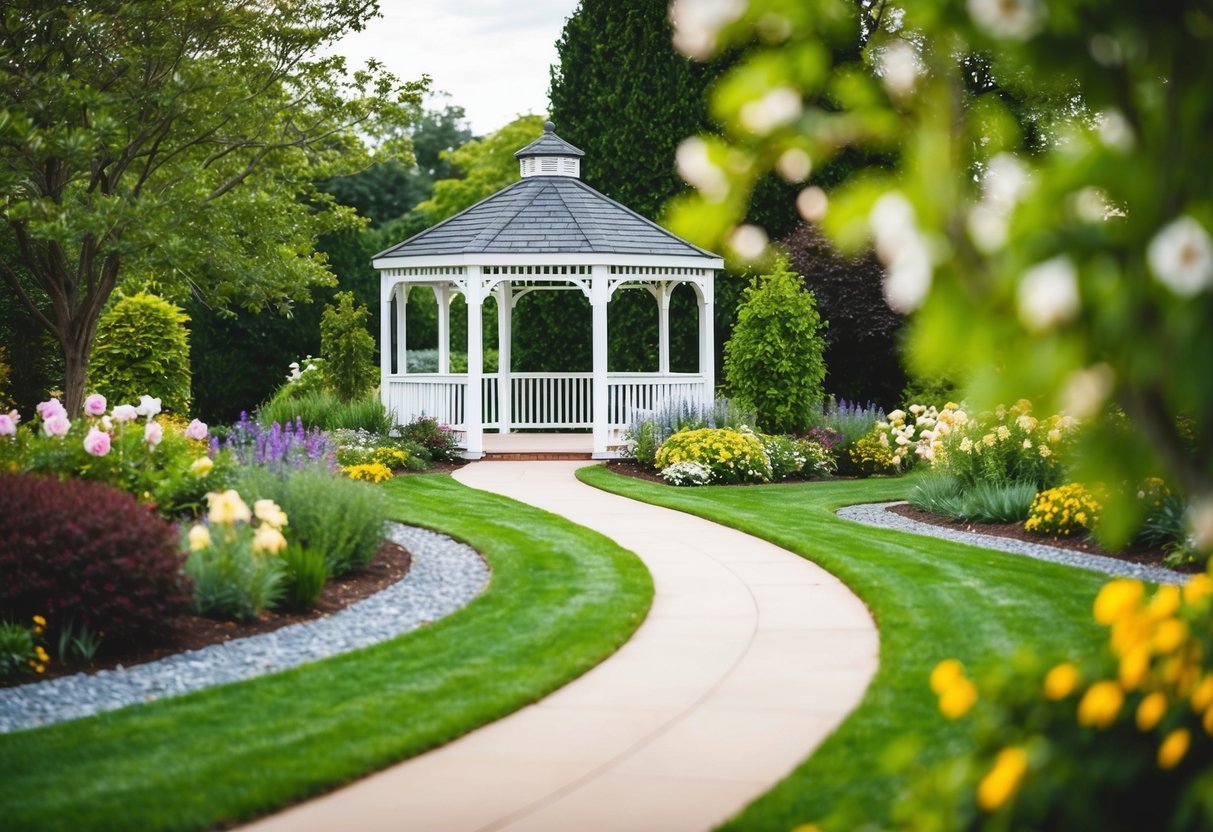
For intimate weddings, sometimes referred to as micro weddings, you might have 20 to 50 guests. These events can feel special and personal, allowing you to connect with each person who shares your day. On the other hand, medium weddings usually range from 50 to 150 guests. They offer a balance that can still maintain a cozy atmosphere while allowing for some of your larger circles to join in the fun. Large weddings, with over 150 attendees, can create a lively atmosphere that’s fun but may come with challenges in keeping it personal.
Looking at real weddings studies can offer insights into trends. Many couples find that the ideal size for their wedding often reflects their style and how they envision the day. With this guide, you’ll learn more about what size might suit you best!
Determining the Ideal Wedding Size
Choosing the right size for your wedding can feel overwhelming. Many factors come into play, including your budget, your vision, and the guest experience you want to create. Let’s explore different wedding sizes and what matters when deciding how many guests to invite.
Understanding Different Wedding Sizes
Weddings can range from intimate ceremonies with only a few close friends to grand celebrations with hundreds of guests. The average wedding size typically falls between 75 and 100 people, suitable for many couples.
Small weddings often include family and close friends, which can create a cozy atmosphere. Medium-sized weddings allow for more guests while still keeping things personal. On the other hand, large weddings can accommodate over 175 people, offering more variety but may feel less personal.
Micro weddings are becoming popular, featuring small guest lists under 20 attendees. These events often emphasize quality over quantity, providing a unique experience for everyone involved.
Considerations for Guest List Size
Your guest list is a crucial part of your wedding planning. Start by making a list of everyone you want to invite. This could include friends, family, colleagues, and even casual acquaintances.
Next, think about your budget. The number of guests can significantly influence your costs. More guests mean a bigger venue, more meals, and additional invitations.
Also, consider the guest experience. A larger guest count may create a lively atmosphere but can make it harder to connect personally with everyone. Smaller weddings allow for meaningful interactions and deeper connections, enhancing everyone’s enjoyment.
Balancing your guest count and budget will help you determine the best size for your special day.
Budgeting for Your Wedding
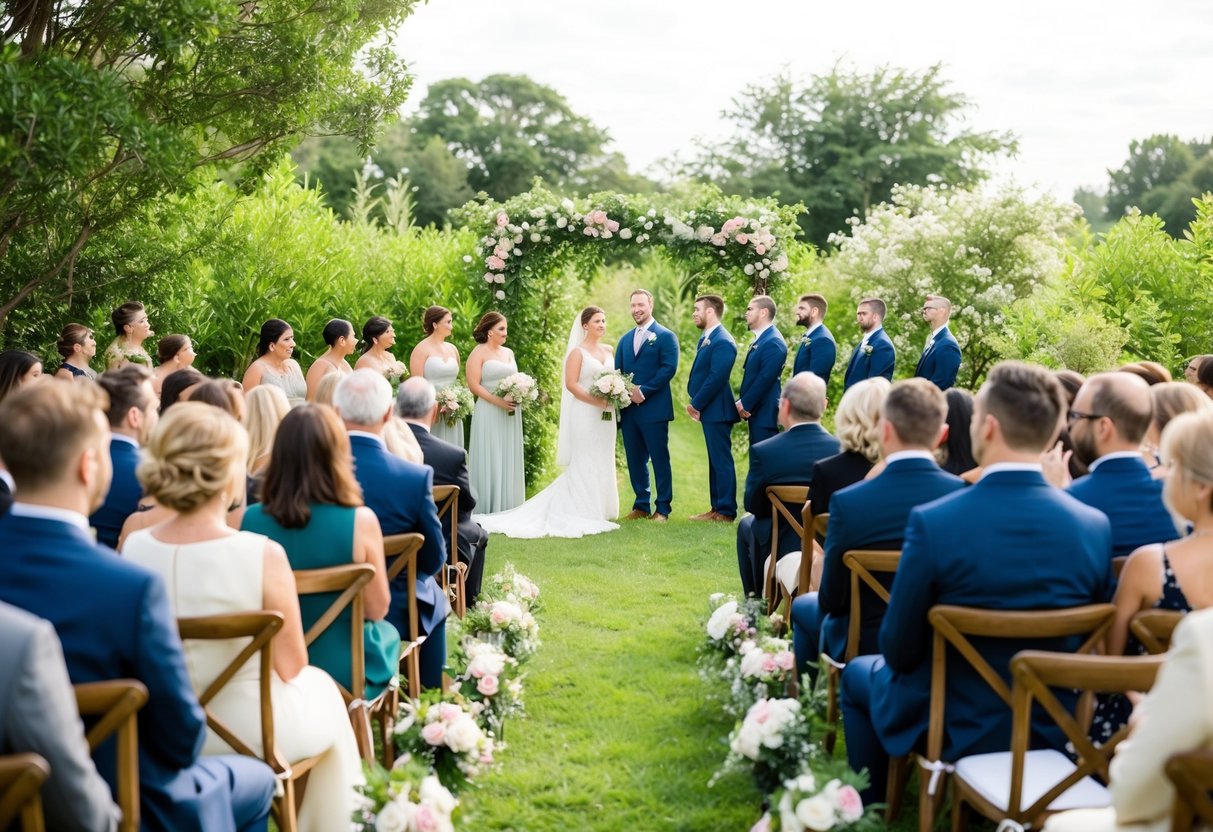
Planning your wedding begins with a solid budget. It helps you allocate your funds wisely and understand the costs associated with different wedding sizes. Knowing your financial limits is crucial for a smooth planning experience.
Allocating Funds Wisely
Start by determining your total wedding budget. This is the amount you and your partner can spend without stress. Break down your budget into categories such as:
- Venue: Typically the largest expense. Choose based on guest list size.
- Catering: Costs may rise with a larger guest count.
- Decorations: The more extravagant, the higher the cost.
- Photography and Entertainment: Essential elements that impact the atmosphere.
Consider the importance of each category and allocate funds accordingly. You might want to prioritize things that matter the most, like having a great wedding planner or stunning venue. Saving on less important aspects can provide flexibility for bigger priorities.
Costs Associated with Different Sized Weddings
The size of your wedding significantly affects your overall costs. Here’s a quick breakdown:
-
Small Weddings (20-50 guests): Generally cost-effective. You can spend more on quality over quantity. Average budget ranges from $5,000 to $15,000.
-
Medium Weddings (50-150 guests): This range often sees expenses from $15,000 to $30,000. Guest list size expands costs, especially for catering and venue.
-
Big Weddings (150+ guests): Expect to budget $30,000 to $50,000 or more. Costs skyrocket with larger venues, catering, and a bigger wedding party.
Destination weddings may also add travel and accommodation costs. Ensuring your budget reflects your guest count and location is vital. A well-planned budget keeps your wedding stress-free.
Venue and Logistics
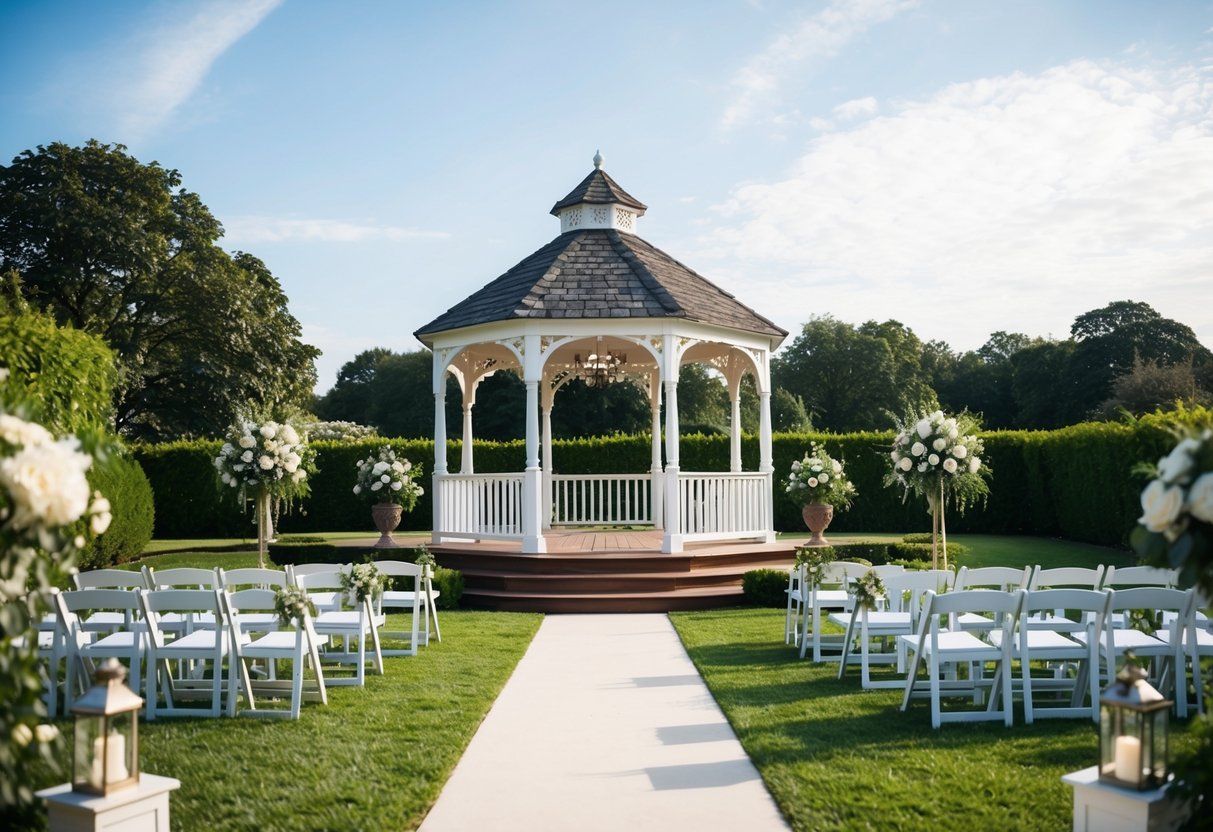
Choosing the right venue and managing logistics are essential for creating a wonderful experience for you and your wedding guests. Your venue sets the stage for your celebration. It impacts everything from your guest list to the overall flow of the day.
Selecting the Perfect Wedding Venue
When selecting your wedding venue, consider factors such as size, location, and style. Calculate the number of guests based on your guest list. A venue should comfortably accommodate everyone while allowing for space for dining, dancing, and other activities. Aim for at least 25 square feet per guest for a sit-down dinner.
Think about the atmosphere you want to create. Do you prefer a rustic barn, a beach setting, or an elegant hotel? Consider site accessibility, parking, and transportation options, especially if you’re hosting a destination wedding. Don’t forget to visit venues at various times to get a true sense of the setting.
Managing Guest Accommodations
Guest accommodations can enhance their experience, so pay attention to details. First, find out if your venue has nearby lodging options. You might want to reserve blocks of rooms for your wedding guests to make their stay easier.
Share travel details and itinerary on your wedding website. Include information about local attractions, dining options, and transportation services. Ensure that guests understand the schedule of events, especially for destination weddings where travel is involved.
If you’re planning a civil ceremony, ensure that all guests know the location. This helps them feel more connected and informed throughout your celebration. Happy guests can make for a joyful event!
Incorporating Cultural and Personal Elements
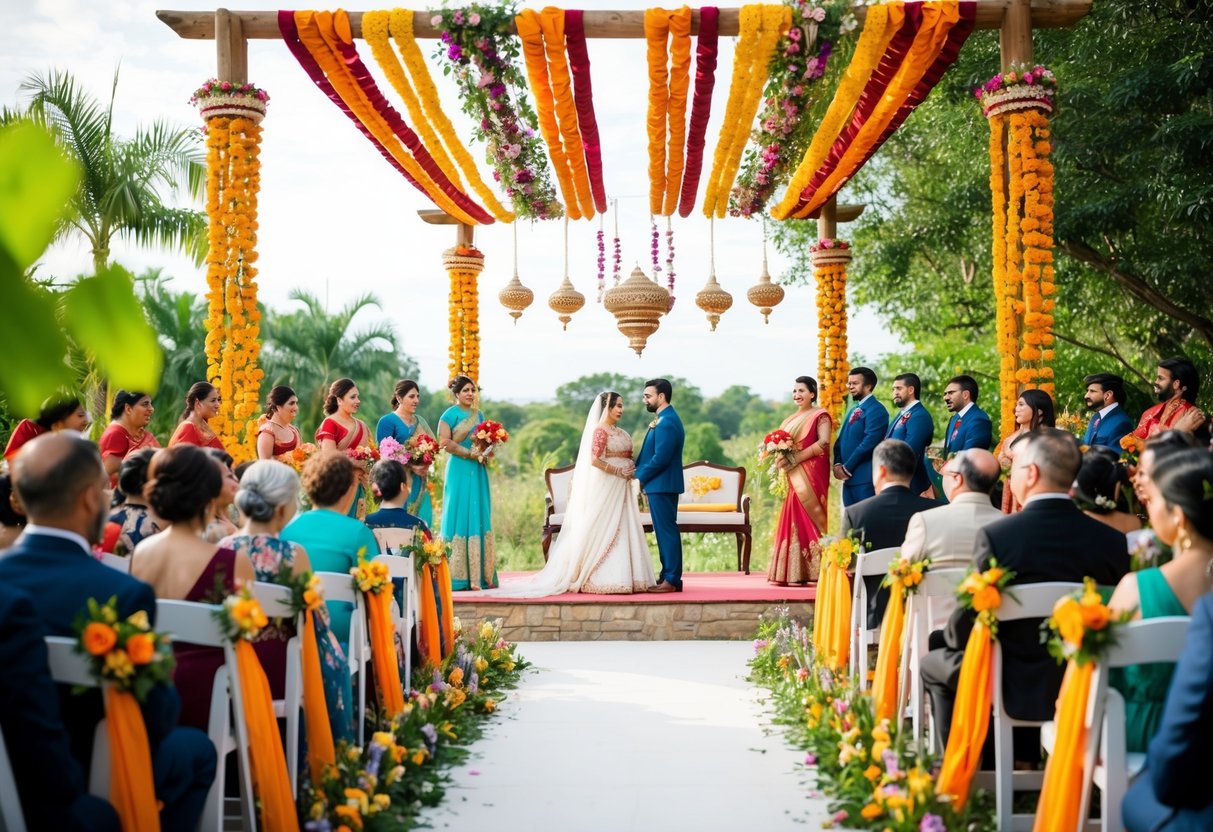
When you plan your wedding, think about how to include cultural traditions and personal touches. This will make your day feel special and unique.
Cultural Traditions: Consider adding rituals that reflect your heritage. These can be simple, like a special dance, or more elaborate, like a traditional ceremony. Adding these rituals connects you and your guests.
Medium Weddings: A medium-sized wedding is perfect for blending personal and cultural elements. With around 50 to 150 guests, you can create an intimate atmosphere that still allows for diverse traditions.
Wedding Party Involvement: Involve your wedding party in these traditions. They can help with attire choices, planning activities, and even learning rituals. This makes everyone feel included.
Wedding Planners: Hiring a wedding planner can help you incorporate these elements smoothly. They often have experience with multicultural weddings and can offer helpful ideas.
Here are a few ways to include cultural and personal touches:
- Attire: Encourage your wedding party to wear traditional outfits or colors from your culture.
- Music and Dance: Choose music that reflects your background or create a playlist of songs that mean something to you.
- Ceremony Personalization: Include readings or blessings that resonate with you and your families.