
What Is a Normal Time for a Wedding to Start? A Guide to Timing Your Special Day
Choosing the right start time for your wedding can set the tone for your entire day. Most weddings typically start between 1 p.m. and 3 p.m., or later in the afternoon around 4 p.m. to 6 p.m. This timing allows for a seamless flow between the ceremony and reception, ensuring your guests can fully enjoy each moment.
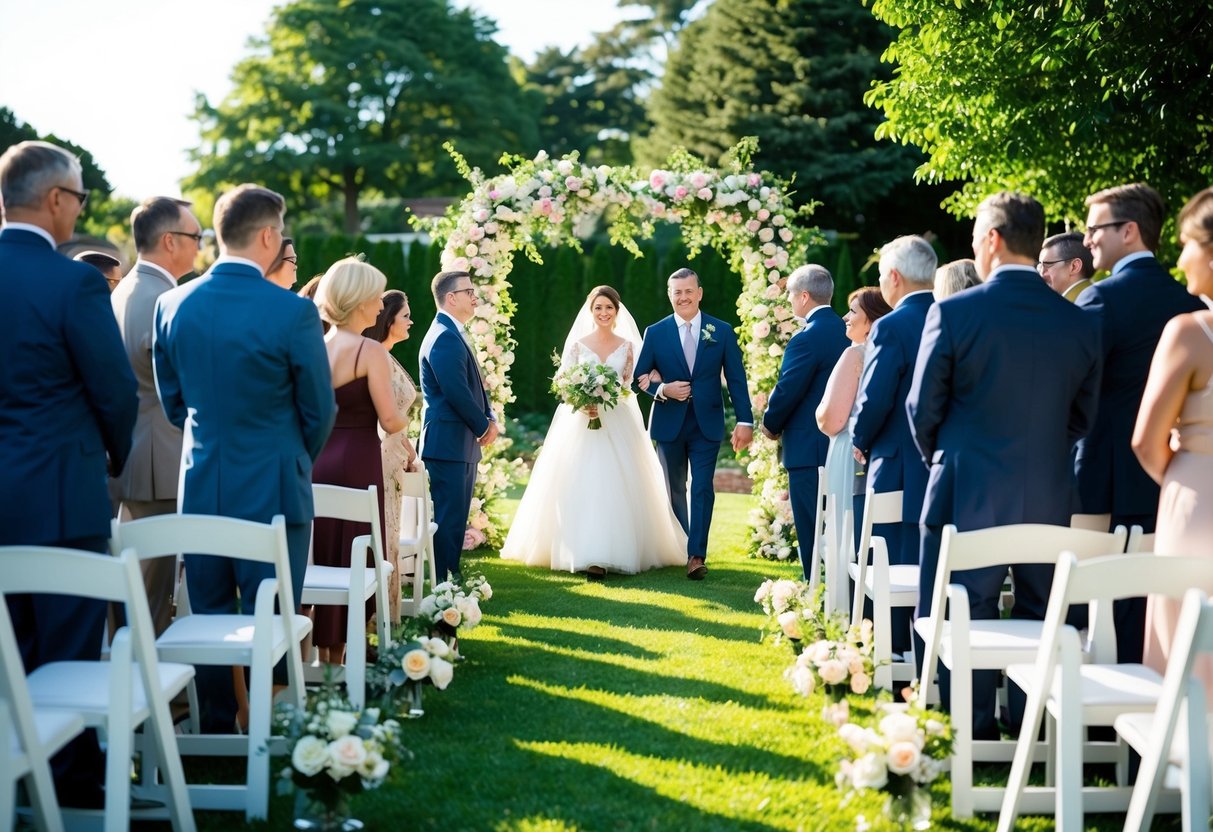
Consider your season and venue when planning. For example, summer weddings might be best held later to avoid the heat, while winter weddings may need an earlier start to take advantage of daylight. The right timing adds to the magic of your special day, making it memorable for both you and your guests.
Understanding these factors can help you make the best choice for your wedding. So, as you plan your special day, think about what start time will work best for you!
Determining Your Wedding Start Time
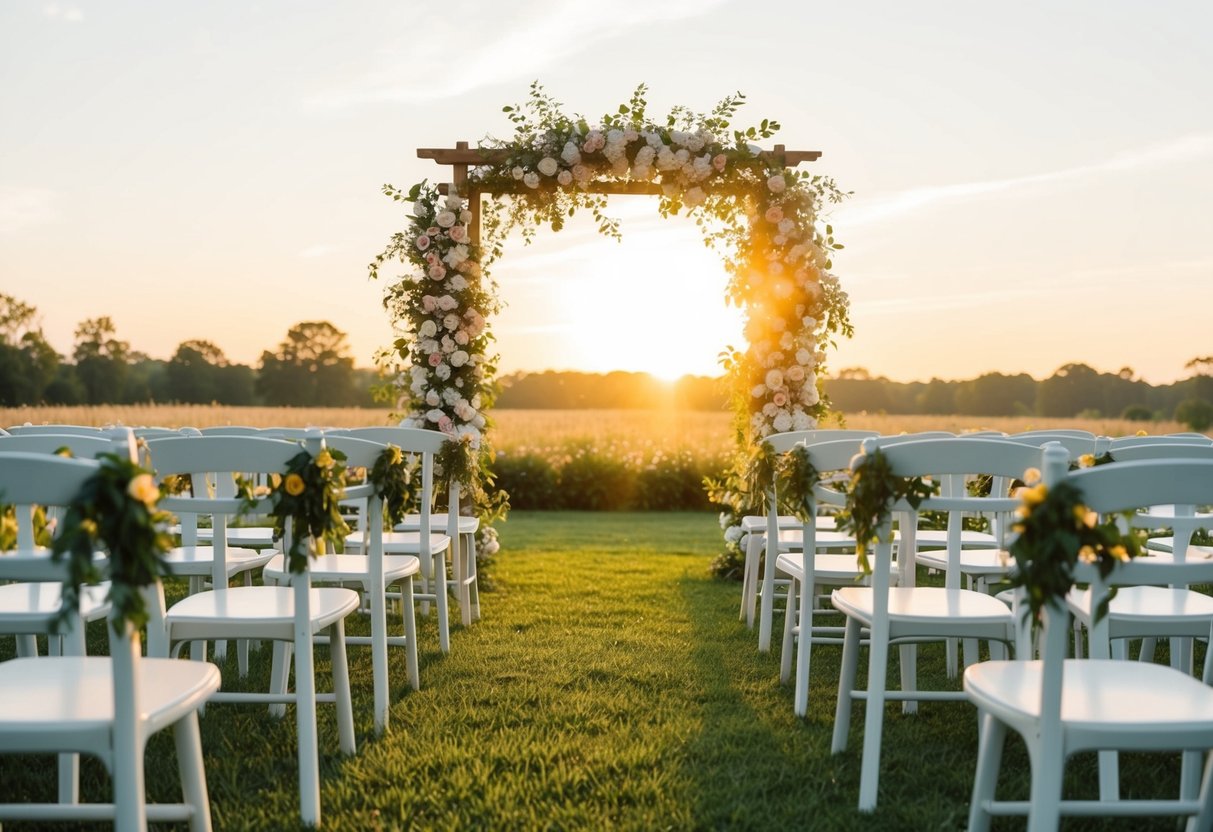
Choosing the right time for your wedding ceremony is essential. Several factors come into play, including the season, cultural practices, and your personal preferences. Let’s explore these considerations to help you decide the best time for your big day.
Factors Influencing Ceremony Start Time
When deciding your wedding start time, consider your guests. A later ceremony on Fridays or Saturdays, for example, can help those who might work that day.
Moreover, think about logistics. You need to account for travel time to the venue and how long you’ll need for photos.
Also, factor in daylight. In summer, you can enjoy longer days, while winter weddings may require an earlier start to take advantage of available light.
Lastly, remember your venue’s restrictions. Some places may have specific guidelines about when ceremonies can begin.
Ideal Start Time for Different Seasons
The season can significantly influence your wedding start time.
-
Summer Weddings: During summer, you have flexibility. Many couples choose a 5:00 PM start, giving time for afternoon preparations and photos. This allows you to enjoy the sunset later.
-
Winter Weddings: For winter, consider starting earlier, around 2:00 PM or 3:00 PM. This timing ensures that you can complete your ceremony before it gets dark.
-
Morning Weddings: Morning ceremonies are ideal for those who want a brunch reception. A start time of around 10:00 AM allows for a fun, relaxed atmosphere.
Adjusting your start time according to the season can enhance your wedding experience.
Cultural and Personal Considerations
Cultural traditions can also guide your choice of wedding start time. For example, some cultures have specific times for ceremonies based on religious practices.
Additionally, think about your personal preferences. Do you envision a romantic sunset ceremony? You might choose a time later in the day.
Talk with your partner about what feels right for you. Make a list of what you both want and consider how your guests will feel about different timings.
In the end, choose a time that represents you as a couple and creates lasting memories for everyone involved.
Crafting Your Wedding Day Timeline
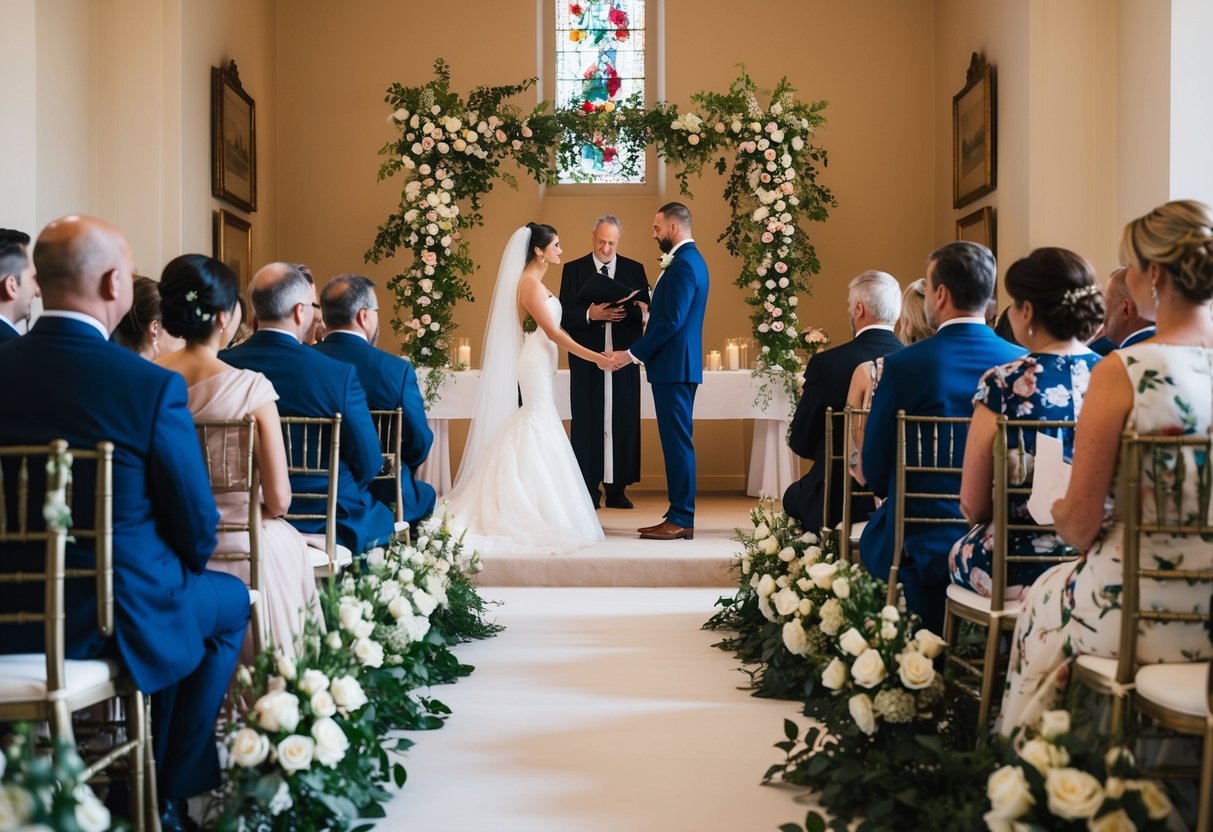
Creating an effective wedding day timeline helps you manage your time and ensures a smooth flow of events. This makes your special day less stressful and more enjoyable for you and your guests.
Morning Preparations and Photos
Your wedding day starts with early morning preparations. Factor in enough time for hair and makeup. This could take about 4-6 hours for you and your bridal party, depending on the number of people involved.
Schedule the photographer to arrive early. This way, you capture those beautiful detail shots, like the rings, dress, and venue setup. A great idea is to do a first look before the ceremony. It allows for intimate photos and eases any pre-ceremony jitters.
Don’t forget to set aside time for you to relax. Enjoy a light breakfast with your bridal party. This keeps your energy up, ensuring you look and feel your best.
Transition to Ceremony and Cocktail Hour
Your ceremony start time is crucial. Plan for about 30-60 minutes for the actual ceremony, plus a little extra for guest seating. After the ceremony, host a cocktail hour for approximately 1 hour while you take family photos. This gives guests time to mingle and enjoy refreshments.
Think about how you’ll cue the transition from ceremony to cocktail hour. You might want to have announcements or music. Consider incorporating fun games or activities during the cocktail hour to keep guests entertained.
Make sure to coordinate with your wedding planner or venue staff so everything flows seamlessly.
Evening Festivities and Reception
As the evening approaches, your timeline should include specifics for your reception events. Start with a grand entrance to greet your guests. This sets the tone for the celebration ahead.
Next, schedule your first dance. Choose a song that means something special to you both. Following the first dance, plan for speeches and toasts. This keeps the celebration engaging.
Don’t forget the cake cutting. Schedule this about midway through the reception to keep the excitement going. This moment serves as a great photo opportunity and brings everyone together once more.
Plan for the evening to wind down with dancing and celebration, allowing everyone to enjoy the night. A well-structured timeline makes for a joyful and memorable wedding day.
Photography and Natural Light Considerations
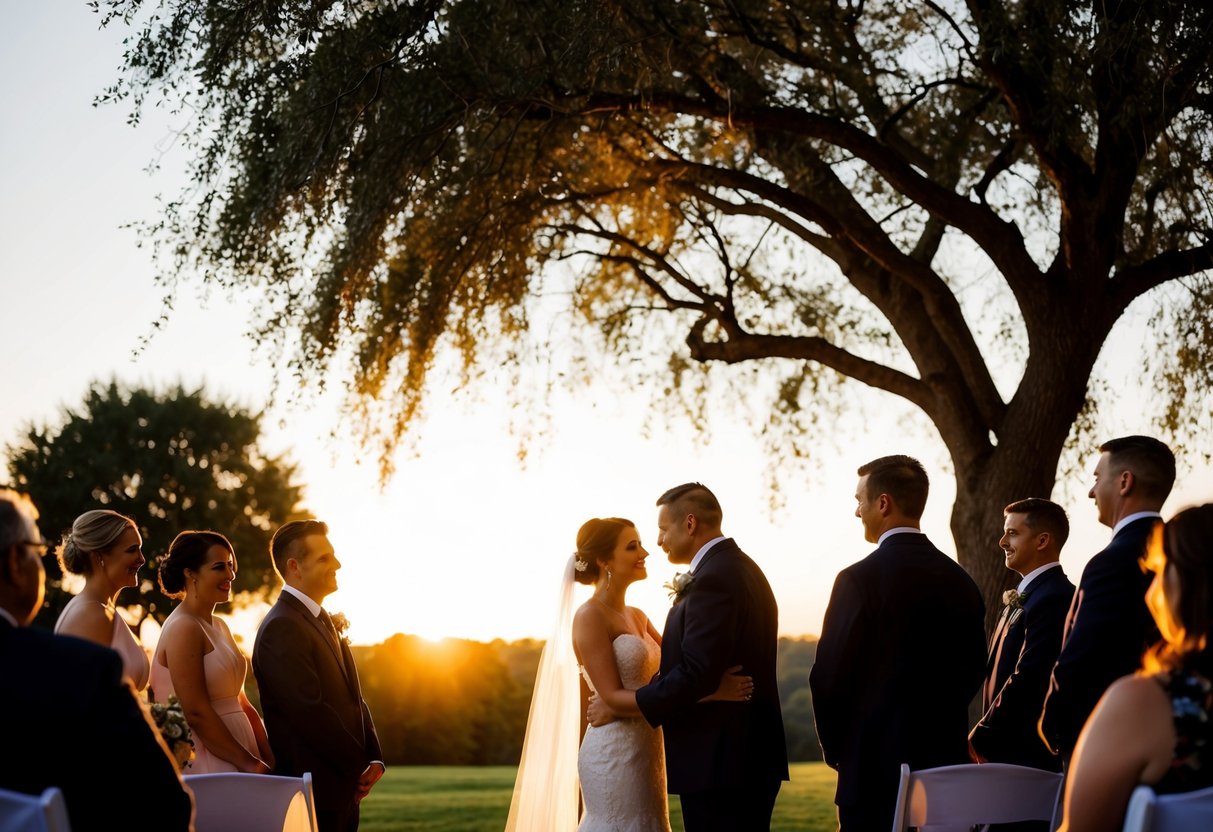
Lighting plays a major role in how your wedding photos turn out. Choosing the right time for your ceremony can enhance family photos, bridal party portraits, and special moments like sunset shots.
Scheduling Photos with Optimal Lighting
To get the best results, plan your wedding during times when natural light is most flattering. The Golden Hour, which occurs shortly after sunrise or before sunset, offers soft, warm lighting. This is ideal for beautiful bridal party photos or romantic couple shots.
If your ceremony is in the afternoon, try to start it around 5 PM to 6 PM. This timing allows for golden hour magic right after the ceremony. It also gives you more opportunities for stunning family photos as the light begins to soften.
Avoid scheduling your ceremony too close to midday (10 AM to 3 PM) when glare can cause harsh shadows and washed-out colors. By prioritizing timing, you improve the quality of your images significantly.
Outdoor Wedding Photography Tips
When planning an outdoor wedding, consider the venue’s surroundings. Take a moment to scout out the best spots for photos. Look for areas with natural shade to provide relief from bright sunlight. This will keep you and your guests comfortable.
For stunning sunset photos, factor in the sunset time on your wedding day. A picturesque backdrop can elevate your images. If possible, schedule a few minutes to step away with your partner during sunset for unforgettable moments.
Communicate with your photographer about the timeline. Sharing your vision will help ensure all key moments, like family photos and bridal party shots, happen at the right time with the best lighting.
Logistics and Guest Comfort
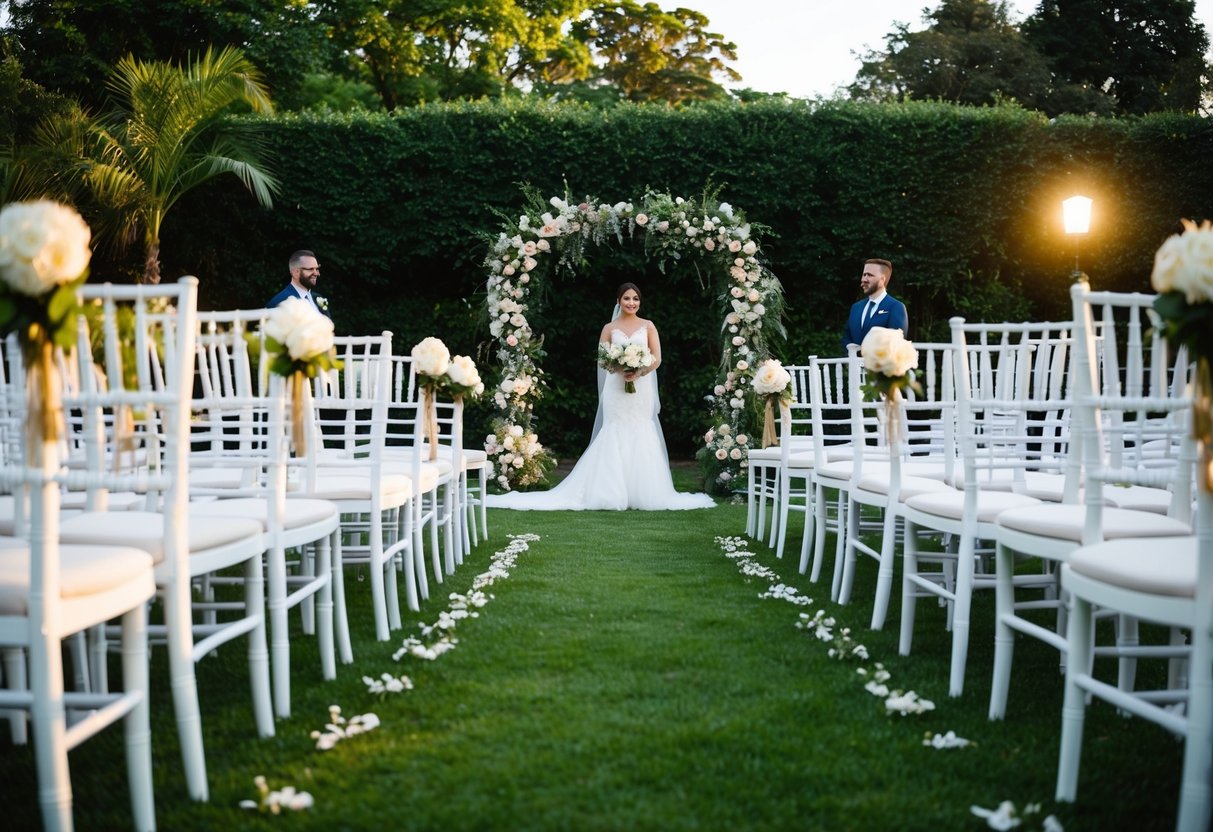
Planning your wedding involves various details that contribute to your guests’ comfort and the smooth running of the event. You’ll need to consider how timing and venue choice impact logistics and the overall experience for everyone involved, including your family and bridal party.
Venue Accessibility and Timing
Selecting a venue that is easily accessible for your guests is key. Consider factors like parking availability and proximity to public transportation. If you’re planning a secular ceremony, ensure your end time allows guests to travel back home safely, especially if they have work the next day.
The start time of your ceremony can also affect accessibility. Common ceremony times are late afternoon or early evening. For example, couples might choose a 5 p.m. or 6:30 p.m. start to accommodate guests’ schedules.
Make sure to include clear information about venue logistics on your wedding invitations. Providing these details helps ensure everyone arrives on time and knows what to expect.
Family and Bridal Party Coordination
Coordination among the wedding party is crucial for a smooth ceremony. Talk with your family and bridal party about their roles in the event. Make sure they know when to arrive and what to expect, so there are no last-minute surprises.
Consider scheduling family portraits before the ceremony or cocktail hour. This allows everyone to relax and enjoy the festivities.
If you plan to have a large bridal party, share a timeline to help everyone stay organized.
Your wedding planner can help manage these details. They can create a timeline that allows for efficient transitions between events, making sure your special day flows seamlessly. A well-coordinated approach keeps stress levels low and guest comfort high.