
What Is a Normal Time for a Wedding? Understanding Timing for Your Big Day
Choosing the right time for your wedding is a big decision that can set the mood for your special day. Typically, a wedding ceremony falls between 2 p.m. and 5 p.m. for afternoon events, and 5 p.m. to 7 p.m. for evening celebrations. These windows allow for plenty of planning flexibility and help accommodate your guests’ schedules.
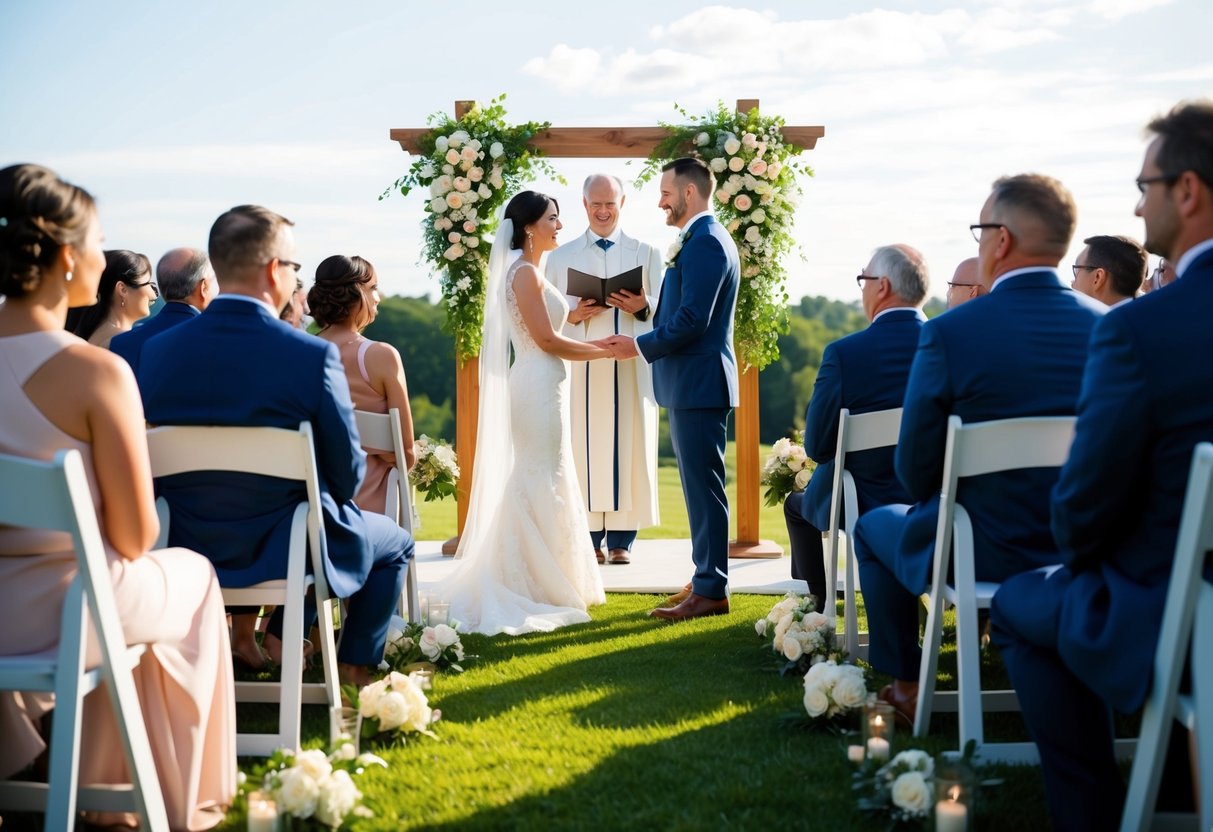
Understanding what works best for your event can also depend on various factors like the season and location. For example, many couples lean toward afternoon ceremonies during spring and summer, while fall weddings might start a bit later to enjoy the beautiful autumn light.
As you navigate your wedding plans, knowing these common timeframes can help you create a joyful and memorable experience for you and your guests. With the right timing, you can set the perfect backdrop for all the love and celebration that will unfold.
Determining the Ideal Wedding Timeline
Creating the perfect wedding timeline involves careful planning. You need to think about various factors that will influence your ceremony start time, seasonal changes, and how to create a smooth schedule for your wedding day.
Factors Influencing Ceremony Start Time
Your ceremony start time can depend on several important factors. First, consider your venue’s available time slots, which may dictate when your ceremony can begin.
Also, think about the size of your wedding party. A smaller group might mean quicker transitions, while larger parties may require more time.
Finally, consult with your wedding planner. They can help anticipate potential delays and suggest realistic timelines.
It’s essential to consider the type of ceremony too. For instance, if you want certain lighting for professional photos, that can impact your start time. Aim for a balance between practicality and your vision for the day.
Seasonal Considerations
The season your wedding takes place in will affect your timeline. For instance, summer weddings might enjoy longer daylight hours, allowing for a later ceremony start.
If you’re having a winter wedding, be mindful of shorter days. An early ceremony could help you maximize available light for your photos.
You also need to think about the weather. Summer might offer a warm evening glow, but rain can impact outdoor plans. If your wedding is near the start of daylight savings time, adjust your schedule accordingly.
Planning around sunset can give you stunning photos. Aim for your ceremony to end 30 minutes to an hour before sunset for that golden hour glow.
Creating Your Wedding Day Schedule
Designing your wedding day timeline is crucial. Start with the ceremony time and work backward. Include key events like hair and makeup, the ceremony, and reception.
Allow time for a cocktail hour after the ceremony. This gives you a moment to take photos while guests enjoy drinks. It can also help with timing the reception around food service.
Break down your day into blocks. Here’s a simple example:
- 10:00 a.m.: Hair and makeup
- 1:00 p.m.: Photography starts
- 3:30 p.m.: Guests arrive
- 4:00 p.m.: Ceremony begins
- 5:00 p.m.: Cocktail hour
- 6:00 p.m.: Reception starts
Adjust as needed to fit in with your unique plans. Flexibility is key, but having a solid timeline helps keep everything on track.
Orchestrating the Ceremony
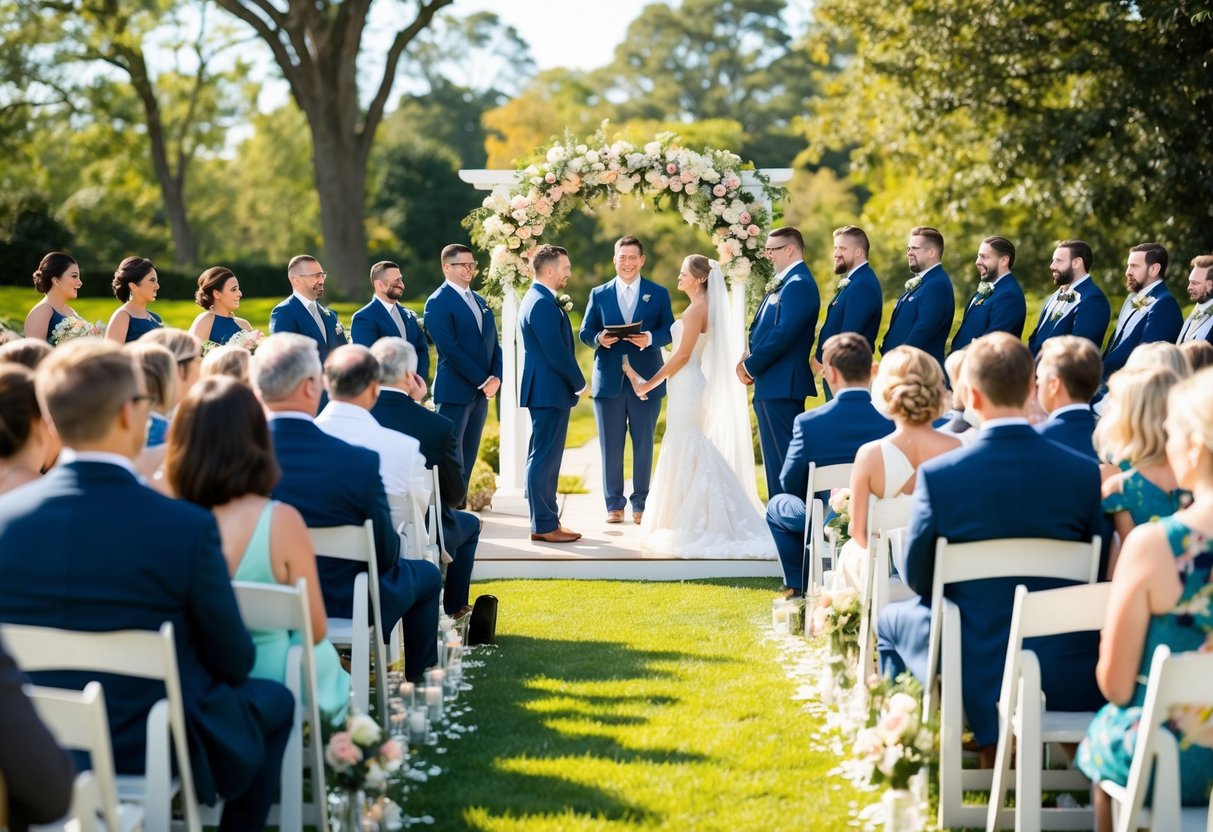
Planning your wedding ceremony involves key elements that will help ensure everything runs smoothly. You’ll want to think about the roles of your wedding party and how to effectively capture your precious moments.
The Role of the Wedding Party
Your wedding party plays a vital role in the ceremony. This group typically includes the best man, bridesmaids, and groomsmen. They are there to support you throughout the day and help things flow.
Assign specific duties to each member. For example, the best man can help with rings, while bridesmaids can assist you with your dress.
Their presence not only adds joy but also symbolizes the support you have from loved ones. Make sure they know their roles before the ceremony begins so everyone feels confident and prepared.
Photography and Portraits
Capturing moments during your ceremony is essential. A good photographer will know when to snap pictures of key moments, like the first look and family portraits.
Plan a timeline that includes time for bridal portraits and family photos. This ensures you get everyone together without rushing.
Consider the lighting for your photos, especially if your ceremony starts later in the day. Natural light can enhance your pictures, particularly for outdoor events.
Discuss these details with your photographer ahead of time to make sure nothing is missed. This preparation will help you enjoy the day without worrying about capturing those special moments.
Celebrating at the Reception
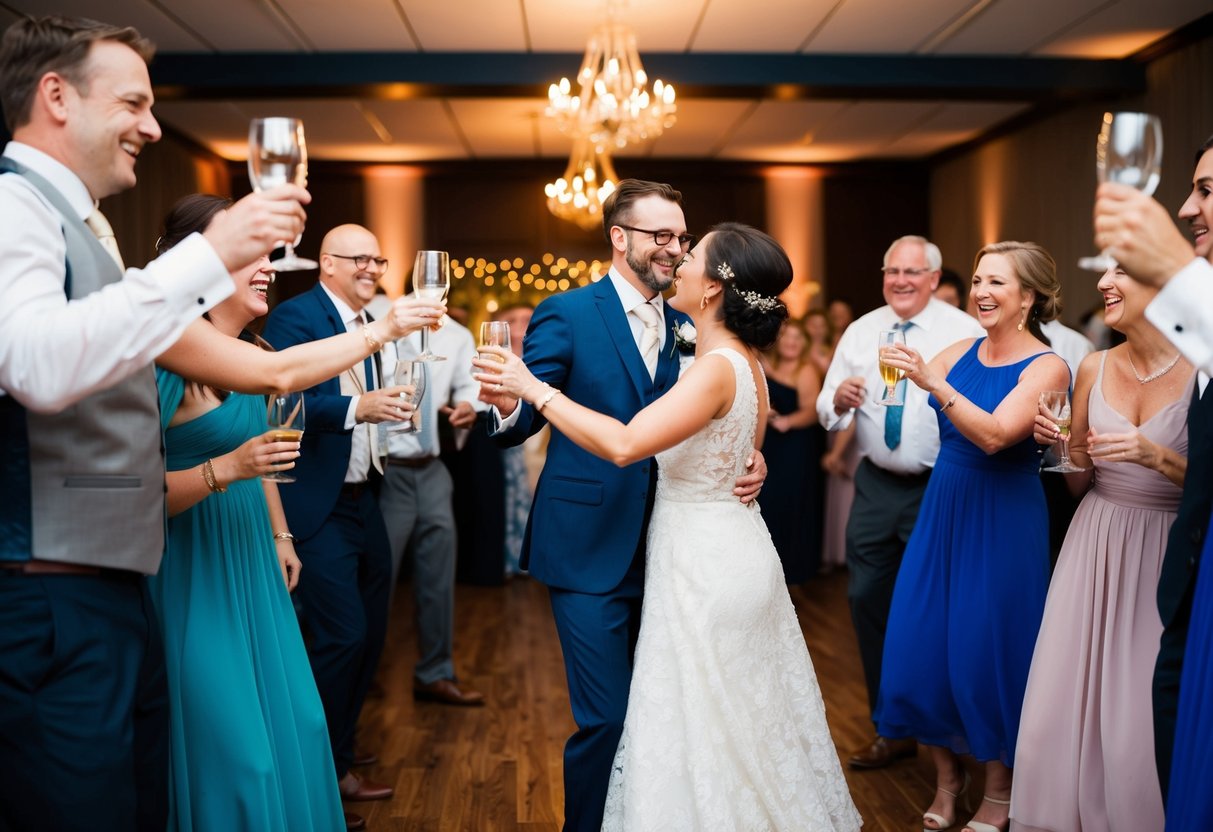
After the ceremony, the reception is the time for you and your guests to celebrate and enjoy the festivities. This is where the party truly begins, filled with food, music, and many memorable moments.
Key Reception Events
A wedding reception typically starts with a grand entrance. You and your partner will be introduced, setting the tone for the evening. This moment often leads right into the cocktail hour, giving guests time to mingle and enjoy drinks and appetizers.
Next, you may choose to have a first dance. This special moment highlights your relationship before inviting everyone else to join in. Other significant events include parent dances and cake cutting. These events create beautiful memories that are cherished for years.
Don’t forget about fun activities like the garter toss to keep the energy lively. These key moments help to create a timeline that ensures smooth transitions and an enjoyable experience for everyone.
Dining and Entertainment
The food served is a crucial part of your reception. You can choose between a buffet or a plated meal, depending on your style and guests’ preferences. Many couples opt for a variety of dishes to please different tastes.
Dessert is another highlight of the dining experience. The wedding cake is often showcased during the reception, especially during the cake-cutting ceremony. This moment is perfect for photos, so be ready to smile!
As the night goes on, the dance floor opens up. Music sets the mood for fun, allowing you and your guests to let loose. Hiring a band or DJ can keep the energy high.
Make sure to plan your wedding reception timeline to balance dining, dancing, and other activities, ensuring everyone has a great time.