
What Is a Reasonable Amount to Spend on a Wedding Dress? Finding Your Perfect Budget
When planning your big day, one of the most important decisions you’ll make is about your wedding dress. You might wonder, the reasonable amount to spend on a wedding dress typically falls between $1,500 and $2,500. This range can help guide you as you consider your overall wedding budget and prioritize your spending.
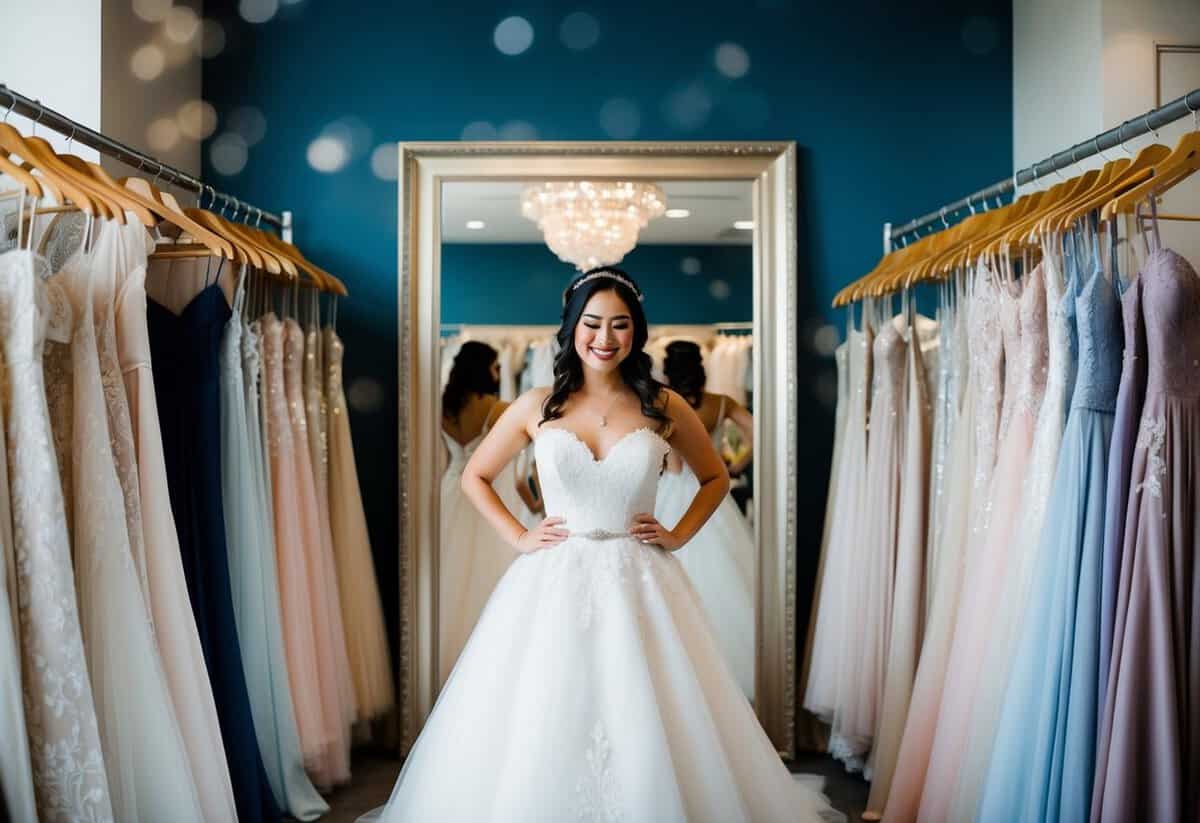
Finding the perfect dress doesn’t mean you have to break the bank. Many options exist that fit different budgets, from affordable choices around $200 to stunning designer pieces that can exceed $10,000. It’s essential to align your dress expenses with your overall wedding budget, which allows you to enjoy this special purchase while keeping your finances in check.
Your wedding dress is a reflection of your style and personality, so invest in something that makes you feel amazing. Whether you choose a timeless gown or something trendy, you’ll want to love the look you pick for your unforgettable day.
Understanding Wedding Dress Budgets

When planning your wedding dress budget, there are several important factors to consider. These include the dress style, designer, and various potential hidden costs. It’s essential to have a clear idea of what you want and how much you can spend.
Factors Influencing Wedding Dress Costs
The cost of a wedding dress can vary widely based on multiple factors. Designer dresses often come with a higher price tag. Popular designers can charge anywhere from $2,000 to over $10,000.
The style of the dress also matters. For instance, intricate bridal gowns with detailed beading or lace usually cost more than simpler designs.
Bridal boutiques may offer a range of prices, but you can often find affordable wedding dresses at department stores or online retailers.
Another option is to check out sample sales, where you can buy dresses that have been tried on but are still in excellent condition at a lower price. Don’t forget about hidden costs, like alterations, which can add $300 or more to your total.
Setting Your Personal Wedding Dress Budget
To set your personal wedding dress budget, start by determining your overall wedding budget. Divide the total amount and decide what percentage you want to allocate for your dress.
A good rule is to spend about 10-15% of your total budget on your gown.
Next, research typical prices to help you understand the average wedding dress cost in your area.
When exploring secondhand wedding dresses, you can often save significantly. Websites or local marketplaces can be great resources.
As you create your budget, think about what features are most important to you, like fabric quality or unique design elements. This will help guide your choices and keep you within your budget.
Selecting the Perfect Wedding Dress
Finding your ideal wedding dress is both exciting and important. You need to think about styles, designers, and where to shop to make the best choice.
Exploring Different Wedding Dress Styles
When choosing a wedding dress, style is everything. Think about what fits your vision and wedding theme. Popular styles include:
- A-Line: Flattering on all body types, this dress has a fitted top and flows down.
- Mermaid: This hugs your body and flares at the knee, great for showing off curves.
- Ball Gown: A classic, luxurious look with a fitted bodice and full skirt.
Don’t forget about accessories! Consider how veils, jewelry, and embellishments will complement your dress. Each style can offer a different vibe, so take your time to explore and find what feels right for you.
Choosing the Right Designer or Brand
Selecting the right designer can impact your overall experience. Research designers known for your style preference. Some popular names include:
- Pronovias: Offers elegant and timeless designs.
- Monique Lhuillier: Known for romantic and feminine touches.
- Vera Wang: A classic choice for modern brides.
Look for designers who offer customization. This way, you can tailor a dress to suit your preferences. Consider your budget too. Many brands have ranges that can fit various price points, so you can find something perfect without overspending.
Shopping Experiences: Bridal Salons vs. Online Retailers
Where you shop can also influence your dress selection. Bridal salons provide a personal touch. You can try on dresses, get expert advice, and see how each design looks on you. Many salons also offer fitting services to ensure your dress perfectly suits your shape.
On the other hand, online retailers can offer a wider variety and often better prices. Sites like ASOS and David’s Bridal have extensive collections. Just make sure to check their return policies.
Whether you choose a salon or online shopping, make sure to consider what feels right for you. Always fit your choice within your budget to avoid any surprises.
Additional Costs Beyond the Dress
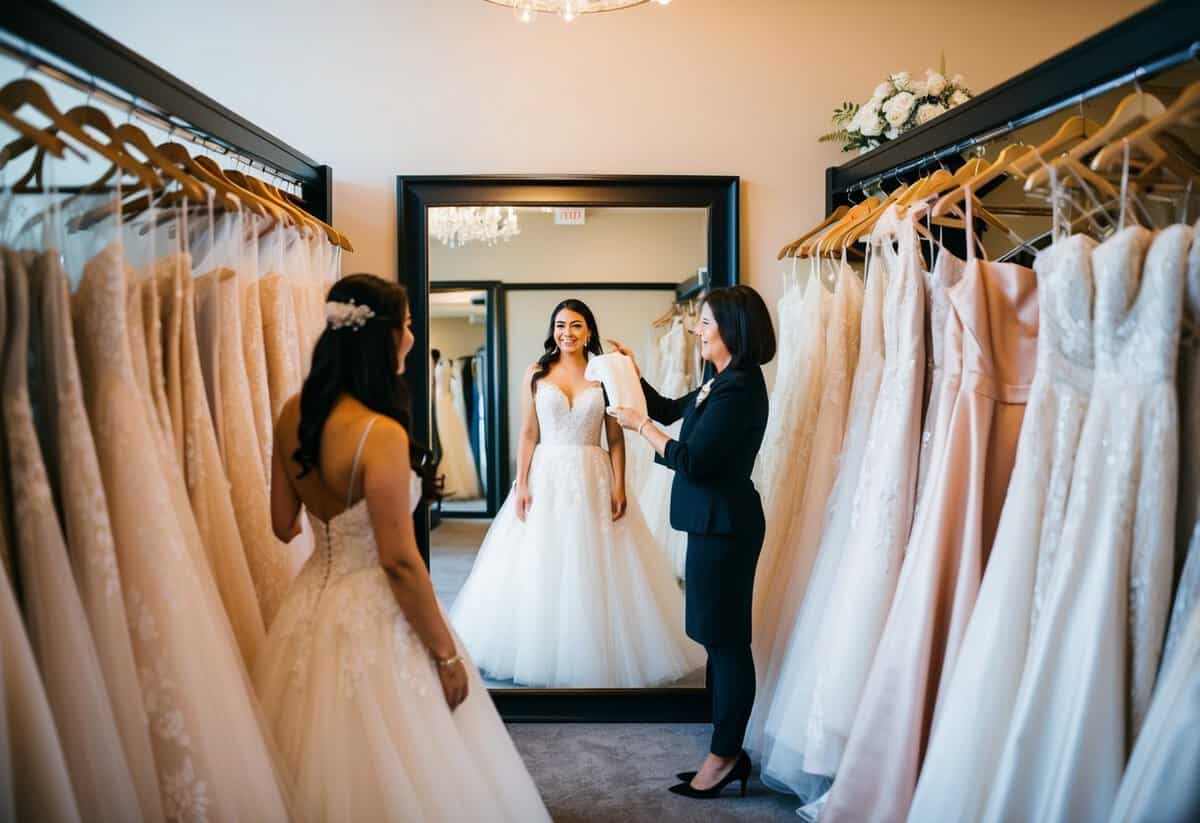
When planning for your wedding dress, it’s important to remember that the price of the gown itself is just one part of the total cost. Alterations and accessories can add significantly to your budget. Understanding these additional expenses can help you plan more effectively for your special day.
The Importance of Alterations
Most wedding dresses require some level of alterations for the perfect fit. Alterations can include adjusting the hem, taking in or letting out seams, and adding or removing straps. On average, the cost of wedding dress alterations ranges from $200 to $600 depending on the complexity of the changes.
It’s essential to factor in this cost when budgeting for your gown. You want to feel confident and comfortable on your big day, and fitting adjustments are crucial to achieving that look. Don’t forget to schedule a few fittings in advance to ensure everything fits just right closer to your wedding date.
Accessorizing Your Wedding Day Look
Accessories can enhance your wedding dress and complete your overall look. You might consider adding shoes, jewelry, a veil, or a bouquet. Each of these items adds to the final cost of your wedding outfit.
For example, elegant shoes can range from $50 to $300 or more, depending on the style and brand. Jewelry can add another $100 to $500. A veil typically costs between $50 and $300. Taking time to shop around for accessories that fit your budget while enhancing your style is key to looking your best.
Alternative Options for Wedding Dresses
When looking for a wedding dress, there are many budget-friendly alternatives that can still provide you with the dress of your dreams. Exploring options like secondhand dresses, trunk shows, and custom designs can help you save money while achieving a beautiful look.
Buying Secondhand and Vintage
Consider shopping for secondhand wedding dresses or vintage options. Many brides sell their dresses after the wedding, often in great condition. You can find these dresses online through platforms or local consignment shops. Prices for secondhand dresses typically range from $200 to $1,500, providing a significant savings compared to buying new.
Vintage dresses also offer unique styles that can stand out on your special day. Plus, you may discover classic designs that are no longer available in stores. Just make sure to inspect the dress for any damages or required alterations.
Trunk Shows and Sample Sales
Trunk shows are special events where designers showcase their latest collections. Attending these events can give you access to exclusive designer wedding dresses at a reduced price. You can often find gowns that are out of season, which can save you hundreds of dollars.
Sample sales are another excellent option. Retailers sell off floor samples at steep discounts. Dresses at sample sales can be up to 50% off their retail price. Arriving early is key to finding the best selection. These events give you the chance to snag a stunning designer wedding dress without breaking the bank.
Opting for Custom or Non-Traditional Dresses
Choosing a custom wedding dress allows you to create a unique design catered to your style. Sometimes, local designers offer affordable customization. Look for emerging designers who may provide a lower price point to gain experience.
Another option is to explore non-traditional dresses. Many brides are choosing outfits that reflect their personalities, such as colored dresses or stylish jumpsuits. These options can often be found at lower prices than traditional wedding dresses while still looking sophisticated and chic.