
What is a Size 12 in Bridal? Understanding Bridal Sizing for Your Perfect Fit
Finding the perfect wedding dress can be a challenge, especially when it comes to understanding bridal sizes. A size 12 wedding dress typically corresponds to a size 14 in regular clothing.
Knowing this can help you navigate the confusing world of bridal sizing with more confidence.
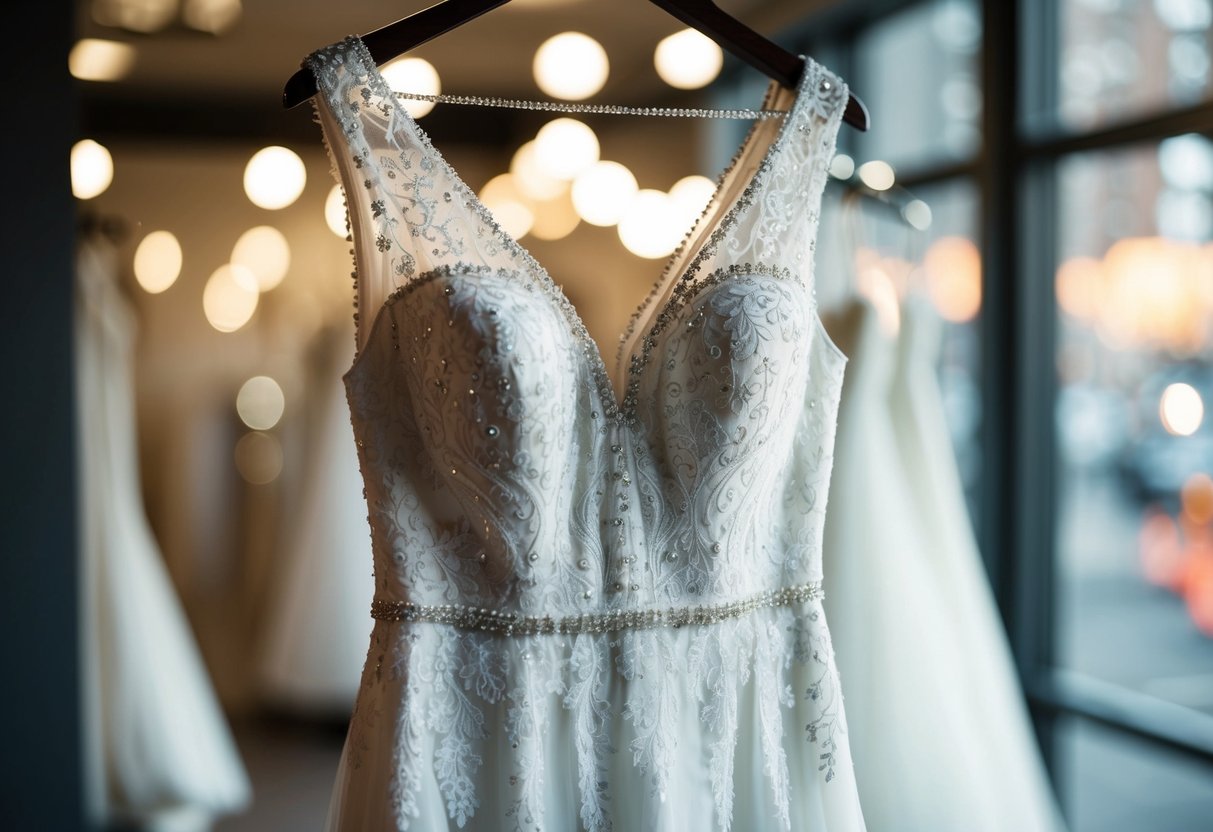
Bridal sizes often differ from everyday clothing sizes, which can lead to uncertainty when you’re shopping. Many designers have their own sizing charts, so it’s important to check those before making a purchase.
You will also discover that a size 12 dress may vary between designers, so always try on different gowns to see what fits best for you.
Remember, being a size 12 in bridal wear is common, and many designers offer beautiful options to fit your needs. Embrace your wedding dress shopping journey, and don’t hesitate to ask for help from bridal consultants who can guide you through different fits and styles.
Understanding Bridal Sizes
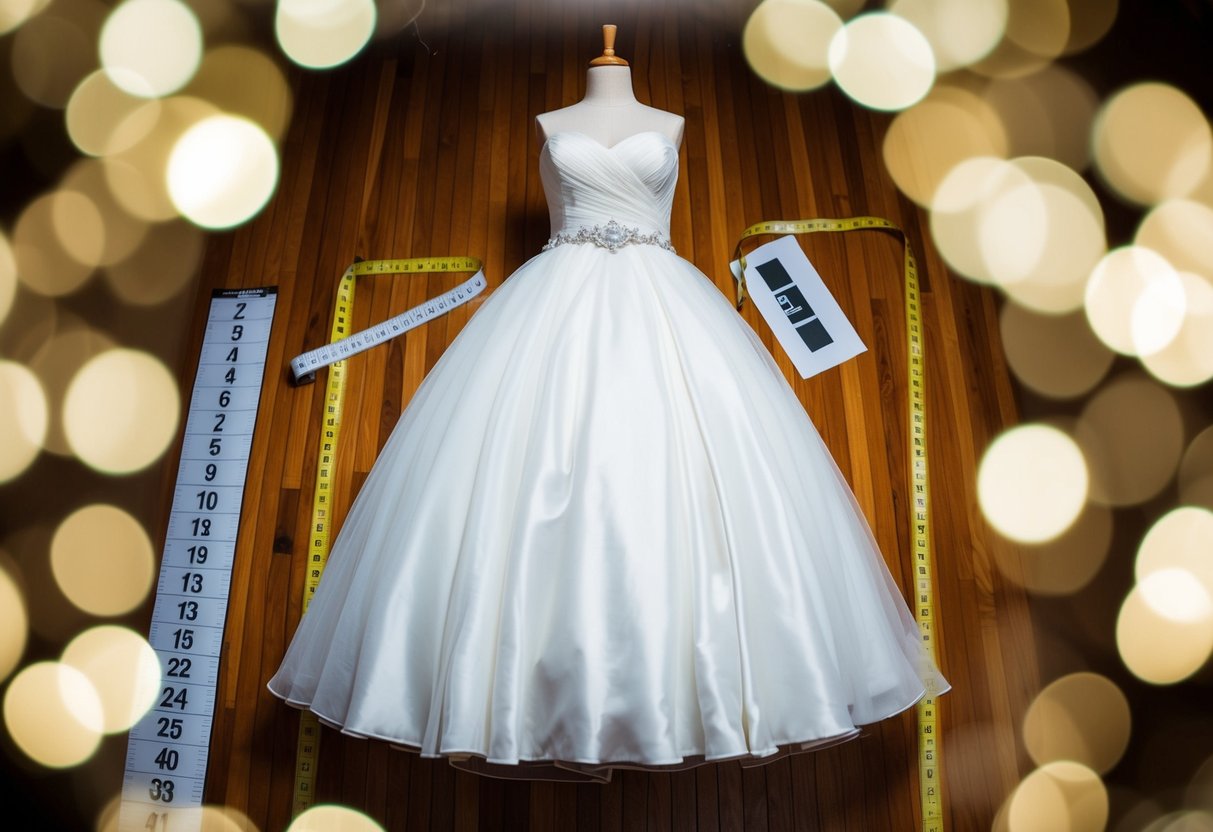
When shopping for a wedding dress, it’s important to know that bridal sizes can differ from regular clothing sizes. Many brides find that they need to go up one or two sizes compared to their everyday wear.
Bridal sizes typically use a different size chart. For example, if you usually wear a size 12 in regular clothing, you might need a size 18 in bridal. This variance occurs because bridal gowns are designed to fit differently.
To find your perfect fit, refer to a bridal size chart. This chart shows how bridal sizes convert to standard dress sizes. Here’s a simple breakdown:
- Size 6 Bridal = Size 2-4 Regular
- Size 8 Bridal = Size 4-6 Regular
- Size 10 Bridal = Size 6-8 Regular
- Size 12 Bridal = Size 8-10 Regular
- Size 14 Bridal = Size 10-12 Regular
If you fall into the range of plus sizes, many designers offer specific options. Plus-size wedding dresses are available, making it easier for you to find a gown that flatters your figure.
Finding the right fit matters, so always check the measurements. Designers have their standards, and trying on dresses can help ensure you feel beautiful on your special day. Remember, comfort is just as important as style!
The Importance of Accurate Measurements
Getting the right size for your bridal gown starts with accurate measurements. This ensures that the dress fits well and flatters your unique body shape.
Knowing how to measure correctly can save you time and help avoid alterations later.
How to Measure for a Bridal Gown
To measure for your bridal gown, you need to focus on three key areas: your bust, waist, and hips.
- Bust: Measure around the fullest part of your bust while wearing a well-fitting bra. This gives the most accurate measurement.
- Waist: Find your natural waist, which is the smallest part of your torso. Measure around this area.
- Hips: Measure the widest part of your hips, typically around 8 inches below your waist.
It’s important to stand straight and relaxed during these measurements. Consider your unique body shape when deciding on a size.
Different brands may have varying size charts, so always compare your measurements to the designer’s specific chart.
Tools for Measuring
The right tools will help you get accurate measurements. Here’s what you need:
- Measuring Tape: A flexible measuring tape is best for capturing your body contours.
- Pen and Paper: Write down your measurements for easy reference.
Make sure someone else is helping you take the measurements. This ensures the tape stays level and snug without being too tight.
Avoid using non-flexible tools like rulers, as they won’t provide an accurate fit. Always double-check your measurements and consider re-measuring if necessary to ensure the most precise sizing for your gown.
Navigating Dress Shopping and Appointments
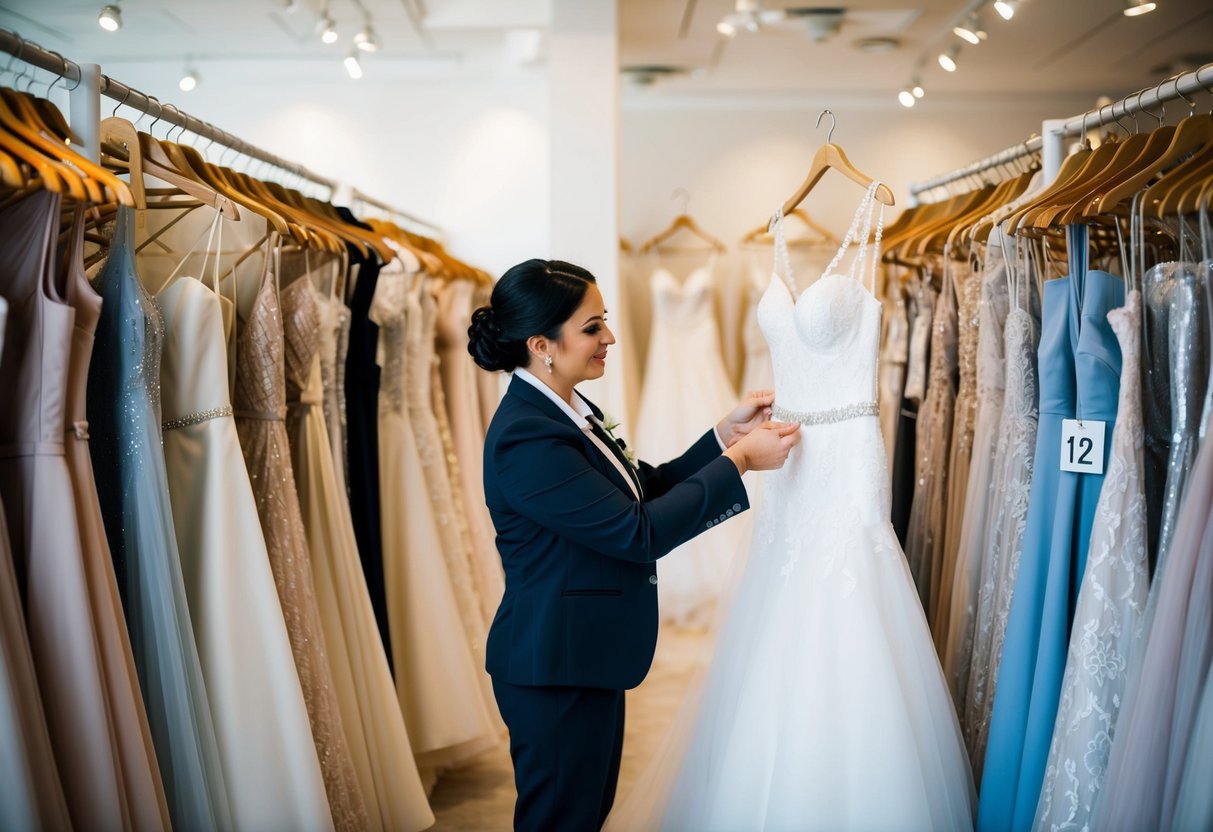
Shopping for your wedding dress can be both exciting and overwhelming. Knowing how to navigate the process will help you feel more confident and prepared.
Selecting the Right Bridal Shop
Finding the perfect bridal shop is crucial for a successful dress shopping experience. Start by researching local shops.
Look for ones that carry a variety of designers and styles. Check if they have sizes that fit your needs, including options for a size 12.
Read reviews about the shops to gauge the experiences of other brides. A shop with friendly staff and a good selection can make all the difference.
Once you have a list, call ahead to check the availability of dresses and set an appointment.
Some shops offer private appointments, which provide a more intimate shopping experience with a dedicated bridal stylist.
What to Expect During a Bridal Appointment
At your bridal appointment, be prepared to try on different styles and sizes.
A skilled bridal stylist will assist you in selecting dresses that match your vision. They will help you understand how sizing works, especially since bridal sizes often differ from regular sizes.
During the appointment, bring any items that might help you visualize your dress, like shoes or undergarments. Don’t hesitate to express your preferences and ask questions.
A typical appointment lasts about an hour, but this can vary. Be open to suggestions, as stylists may point out options you hadn’t considered.
Enjoy the experience! It’s a wonderful opportunity to explore your style and find the dress that makes you feel beautiful.
Customizing Your Dress for the Perfect Fit
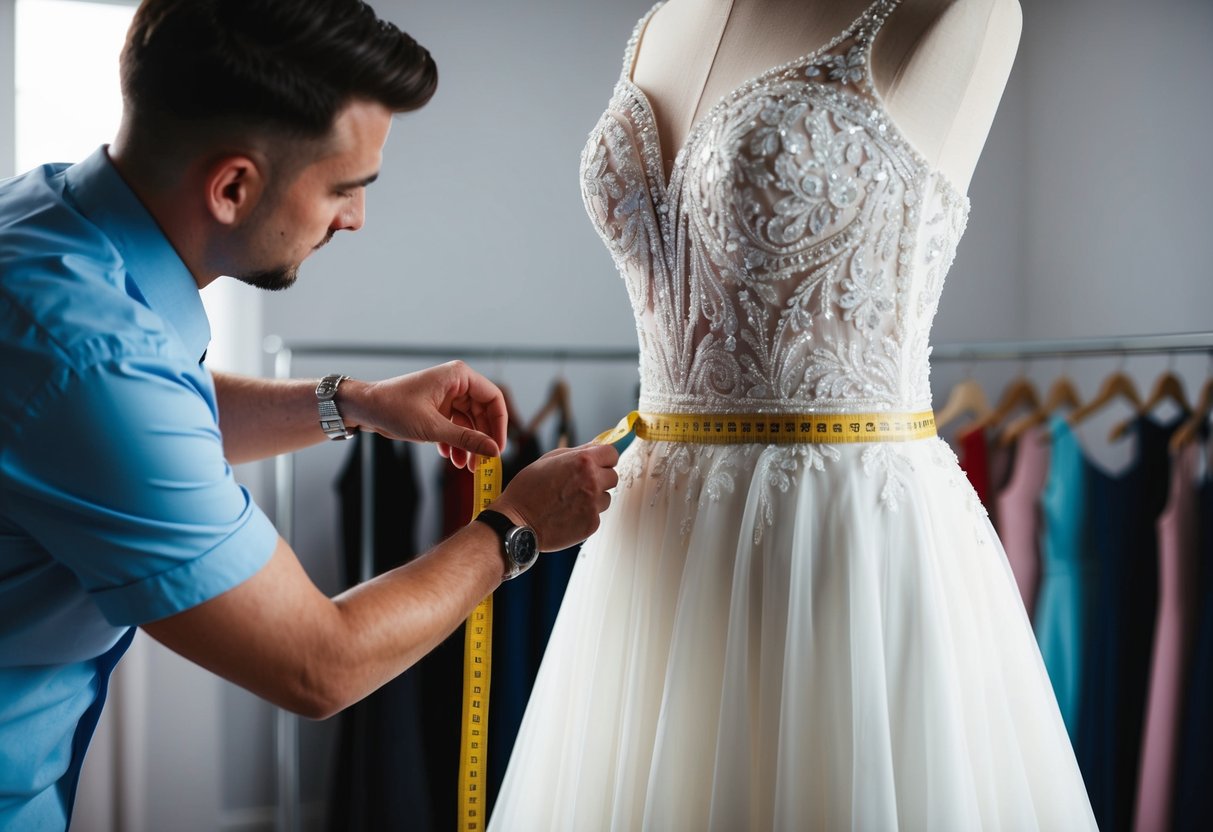
Getting the right fit for your wedding dress is essential. Customizing it will not only enhance your comfort but also improve your overall look on your special day.
Consider the various types of alterations, how to work with a tailor, and when to schedule fittings.
Types of Alterations
There are various alterations you can make to your wedding dress. Common adjustments include resizing the bust, waist, and hips.
If your gown has intricate detailing like beading, a tailor can help maintain those features while making adjustments.
Hemming is often needed for length. If you have a ball gown, you may want the hem to just graze the floor for an elegant look.
Additionally, you might consider changing sleeve styles or adding lace for that perfect touch.
Working with a Tailor
Finding the right tailor is key to achieving a perfect fit. Start by asking for recommendations from friends or bridal salons.
Look for someone experienced in wedding dress alterations, as they have the skills for delicate fabrics and custom designs.
When you meet with your tailor, bring your gown and the undergarments you plan to wear. This helps to see how the fabric falls and where adjustments are needed.
Be open to their suggestions; they’re experts and can guide you on what looks best.
Fittings Schedule
Scheduling fittings is crucial for achieving a flawless fit.
Plan for multiple fittings. You should typically do the first fitting four to six weeks before your wedding. At this fitting, you’ll try on the dress and discuss the necessary alterations.
Follow up with additional fittings as adjustments are made. It’s important to see how the dress looks after each change.
Make sure to wear your chosen undergarments and shoes to each fitting. This gives a clear idea of how the gown will look on your wedding day, making sure everything shines.