
What is a Small Budget for a Wedding UK? Tips for Celebrating Without Breaking the Bank
Planning a wedding on a small budget can feel overwhelming, especially with rising costs and the impact of the current cost of living crisis. In the UK, the average wedding cost can reach about £20,700, which may seem like a lot to many couples. A small budget for a wedding in the UK typically falls between £10,000 to £15,000.
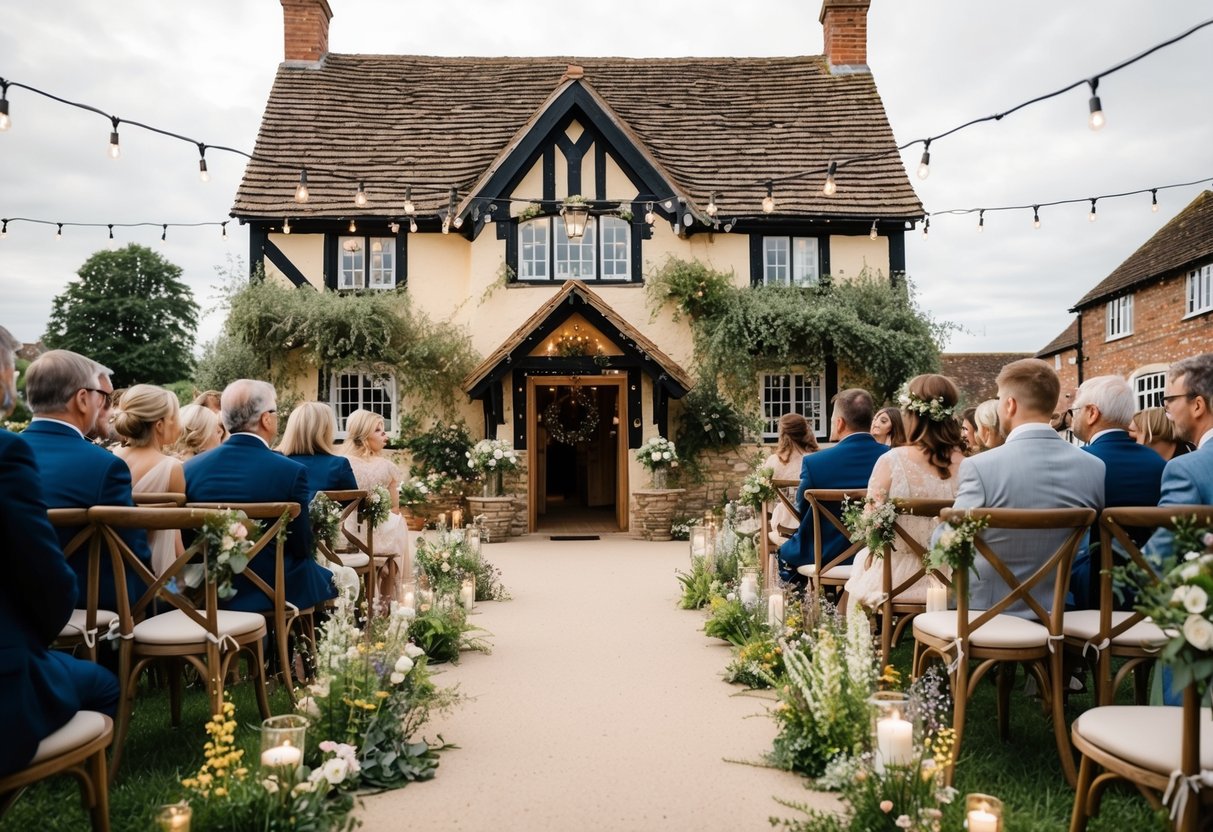
You might wonder how to make the most of your budget while still creating a memorable day. The key is to prioritize your spending and make smart choices that reflect your style and values. By focusing on what truly matters to you, you can cut unnecessary costs and still celebrate your love in a special way.
As you dive into planning your wedding, remember that a smaller budget doesn’t mean less joy. It can actually lead to more creative and personal celebrations. Keep reading to discover practical tips and ideas for making your small wedding budget work for you.
Understanding Wedding Budgets

When planning a wedding, knowing what a small budget looks like is essential. Different aspects of your wedding can significantly affect your total costs. Let’s dive into what makes a budget small and the factors that shape it.
What Constitutes a ‘Small’ Budget
In the UK, a small wedding budget typically ranges from £3,000 to £10,000. This amount can shift based on your choices and the size of your celebration.
A simple ceremony with close friends and family can help keep costs low.
Key Wedding Expenses:
- Venue: Look for affordable options like community halls or gardens.
- Catering: Consider a buffet or a potluck to save on food costs.
- Decorations: DIY decorations can reduce spending.
You can stick to your budget by using a wedding budget planner. This tool helps track your expenses and manage your money effectively.
Key Factors Influencing Your Budget
Several factors can impact how much you spend on your wedding. These include the number of guests, location, and type of vendors you choose.
- Guest List: A larger guest list increases costs for catering and venue space.
- Venue: Popular or unique venues can significantly raise expenses. Be sure to consider options that fit your budget.
- Hidden Costs: Don’t forget about extra fees like service charges, gratuities, or overtime for vendors. These can add up quickly.
Knowing these factors allows you to make informed decisions. This keeps your wedding costs manageable while still creating a memorable day.
Major Wedding Expenses
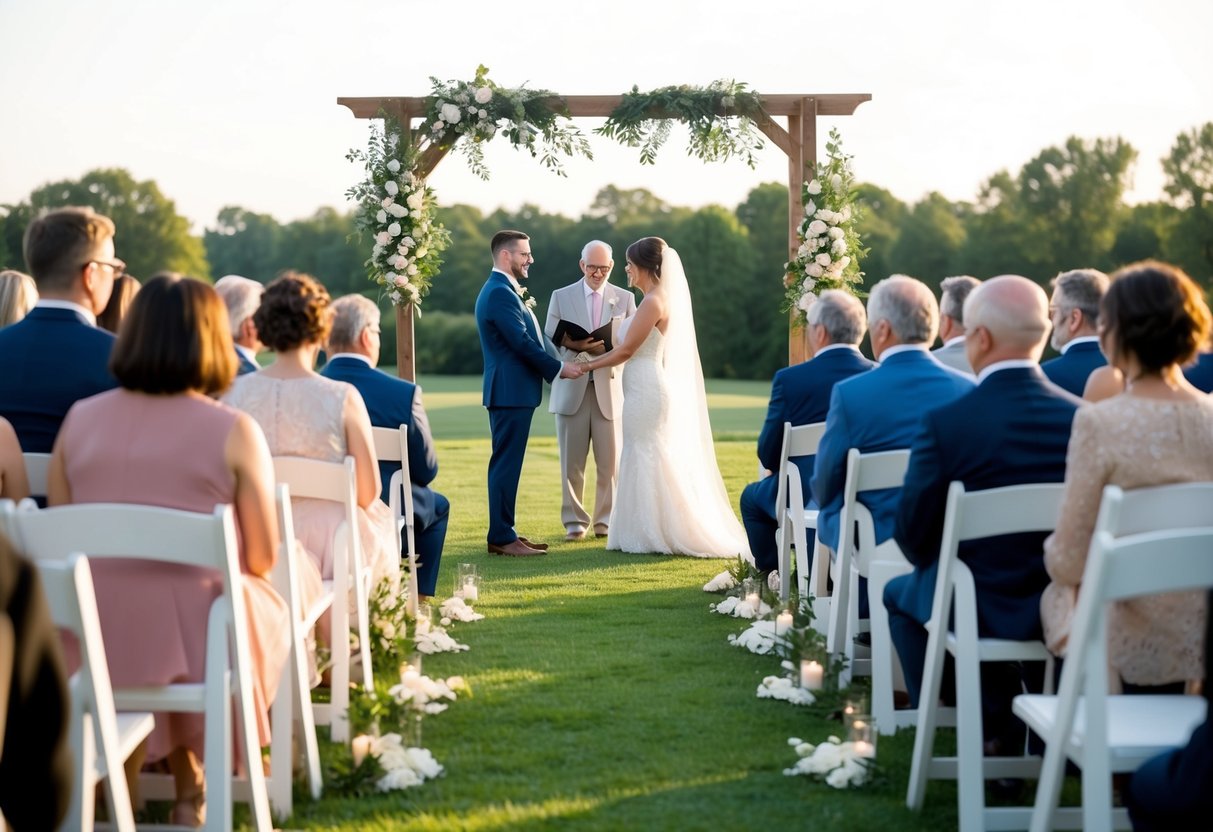
When planning a wedding on a small budget, knowing the main costs can help you prioritize your spending. Here are the significant expenses to consider for your special day.
Venue and Catering Costs
The venue is one of your largest expenses, often ranging from £1,000 to £5,000. This can vary depending on the location and size of the venue. Consider sites that offer flexibility, like community halls or outdoor spaces, to save money.
Catering costs can also add up quickly. On average, expect to spend about £30 to £100 per guest for food and drink. Popular options include buffets or family-style meals, which may be more budget-friendly than plated dinners. Don’t forget about wedding catering for special dietary needs; it’s important to accommodate guests with allergies or preferences.
Photography and Videography Fees
Capturing memories is vital. Hiring a wedding photographer typically costs between £800 and £2,000, depending on experience and package offerings. Look for photographers who provide a good mix of candid and posed shots.
For videography, expect to pay around £800 to £2,500. Some photographers offer combined packages that include both photography and videography at a discount. You could also consider hiring a less experienced photographer or asking a talented friend if they’d be willing to help out.
Dresses, Suits, and Attire
When it comes to attire, you’ll find a wide range of prices. A wedding dress can cost between £750 and £1,500. Consider shopping during sales or looking at second-hand options for more savings.
For suits, expect to spend around £200 to £600, depending on whether you’re buying or renting. Accessories like shoes, ties, and bridal jewelry can add to the budget, so factor these in too. Remember to budget for alterations, which can range from £50 to £200.
Florals and Decor
Flowers and decor are essential for setting the mood. Wedding flowers can cost anywhere from £500 to £2,000, depending on the type and quantity. Consider using seasonal flowers to save money.
For decor, costs can vary greatly. Simple decorations can start at around £300, while elaborate setups could easily reach £1,000 or more. DIY options or renting decor items can keep costs in check. Don’t forget about stationery, which includes invitations, table cards, and signage; these can range from £200 to £500.
By focusing on these major areas, you can effectively manage your wedding budget while making your day special.
Saving Strategies and Cost-cutting Tips

Planning a wedding on a small budget can feel overwhelming. With smart choices in invitations, food, and entertainment, you can save money without sacrificing the fun or flair you desire.
Invitations and Stationery
Start by considering digital invitations, which can save you both money and time. Websites like Canva offer free templates that allow you to create beautiful invites.
If you prefer printed invitations, keep your design simple to reduce costs. Bulk ordering can also help lower the price per unit.
Don’t forget to skip extras, like RSVP cards. Instead, opt for online RSVPs for an easy and cost-effective solution. For stationery, limit extras like menus and programs. Use a single-page format to keep printing costs down.
Food and Cake
Food can eat up a large chunk of your budget, so consider alternatives. Instead of a traditional sit-down meal, think about a buffet or even a potluck style gathering. This can foster a relaxed atmosphere and save money.
For the wedding cake, explore local bakeries for affordable options. Sometimes, smaller cakes with cutting cakes for serving can help save costs. You might even opt for a dessert table with various treats instead of just cake.
Catering rentals can also reduce costs. Look for packages that include everything you need, or rent items like tableware to save on buying new.
Entertainment and Extras
When it comes to entertainment, hiring a DJ can be expensive. Instead, consider creating your own playlist and using a speaker system. This can add a personal touch and save you hundreds.
If you prefer live music, look for local bands with reasonable fees or even talented friends who might be willing to perform.
As for wedding favours, consider making them yourself or choosing practical items like homemade cookies or plantable seeds. These can be meaningful and cost-effective while adding a personal touch to your celebration.
Finalizing Your Wedding Budget
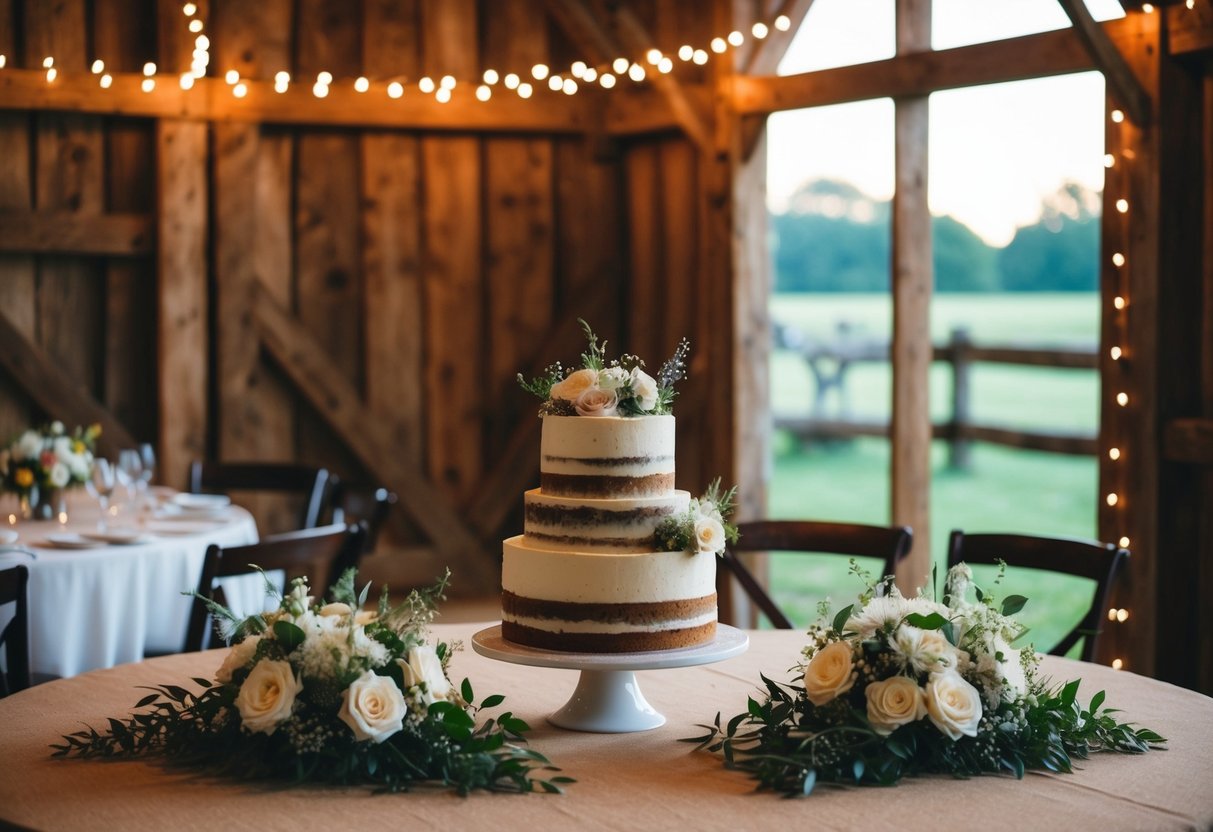
It’s important to carefully finalize your wedding budget to ensure you can have the celebration you want without breaking the bank. By allocating your funds wisely, adjusting your guest list, and preparing for unexpected costs, you can manage a small budget while still enjoying your special day.
Allocating Funds Wisely
Start by breaking down your wedding budget into key categories. Common areas you’ll spend on include venue rental, catering, attire, flowers, and decor. Use a wedding budget calculator to see how much you can allocate to each category.
For example:
- Venue: 40%
- Catering: 30%
- Attire: 10%
- Flowers and Decor: 10%
- Miscellaneous (Officiant fee, Church donation): 10%
Make adjustments based on your priorities. Are flowers more important than your dress? Shift funds accordingly. Always keep track using a simple wedding budget spreadsheet to make sure you stay on target.
Adjusting Your Guest List
Your guest list significantly impacts your costs. The more guests, the more you spend on food, drinks, and venue space. Consider starting with a larger list and then narrowing it down based on your budget.
Here are some strategies to refine your list:
- Set a cap: Decide on a maximum number of guests.
- Prioritize: Focus on inviting those who are closest to you.
- Consider alternatives: A smaller guest list may allow for a nicer venue or caterer.
For a smaller budget, aim for around 50 to 100 guests to keep expenses in check. It’s okay to hold an intimate celebration that feels more personal.
Preparing for Unexpected Costs
Weddings often come with surprise expenses. Setting aside a contingency fund can save you from stress later. Aim for around 10-15% of your overall budget for unforeseen costs.
Think about common surprises, such as:
- Additional officiant fees
- Unexpected guest counts
- Last-minute decor expenses
You can manage these by discussing potential extras with your UK wedding suppliers upfront. Ensure every vendor provides a detailed estimate, including any possible additional charges. This way, you’ll feel more prepared and relaxed as your wedding day approaches.