
What is a Standard Deposit for a Wedding? Essential Insights for Couples
When planning your wedding, it’s essential to understand the costs involved. A key part of your budget will be the wedding deposit. Vendors often require it to secure their services. The standard deposit for a wedding typically ranges from 10% to
Understanding Wedding Deposits
Wedding deposits are crucial for securing your venue and services. They can vary in type and amount, depending on several factors. Knowing these details helps you plan better and avoid surprises.
Importance of Deposits in Wedding Planning
Deposits hold significant value during wedding planning. They serve as a commitment between you and the vendor. This financial pledge shows that you are serious about booking their service or venue.
Many vendors require deposits to keep your date reserved. Without a deposit, there is a risk that someone else could book the same date. This is especially true for popular venues.
Typically, deposits range from 10% to 50% of the total cost. Understanding the deposit terms is essential. Some deposits are refundable, meaning you can get your money back if plans change. Others may be non-refundable, so you could lose that money if you cancel. Be sure to clarify each vendor’s deposit policy before signing contracts.
Types of Deposits
There are two main types of wedding deposits: refundable and non-refundable.
Refundable deposits allow you the option to get your money back within certain conditions. For example, if you cancel within a specified time frame, you may receive a full refund of your wedding venue deposit.
Non-refundable deposits secure your reservation but do not offer a refund if plans change. Many vendors use this type to protect themselves from last-minute cancellations.
Make sure you discuss the terms with your vendor. They can vary significantly not only by venue type but also by location. Knowing what to expect can make your planning much smoother.
Calculating Your Wedding Budget

Creating a wedding budget can feel overwhelming. It’s important to know how to allocate your funds wisely while keeping an eye on hidden costs that can sneak up on you.
Allocating Funds for Venue and Vendors
Start by deciding how much you want to spend on your wedding. A good rule of thumb is to allocate about 40-50% of your budget to the venue. This includes the rental fee, catering, and basic decorations.
Next, consider costs for vendors like photographers, florists, and DJs. They can take up another 20-30% of your budget. Make a list of all the vendors you need and research their average prices in your area. This gives you a clearer picture of where your money will go.
Create a spreadsheet or use a budget calculator to track your expenses. It’s vital to leave some funds aside for deposits, which typically range from 10-25% of the total cost. This will help you stay organized and ensure you don’t overspend.
Hidden Costs to Consider
When budgeting for your wedding, don’t forget about hidden costs that can add up quickly. For example, taxes and gratuities on services can be easily overlooked. Always ask vendors about these fees upfront.
Other expenses include wedding attire alterations, invitations, and postage. These often fall under the radar but can impact your overall wedding costs. Extra charges for rentals, setup, or clean-up by the venue should also be factored in.
Consider how much you expect to receive from guests. The average wedding gift is around $100, which can help offset some expenses. Make sure to think about these hidden costs to ensure your budget remains intact.
Choosing the Right Venue

When selecting your wedding venue, it’s important to consider both the type of venue and how your wedding date impacts your choices. Different venues have varying deposit requirements, and the time of year can affect availability and pricing.
Comparing Venue Types and Deposits
Different types of wedding venues come with different price ranges for deposits. For example, urban venues may require a higher deposit due to demand and popularity. You can expect to pay around 25% to 50% of the total cost as a deposit.
Destination venues also have unique pricing. Their deposits can range from $500 to $10,000 based on location and what they offer. Always inquire about specific deposit requirements before making a decision.
Keep in mind that smaller, more intimate venues may require smaller deposits. It’s useful to compare several options to find the best fit within your budget.
Impact of Wedding Date on Venue Choice
The date you choose for your wedding can heavily influence your venue options. If you plan to get married during the peak wedding season—typically late spring to early fall—you may face higher demand and prices.
In peak times, venue deposits might be at their highest. Booking early is key to securing your desired spot.
Alternatively, choosing an off-peak date may give you more flexibility with venue selection and lower deposit costs. Pay attention to any seasonal offerings that may benefit your budget.
Knowing your ideal date helps create a clearer picture of available venues and associated fees.
Finalizing Your Decision
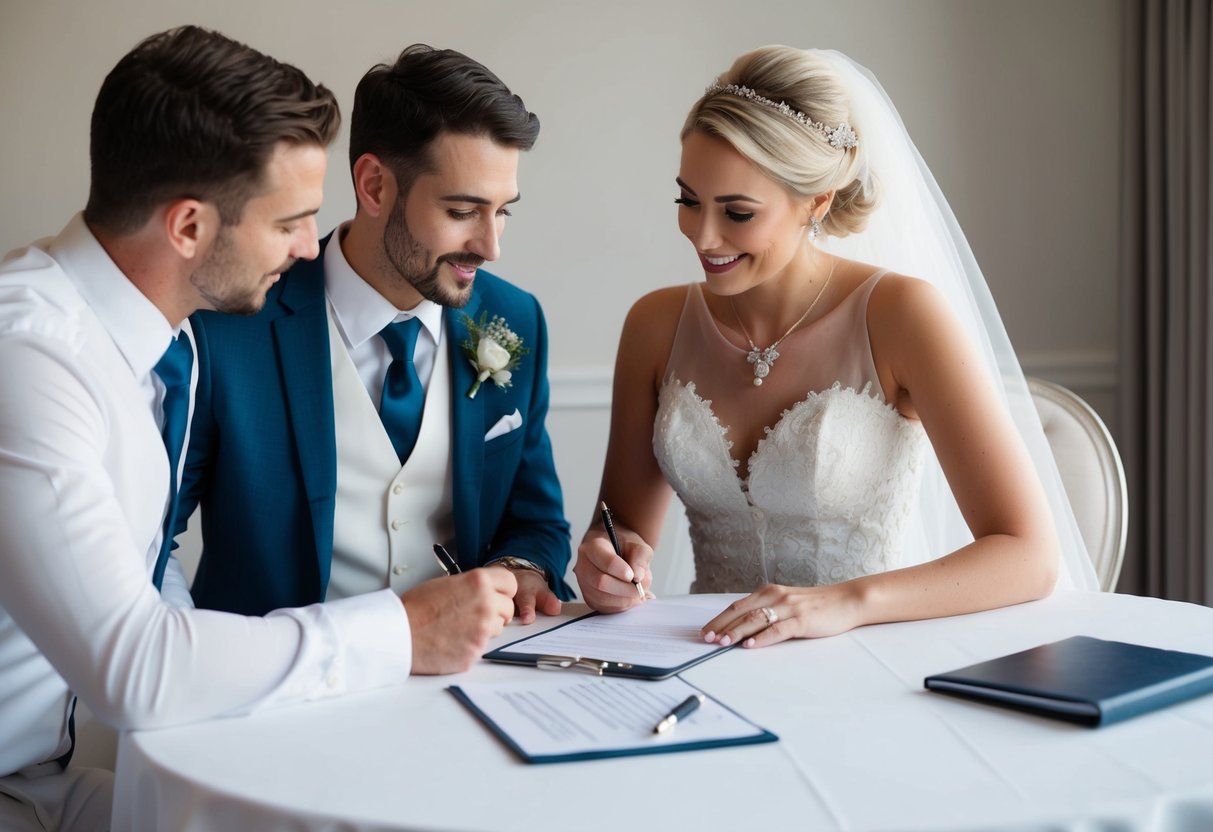
As you prepare to finalize your wedding plans, it’s crucial to closely examine your contracts and consider your financial situation. This will help you make informed choices that align with your vision and budget.
Reviewing Contracts and Insurance Options
Before signing any agreement, you should thoroughly review your wedding contracts. This includes the wedding venue contract and any vendor agreements. Pay special attention to the deposit amounts and cancellation policies. Make sure you understand your responsibilities as a client.
Don’t hesitate to ask questions if anything is unclear. This ensures you have a good client experience throughout the planning process.
Additionally, consider purchasing wedding insurance. It can cover unexpected events, such as vendor cancellations or venue issues. This can provide peace of mind as you approach your big day.
Considering Long-Term Wedding Finances
Managing your wedding finances is key to a worry-free experience.
Start by creating a detailed budget that includes all costs, like deposits, venues, and the engagement party.
Make sure to include a cushion for unexpected expenses. You may encounter additional costs as you finalize plans.
Set aside funds for every aspect of your wedding, from your engagement ring to the reception. This foresight will help you avoid any financial surprises later on.
Ensure that your deposit aligns with your budget and doesn’t jeopardize your long-term financial health.