
What is a Top 3 in Planner? A Simple Guide to Prioritizing Your Tasks
If you’ve ever felt overwhelmed by your to-do list, the “Top 3” method in planning could be your new best friend. This approach encourages you to identify the three most important tasks you want to accomplish each day. By focusing on just a few key actions, you can boost your productivity and make your day feel more manageable.
Using a planner, you can jot down these top three tasks each morning or evening. This simple act can help direct your focus and ensure that you are making progress on what truly matters. As you complete these tasks, you’ll likely notice a sense of accomplishment that fuels your motivation for the rest of the day.
Incorporating the “Top 3” method into your planning routine helps clear mental clutter and keeps you aligned with your goals. Whether you’re managing work projects or personal errands, this technique can transform how you approach your day.
Understanding the ‘Top 3’ Concept in Planning
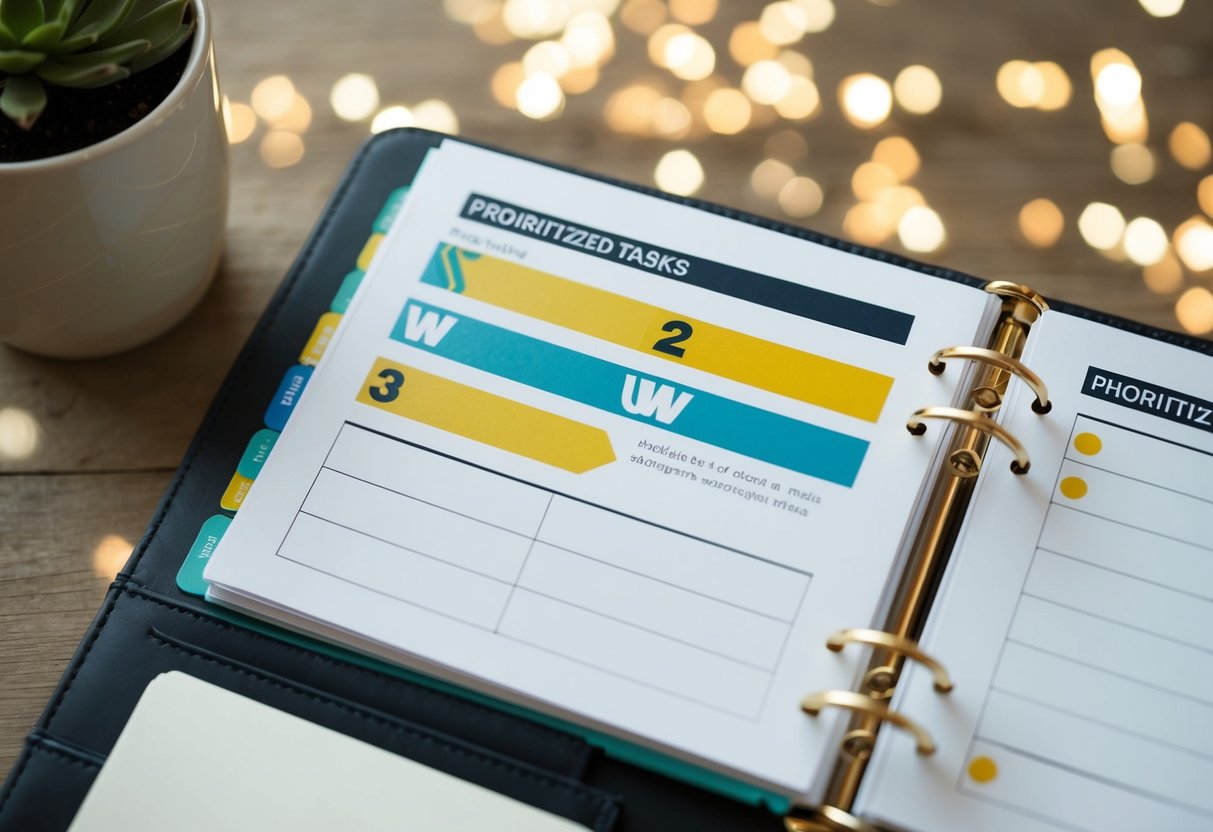
Embracing the ‘Top 3’ concept in planning helps you focus on what truly matters. By identifying your three most important tasks for the day, you can enhance your productivity and time management.
Defining the ‘Top 3’
The ‘Top 3’ method is a simple yet effective way to outline your daily goals. Each day, you choose three key priorities that you need to accomplish. These tasks should be important and impactful to keep your momentum going.
To define your ‘Top 3’, start by listing all your tasks. Then, evaluate which ones align with your goals or deadlines. This helps you prioritize effectively. For instance, if a task has a tight deadline or significant consequences, it’s likely a ‘Top 3’ contender.
Benefits of Identifying Top Priorities
Identifying your ‘Top 3’ offers several benefits. First, it streamlines your focus, reducing overwhelm. Instead of juggling many tasks, you hone in on what is essential.
Additionally, this approach improves your time management. Completing your three most critical tasks can give you a sense of achievement. You’ll find that this boosts your motivation for the rest of the day.
Lastly, regularly applying the ‘Top 3’ method helps build a habit of prioritization. Over time, you’ll get better at recognizing what tasks are truly important, enhancing your overall productivity. It’s a practical tool for anyone looking to work smarter, not harder.
Integrating the ‘Top 3’ into Daily Planning
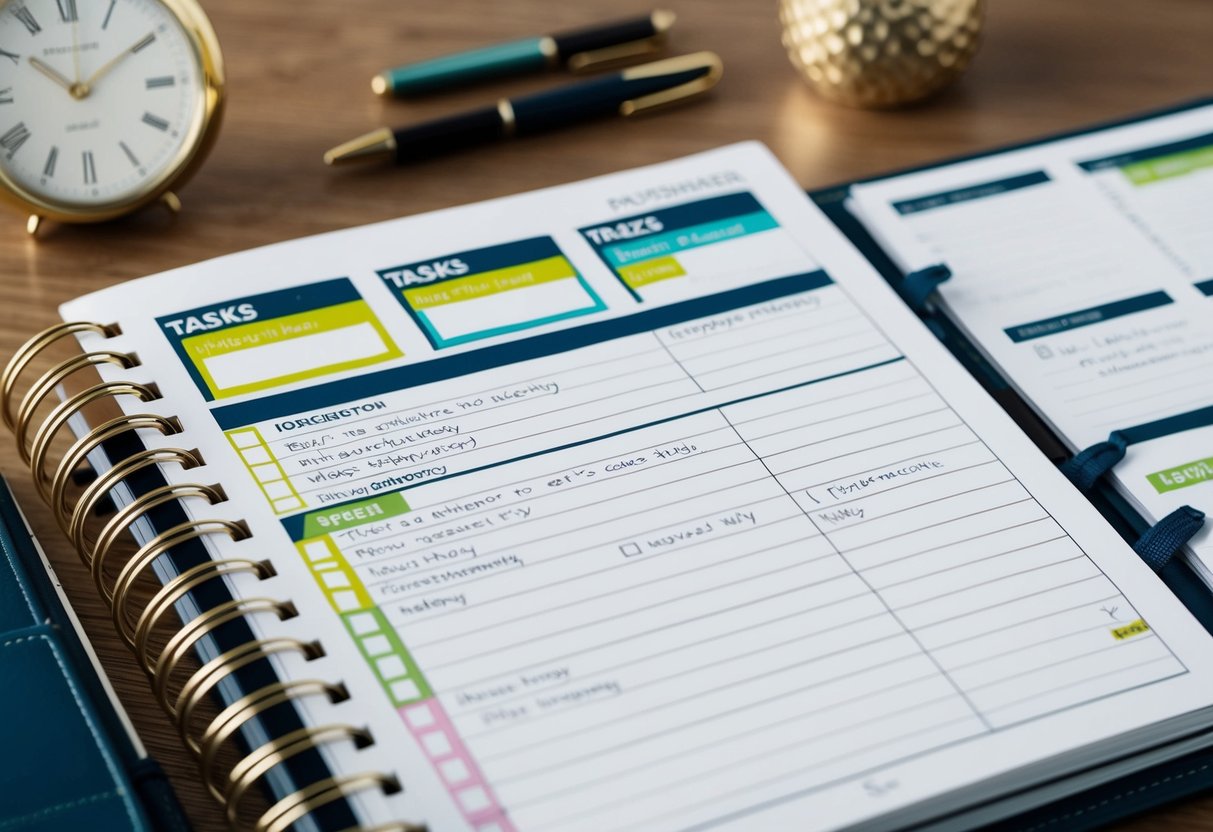
Successfully integrating the ‘Top 3’ into your daily planning can boost your productivity. It helps you focus on what truly matters while keeping your tasks organized. This method allows you to manage daily tasks effectively and stay organized throughout your day.
Crafting Your Daily Layout
Start by setting up your daily planner layout. You can use a physical planner or a digital one—whichever works best for you.
Divide your page into sections.
- Top 3 Tasks: Dedicate a space at the top for your three most critical tasks.
- Daily Tasks: Below that, list all other tasks you need to tackle.
- Time Blocks: Use time blocking to schedule when you’ll work on each task.
Be sure to write everything down. This visual approach helps you see your priorities clearly, making it easier to stay focused.
Organize Your Day with ‘Top 3’
Once you have your layout, it’s time to organize your day using the ‘Top 3’ method. Start by identifying the three tasks that will have the most impact on your goals.
These tasks should be specific and achievable.
For example:
- Complete a project report
- Respond to important emails
- Exercise for 30 minutes
After identifying your Top 3, fill in the rest of your daily tasks. This keeps you organized and ensures that your main focuses stand out.
Balancing Daily Tasks and ‘Top 3’
While the ‘Top 3’ helps prioritize main tasks, balance is key. You still need to manage daily tasks effectively.
Break daily tasks into manageable steps. Consider using a checklist format for other items.
- Call the client
- Prepare for a meeting
- Organize your workspace
This way, you ensure no task is too overwhelming. As you complete your Top 3, check off other daily tasks too. It creates a sense of accomplishment and keeps you motivated.
Remember, being organized means you can handle both your priorities and everyday activities. This balance brings clarity to your day.
Expanding Beyond Daily Planning
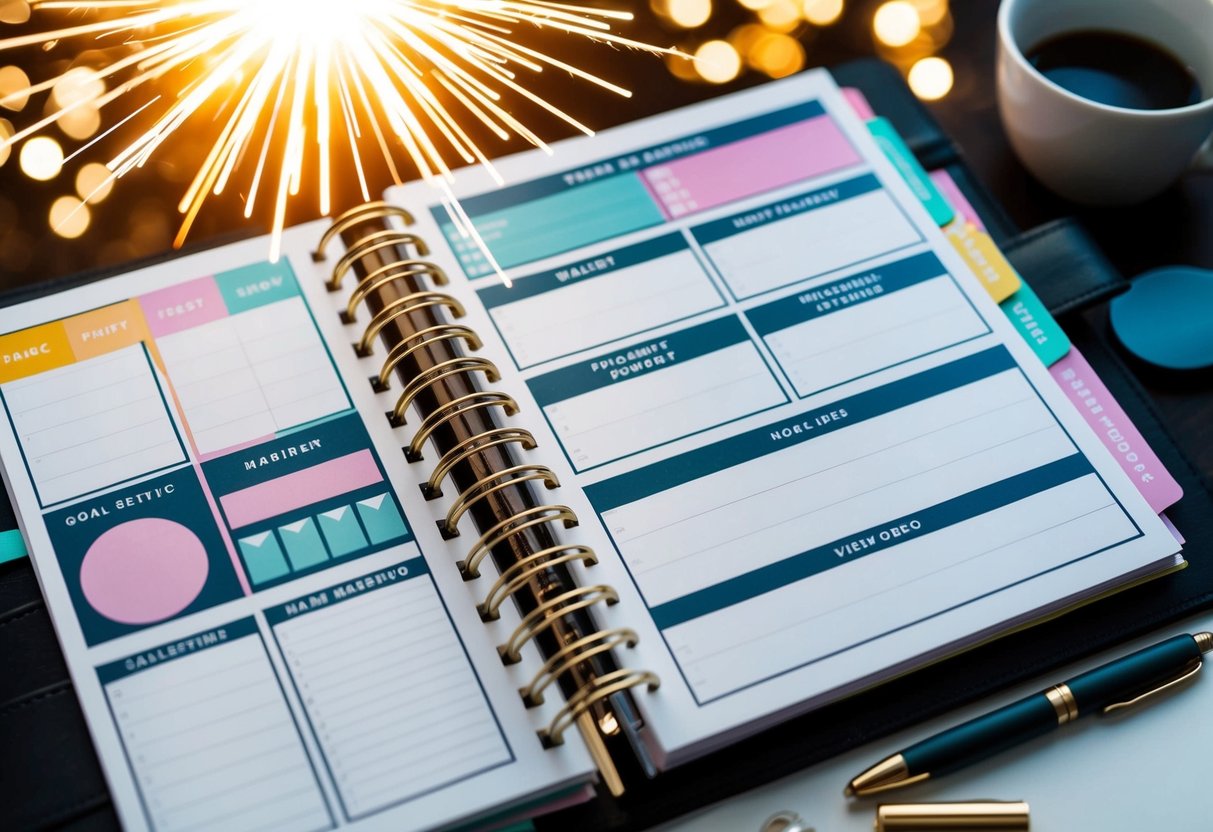
Expanding your planning strategy beyond daily tasks can help you align your activities with your broader goals. By integrating weekly and monthly lists, you can stay organized and focused on what truly matters, ensuring your daily efforts contribute to your larger mission.
Weekly and Monthly ‘Top 3’ Lists
Creating weekly and monthly ‘Top 3’ lists is a fantastic way to break down larger goals into manageable tasks. At the start of each week, choose three key tasks that align with your priorities. This keeps you focused and helps you avoid feeling overwhelmed by a long to-do list.
For monthly planning, look at bigger projects or goals you want to achieve. Write down three major objectives for the month. This can help you allocate time and resources effectively. Track your progress to stay motivated and make adjustments as needed. This practice ensures you’re continually moving forward.
Connecting ‘Top 3’ to Yearly Goals
To maximize your effectiveness, connect your daily and weekly ‘Top 3’ lists to your yearly goals. Start by identifying your major goals for the year. Break these down into actionable steps that can fit into your weekly and daily plans.
Each week, examine how your selected tasks contribute to these larger goals. This connection allows you to prioritize better and ensures your daily actions align with your mission. Regularly reviewing your progress helps maintain focus and fosters a deeper commitment to your objectives.
Using a Vision Board for Clarity
A vision board can be an inspiring tool to clarify your goals and aspirations. By creating a visual representation of your dreams, you can stay motivated and focused on what you want to achieve. Include images, quotes, and reminders of your yearly goals on this board.
Position your vision board in a place where you’ll see it daily. This reminder helps you connect your ‘Top 3’ tasks with your broader aspirations. Visualizing your mission can increase your commitment and clarity, making it easier to determine what needs to go on your daily planner.
Organizing Your Planner Effectively
Having a well-organized planner can boost your productivity and help you meet deadlines. By using planners and inserts effectively, you can categorize your tasks and maintain motivation. Here are some key strategies to consider.
Planner Inserts and Their Uses
Planner inserts are tools that enhance the functionality of your planner. You can find various types, including daily, weekly, and monthly inserts. Each serves a unique purpose.
Daily Inserts help you plan your day hour by hour. They are perfect for detailed task lists. Weekly Inserts give you a broad view of the week ahead. With this layout, you can see overlapping deadlines. Monthly Inserts offer a higher-level perspective for long-term planning.
Using inserts tailored to your needs makes it easier to track progress on ongoing projects and monitor achievements.
Categorizing Tasks and Responsibilities
Categorizing your tasks can simplify your planning process. Start by creating sections in your planner for different areas of your life.
You might have categories like Work, Personal, and Health. Under each category, list specific tasks. Use colors or symbols for added clarity.
For example, you can use a habit tracker to monitor daily goals or habits you want to build. Consider breaking big tasks into smaller, actionable steps. This helps you stay focused and makes completing tasks feel less overwhelming.
Maintaining Motivation and Focus
Staying motivated can be challenging, but your planner can help you keep your eyes on the prize.
Start by setting clear goals to work toward. Write down your top three priorities for the week and ensure they are visible.
Adding motivational quotes or reminders can also boost your spirits.
You might even want to dedicate a page for celebrating completed tasks. Reflecting on your progress reinforces a sense of accomplishment.
By including these elements, you’ll create an organized environment that inspires you to continue progressing toward your goals.