
What is a Wedding Layout? A Guide to Designing Your Perfect Ceremony and Reception
Planning a wedding can feel overwhelming, but understanding the layout is a powerful step toward creating a special day. A wedding layout refers to the arrangement and design of the reception space, ensuring a smooth flow for guests and staff alike. It plays a vital role in how your family and friends experience the celebration.
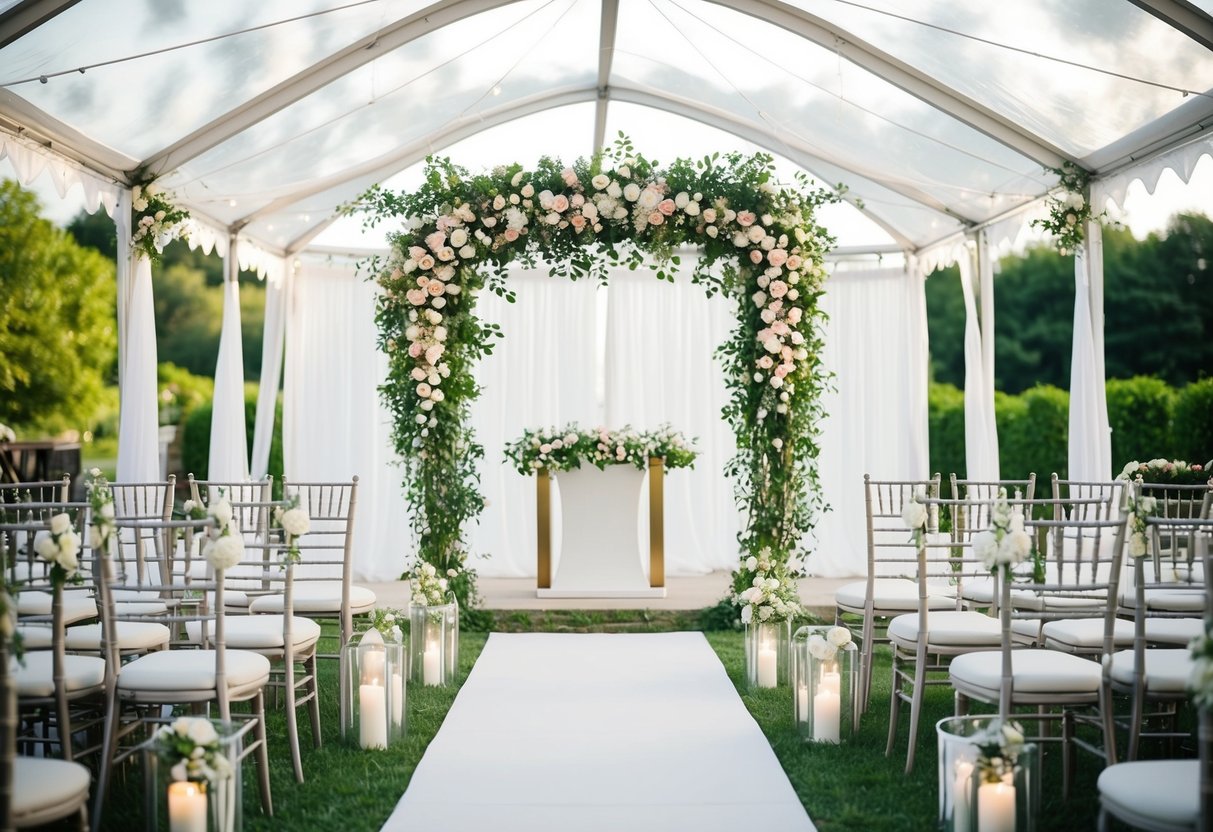
When you think about your wedding layout, consider how your guests will move around the venue. Will they have enough space between tables to mingle comfortably? Thinking ahead about these details can significantly enhance the guest experience.
Plus, a well-planned layout helps with everything from seating arrangements to where you place the dance floor.
With the right design, you can create an environment that encourages interaction and enjoyment. Whether you envision an intimate gathering or a grand celebration, a smart wedding layout is crucial to making your vision come to life.
Understanding Wedding Layouts
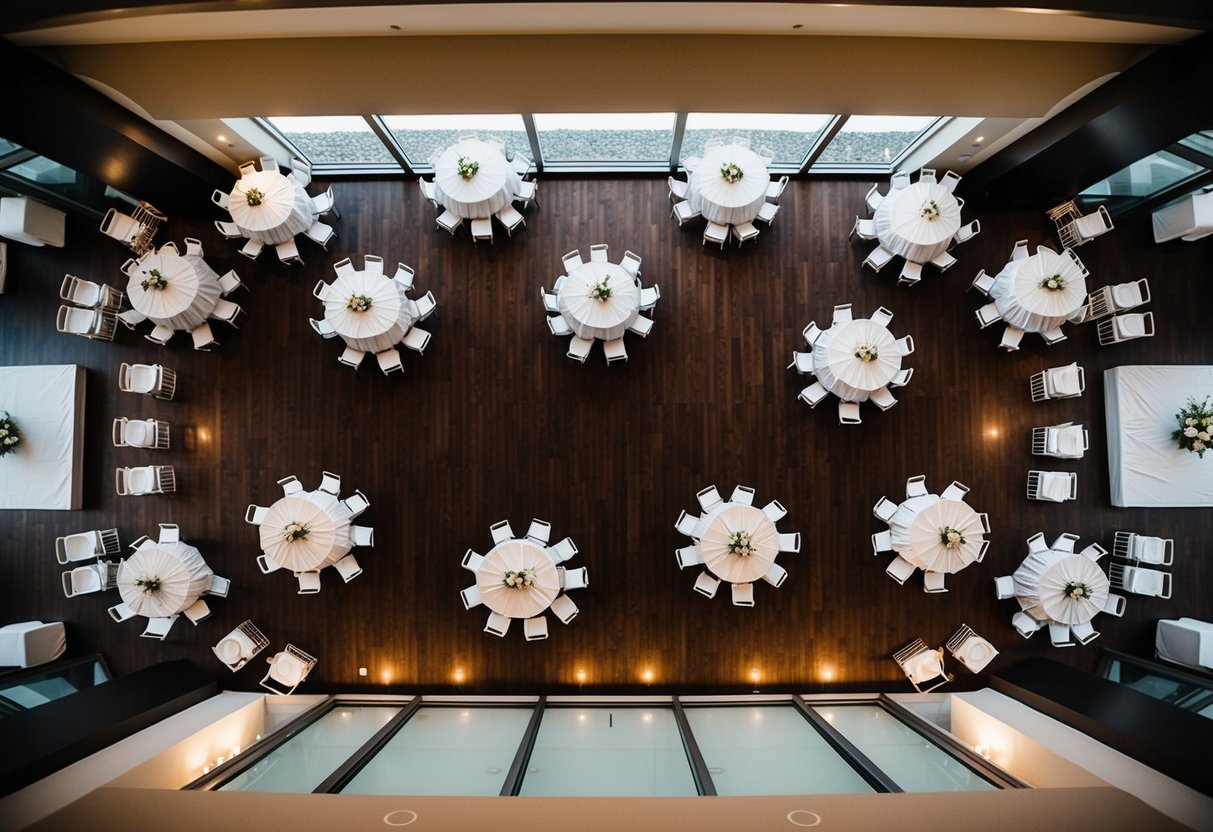
Planning your wedding layout is essential for creating a comfortable and enjoyable atmosphere for everyone. A thoughtful layout helps organize the space so guests can flow easily and interact.
Importance of Floor Plans
A well-designed floor plan is the foundation of your wedding layout. It determines the placement of key elements like the dance floor, food stations, and seating.
By mapping out your reception space, you ensure that guests can mingle without feeling cramped. Creating a visual representation of your layout makes it easier to see how everything will come together.
A clear floor plan also helps your vendors know where to set up, ensuring a smooth event. Take the time to adjust your plan until it feels just right for your celebration.
Choosing the Right Wedding Venue
Selecting the perfect wedding venue is crucial for your layout. Different venues offer various features that can impact your design. For instance, some venues have open spaces, which can give you flexibility in arrangement.
You want to choose a venue that suits your style while providing enough room for your guests. Look for spaces that accommodate your preferred table arrangements, whether you favor round tables for a cozy feel or rectangular tables for a more modern look.
Think about the overall ambiance of the venue, as it will influence the flow and feel of the entire day. Discuss your layout ideas with venue staff to find out which options work best.
Types of Table Arrangements
When it comes to table arrangements, there are several options to consider. Round tables are popular for creating intimate settings, as guests are seated close together. This arrangement encourages conversation and connection.
Rectangular tables, on the other hand, can fit more guests and are ideal for larger gatherings. They can also create a more classic look. Experiment with different combinations of both types of tables to see what works best for your space.
Don’t forget about the table sizes. Make sure to allow enough space between tables for guests to move comfortably. Each arrangement should enhance the overall experience of your wedding reception without crowding the area.
Designing Your Wedding Seating
Creating a comfortable and inviting seating arrangement is essential for your wedding. It helps set the mood and ensures that guests feel valued and included. Focus on your guest list and the types of tables you want to use as you shape your seating chart.
Creating a Seating Chart
Start with a clear seating chart to simplify the process. List your guests by categories: immediate family, friends, and colleagues. Consider where they are likely to feel most comfortable.
Choose a layout that includes a head table for you and your partner, and arrange separate guest tables for others. Remember, a sweetheart table can also be an intimate option for just the two of you. Place cards can help direct your guests to their assigned spots.
Table Sizes and Seating Arrangements
Selecting the right table size is crucial. Round tables typically seat 8-10 guests while rectangular tables can accommodate more, depending on their length.
Arrange tables to promote conversation and ease of movement. If you have young guests or kids, consider a separate table with activities. Aim for a good mix that encourages interaction among your friends and family members.
Special Considerations for Seating
Be mindful of any special dynamics among guests. You might want to keep certain family members close or create a more relaxed area for colleagues. Recognizing these relationships can help manage any potential awkwardness.
Also, keep in mind any guests who may need extra accommodations, such as seating without high backs for limited mobility. Thoughtfully planned seating can enhance everyone’s experience on your special day.
Key Elements of Wedding Reception Layout
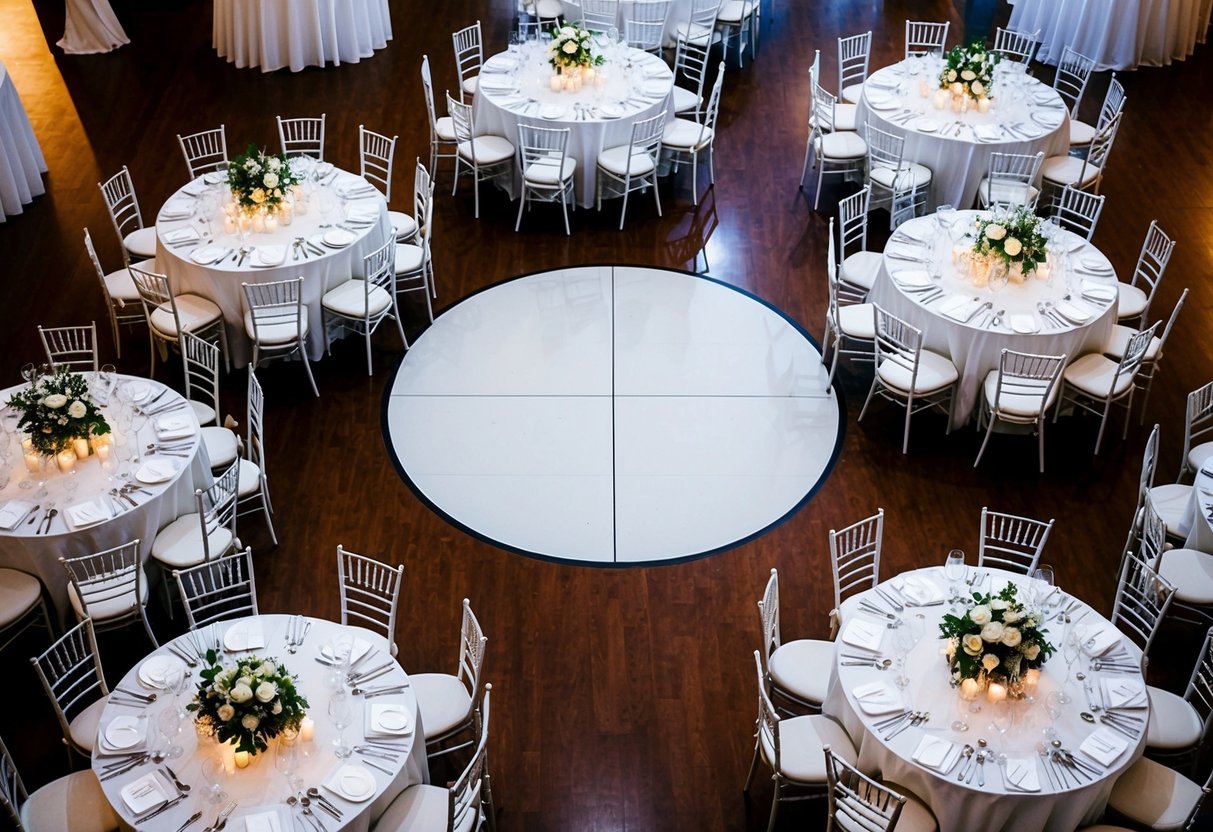
When planning your wedding reception layout, think about how the arrangement will impact the guest experience. Key elements include the dance floor, bar and catering areas, as well as entertainment options.
Positioning the Dance Floor
The dance floor is often the heart of your reception. Place it in a central location to maximize visibility and accessibility. You want guests to easily move between their tables and the dance floor without feeling cramped.
A good idea is to set the dance floor near the bar area. This encourages guests to grab a drink and join the fun. Make sure your DJ or band can be seen and heard from the dance floor, enhancing the overall vibe of the evening.
Consider using lighting to make the dance area inviting. Bright colors and focused spots can encourage guests to hit the floor. Avoid placing tables too close to the dance floor to keep the space open for movement.
Setting Up the Bar and Catering Areas
Your bar and catering areas should be strategically located to serve guests efficiently. Position the bar near the entrance to the reception space, so guests can grab a drink as they arrive. This keeps the energy high right from the start.
For buffet tables, ensure they are set up in a way that allows smooth traffic flow. You can opt for a single long table or multiple stations, depending on the layout of your venue. Clearly label each food option to guide your guests.
Make sure there are cocktail tables nearby to allow guests to enjoy their drinks. This promotes mingling and adds to the relaxed atmosphere. Also, consider placing the cake table in a spot that allows for easy access for cutting and serving.
Arranging for Entertainment and Activities
When planning for entertainment, be it a band or DJ, make their area visible and accessible. This encourages guests to gather around and enjoy the music. If you have a stage, position it in a way that everyone can see the performers easily.
If you’re planning activities like a photo booth, place it in a high-traffic area. This will attract more guests and provide a fun activity during the reception. Make sure to include props for added enjoyment.
Consider having a designated area for the wedding party and bridal party to relax. This allows them to enjoy a moment together but still remain accessible to guests. With thoughtful placement of these elements, you will create a lively and enjoyable atmosphere for everyone.
Optimizing the Reception Experience
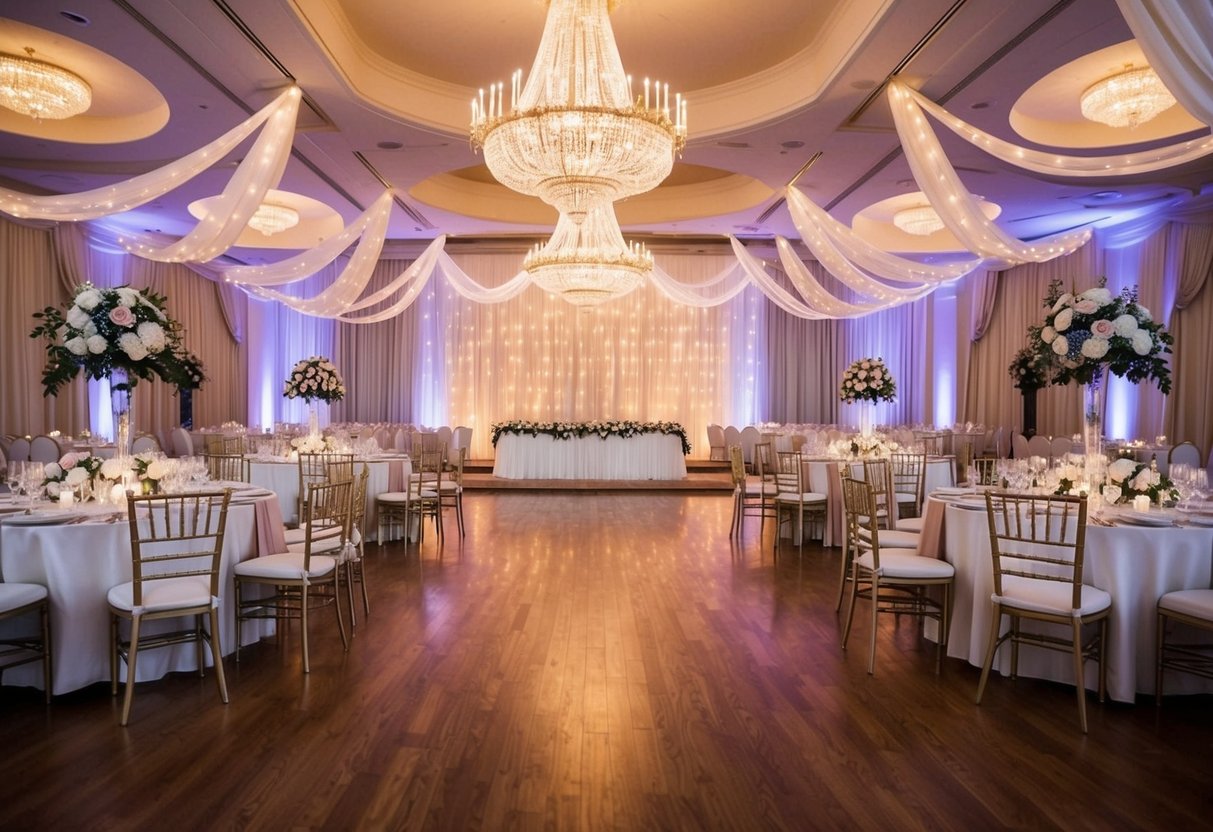
Creating a memorable reception involves careful planning to enhance guest comfort and streamline the experience. Focusing on these aspects will help you manage your guest list effectively and coordinate with your vendors for a smooth event.
Maximizing Guest Comfort
To ensure your guests enjoy the celebration, consider their comfort first. A well-thought-out wedding floor plan is key. Arrange tables so everyone has enough breathing room. Use banquet tables for larger groups to promote conversation.
It’s also essential to consider dietary requirements when working with your catering team. Make sure you gather this information during the RSVP process. An online wedding seating chart tool can help manage table assignments easily while providing clear guidelines for your guests.
Designating a cocktail area with comfortable seating can create a relaxed space for mingling. This area not only enhances the atmosphere but also allows for smooth movement throughout the venue.
Streamlining With Wedding Technology
Technology can simplify several aspects of your wedding planning. A wedding website is a great tool to manage RSVPs, making the process efficient. Guests can confirm their attendance and share any dietary restrictions, saving you valuable time.
Consider using a 3D floor plan creator to visualize your layout. These tools enable you to drag and drop elements, helping you optimize the seating arrangement. This can make table assignments a breeze, so you can focus on enjoying your big day.
The right technology can also enhance communication with your wedding planner and vendors. This ensures everyone is on the same page regarding the wedding design, which can lead to a more enjoyable experience for you and your guests.