
What Is a Wedding Officiant UK? A Guide to Your Ceremony Leader
When planning your wedding, you may wonder about the role of a wedding officiant in the UK. A wedding officiant is a person who conducts your wedding ceremony, and they can be crucial in making your special day memorable. In the UK, officiants can be licensed to perform legally binding ceremonies or can lead non-legally binding ceremonies, allowing you to have the celebration you envision.
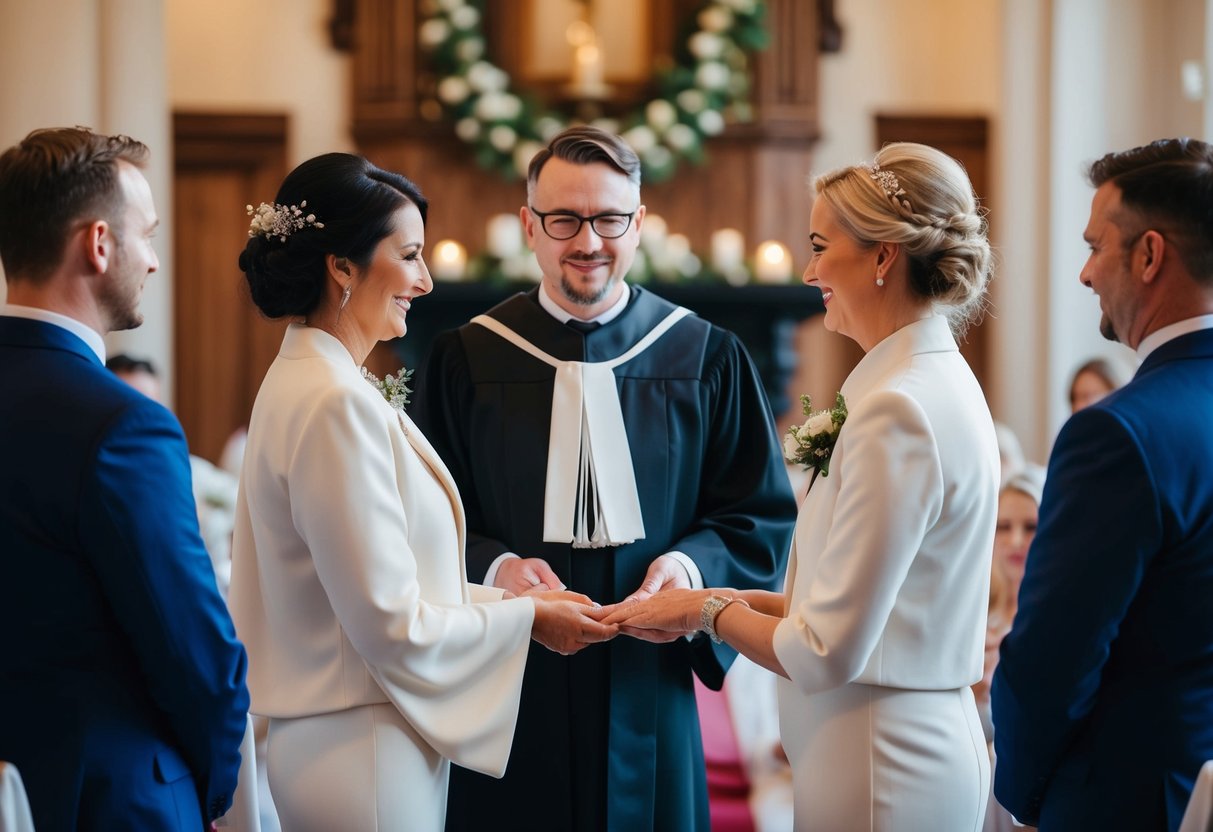
Whether you choose a registrar, a clergy member, or a celebrant, your officiant helps set the tone for your wedding day. They often work with you to create a personal wedding ceremony that reflects your values and love story. This customization makes your ceremony unique, delivering a heartfelt experience for you and your guests.
Understanding who can officiate your wedding allows you to choose the right person to fit your vision. With options that cater to your preferences, you can ensure your ceremony is meaningful and special.
Understanding the Role of a Wedding Officiant
A wedding officiant is essential for any ceremony. This person not only leads the event but also has various titles and types. Their responsibilities can differ significantly based on the type of ceremony you choose.
Different Types of Officiants
In the UK, you can choose from several types of wedding officiants. Each type brings a unique style to your ceremony.
- Religious Officiants: These include priests, ministers, and rabbis. They conduct religious ceremonies according to their faith’s beliefs and customs.
- Civil Celebrants: They are authorized to perform weddings in a more secular context. Civil celebrants focus on the couple’s personal story and values.
- Humanist Celebrants: They offer non-religious ceremonies that reflect personal beliefs and values. These officiants emphasize individuality and meaning in the vows.
Selecting the right officiant can greatly influence the tone and feel of your special day.
Duties and Responsibilities
The role of a wedding officiant is significant and varied. They handle the legal aspects of the ceremony to ensure everything complies with the law.
You can expect them to:
- Guide the Ceremony: Officiants lead the flow, ensuring that every part of the ceremony runs smoothly.
- Create Custom Vows: Many officiants work with couples to design personalized vows that reflect their unique relationship.
- Sign Legal Documents: They are responsible for completing and signing the marriage license after the ceremony.
Choosing the right officiant can make your wedding unforgettable, ensuring that it reflects both your personality and your commitments.
Legalities and Types of Wedding Ceremonies in the UK
Understanding the different types of wedding ceremonies in the UK is essential. Each type has unique legal requirements and options, which can affect your wedding plans.
Legally Binding Weddings
A legally binding wedding in the UK typically involves a civil ceremony. To make your marriage official, you need to have your ceremony at a licensed venue, such as a registry office or an approved location, like a hotel or stately home. During the ceremony, you must have at least two witnesses present.
The registrar will conduct the ceremony and ensure that all legal requirements are met. After the ceremony, you will receive a marriage certificate, which is the official document proving your marriage. Remember to book your registrar in advance to secure your date.
Non-Legally Binding Ceremonies
If you want a more personalized ceremony, you can choose a non-legally binding option. This type of ceremony allows for more creativity and expression. Many couples opt for a celebrant-led ceremony, where you can include unique rituals or readings that reflect your love story.
Keep in mind that this type of ceremony cannot replace the legal aspects. You would still need to complete a civil ceremony at a later date to make your marriage official. Non-legally binding ceremonies are popular for renewals or when couples wish to blend cultural traditions.
Religious vs Civil Ceremonies
Religious ceremonies, such as those held in the Church of England, involve specific rituals and traditions. These ceremonies can take place in a registered religious building, and an authorized person, like a vicar, will officiate.
On the other hand, civil ceremonies are more straightforward and less formal. They focus mainly on the legal aspects of marriage without religious elements. Both types can offer meaningful experiences, so choose the one that aligns with your beliefs and values.
Make sure to consider your options carefully and follow the legalities for your chosen ceremony type.
Selecting the Right Wedding Officiant
Choosing the right wedding officiant is a key step in planning your special day. An officiant can set the tone for your ceremony and help personalize it to reflect your love story. Here’s what to keep in mind as you make your decision.
Considerations for Choosing an Officiant
Start by thinking about the type of ceremony you want. Do you prefer a religious or non-religious service? Many couples look for a wedding celebrant who can offer flexibility. A professional celebrant can craft a bespoke wedding ceremony that truly represents your relationship.
Check their experience and style. Some officiants focus on traditional ceremonies, while others specialize in more modern, personalized ceremonies. Don’t hesitate to ask them about their previous work and even to see reviews.
Ensure they are legally recognized to officiate weddings in the UK. For vow renewals or any special requests, confirm they can meet your needs. Having a conversation about your vision and expectations can help ensure a great fit.
Personalizing Your Ceremony
A great officiant will work with you to create a ceremony that reflects your story. Discuss your ideas, themes, and any special traditions you want to include. This could involve unique readings, music, or even including family members in the ceremony.
You can make your wedding truly yours by adding personalized touches. Think about incorporating vows that resonate with both of you. Many celebrants offer guidance in writing vows that connect with your feelings.
Including meaningful symbols or rituals can deepen the experience. Whether it’s lighting a unity candle or a sand ceremony, these elements add depth. Your officiant can help suggest ideas that fit your style and help you create a memorable celebration.
The Wedding Industry and Officiants
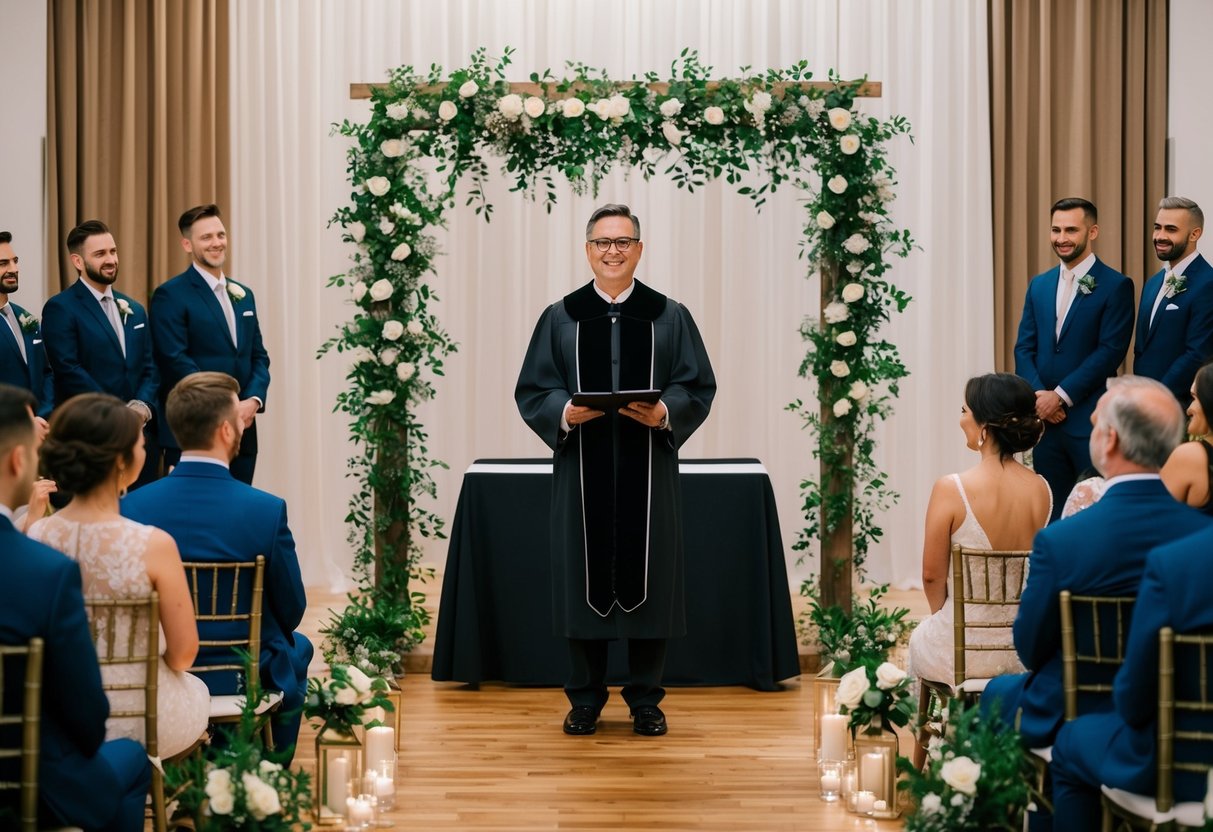
In the wedding industry, officiants play a vital role in your special day. They ensure that the ceremony runs smoothly and help make it memorable.
You can choose different types of officiants. Options include:
- Ordained Ministers: These are often religious leaders who can conduct both religious and civil ceremonies.
- Civil Registrars: They are employed by local authorities and can officiate weddings in licensed venues.
Choosing the right officiant is important for setting the tone of your ceremony. They often work closely with wedding venues, from hotels to parks, to create a personal atmosphere for you and your guests.
Understanding the rules in your area is essential. In the UK, some officiants can legally marry you, while others may only offer non-legally binding ceremonies.
If you want a unique experience, you might consider a friend or family member to officiate. If they aren’t ordained, you will still need to complete a legal ceremony at a registry office.
Given the beautiful settings of venues like hotels and gardens, your choice of officiant can help you personalize your ceremony. The right officiant makes all the difference in celebrating your love story.