
What is a Wedding Planner Responsible For? A Guide to Their Key Roles and Duties
Hiring a wedding planner can take a huge weight off your shoulders during the wedding planning process. A wedding planner is responsible for managing the details, coordinating vendors, and ensuring everything runs smoothly on your big day. This can make the difference between stress and a joyful experience as you prepare to say “I do.”
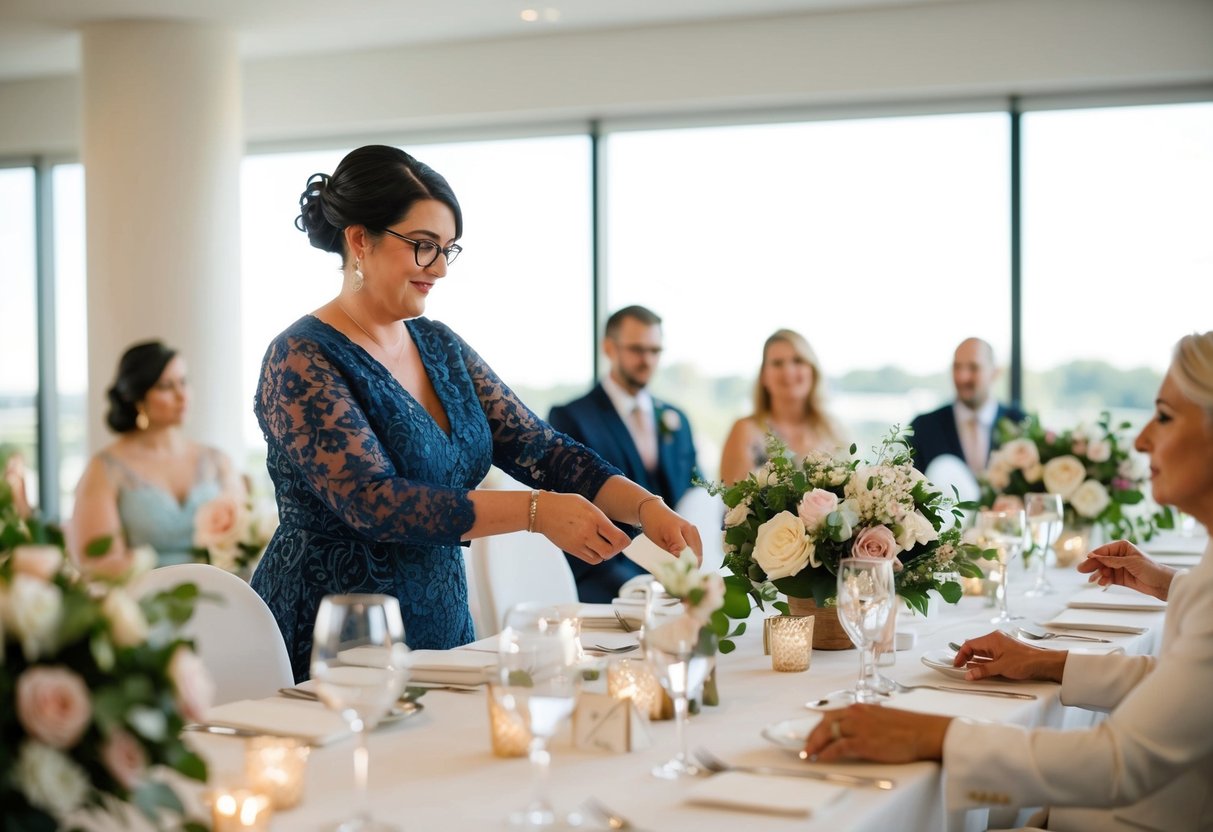
When you work with a full-service wedding planner, you gain access to their expertise in navigating the many tasks involved in organizing a wedding.
From budgeting to timelines, they help you stay organized and focused on what matters most.
With their guidance, you can create a memorable celebration tailored to your vision.
Whether you’re dreaming of a grand celebration or a quaint gathering, your wedding planner is there to support you every step of the way. They become your partner, allowing you to enjoy the journey to your wedding day without overwhelming pressure.
Understanding the Role of a Wedding Planner

A wedding planner is your trusted partner in planning one of the most important days of your life. They help you navigate the details, from the initial meeting to budget management and design elements. Here’s a closer look at their key responsibilities.
Initial Consultation and Planning Process
During the initial consultation, your wedding planner will meet with you to discuss your vision. This is a critical step to understand your preferences and style.
You’ll share details about your dream wedding, including themes, colors, and guest counts. Your planner then uses this information to create a tailored planning timeline.
This timeframe outlines when tasks should be completed. It keeps everything organized and helps avoid last-minute stress.
After establishing your vision, the planner will begin coordinating with vendors to bring your daydreams to life.
Creating the Wedding Budget
A key responsibility of a wedding planner is budgeting. Together, you’ll set a realistic budget that covers all essential aspects of your wedding. This includes venue costs, catering, flowers, and entertainment.
Your planner will provide guidance on where to allocate funds effectively. They can also recommend cost-saving options without compromising your vision.
To keep you on track, they’ll create a budget breakdown and monitor all expenses.
This careful budgeting ensures there are no hidden costs or surprises. You’ll have peace of mind, knowing your wedding finances are managed effectively.
Design and Decor Concepts
Your wedding planner plays a vital role in crafting the design elements of your big day. Based on your vision, they will create decor concepts that fit your style.
This includes selecting color palettes, floral arrangements, and table settings. They will also work with rental companies to source items like linens and centerpieces.
Throughout the process, your planner will ensure that all design aspects come together seamlessly. They aim to create an atmosphere that reflects your personality and love story. From the overall aesthetic to small details, you can count on their expertise to make your wedding memorable.
Coordinating with Vendors and Venues

When planning your wedding, working with vendors and venues is a key part of the process. You want to ensure everything goes smoothly, so understanding how to effectively coordinate these elements is important.
Selecting and Booking Vendors
Choosing the right vendors is crucial for your big day. Start by identifying what services you need, such as caterers, photographers, or florists.
Make a list of potential vendors, and look for reviews, pricing, and availability. Don’t hesitate to ask friends for recommendations too.
After narrowing down your options, reach out for quotes and availability. Once you have gathered all necessary information, schedule interviews or tastings if possible.
This lets you get a feel of their style and professionalism. Finally, book your top choices early to secure your date and avoid last-minute stress.
Managing Vendor Contracts
Vendor contracts protect both you and the vendors. Once you’ve selected your vendors, ensure all agreements are in writing. This should include services provided, pricing, and payment terms.
Carefully review each contract for details. Pay attention to cancellation and refund policies.
Keep copies for your records and share them with your wedding planner if you have one.
It’s also wise to set reminders for payment deadlines. Keeping track of when payments are due helps you avoid any surprises.
Open communication with your vendors about expectations ensures everyone is on the same page.
Venue Selection and Coordination
Selecting the right venue sets the tone for your wedding. Consider your vision, the number of guests, and your budget.
Visit a few options in person to see what fits best. Once you’ve made your choice, the venue coordinator becomes your main point of contact.
They will help you understand the logistics and what is allowed on site. Communicate your vision to them so they can assist in making it happen.
Make sure to coordinate timelines with your vendors and the venue. Knowing when each setup happens will keep things running smoothly on your wedding day.
Regular check-ins with both your vendors and venue can help you catch any issues early.
Logistics and Day-of Management

When it comes to your wedding, logistics and day-of management play a crucial role. You want everything to flow smoothly, and that requires careful planning and coordination. Here’s what a wedding planner handles on your big day.
Creating the Wedding-Day Timeline
A well-structured timeline is essential for a successful wedding day. Your planner begins by mapping out each moment, from the moment you wake up to the end of the reception.
They will schedule when vendors arrive, when the ceremony starts, and how long each part should last. This ensures that everything runs like clockwork.
The planner communicates the timeline to everyone involved, so everyone knows their roles. They make adjustments as needed to keep everything on track.
A detailed timeline helps you relax and enjoy the day, knowing everything is organized.
Overseeing the Wedding Rehearsal
The wedding rehearsal is an important step that helps everyone understand their tasks. Your planner organizes this event, usually held a day or two before the wedding.
During the rehearsal, they’ll guide you and your wedding party through the ceremony, ensuring everyone knows where to stand and what to do. This practice helps eliminate confusion on the big day.
Your planner will also address any last-minute questions or concerns. Clear communication at the rehearsal helps everyone feel confident and ready to celebrate your love.
Ensuring Vendor Arrivals and Setup
On your wedding day, it’s vital that all vendors arrive on time and set up as expected. Your wedding planner is responsible for coordinating these arrivals.
They begin by confirming that all vendors have the correct arrival times and locations. If a vendor needs assistance, your planner will be there to help.
They oversee the setup, ensuring that each element fits your vision—from the flowers to the seating arrangements. This attention to detail means you can focus on enjoying your day without worrying about logistics.
Final Touches and Additional Services
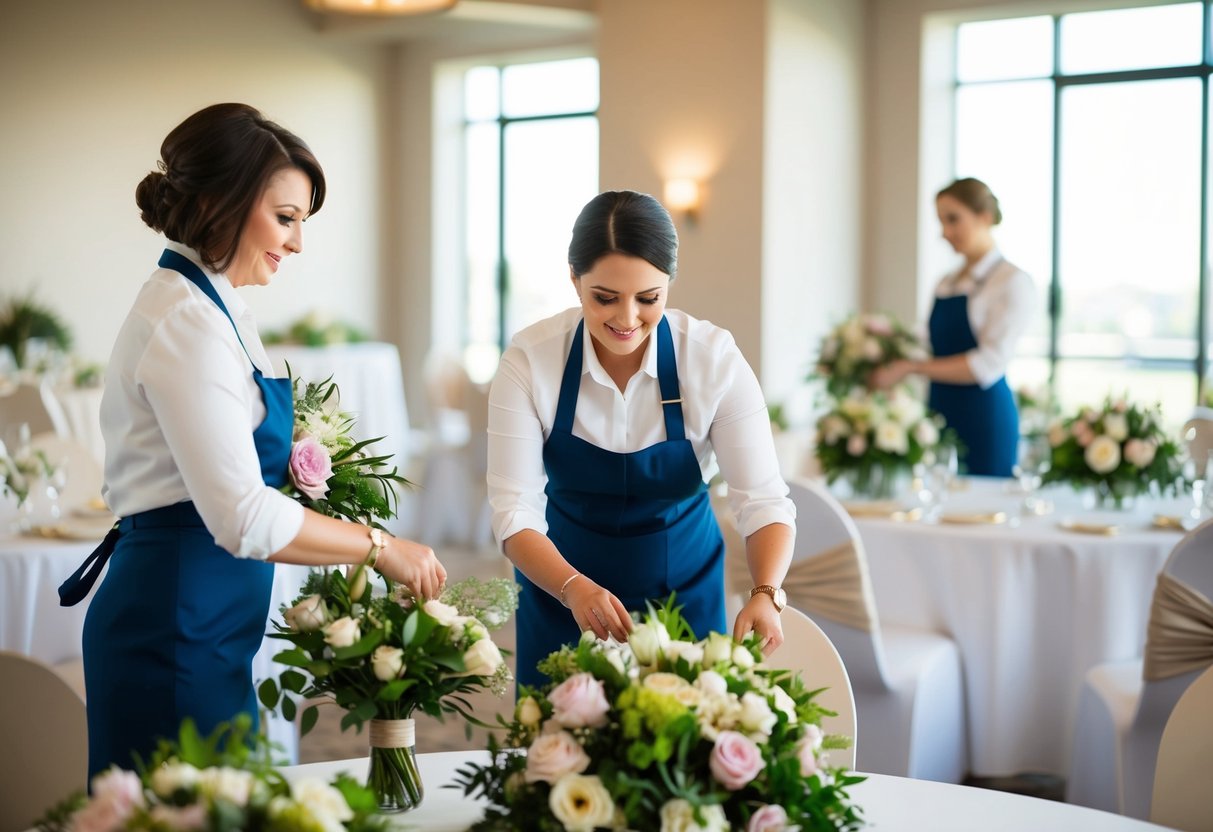
When planning your wedding, the little details can make a big difference. Your wedding planner can help with various final touches and additional services to ensure everything runs smoothly.
Seating Charts and Place Cards
Creating a seating chart can be tricky. Your planner will develop a clear and organized chart that outlines where each guest should sit. They will consider relationships, family dynamics, and any special requests you may have.
Place cards are another important detail. They guide guests to their assigned seats, setting a welcoming tone.
Your planner will either design or coordinate the printing of these cards, ensuring they match your wedding theme.
This will help avoid confusion on the big day, letting you and your guests enjoy the celebration without stress.
Assistance with Invitations and Wedding Website
Your invitations are the first glimpse guests have of your wedding. Your planner can help you choose designs that reflect your style and theme. They will also manage the logistics, making sure invites go out on time.
In today’s digital age, a wedding website is essential. Your planner can assist in creating a user-friendly site to share details like schedules, registries, and accommodation options.
This central hub keeps your guests informed while reducing the number of questions you receive.
Both of these elements are vital for a smooth lead-up to your wedding.
Destination Wedding Planning
Planning a destination wedding adds excitement but also complexity. Your planner brings expertise in navigating these unique challenges. They can recommend venues that fit your vision, whether it’s a beach, vineyard, or palace.
They will handle venue bookings, local vendor coordination, and travel arrangements for you and your guests. You’ll have peace of mind knowing that every detail is managed, allowing you to enjoy your special day without worrying about the logistics.
With their help, your destination wedding will be a memorable experience for you and your guests.