
What is a Wedding Rehearsal in the UK? A Simple Guide for Newlyweds
A wedding rehearsal is an important step in preparing for your big day. It typically takes place a day or two before the wedding, allowing you and your bridal party to practice the ceremony details. This practice run helps everyone understand their roles, where to stand, and what to say, ensuring the actual wedding day goes smoothly.
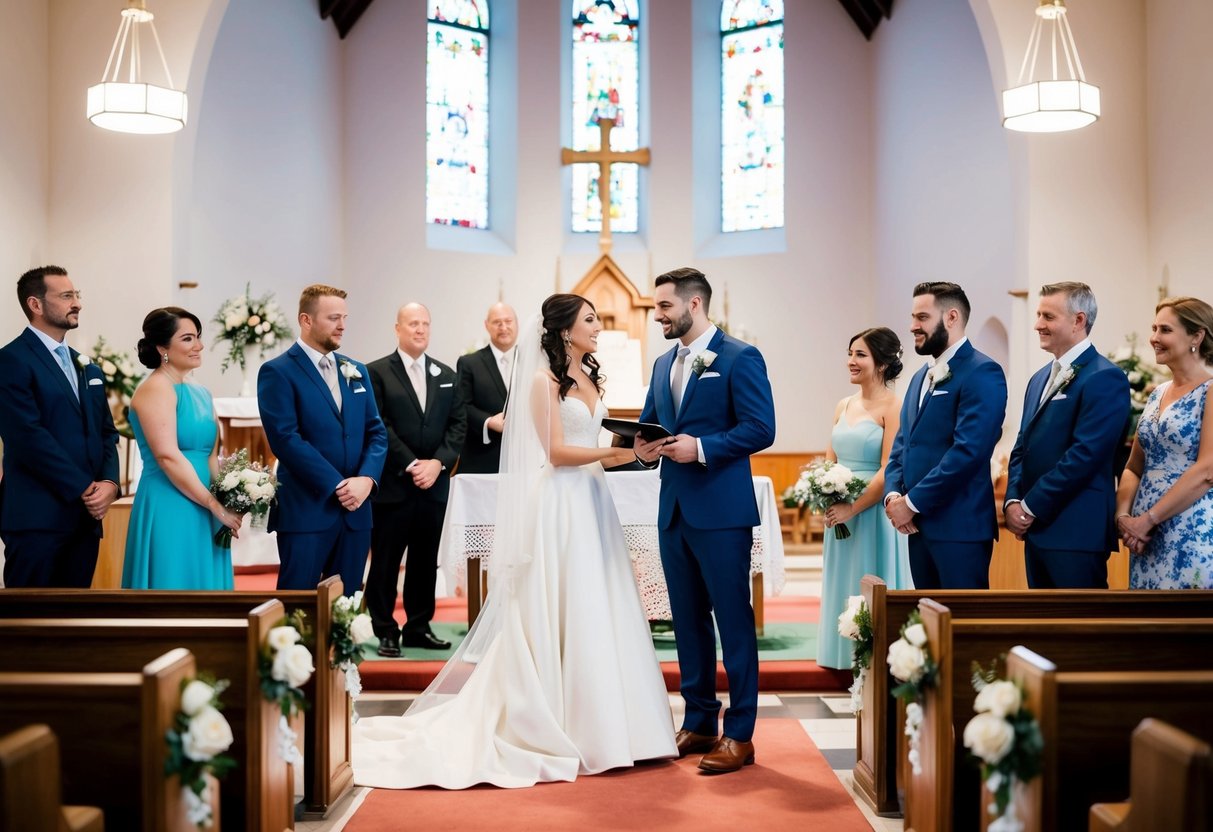
During the rehearsal, you’ll walk through the ceremony from start to finish. This time together is also a wonderful opportunity to bond with your bridal party and sort out any last-minute questions. Many couples find that the rehearsal helps reduce any pre-wedding nerves by familiarizing everyone with the flow of the day.
Following the rehearsal, it’s common to celebrate together, often with a meal or a gathering. This can help create a relaxed atmosphere and strengthen the connections between friends and family before the wedding. By preparing in this way, you set the stage for a joyful and memorable occasion.
Planning Your Wedding Rehearsal
Planning your wedding rehearsal involves several key steps. You’ll need to decide on a date and venue, create an agenda for the day, and outline the roles of everyone involved.
From your bridal party to the officiant, clear communication helps everyone feel prepared and confident.
Setting the Date and Venue
Start by scheduling your rehearsal a day or two before the wedding. This gives everyone a chance to familiarize themselves with the ceremony flow. It’s best to secure the church or the wedding venue for this practice run.
Check with your vicar or wedding planner to coordinate the timing. Make sure all key participants can attend, including your bridal party and ushers. This sets a relaxed tone and allows you to iron out any last-minute details.
The Rehearsal Agenda
Create an agenda to guide the rehearsal. Begin with introductions and any important notes from your officiant.
Next, practice the order of the ceremony, including where to stand and when to enter and exit. Remember to cover key moments, such as the processional and any readings or vows.
You might want to include a time for questions, so everyone feels comfortable. Don’t rush this part. Allow breaks for laughter and conversation. This is a time to bond with your bridal party and ease any wedding day nerves.
Roles and Responsibilities
Clearly define roles for everyone involved. The officiant leads the ceremony, while the ushers manage guest seating. The bridal party should know their places and movements throughout the event.
You might want to have your wedding planner assist in this part if you have one. They can help keep things organized and ensure you cover everything important.
Discuss any specific tasks or cues needed for each person. For example, the best man may need to hold the rings, while the maid of honor ensures the bride’s dress looks perfect. Clear roles help make the actual wedding day run smoothly.
The Rehearsal Dinner Explained
The rehearsal dinner is a special gathering that takes place after the wedding rehearsal. It offers a chance for everyone involved in the wedding to relax, connect, and enjoy a meal together. Here’s what you need to know.
Organizing the Dinner
To organize a successful rehearsal dinner, decide on a location that is comfortable and fits your budget. Many choose a restaurant, a family home, or even a cozy outdoor space.
You’ll want to plan the menu based on your guests’ preferences. It’s important to keep the atmosphere relaxed. This is a time to celebrate and enjoy the company of the wedding party, close family, and friends.
You might include speeches from parents and the couple to express gratitude. Try to nail down the details about a month before the wedding to avoid last-minute stress.
Who to Invite
When it comes to invitations, typically, you invite the wedding party, close family, and any friends who are involved in the ceremony. This can include parents, siblings, and grandparents.
The groom’s parents often take on the planning of this dinner, but both families can contribute.
Consider keeping the guest list intimate to foster a warm atmosphere. A smaller gathering makes it easier for everyone to connect, share stories, and start the celebration.
Dinner Themes and Etiquette
Dinner themes can range from formal sit-down meals to casual barbecues. Choose a theme that reflects your style as a couple. This makes the event more personal and enjoyable.
Etiquette for the rehearsal dinner includes thanking specific people who have helped with your wedding plans.
You can plan for speeches and toasts during the meal. This allows everyone to share heartfelt messages, which can add to the evening’s joy.
Remember to be gracious and welcoming to all guests, making them feel appreciated for their role in your big day.
On the Eve of the Wedding
The day before your wedding is filled with important tasks and emotional moments. You will finalize preparations, lean on your support system, and create lasting memories.
Final Preparations
Before the big day, you will want to ensure everything is in place. This includes confirming details with your venue, caterers, and florists.
Make a checklist of items like the rings, décor, and any other essentials needed.
Spend time with your bridesmaids, best man, and flower girls to make sure they have everything they need. This is a great moment for a pre-wedding celebration, allowing everyone to relax and bond.
If you have a wedding photographer or videographer, discuss timelines and key moments to capture.
The Emotional Support System
You may feel a mix of excitement and nerves on the eve of your wedding. It’s essential to connect with your closest friends and family during this time.
Share your thoughts and feelings about the upcoming day; this can help ease any anxiety you might have.
Your bridesmaids and best man play crucial roles in providing support. Their encouragement and presence can help remind you of all the love surrounding you. Emotional connection fosters a positive atmosphere, making the experience even more special.
Capturing the Moments
One of the most memorable aspects of the eve before the wedding is capturing moments with your loved ones.
Make time for photos with your family and friends. Share laughter, hugs, and maybe even a few happy tears.
Having a dedicated wedding photographer or videographer ensures you won’t miss any precious memories. They can take candid shots during dinner or rehearsal, providing a beautiful record of the celebration. These pictures will help you remember the love and joy shared with everyone who is supporting you.
The Big Day: Wedding Ceremony Rehearsal
Your wedding ceremony rehearsal is vital for making sure that everything runs smoothly on the big day. From practicing how to walk down the aisle to familiarizing yourself with readings and speeches, this time is all about preparation. Here’s what to focus on during the rehearsal.
The Ceremony Walk-Through
During the ceremony walk-through, you will practice the order of the wedding ceremony. This includes how you, the bride, will walk down the aisle and where to stand during the service.
Your officiant will guide you through each step, ensuring everyone knows their role.
It’s important to pay attention to the specific locations for the bride, groom, and wedding party. You’ll go over details like the timing of the processional and the placement of family members. Make sure to rehearse everything several times.
If you have flower girls or ring bearers, involve them too. They can get nervous on the day, and practicing helps them feel more comfortable.
Everyone should practice their cues for when to walk, especially the music timing.
Rehearsing the Readings and Speeches
Readings and speeches are key parts of your wedding ceremony. Make sure everyone involved knows their lines and the flow of the event.
If you have family members or friends reading, gather them beforehand to go over their parts. You should also practice any speeches that will occur during the ceremony.
This could include messages from the officiant or special toasts.
Clear communication is essential, so everyone understands when it’s their turn.
It’s helpful to rehearse the tone and volume of the readings too. Ensure they’re loud enough for guests at the back to hear. Practicing will allow everyone to feel more relaxed and confident, making the big day less stressful.
Final Reminders for the Wedding Party
As the rehearsal wraps up, share final reminders with your wedding party. These include what to wear for the ceremony, such as matching attire or shoes.
Make sure everyone knows the schedule for the day. They need to know when to arrive and when to take their places.
Also, remind them to be aware of their surroundings. This includes being ready for unexpected changes, like timing or weather issues.
Encourage your wedding party to support each other during the ceremony.
Finally, make sure everyone knows how to contact you or the officiant if any questions arise on the day. Clarity is crucial for a successful wedding celebration, and everyone should feel confident about their roles.