
What is an Example of Officiating? Understanding Roles in Sports and Events
When you watch a game, you may notice someone in stripes signaling fouls and making important calls. A referee oversees a basketball game, enforcing the rules and ensuring fair play throughout the match. This role is crucial not just for professional leagues, but also for youth sports, where learning the rules and playing fairly is essential.
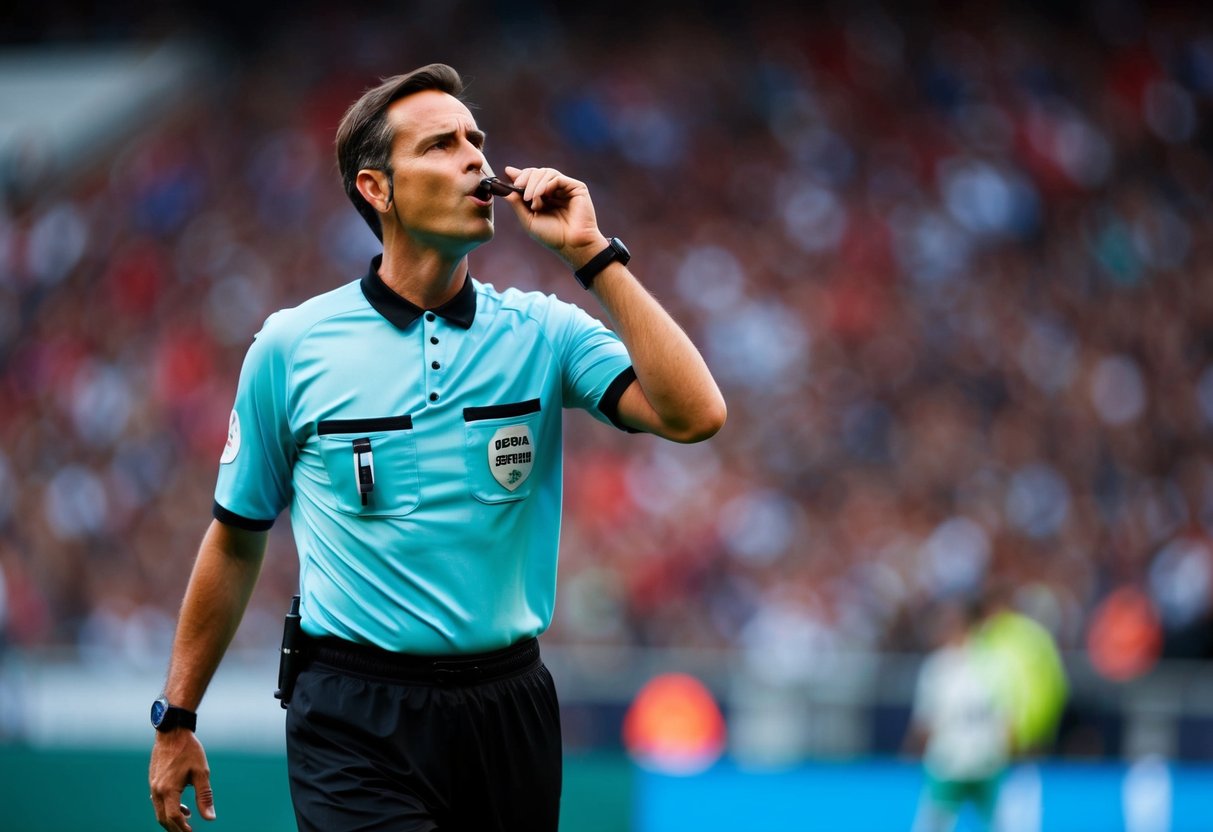
Officiating goes beyond just enforcing rules; it’s about facilitating a smooth and fair experience for everyone involved. Whether it’s a local soccer game or a high-stakes championship, the official’s duty is to maintain order and support the athletes in showing their best skills. Their function is vital to the integrity of the sport, allowing players and fans to enjoy the game fully.
In addition to enforcing rules, officiating can also take place in various ceremonies and services. Understanding what officiating involves can deepen your appreciation for the games you love and highlight the work put in behind the scenes.
Types of Officiating Roles
Officiating roles can vary widely based on the type of events they serve. Each role is essential for ensuring that ceremonies and contests are conducted fairly and meaningfully.
Wedding Officiating
When you think about weddings, the officiant’s role is key. An officiating minister, priest, or clergy member will conduct the wedding ceremony. They help create a personal and memorable event. This person guides the couple through their vows and makes sure that all legal requirements are met.
You may find officiants who specialize in different types of ceremonies. Some may focus on traditional approaches, while others offer unique or personalized services. Choosing the right officiant can make your wedding feel special and tailored to your vision.
Sports Officiating
In the world of sports, officiating is crucial for fair play. Officials like referees and umpires have specific duties. They enforce the rules of the game during a sports contest. Their decisions can affect the game’s outcome.
Sports officials ensure that players follow the rules and maintain safety on the field. Each official has a designated role, whether as the lead referee or an assistant. Their ability to communicate effectively helps keep the game running smoothly and fairly.
Religious and Memorial Services
Officiating also plays a vital role during religious ceremonies and memorial services. An officiating clergy member may lead a memorial mass or conduct religious rites for the deceased. These services honor the person’s life and offer comfort to their loved ones.
During these moments, the officiant helps create a respectful atmosphere. They guide attendees through prayers, readings, and rituals. This support can provide solace and a sense of closure for grieving families and friends.
The Role and Duties of an Officiant
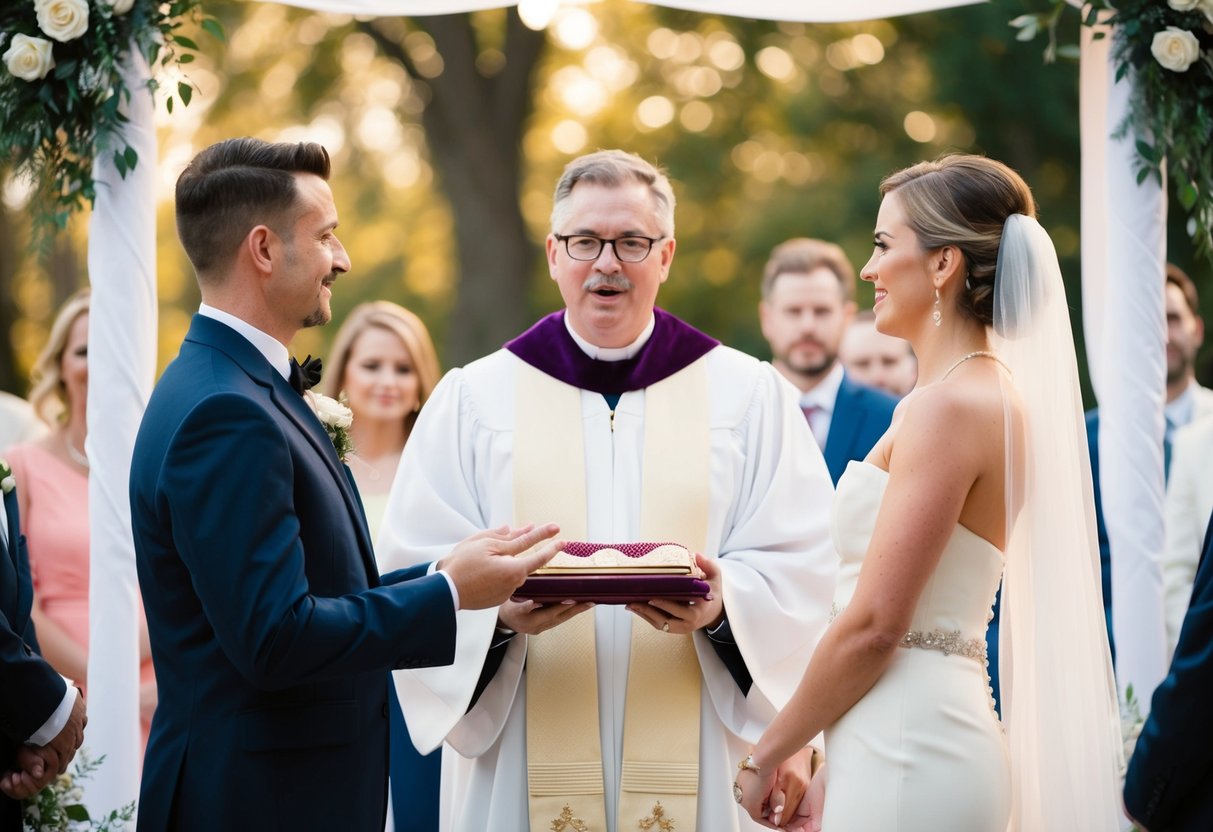
When you think about the role of an officiant, it’s important to recognize their legal responsibilities and ceremonial functions. They play a vital part in making sure your special day runs smoothly and is recognized legally.
Legal Responsibilities
Your officiant has specific legal duties to ensure your marriage is valid. First, they will check that you have filed for a marriage license with the state or county. Without this license, your marriage won’t be legally recognized.
Next, they will perform the ceremony and sign the marriage license. This signature is crucial for the legal finalization of your marriage. Your officiant must also understand the local laws surrounding marriage to avoid any issues.
Some officiants might even provide guidance on necessary documents you need to bring. They ensure everything is in order, allowing you to focus on the celebration.
Ceremonial Functions
The ceremonial role of your officiant is just as essential. They help set the tone for your wedding ceremony. They will often meet with you beforehand to discuss your preferences for the ceremony format.
During the ceremony, your officiant guides you and your guests through each part. This includes reading vows, leading rituals, and introducing special moments, like unity ceremonies. They often use personal touches to make the ceremony unique.
Your officiant also creates an inviting atmosphere. They engage with the guests and make everyone feel included in this joyous occasion. Their warm presence helps to celebrate your love and commitment, making the event memorable for everyone involved.
Becoming an Officiant
If you’re thinking about becoming an officiant, there’s a clear path to follow. You’ll need to get trained and possibly certified, and you’ll have key milestones to consider as a first-time officiant.
Training and Certification
To become an officiant, you often need to complete training programs. These programs cover the basics of officiating, including the legal requirements in your area. Many states require officiants to be registered or ordained to perform weddings legally.
Some organizations offer certification, which might make you more appealing to couples looking for someone to officiate their wedding. Check local requirements as they can vary widely.
Courses are available online or in local communities. They often include topics such as writing vows, conducting ceremonies, and understanding the nuances of different types of weddings—whether civil, religious, or culturally specific.
First-Time Milestones
As you prepare for your first ceremony, a few important milestones await. First, you’ll want to gain confidence in your speech. Practice makes a big difference.
Next, focus on personal touches for the couple. This could mean meeting them beforehand to discuss their love story and what they envision for their ceremony.
Lastly, remember the administrative side—make sure you complete all paperwork. You may need to sign the marriage license and return it to local authorities. Every detail counts in making the day special for couples, and being organized ensures a smooth experience for everyone.