
What Is Another Name for an Officiant? Discover Alternative Terms and Roles
When planning your wedding, you might wonder what to call the person who leads your ceremony. An officiant can also be referred to as a marriage celebrant, registrar, or even a wedding minister. Each of these titles carries its own meaning depending on the type of ceremony and the preferences of the couple.
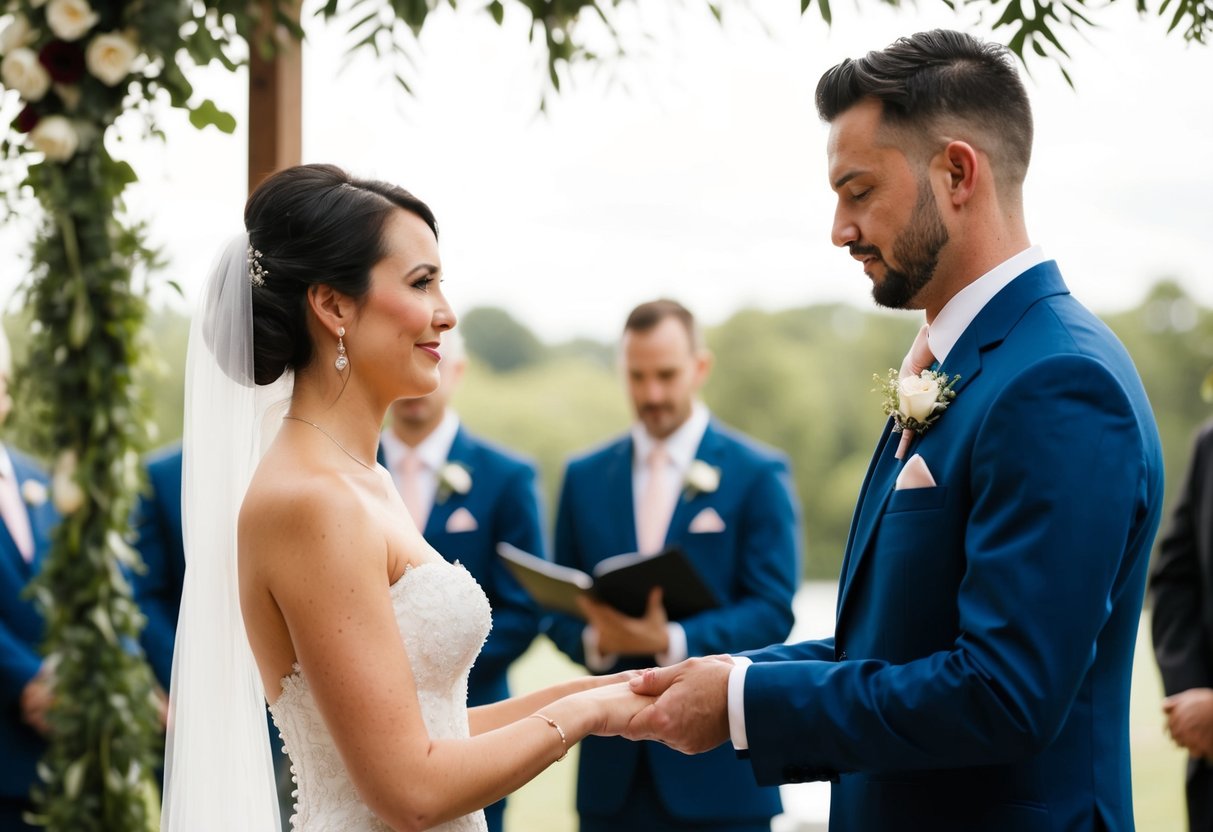
Understanding these terms can help you choose the right person for your big day. Whether you want a religious leader, a legal officiant, or someone more informal, knowing the different titles can guide your selection.
As you explore this topic further, you’ll discover how each name reflects the unique role an officiant plays in your wedding ceremony. Get ready to learn more about what these names mean and how they can fit into your celebration!
Understanding the Role of an Officiant
Understanding the role of an officiant is crucial when planning a wedding. This person will guide you through significant legal and ceremonial aspects of your special day.
Their role can vary widely, depending on their background and the type of ceremony you choose.
Religious and Secular Authorities
Officiants can be either religious or secular authorities. Religious officiants may include a clergyman, pastor, or priest. They typically lead ceremonies that have religious significance and ensure they align with specific faith traditions.
On the other hand, secular officiants can be marriage commissioners or notaries. These officiants focus on the legal aspects of marriage without any religious practices.
Choosing the right type of officiant helps set the tone for your ceremony and reflects your values as a couple.
Legal Responsibilities
Legal responsibilities are a vital part of an officiant’s role. They must ensure that all legal requirements for marriage are met. This includes filing the marriage license and performing the ceremony according to state regulations.
In many places, the officiant must also meet specific qualifications, such as being licensed or ordained. Understanding these legal aspects ensures a smooth process, helping you avoid potential issues after your wedding.
Ceremonial Duties
When it comes to ceremonial duties, the officiant plays a key role in making your ceremony special. They guide you through the proceedings, from the opening remarks to the exchange of vows and rings.
A good officiant personalizes the ceremony to reflect your story as a couple. By getting to know you, they can incorporate meaningful elements, ensuring the ceremony is memorable.
Whether you choose a marriage celebrant, celebrant, or a religious officiant, they will help create a heartfelt experience for you and your guests.
Titles of Wedding Officiants

When planning your wedding, knowing the different titles held by officiants can help you choose the right person for your ceremony. Officiants can be categorized largely into government and civil titles or religious titles, each playing a unique role in your special day.
Government and Civil Titles
Government and civil officiants hold official positions that allow them to perform marriage ceremonies legally. Common titles include:
- Justice of the Peace: Typically a local official who can officiate weddings.
- Judge: A person who presides over court proceedings and can also perform marriages.
- City Clerk: Responsible for maintaining public records, some city clerks can officiate weddings.
- Registrar: An official who oversees marriage licenses and may also conduct ceremonies.
These officiants usually cater to couples seeking a civil ceremony, often focusing on a straightforward approach without religious undertones.
Religious Titles
Religious officiants bring spiritual significance to your wedding. Common titles include:
- Minister: Generally a Christian clergy member who leads the ceremony.
- Priest: A title often given in Catholic or Orthodox traditions for officiating weddings.
- Rabbi: A Jewish leader who performs ceremonies according to Jewish customs.
- Imam: A leader in the Muslim community who conducts marriage ceremonies.
- Pandit: A Hindu priest responsible for performing rituals and blessings during weddings.
- Pastor: Typically a leader in a Protestant church, offering guidance and officiating weddings.
These titles reflect the diversity in wedding ceremonies, allowing couples to choose someone who aligns with their beliefs.
Legal Considerations for Officiants
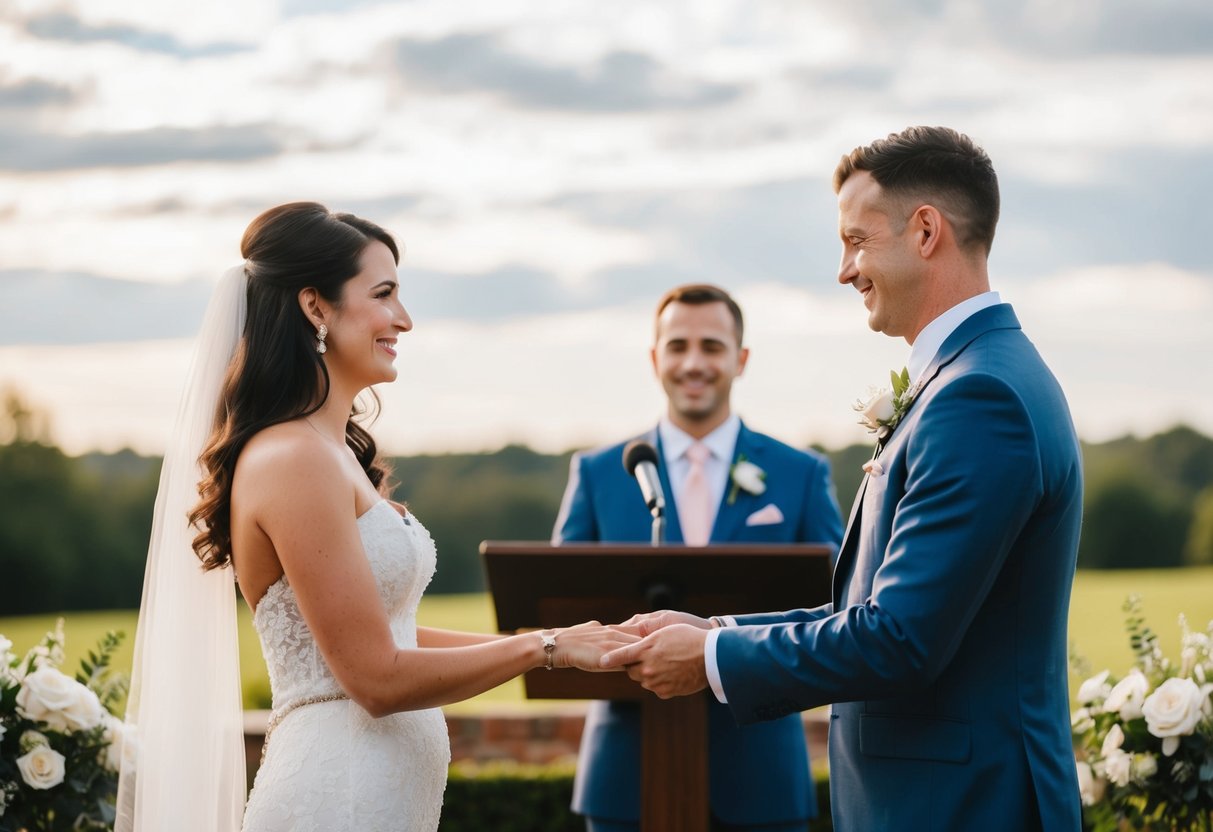
When you’re planning a wedding, understanding the legal responsibilities of officiants is key. Each state has its own rules, which can affect how your marriage ceremony is conducted. Here are some important factors to consider.
Marriage License Requirements
Before your wedding, you need to obtain a marriage license. This document is essential for your marriage to be legally recognized. The requirements can vary by state, so check local laws.
Typically, both partners must apply in person. You may need to provide valid IDs, proof of residency, or other documents. Some states have waiting periods, so plan ahead.
Once you have your marriage license, it’s crucial to ensure that your officiant is qualified to sign it. This step is necessary to finalize your marriage legally.
Officiant Authorization and Registration
Not everyone can officiate a wedding. Many states require officiants to be officially recognized. This can include being a religious leader, a judge, or a certified celebrant.
In some cases, you can become an officiant easily through online ordination. Check your state’s specific requirements for registration and authorization.
Your officiant should be familiar with local laws to ensure everything goes smoothly. They must sign your marriage license after the ceremony, which is a crucial step for legal recognition.