
What is Called Ordained? Understanding the Concept of Ordination
When you hear the term “ordained,” you might wonder what it really means. Ordained often refers to the official process by which someone is made a member of the clergy, allowing them to perform sacred duties and lead religious ceremonies. This process, called ordination, involves rituals and approvals from other religious leaders or authorities.

Becoming ordained is an important step for many who want to serve their communities in a spiritual capacity. It signifies a commitment to guiding others in their faith and conducting significant rites, such as marriages and baptisms. Understanding the significance of ordination can help you appreciate the dedication and responsibility that come with being a religious leader.
As you explore this topic, you’ll learn more about the steps involved in ordination and what it truly means to be ordained in various religious contexts.
Understanding Ordination
Ordination is a significant process in various religious traditions. It involves setting apart individuals for special roles within their faith communities. This section will explore the historical context, the steps involved, and different traditions surrounding ordination.
Historical Context
Ordination has deep roots in religious history. It can be traced back to early practices in Judaism and Christianity, where priests were appointed for worship and sacrifices. The term “ordain” comes from the Latin word “ordinare,” meaning to set in order.
In early Christianity, leaders such as apostles and bishops played key roles in ordaining new clergy. This act signified authority and responsibility within the church. Over time, different denominations developed their own ordination rituals and criteria.
The Process of Ordination
The process of ordination can vary greatly among religious groups. Generally, it includes several key steps that emphasize commitment and preparation.
- Training: Candidates often undergo extensive education in theology and scripture. This helps them understand their future roles better.
- Assessment: A church body or leaders evaluate candidates to ensure they are suitable for ministry.
- Ceremony: The actual ordination involves a ceremonial act, usually including the laying on of hands. This symbolizes the transfer of spiritual authority.
These steps prepare individuals to take on responsibilities such as preaching, administering sacraments, and providing spiritual guidance.
Different Traditions
Ordination is practiced in many religious traditions, each with its own unique approach. For instance, in Christianity, there are various forms of ordination based on denomination.
- Catholic Church: The Catholic Church recognizes three holy orders: deacon, priest, and bishop. Each level has specific roles and responsibilities.
- Protestant Denominations: Many Protestant groups also ordain ministers but often emphasize personal calling and community recognition rather than a strict hierarchical structure.
In some religious orders, members vow to follow specific rules while serving their community. This commitment may involve additional requirements beyond standard ordination.
The Role and Authority of Ordained Clergy
Ordained clergy hold significant responsibilities and authority within their religious communities. Their roles often include various pastoral duties and active engagement with the community. Understanding these aspects can help you appreciate the contributions of ordained ministers.
Pastoral Responsibilities
As an ordained minister, your primary role includes providing spiritual guidance to your congregation. This means leading worship services, delivering sermons, and performing sacraments, such as baptisms and weddings.
Ordained priests, for example, are responsible for administering the Eucharist and hearing confessions. They support their community through counseling and other forms of assistance, helping individuals navigate life’s challenges.
Bishops oversee multiple congregations, ensuring that the teachings and practices align with their faith. Deacons may assist during services and perform charity work, linking the church with the laity. Each member plays a vital role in nurturing spiritual growth and maintaining the fabric of the community.
Ordained Ministers in the Community
Ordained ministers act as liaisons between the church and the community. Their authority allows them to engage with local issues and support various outreach programs.
They often work with various organizations to tackle social problems like poverty and injustice. Your ordained clergy help organize events that foster community ties, promoting collaboration and understanding.
Through these activities, they inspire others to live out their faith, showing how spirituality can impact daily life. Whether it’s through charity events or community discussions, ordained individuals encourage positive change. The relationship they build with the laity is essential for a thriving, supportive community.
Contemporary Issues and Debates

Current discussions about ordination include significant opinions about the role of women and the rise of non-denominational ministries. These topics raise important questions about inclusivity, tradition, and the evolving nature of religious leadership.
Ordination of Women
The ordination of women has become a hot topic for many religious groups. You may wonder why this issue matters. Many denominations are advocating for women’s full participation in church leadership. For instance, some argue that women possess the same spiritual qualifications as men, supporting the idea that they should be ordained.
Opponents of women’s ordination often cite traditional interpretations of scripture. Yet, many believe these interpretations misrepresent the role of women in faith communities. Discussions continue about creating supportive environments for ordained women. This includes encouraging conversations around women pastors and leaders to strengthen their roles in various congregations.
Non-Denominational Ordinations
In recent years, non-denominational churches have gained popularity. This shift affects how ordination is viewed and practiced. Many non-denominational leaders choose to break away from traditional structures. They often emphasize personal faith experiences over established doctrine.
You may find that these churches may ordain women without the constraints found in more traditional denominations. Some ordained rabbis or ministers in these contexts can often address modern concerns more effectively. This flexibility allows for diverse leadership styles, fostering community engagement and participation.
Non-denominational ordination challenges traditional views and promotes inclusivity, creating a platform for fresh ideas and practices in faith communities.
Ceremonial and Symbolic Aspects
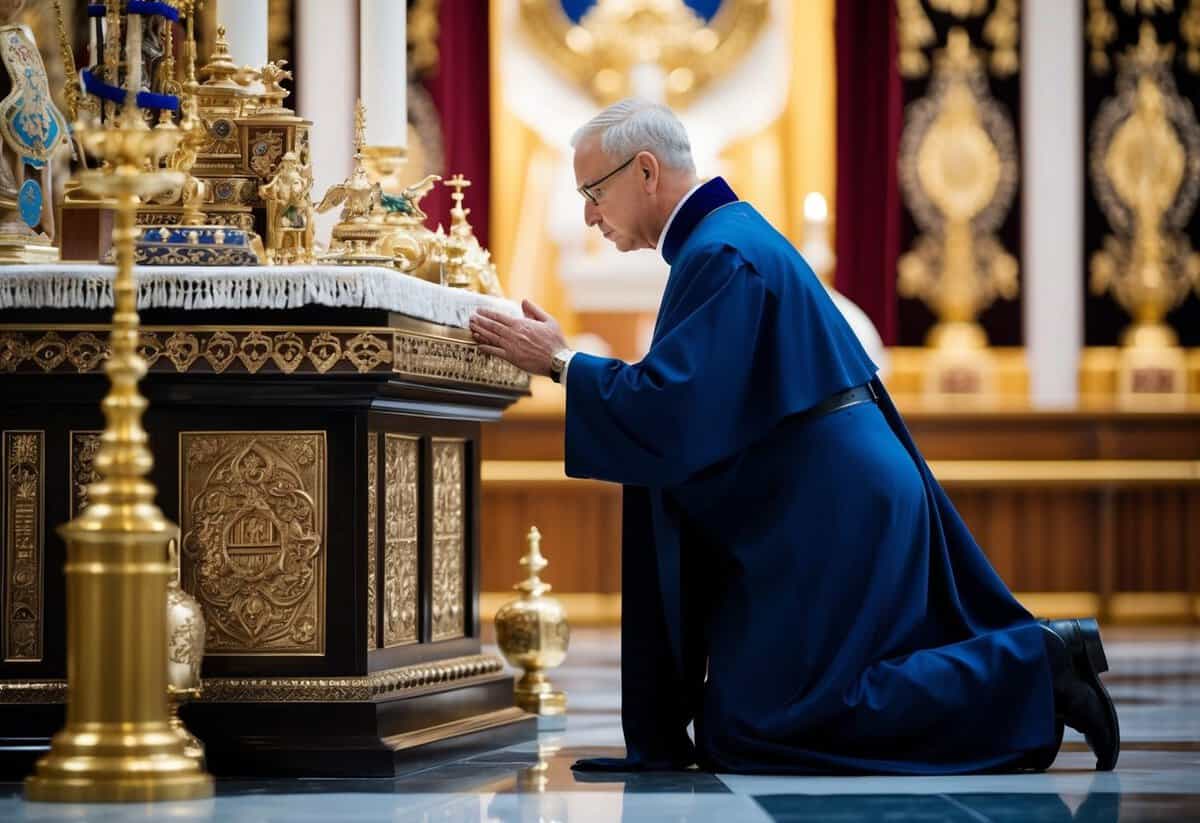
In ordination, various ceremonial and symbolic elements play a crucial role. These practices not only represent the elevation of individuals to a sacred order but also embody the community’s support and the spiritual authority bestowed upon them.
Symbols and Rituals in Ordination
During an ordination ceremony, several key symbols are used. One significant symbol is the laying on of hands. This act represents the transfer of authority and blessings from the existing clergy to the candidate.
You might notice the use of sacred garments, such as stoles and dalmatics. These garments are designed to signify the ordained person’s role within the Church.
In some traditions, items like the chalice and paten are presented. The chalice symbolizes the Blood of Christ, while the paten represents the Body of Christ. Together, they underline the responsibilities of those in holy orders to lead and serve.
Ordination Vows and Their Significance
Candidates make essential declarations called ordination vows. When you take these vows, you commit to serving your faith and community.
These vows often include promises to uphold certain values and teachings prescribed by your denomination. You may also declare to preach and administer sacraments.
Such commitments are crucial as they reflect your dedication to a sacred order. They link you to a broader tradition and community, reaffirming the importance of your calling.
The act of declaring these vows publicly serves to strengthen the bonds of trust between you and the congregation.