
What Is Considered a Big Wedding in the UK? Understanding Size and Expectations
When planning your special day, you must know what qualifies as a big wedding in the UK. In general, people consider a wedding large if it has over 150 guests. This number can vary based on personal preference and cultural traditions. Some families, especially those with rich cultural backgrounds, might traditionally host significantly larger gatherings, which can even reach up to 1,000 guests.
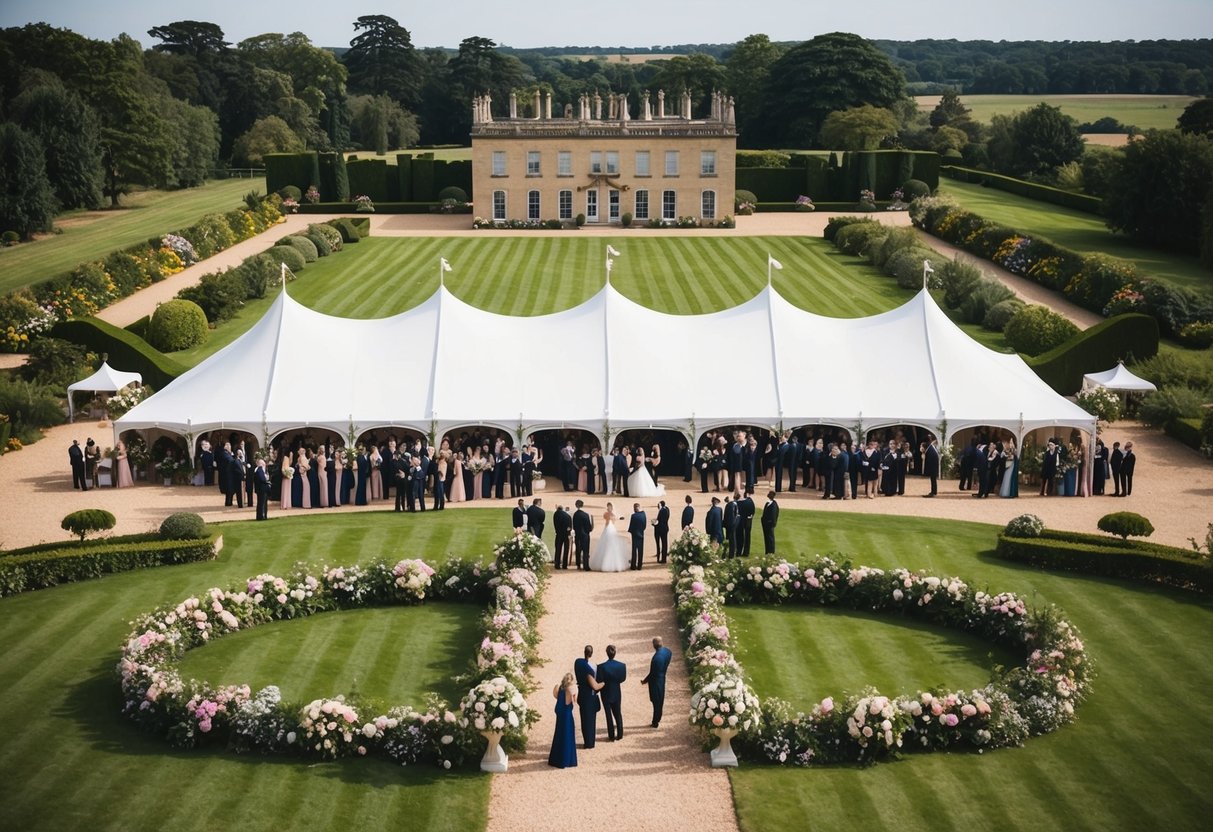
Understanding how guest count affects your wedding planning can help you make informed decisions. Maybe you envision an intimate celebration, or perhaps a festive affair surrounded by friends and family. Regardless of your taste, knowing what constitutes a big wedding can guide your choices in venue, catering, and overall budget.
As you dive deeper into your wedding planning journey, keep in mind that the size of your celebration should reflect what feels right for you. Whether it’s a small gathering or a big wedding that fills the hall, the day is all about celebrating your love in a way that resonates with you and your loved ones.
Defining a Big Wedding in the UK
When planning your wedding, understanding what counts as a big wedding can help you make decisions about your guest list and venue. Definitions can vary based on culture and personal opinions, but there are some common standards in the UK.
Understanding Wedding Sizes
Weddings are often categorized as small, medium, or large. A small wedding usually has 50 guests or fewer, allowing for an intimate atmosphere. A medium wedding might include up to 100 guests, which offers a balance between intimacy and celebration. A big wedding in the UK typically involves more than 150 guests, requiring a larger venue and more detailed planning.
There’s also a rising trend in micro weddings, which focus on small, meaningful gatherings often with fewer than 20 guests. Knowing these distinctions can help shape your planning process and ensure that your wedding reflects your vision.
The Average Number of Guests
The average number of guests at weddings in the UK can vary. Surveys suggest that the typical wedding hosts around 82 day guests and 103 evening guests. For larger gatherings, weddings often exceed 150 guests, making them considerately large events.
You might find that your friend’s wedding had a guest list of up to 200 or more. Factors such as venue size, budget, and personal preferences play crucial roles in determining how many guests you invite. Understanding these averages can assist you in planning an unforgettable celebration tailored to your needs.
Key Elements of a Large Wedding
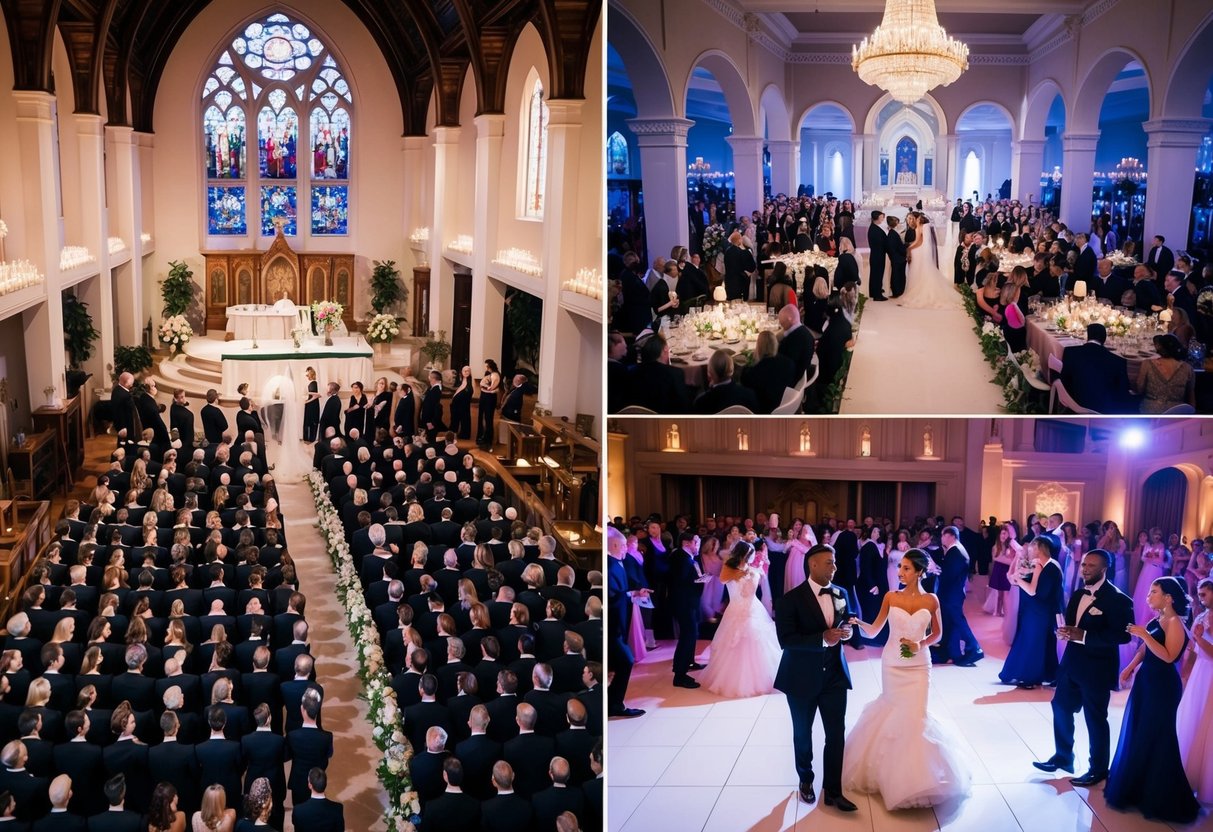
Planning a large wedding involves several critical elements that can make your day memorable. Focusing on venue selection, catering, and managing the guest list ensures that your celebration runs smoothly and joyfully.
Venue and Seating Arrangements
Choosing the right venue is crucial for a big wedding. You will want a space that can comfortably accommodate all your guests. Look for larger venues that offer ample room for dining and dancing.
Consider different types of venues, such as banquet halls, hotels, or outdoor locations. Each offers unique features that can fit your style.
Seating arrangements are another important factor. Think about how you want to group your guests. You might use round tables for a more intimate feel or long banquet tables for a communal atmosphere. Make a seating chart to help guests find their spots easily.
Catering and Menu Planning
Catering options can make or break a large wedding. Ensure that your menu caters to various tastes and dietary needs. You might include vegetarian, vegan, and gluten-free options.
When planning your menu, consider buffet-style service as it allows guests to pick what they like. Alternatively, plated meals can add a formal touch. Just be sure to check with your catering service about food logistics.
Don’t forget dessert! A large cake can be a stunning centerpiece, but consider additional sweet options to please your guests.
The Wedding Party and Guest List Management
Your wedding party plays a vital role in your big day. Select people who support you and can help with planning. Communicate with them regularly to keep everyone on the same page.
Managing an extensive guest list can seem overwhelming. Start by listing everyone you want to invite, then categorize them into groups like family, friends, and coworkers.
Using digital tools or traditional spreadsheets can help organize names, addresses, and RSVP status. Keep communication open and be ready to make tough decisions if your venue capacity is limited. Finding a balance between inviting everyone and sticking to your budget is key.
Budget Considerations for Big Weddings
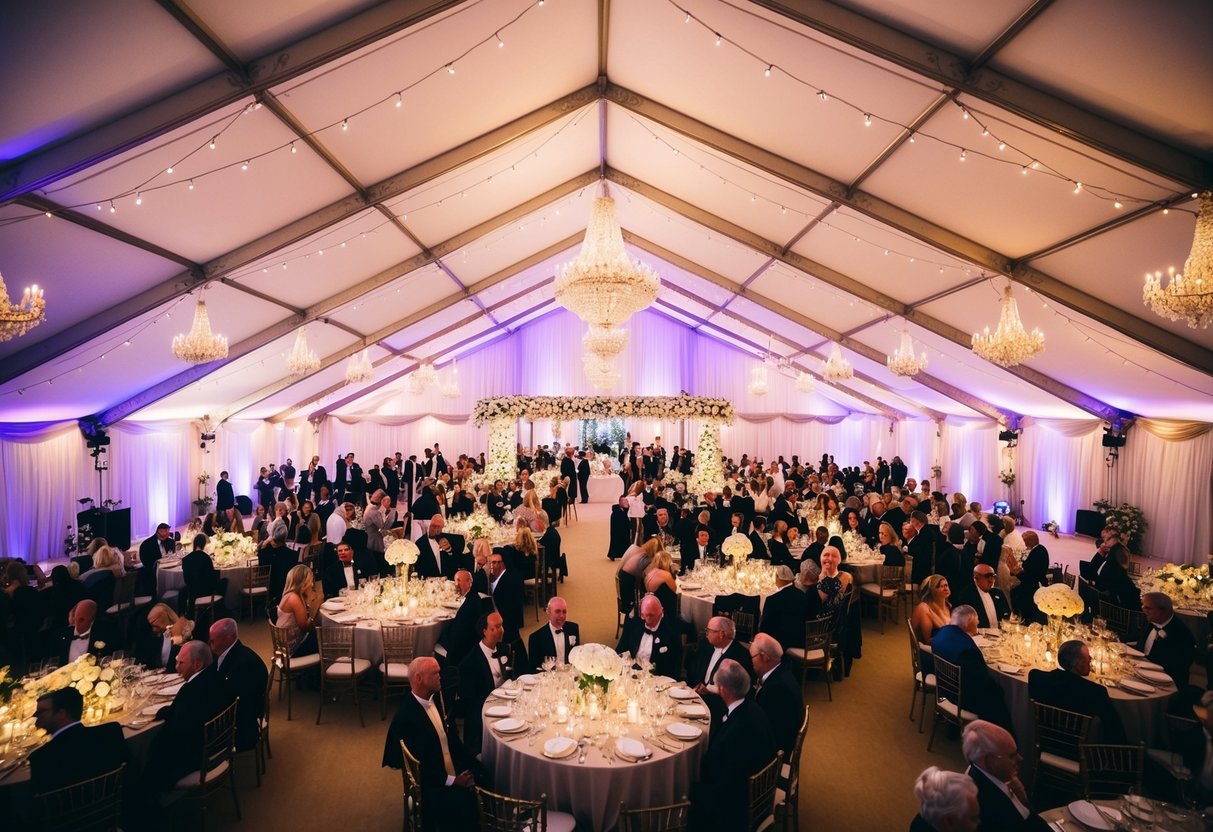
Planning a big wedding means thinking carefully about your budget. With a larger guest count, costs can rise quickly. It’s essential to estimate your total expenses and prioritize where you want to spend your money to create a memorable experience.
Estimating Wedding Costs
To estimate wedding costs, start with a clear picture of your guest count. More guests usually mean higher expenses. Break down costs into categories like venue, catering, attire, flowers, and entertainment.
You can use a simple table to help track your budget:
| Expense Category | Estimated Cost |
|---|---|
| Venue | £3,000 – £10,000 |
| Catering | £1,500 – £7,500 |
| Photography | £800 – £2,000 |
| Flowers | £500 – £2,000 |
| Entertainment | £500 – £3,000 |
Make sure to add a buffer for unexpected costs. Aim for a total budget you feel comfortable with, considering both essentials and extras.
Allocating Funds for Large Venue and Catering Costs
When allocating funds, focus on venue and catering first, as these are major expenses. For a large wedding, venues can cost anywhere from £3,000 to £10,000. Choosing a venue that fits your style and can accommodate all your guests is crucial.
Next, think about your catering costs. Depending on the menu and number of guests, catering can range from £1,500 to £7,500. You can consider buffet options or plated meals to find a balance between quality and budget.
Stay organized by creating a list of potential venues and catering options along with their prices. This helps you make informed choices while staying within your wedding budget.
Cultural and Personal Influences on Wedding Size
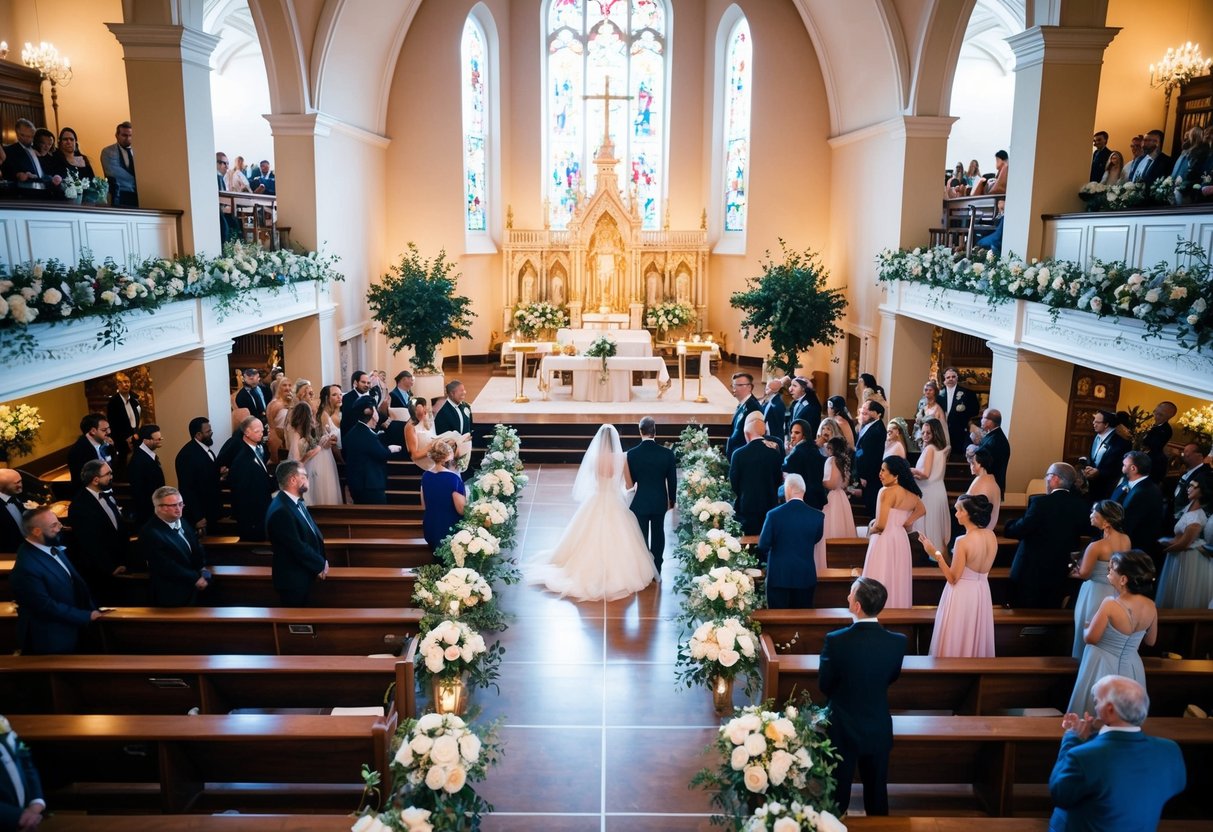
Your wedding size can be greatly influenced by cultural traditions and personal preferences. Understanding these influences helps you create a celebration that reflects your values and desires.
Asian Weddings and Other Cultural Traditions
Asian weddings often embrace large gatherings due to cultural significance. Families come together to celebrate, leading to guest counts that can exceed 200. Traditions such as the Chinese tea ceremony or Indian baraat add to the festivities, drawing in extended family and friends.
For example, Indian weddings are usually elaborate and may include multiple events over several days. This cultural emphasis on community means the guest list can grow considerably. It’s important to consider these traditions when planning your wedding to honor your heritage while keeping your personal preferences in mind.
Elopements and Intimate Ceremonies
Elopements and intimate ceremonies are becoming more popular. Many couples prefer a smaller, more personal event with just a few close friends or family. This choice often reflects a desire for a stress-free day focused on the couple rather than large social expectations.
Intimate gatherings may range from 10 to 50 guests. This allows for a deeper connection with those present.
Planning an elopement or small wedding can be less expensive. It also offers creative freedom, as you can choose unique venues or themes that reflect your style.