
What Is It Called When Bride Walks Down the Aisle? Discover the Meaning Behind This Beautiful Tradition
As you plan your wedding, you might wonder about the special moments that make up your ceremony. The moment when the bride walks down the aisle is often referred to as the processional. This is when all eyes are on you, creating a magical and emotional atmosphere that highlights the significance of the day.
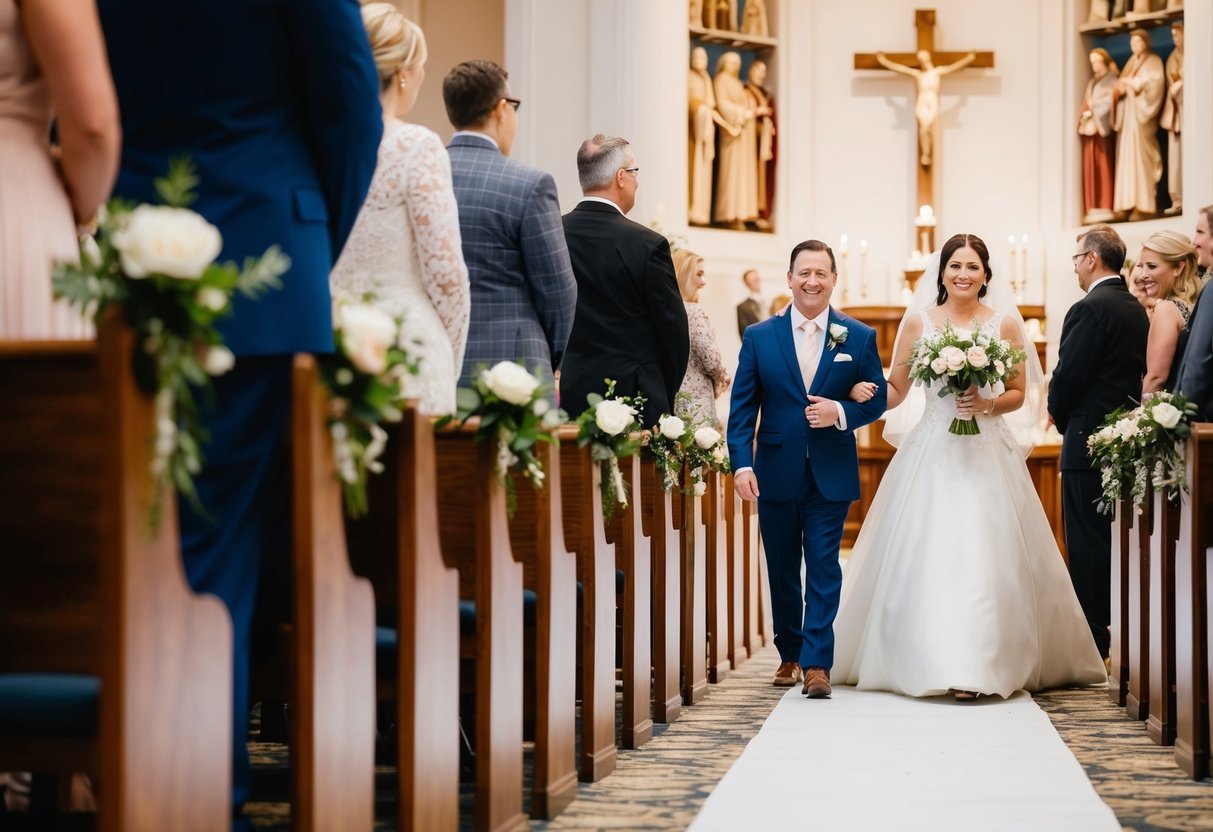
This tradition is not just about the walk itself; it reflects your personal preferences and choices. You can choose who walks with you, whether it’s your father, another family member, or if you prefer to walk alone. Each decision adds to the meaning of the day and the unique flavor of your wedding ceremony.
Understanding this moment helps you appreciate its place in wedding traditions and how it can be tailored to fit your story. Embrace the excitement, knowing it’s one of the highlights of your wedding day!
The Wedding Processional
The wedding processional marks the beginning of the ceremony, where the bride makes her grand entrance. Understanding the roles, order, and cultural variations can help you plan this important moment.
Roles and Order
During the processional, each member of the wedding party has a specific role to play.
Generally, the sequence begins with grandparents, followed by parents of the couple, like the mother of the bride and groom, taking their seats.
Next come the bridal party, including groomsmen and bridesmaids, arranged in pairs or single file.
The maid of honor walks alone, usually right before the bride. Finally, the moment everyone waits for arrives: the bride enters, often escorted by her father or another important figure. Each culture has its own variations in this order. In a Jewish wedding processional, for instance, the groom might enter with his parents, while in a Hindu wedding, the baraat may arrive in a festive parade.
Cultural Variations
The wedding processional has unique styles depending on cultural traditions.
In Christian weddings, the processional often includes hymns and may have a specific order, like the flower girls and ring bearers preceding the bride.
In contrast, Hindu ceremonies feature the mandap, where the groom and his family arrive first, often on horseback. This celebration is vibrant and joyous, showcasing traditional music and dance.
For Jewish weddings, the chuppah is central, and the order may involve the bride circling the groom. In nondenominational ceremonies, couples often blend traditions that resonate with them personally, leading to a unique and meaningful experience.
Significant Wedding Ceremony Elements
When planning a wedding, several key elements contribute to the ceremony’s significance. Understanding the importance of these moments can help you create a heartfelt experience for everyone involved.
Walking Down the Aisle
Walking down the aisle marks a special moment in your wedding ceremony. This act, known as the processional, usually begins with the wedding party entering in a specific order.
Traditionally, the father of the bride escorts you to the altar, symbolizing a transition into married life. Along the way, the flower girl and ring bearer may also walk, adding charm and innocence to the scene.
A fitting wedding processional song, like the “Bridal Chorus” or the “Wedding March,” enhances the emotional atmosphere as you approach the officiant. This moment sets the stage for exchanging vows and rings, making it unforgettable.
Symbolism and Traditions
The act of walking down the aisle is rich in symbolism. It represents your journey toward commitment and unity with your partner. In a Christian ceremony, this moment may signify the bride’s acceptance of her new role in a shared life.
Traditions can vary based on culture. For instance, some weddings include a chuppah, or canopy, under which vows are exchanged. You might even choose to have a family member or friend walk you down the aisle instead of your father.
Post-Ceremony Celebrations
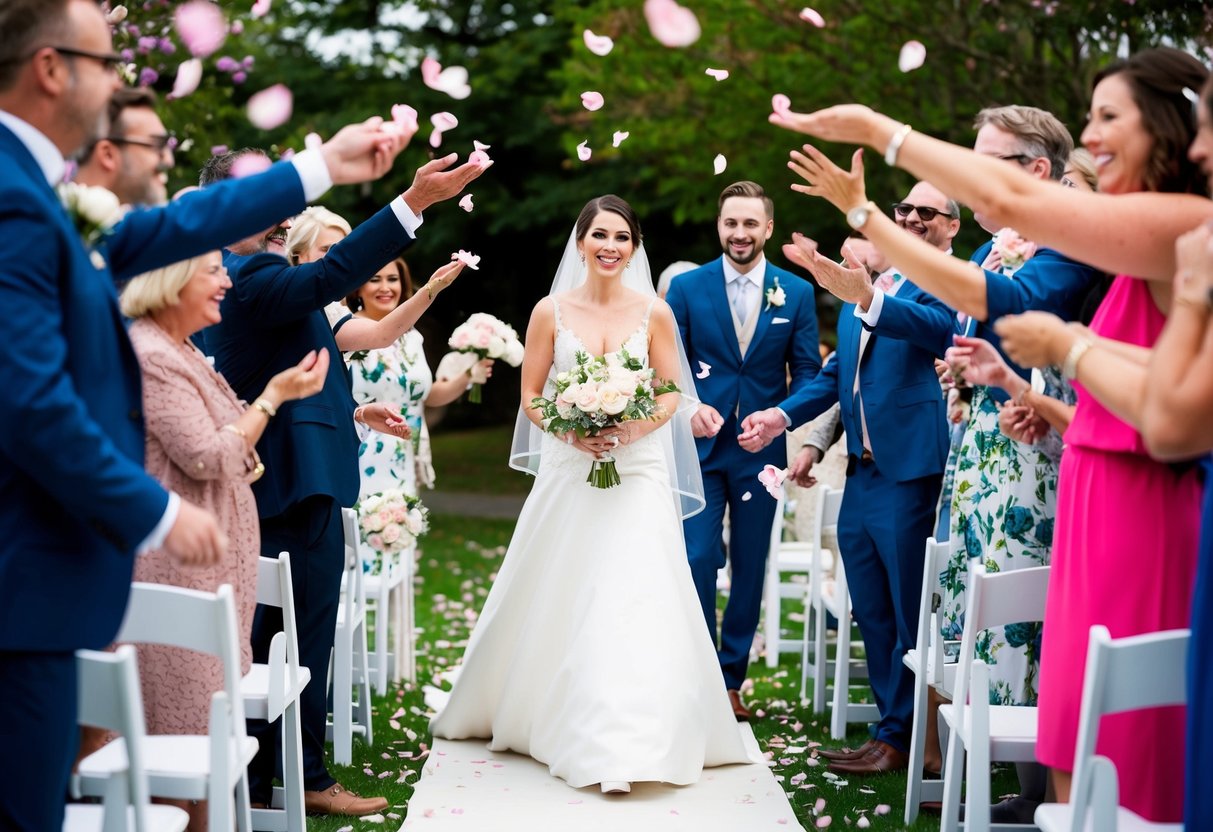
After the bride walks down the aisle, the ceremony wraps up, and the fun begins! This is your time to celebrate with loved ones.
One key moment is the first dance. This is often a special song for you and your partner that sets the tone for the evening. Practice together to make it memorable!
Don’t forget the bridal party! They play important roles in your day. Your friends and family can help plan group photos and keep the mood joyful.
Consider sharing stories with a wedding historian. They can capture your unique journey, even if you chose an arranged marriage. It’s a way to honor traditions while celebrating your love.
The ceremony venue often transforms for the celebrations. It might be decorated for a party atmosphere, making it a beautiful backdrop for your memories.
Enjoy the space with your guests, dancing and sharing laughs.
Make sure to have a variety of food and drinks. This will keep everyone energized and engaged throughout the celebration.
Games and activities can add to the fun. Think about a photo booth or a mixed playlist to get everyone on the dance floor!
These moments after the ceremony help create lasting memories. Enjoy every second with your partner and guests!