
What is it called when the groom pays the bride’s family? Understanding the Tradition of Bride Price
When it comes to wedding customs, you might wonder what it is called when the groom pays the bride’s family. This practice is known as bride price or bridewealth. It involves the groom or his family paying the bride’s family before the marriage occurs. This tradition can vary greatly depending on cultural backgrounds and family customs.
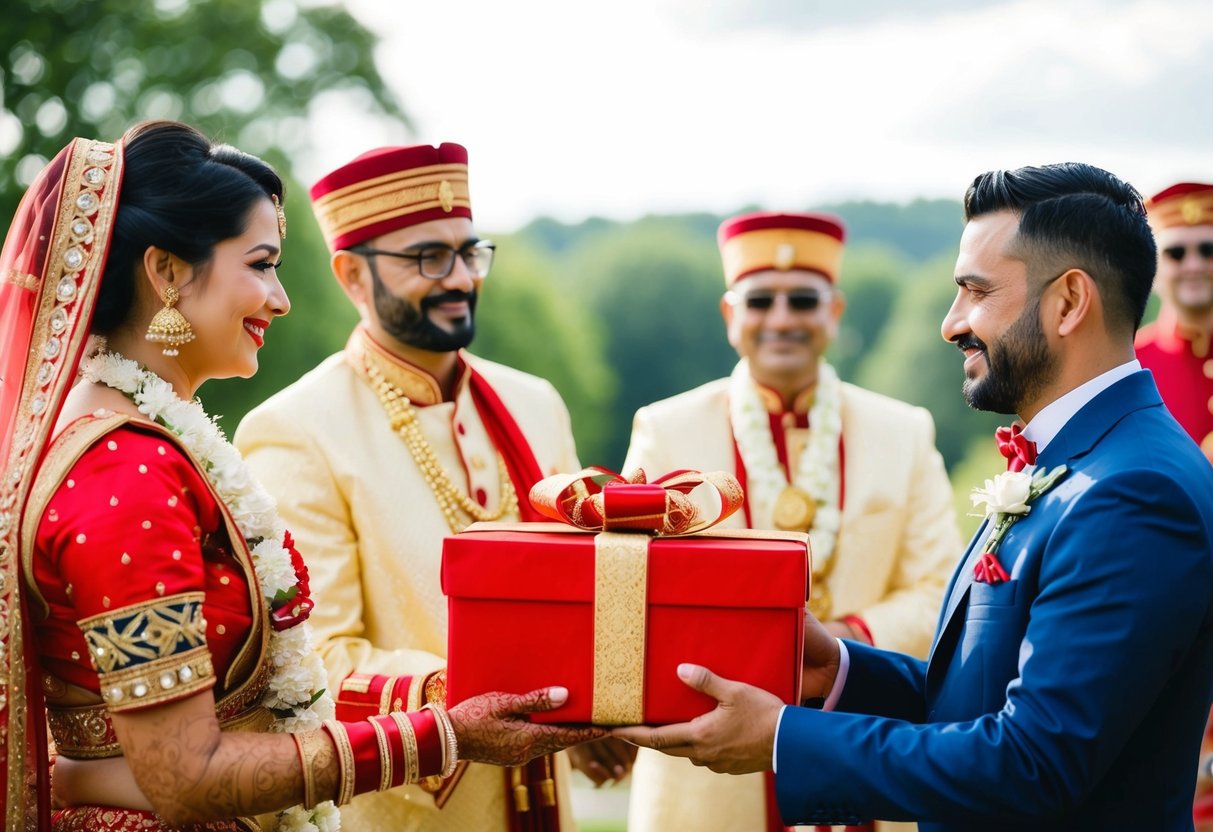
Understanding this custom can help you appreciate the different ways families may navigate marriage. The bride price reflects the groom’s family’s commitment and respect for the bride’s family, which can strengthen family ties. It’s also important to note how this differs from a dowry, where the bride’s family gives gifts or money to the groom’s family.
Whether you’re planning a wedding or just curious about marriage traditions, knowing about bride price can broaden your perspective on how families contribute to this important life event. Each culture has its unique practices, and exploring these can be both interesting and enlightening.
Cultural Significance and Historical Roots

Understanding the cultural significance and historical roots of payments made by the groom to the bride’s family can give you a clearer view of marriage customs. This practice varies widely across different cultures and eras, each with unique meanings and traditions.
Dowry and Bride Price Explained
In many societies, a dowry is the property or money brought by the bride to her husband at marriage. This custom is common in parts of Asia and Europe. A dowry often helps establish the new household and can provide financial security for the wife.
On the other hand, the bride price is a payment made by the groom or his family to the bride’s family. It’s prevalent in African cultures and signifies respect and alliance between families. This payment is associated with the idea of compensating the bride’s family for the loss of their daughter.
Historical Perspectives
Historically, the concept of bride price can be traced back to ancient civilizations. You can find references in the Code of Hammurabi, which outlined marriage customs in Babylon. Ancient Greece also had practices involving exchanges of gifts and resources between families.
In Islam, mahr is a mandatory payment given to the bride. It symbolizes the groom’s commitment and can range from monetary to non-monetary gifts. The acceptance of these customs reflects the societal values and legal structures of those times, connecting families and reinforcing alliances.
Modern Interpretations and Practices
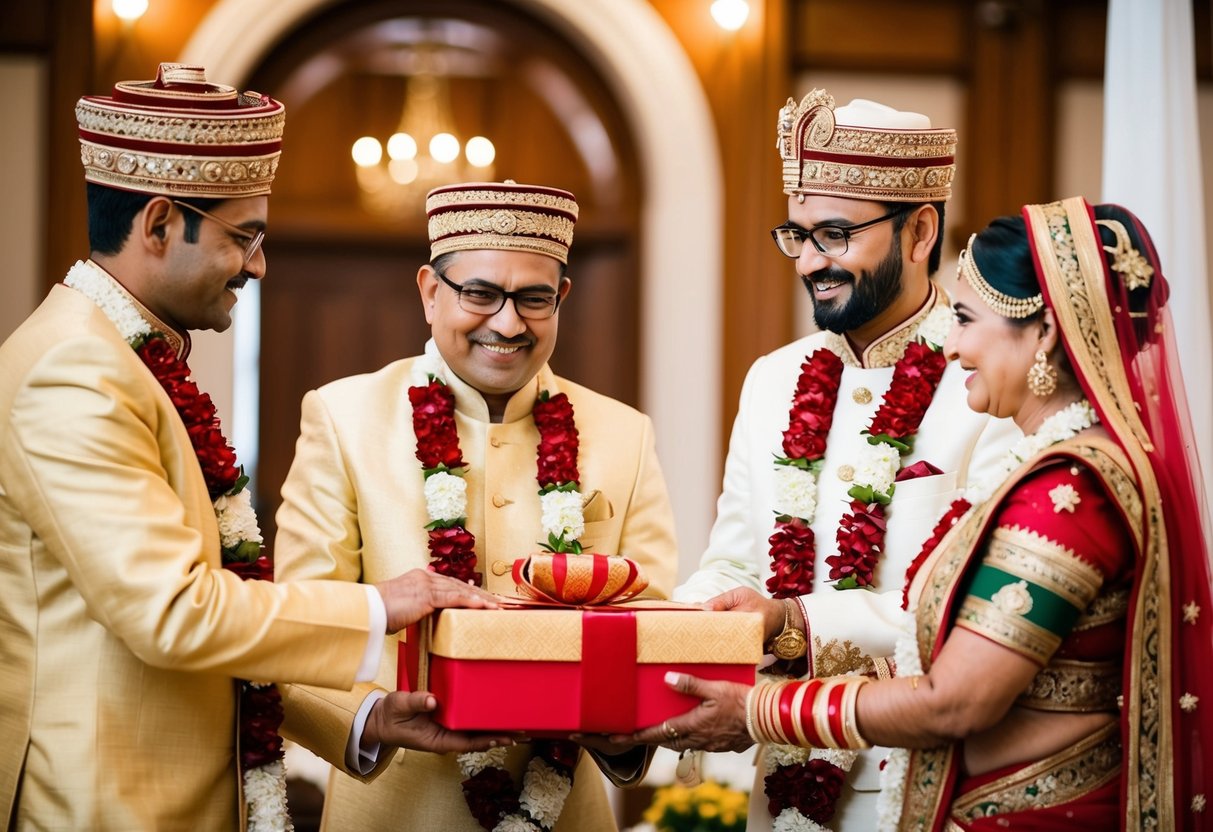
In today’s world, the practice of the groom paying the bride’s family has evolved. Different cultures now have unique ways of interpreting this tradition. You’ll find that meanings, practices, and expectations can vary widely depending on the region and society.
Variations Across Cultures
Cultural traditions around paying the bride’s family differ greatly. In some cultures, like in Sub-Saharan Africa, the idea of a brideprice is common. Here, the groom’s family gives a payment to the bride’s parents, showing respect and commitment.
In contrast, in Thailand, the concept of bridewealth is integrated into wedding ceremonies. This may include valuable items or money presented to the bride’s family.
You might also encounter different practices depending on marital structures. For example, societies accepting polygamy often have different expectations compared to monogamous societies.
Legal and Societal Implications
The payment to the bride’s family can have legal implications. In some areas, it’s recognized as a legitimate contract. It can dictate the rights and responsibilities of both families after marriage.
Societal views on these practices are shifting as well. Many now see these traditions as outdated. Still, in regions like the Middle East, paying the family is a way to ensure a strong family bond.
Understanding these nuances helps you appreciate how marriage customs evolve.
Financial Aspects of Weddings

Understanding the financial side of weddings is key to planning your big day. You need to consider how much you can spend and who will be contributing to various expenses.
Budgeting for the Big Day
Creating a wedding budget is one of the first steps you should take. Start by listing all the wedding-related expenses you can think of. This can include costs for the venue, catering, decorations, attire, and the officiant.
Make sure to set realistic amounts for each category. It’s also wise to include a buffer for unexpected costs. Weddings often come with surprises, so having extra funds can save you from stress.
Consider discussing your budget with your partner and family. Open communication about financial expectations can help streamline the planning process. Everyone can understand the financial contribution they are willing to make.
Who Pays for What?
Traditionally, many people believe that the bride’s family covers the wedding costs. This can include all major expenses, while the groom’s parents might chip in for the honeymoon.
In modern weddings, these roles can vary greatly. Often, couples pay for their wedding together, sharing expenses based on their financial situation. This change makes money conversations easier since both families may contribute.
Here’s a quick breakdown of who might pay for what:
- Bride’s Family: Venue, catering, and décor
- Groom’s Family: Honeymoon and rehearsal dinner
- Couple: Rings and some personal expenses
Discussing these roles can help avoid misunderstandings and ensure everyone knows where the money is going.
Navigating Family Contributions
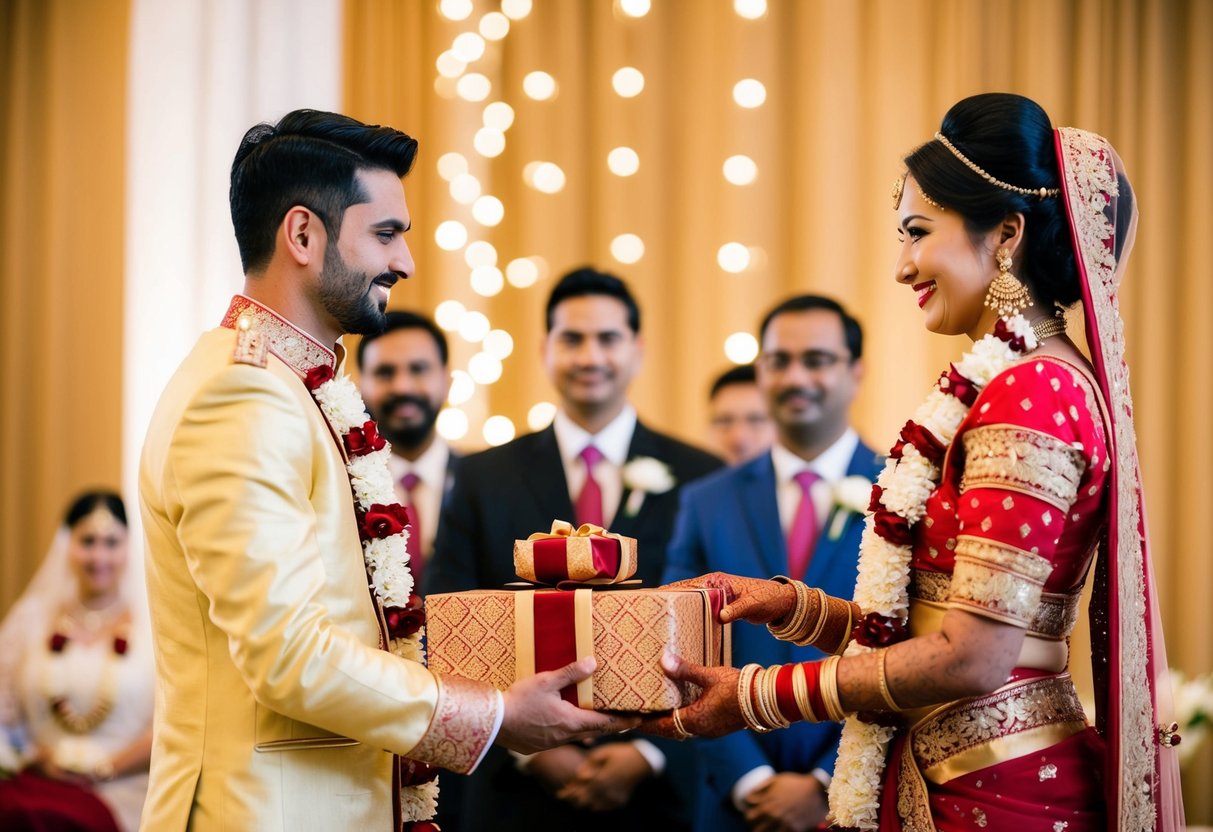
Understanding how to manage family contributions can help make your wedding planning smoother. Clear communication and setting expectations are key to ensuring everyone’s needs are met.
Communication and Compromise
Start by having an open discussion with both families about financial responsibilities. This includes who will cover the wedding venue, the officiant fee, and the rehearsal dinner.
You might discover that the bride’s family is willing to pay for certain costs, like the engagement ring or flowers, while the groom’s family might take on another part, such as paying for the honeymoon or wedding rings.
Be prepared to compromise. For example, you might agree that the groom’s family pays for the honeymoon if the bride’s family covers the marriage license fee.
Finding a balance will ensure both families feel included in the planning. Keep the conversation friendly and solution-focused to maintain a positive atmosphere.
Setting Expectations
Clear expectations prevent misunderstandings and ensure everyone knows their roles. Discuss how expenses will be shared, including major items like the venue, catering, and wedding party costs.
Make a list of who pays for what, so everyone involved understands their contributions. This can include details like who funds the flowers or covers the rehearsal dinner.
It’s helpful to check in regularly as plans develop. If a budget change occurs or a family member wants to alter contributions, talk about it right away. Keeping lines of communication open will ease tensions and help everyone stay on the same page throughout the planning process.