
What Is It Called When You Get Married Without Telling Anyone? Exploring Secret Weddings
If you have ever wondered about getting married quietly, you might be curious about what it’s called when you tie the knot without anyone knowing. This is known as elopement, a term that describes a private marriage that often happens in a sudden or secretive manner.

Elopement allows couples to make their union official without the need for a large celebration or inviting anyone else. Often, this choice comes from a desire for intimacy and simplicity, or maybe even to avoid family drama.
As you read on, you’ll discover what elopement really means, why so many couples choose this route, and how it can be done successfully. Get ready to explore the ins and outs of this unique way of getting married!
Understanding Elopement
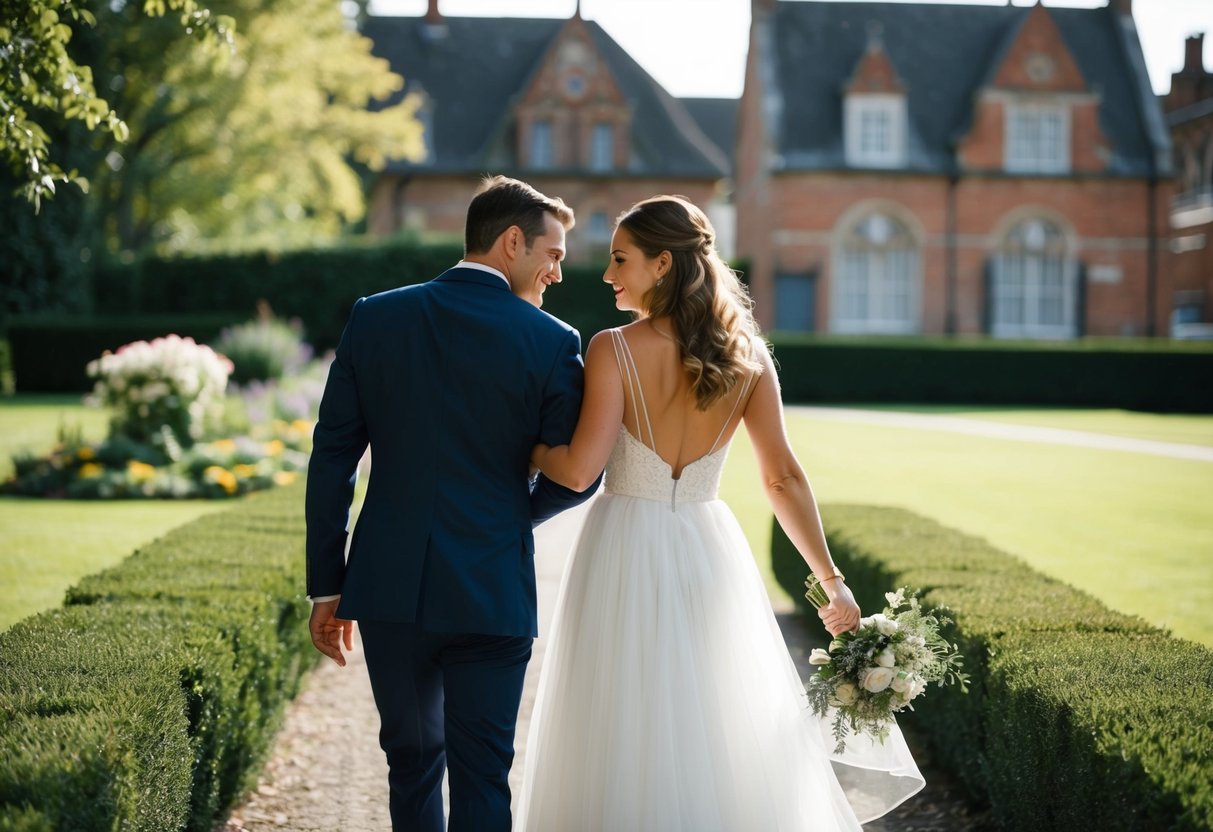
Elopement is a unique way to get married, often without telling anyone. It allows couples to celebrate their love and commitment in a more private setting.
In this section, we will explore what elopement means and how it differs from traditional weddings.
What is Elopement?
Elopement means getting married without a big ceremony or telling many people. Traditionally, this could mean running away to get married in secret.
Today, eloping doesn’t always mean hiding. Many couples choose to invite a few close friends or family members. Elopements can be small and intimate, allowing for personalized vows and experiences.
You can have a special location for your ceremony, like a beach, a forest, or even a favorite park.
For legal issues, you still need a marriage license. The requirements can vary by state, so check local laws for what’s needed.
Elopement Vs. Traditional Weddings
Elopements and traditional weddings serve the same purpose of joining two people in marriage. However, they are quite different in scope and planning.
Traditional weddings can involve:
- Large guest lists
- Formal venues
- Elaborate ceremonies and receptions
In contrast, elopements tend to focus on a couple’s personal desires. They eliminate much of the stress that can come with planning a big event.
Couples can spend their budget on experiences instead of the typical wedding expenses. This provides more freedom to choose how and where they celebrate their vows.
Both options have their own charm; it really depends on what feels right for you. If privacy and simplicity sound appealing, eloping might be the perfect choice!
Planning Your Secret Wedding
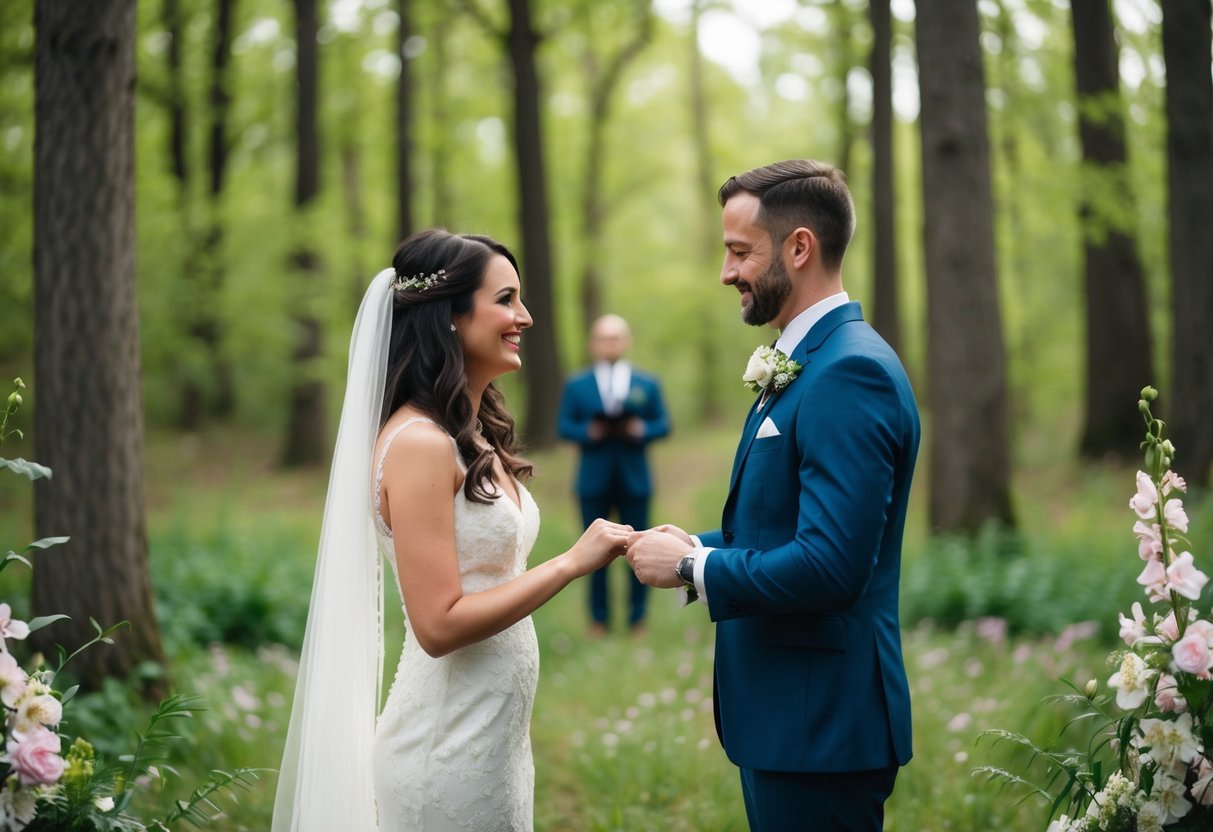
Planning a secret wedding requires careful consideration of a few key details. You want your day to feel special while keeping it intimate and discreet.
Here are some important aspects to think about as you prepare for your private ceremony.
Choosing the Perfect Elopement Dress
Finding the right elopement dress is essential for your special day.
Start by considering the setting of your ceremony. If you’re heading to the beach, think about a lightweight, flowy gown. For a more rustic setting, a vintage-style dress may be fitting.
Make sure you feel comfortable and confident in what you choose. Since this is a secret wedding, you might opt for a simpler style that is easy to wear.
Decide on colors that reflect your personality. Choosing a dress that brings you joy will make the day even more memorable.
Deciding the Guest Count
With a secret wedding, you get to control the guest count.
Many couples choose to keep it just between the two of them, while others may include a few close friends and family. Think about who really matters to you on this day.
Creating a list of potential guests will help you see what feels right. You may want to limit it to only your closest supporters to keep things intimate.
Don’t forget to ensure everyone can keep the secret. Trust is crucial here since you want to avoid any leaks about your big day.
Finding the Right Officiant
Selecting the right officiant for your private ceremony is another important step.
You can choose a friend or family member who can perform the ceremony or look for a local officiant who respects your privacy.
Make sure that the officiant understands your wishes for the wedding. Discuss the tone you want, whether casual or more traditional.
You’ll want someone who can create a comfortable atmosphere so that the day feels personal for both of you.
Take the time to meet with potential officiants to see who you connect with best. Finding the right fit will make your secret wedding feel special and tailored to your needs.
The Legalities of Elopement
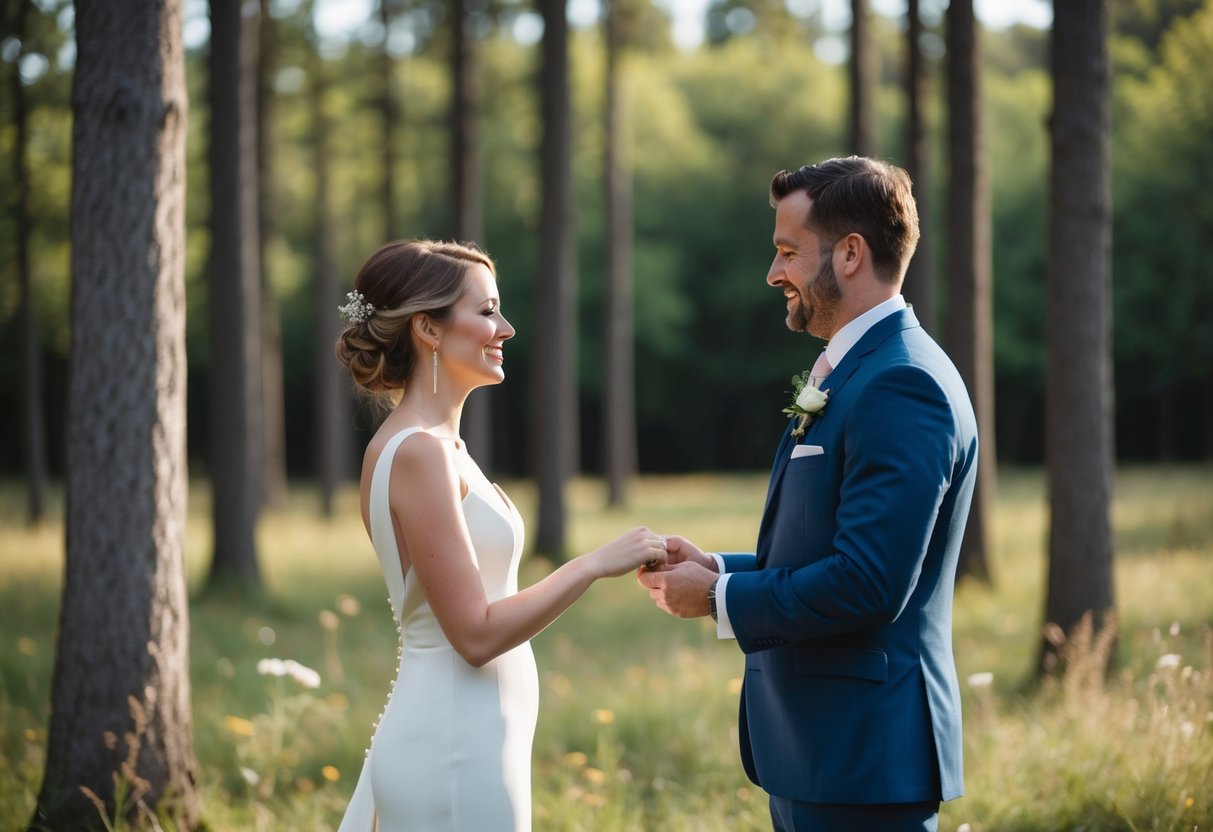
If you choose to elope, understanding the legal requirements is essential to ensure your marriage is recognized. This section covers the importance of obtaining a marriage license and the role of civil marriages in the elopement process.
Obtaining a Marriage License
Before you elope, you need a marriage license. This document is crucial for your marriage to be legally recognized.
Each state has its own rules about how to obtain this license.
Key points to remember:
- Check State Laws: Research the specific requirements in your state, as these can vary widely.
- Application Process: You typically must fill out an application and may need to provide identification.
- Waiting Period: Some states have a waiting period before the license is effective, so plan ahead.
Make sure to follow the required steps to avoid any legal issues later.
Understanding Civil Marriage
A civil marriage is a legal contract between two people, often performed by a public official.
If you elope, you can choose a civil ceremony, which can be simple and quick.
Important considerations include:
- Officiant Requirement: You will need someone authorized to perform the ceremony. This could be a judge or an officiant.
- Witnesses: Many states require at least one witness to sign the marriage license during the ceremony.
- No Need for a Big Ceremony: A civil marriage allows you to avoid the traditional wedding yet remains legally binding.
Eloping is a valid way to marry as long as you meet the legal requirements in your state.
After the Elopement
Once you’ve tied the knot in a private elopement, you’ll want to consider how to share this exciting news and manage any formalities that come with being married.
Moving forward involves a few important steps, especially regarding health insurance and recognizing your commitment.
Announcing Your Marriage
After eloping, you might want to share your joyful news.
Think about how you want to announce your marriage. You can choose to tell family and friends directly or create a fun announcement through social media.
Consider sending out announcements with a photo from your elopement ceremony. It can be a nice way to share your adventure.
You can also plan a small celebration or a commitment ceremony later to include loved ones who weren’t part of the elopement. This way, you celebrate your nuptials while keeping the excitement of your secret marriage.
Navigating Post-Elopement Formalities
After your elopement, don’t forget about formalities like changing your name or updating health insurance. If you decide to change your last name, make sure to update all your important documents, like your ID and bank accounts.
Inform your health insurance provider, especially if your marital status impacts your coverage. Make sure you understand how this change may provide new benefits.
Finally, check local laws regarding marriage certificates. You’ll need these for things like joint filing of taxes or updating benefits.
These steps will help you transition smoothly into your new life as a married couple. Keep everything organized to enjoy this new chapter without stress.