
What Is It Like to Have a Destination Wedding? A Journey of Love and Adventure
A destination wedding can be a magical and memorable experience. You get to choose a beautiful backdrop, whether it’s a tropical beach, a charming vineyard, or a historic castle, making your special day truly unique.
Planning a destination wedding often means dealing with logistics from afar, but it also allows you to focus on what really matters—celebrating with your closest friends and family in an unforgettable location.
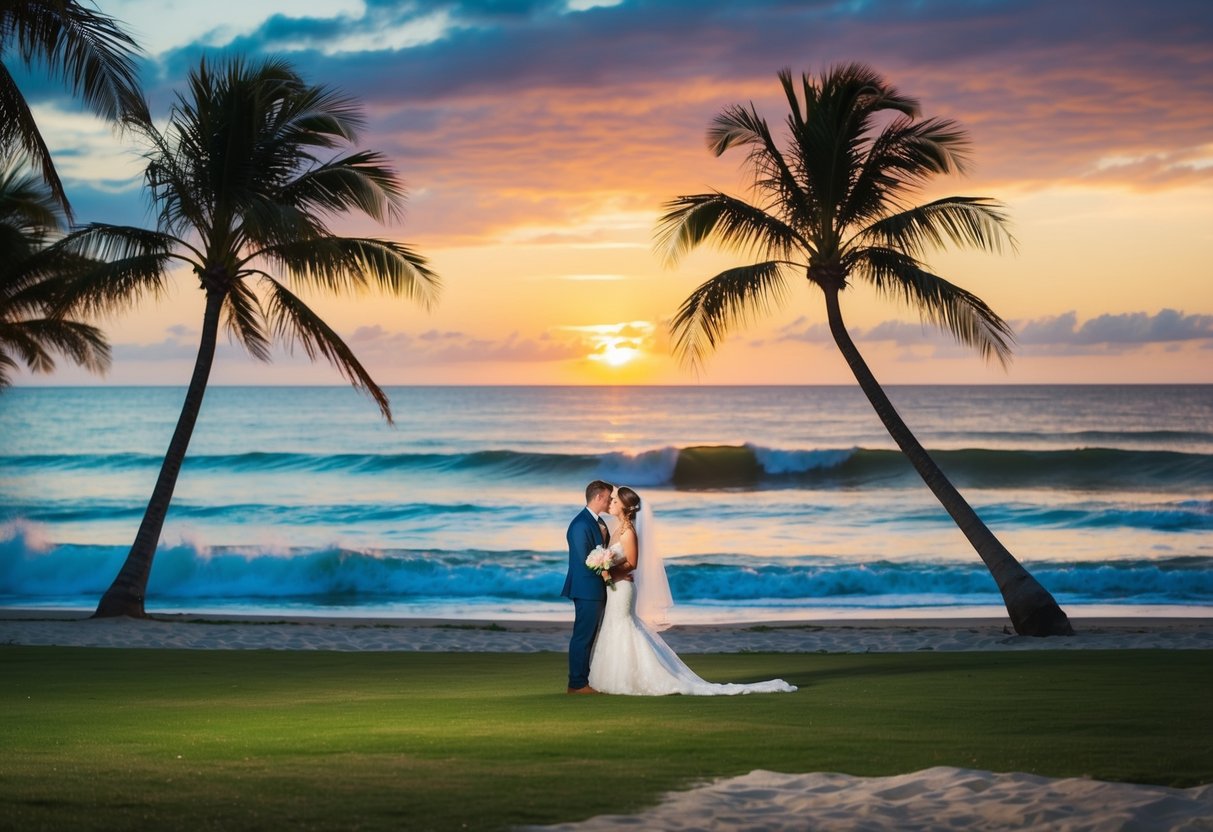
As you embark on this journey, consider the beauty of an intimate gathering among loved ones in a stunning setting. The excitement of traveling to a new place can enhance the celebration, creating lifelong memories.
Planning a destination wedding may seem daunting, but you can find many resources and support to help make the process smoother.
The best part about choosing a destination wedding is the variety of options available. From the sun-kissed shores of the Caribbean to the elegant streets of Europe, there is a perfect destination waiting for you. The experiences you create and the stunning scenery will serve as the perfect backdrop for the start of your new life together.
Choosing the Perfect Destination
Picking the right location for your destination wedding is essential. It affects your budget, guest experience, and the overall vibe of your special day.
Consider popular spots, venue options, and local legal requirements to ensure a smooth planning process.
Popular Locations
When choosing a destination, the Caribbean and Mexico are top picks. The Caribbean offers stunning beaches, vibrant cultures, and beautiful resorts. Locations like Jamaica and the Bahamas are famous for their picturesque settings.
In Mexico, places like Riviera Maya and Cancun provide luxurious options with all-inclusive resorts. These areas often have wedding packages that simplify planning. Don’t forget to consider your guests. Choose a place that is accessible and has activities for everyone to enjoy.
Evaluating Venues
Next, you will want to evaluate potential wedding venues carefully. Look for places that match your style, whether it’s a beach, a historic mansion, or a villa.
Many venues offer wedding packages that include catering, decorations, and even coordination services. Make sure to read reviews and ask for references from other couples.
Additionally, think about your guest count. Some venues can accommodate large parties, while others are more intimate. Visit the venues if possible, or take a virtual tour to get a feel for the space.
Local Legal Requirements
Finally, understand the local legal requirements for getting married in your chosen destination. Each country and region may have different laws.
For example, in Mexico, you might need to provide certain documents, such as birth certificates and a valid ID. It’s essential to check these details early on to avoid any last-minute issues.
Many venues also provide assistance with legal paperwork, which can help ease the burden of planning. Knowing these requirements will ensure that your wedding day goes off without a hitch.
Planning Your Destination Wedding
Planning a destination wedding is exciting but can feel overwhelming. You need to make key decisions about hiring a wedding planner, selecting a suitable wedding package, and managing your guest list effectively.
Each step will help make your special day unforgettable.
Working with a Wedding Planner
Hiring a wedding planner can ease much of your stress. They are familiar with the location and can recommend venues that fit your style.
A good planner will help you with everything from vendor selection to budgeting.
When choosing a planner, look for someone with experience in destination weddings. Check their reviews and ask for references.
A planner will also know local customs and legal requirements for your wedding, making the process smoother for you.
Selecting a Wedding Package
Many venues offer all-inclusive wedding packages, which can simplify planning. These packages typically include essential services like catering, decorations, and sometimes even photography.
Reviewing what each package includes will help you find the best fit for your needs.
When comparing packages, consider your priorities. Do you want a beachfront ceremony or an elegant garden setting? Look for options that align with your vision.
Make sure to ask about hidden fees or extra costs that may arise.
Managing Guest List and RSVPs
Creating your guest list can be challenging but necessary. Think about whether you want an intimate gathering or a bigger celebration. Decide early on who makes the cut.
Once your list is ready, send out save-the-dates at least six months in advance. Provide your guests with travel and accommodation details.
Use online RSVP tools to keep track of responses easily. This helps you finalize numbers for your wedding package and ensures a smooth event.
The Big Day and Beyond
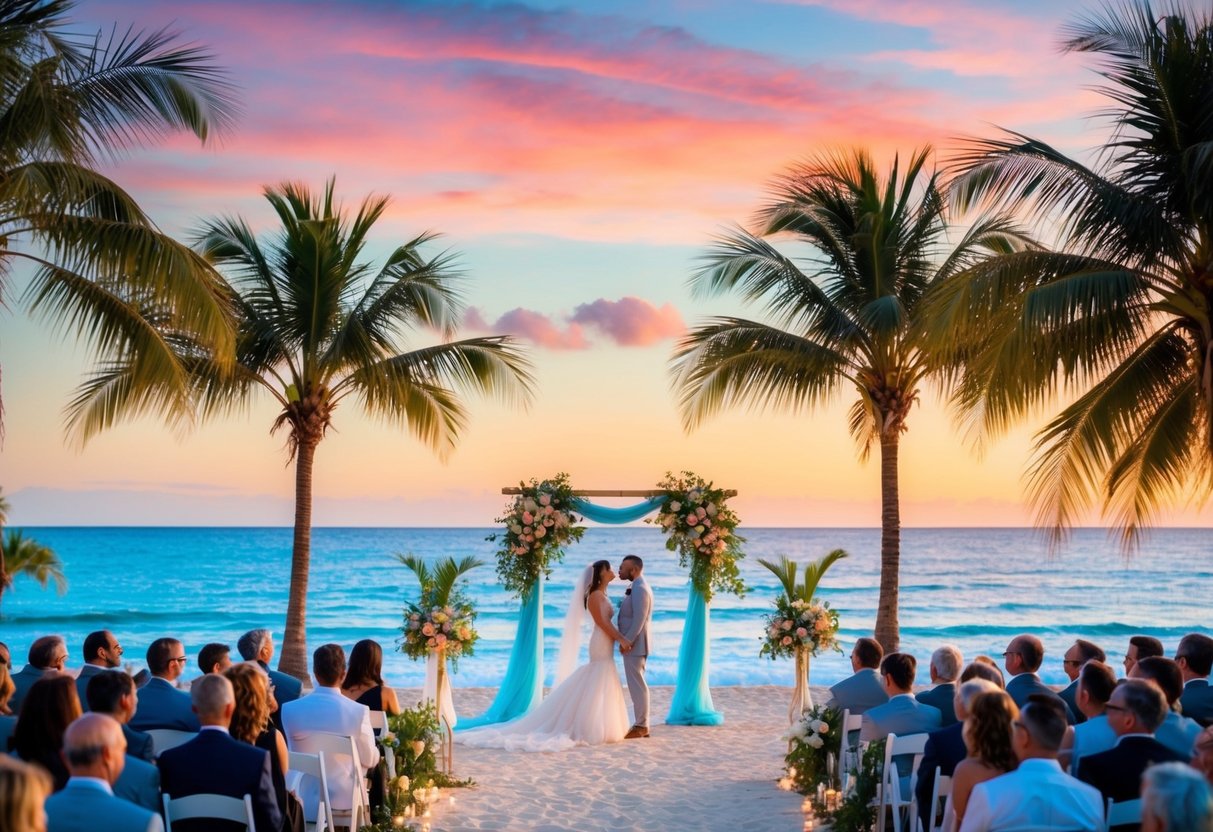
On your destination wedding day, the experience is filled with unique moments, breathtaking views, and special memories. Each aspect of the day is designed to let you enjoy time with loved ones, all while creating lasting memories in a beautiful location.
The Ceremony Experience
Imagine saying your vows with soft waves crashing in the background or under a stunning sunset. A destination wedding often takes place in breathtaking locations like beaches or gardens, making the ceremony feel magical.
Having a wedding coordinator who understands the local area can help make everything run smoothly. They will handle the details, from seating arrangements to floral arrangements.
This way, you can focus on the moment and enjoy your ceremony without stress. Your loved ones will be there to witness this special occasion, making it even more memorable.
Photography and Memories
Your wedding photos will capture more than just your vows; they will tell the story of your unique day. The stunning backdrops provide excellent opportunities for beautiful shots, whether it’s against a mountain range or a sandy beach.
Work with a photographer who knows the area well. They can suggest the best spots for photos, ensuring you get stunning images.
These pictures will serve as a reminder of not just the day but also the beautiful location that holds many memories. You’ll cherish these photos for years to come.
Extended Celebrations
A destination wedding can feel like a multi-day celebration. With guests traveling for your big day, you have the chance to spend time with them before and after the ceremony.
Plan activities like group dinners, beach days, or city tours for everyone’s enjoyment.
These built-in vacation moments allow you to create even more memories together. Whether it’s sharing a meal or exploring a new place, these experiences further strengthen your bond with friends and family. Your destination wedding not only marks your union but also offers a chance for lasting connections.
Advantages and Challenges
Destination weddings offer unique benefits and certain obstacles you should consider. These events can create memorable experiences with fewer guests, but they may require extra planning, especially regarding travel and accommodations.
Pros: Intimacy and Splendor
One of the biggest advantages of a destination wedding is the intimacy it provides. With fewer guests, you can focus on sharing special moments with close friends and family. This can lead to a more personal atmosphere where everyone feels connected.
Additionally, many destination weddings take place in stunning locations. Whether it’s a beach, vineyard, or mountain resort, the natural beauty adds to the splendor of your special day.
You might even choose an all-inclusive resort, which simplifies the planning process. These venues often provide everything you need, from catering to decorations, allowing you to bask in the experience without all the stress.
Cons: Accessibility and Logistics
A destination wedding can be beautiful, but it can also have challenges. One major issue is accessibility. Guests might struggle with travel arrangements, especially if the location is remote.
Flight schedules and transfers can sometimes make it hard for everyone to join in. Language barriers can also pose problems, especially in countries where English is not the primary language. Communicating with vendors may become complicated.
Plus, managing logistics related to accommodations, transportation, and timing can be daunting. It’s important to ensure your guests are well-informed and supported with resources for their travel needs to make the experience smoother for everyone.