
What Is the 3 Month Rule for Wedding Rings? Understanding the Tradition Behind Ring Budgeting
Many people stumble upon the “three-month salary rule” when choosing an engagement ring. This guideline suggests that you should spend an amount equal to three months of your salary on an engagement ring to show your love and commitment. While it may sound great, the rule actually has a history rooted in marketing rather than tradition.
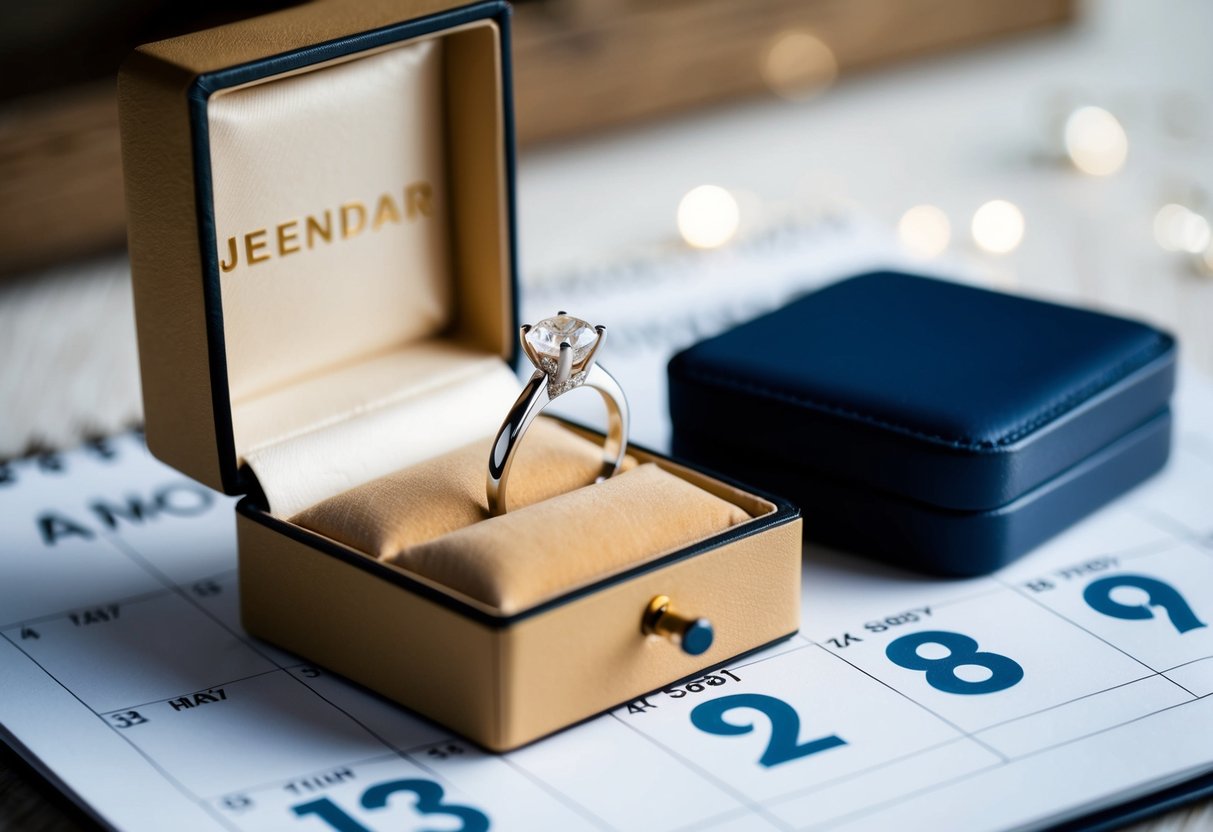
You might be wondering where this idea came from. It originated in the 1930s during a famous ad campaign by a diamond company. They wanted to encourage couples to spend more on engagement rings as a symbol of their love. Today, some couples still feel pressured to follow this rule, while others believe that the true value of an engagement ring lies more in the sentiment behind it than in its price tag.
As you think about the engagement ring for your special moment, remember that it symbolizes your love and commitment. You can choose what feels right for you, whether it’s following the three-month guideline or opting for a more personal budget. Your engagement ring is about what it means to you and your partner.
The 3-Month Salary Rule Explained
The 3-month salary rule suggests that a person should spend three months’ worth of their salary on an engagement ring. It has roots in marketing and influences how many people view spending on rings today. Let’s explore its beginnings and how people think about it now.
Origins of the Rule
The 3-month salary rule began as a marketing strategy by De Beers in the 1930s. The aim was to boost diamond sales and create a cultural expectation for spending on engagement rings. It suggested that you should invest a significant amount to show commitment and love.
At that time, the idea that love could be measured by the ring’s cost took hold. This guideline became popular, shaping how many think about the price of an engagement ring. It helped set a standard for financial expectations during a significant life milestone.
Modern Perspectives
Today, many people question the relevance of the 3-month salary rule. Financial situations differ greatly among individuals. With the average engagement ring cost around $5,500, spending three months’ salary might not fit your budget or financial responsibilities.
Instead, many couples focus on their priorities and preferences. Some prefer to spend less and put the extra money toward savings or experiences. Your choice should reflect what works best for both your finances and your relationship, rather than adhering to a traditional guideline.
Determining Your Engagement Ring Budget
Setting a clear budget for your engagement ring is an important step. It involves balancing your financial situation with your personal preferences and any sentimental value attached to the ring. Here’s how to approach it.
Assessing Financial Goals
Start by looking at your financial goals. Think about your income, savings, and other expenses. Do you have upcoming costs like a wedding or a home?
Creating a budget allows you to see how much you can comfortably spend on an engagement ring.
Consider using a simple budget calculator to help. This tool can help you visualize your spending and savings. Aim to choose a budget that reflects your financial situation without causing stress.
Understanding Personal Preferences
Your personal style plays a huge role in choosing an engagement ring. Consider the type of metal you want, the shape of the center stone, and the overall design.
Take time to research different styles. You might be drawn to classic, vintage, or modern designs.
Don’t forget to think about the ring’s size and how it fits your partner’s taste. Look for options that excite you both. Sometimes, visiting jewelers or online stores can help narrow down your choices.
Incorporating Sentimental Value
Sentimental value adds a unique touch to your ring choice. Think about family heirlooms or stones that have special meanings.
A ring with a personal story can be more meaningful than just its price tag.
You could also consider customizing a ring. Personal touches, like engraving or choosing specific gemstones, can enhance its significance. Just remember to account for any additional costs in your budget.
Choosing the Right Engagement Ring
Selecting the perfect engagement ring requires careful thought about various factors. You’ll want to consider the diamond’s quality, carat weight, the option of alternative gemstones, the type of metal used, and whether a custom design suits your style.
Evaluating Diamond Quality and Carat Weight
When choosing a diamond ring, start by evaluating the 4 Cs: cut, clarity, color, and carat weight. Each of these factors influences the diamond’s appearance and price.
- Cut refers to how well the diamond is shaped and faceted, affecting its sparkle.
- Clarity measures how many imperfections are present. A higher clarity often means a more valuable diamond.
- Color grades range from colorless to light yellow; colorless stones are usually more prized.
- Carat weight affects size and cost. A diamond of higher carat weight will be more expensive.
Consider what matters most to you and your partner. A balance between size and quality can make for a lovely diamond engagement ring.
Considering Alternative Gemstones
While diamonds are popular, many other gemstones could complement your engagement ring beautifully. Some options are sapphires, emeralds, and rubies, each offering unique color and charm.
- Sapphires come in various colors, including blue and pink. They are also durable, making them great for daily wear.
- Emeralds are valued for their vibrant green hue but have more inclusions, which could impact durability.
- Rubies symbolize love and passion with their striking red tone.
Choosing a gemstone can add personal meaning to the ring, and it may also fit your budget better than a diamond.
Exploring Various Metals
The metal you choose can greatly affect the ring’s style, durability, and comfort. Common options for engagement rings include platinum, white gold, yellow gold, and rose gold.
- Platinum is sturdy and hypoallergenic, ideal for everyday wear.
- White gold has a modern look and is more affordable than platinum but may require rhodium plating.
- Yellow gold offers a classic and timeless appearance, connecting to traditional choices.
- Rose gold adds a romantic touch with its warm, pink hue.
Consider how these metals complement your chosen stone and blend with your partner’s style.
Custom Ring Design Options
If you’re looking for something truly unique, you might want to explore custom engagement rings. This allows you to create a design that perfectly reflects your partner’s taste and personality.
Think about incorporating specific elements, such as:
- Unique settings: A halo or a bezel setting can enhance the overall appearance and security of the stone.
- Personal engravings: Adding initials or a special date can add sentimental value.
- Mix-and-match designs: You can combine different metal types or gemstones to create a one-of-a-kind piece.
Custom engagement ring designs provide the chance to make the ring a true representation of your relationship, which can make the gift even more special.