
What is the 30 5 Minute Rule for Weddings? A Guide to Efficient Planning
Planning a wedding can be a whirlwind of excitement and stress. You might have heard about the 30/5 minute rule, which helps you manage your time better on your big day. This rule suggests that tasks you think will only take 5 minutes in real life will actually take about 30 minutes on your wedding day.
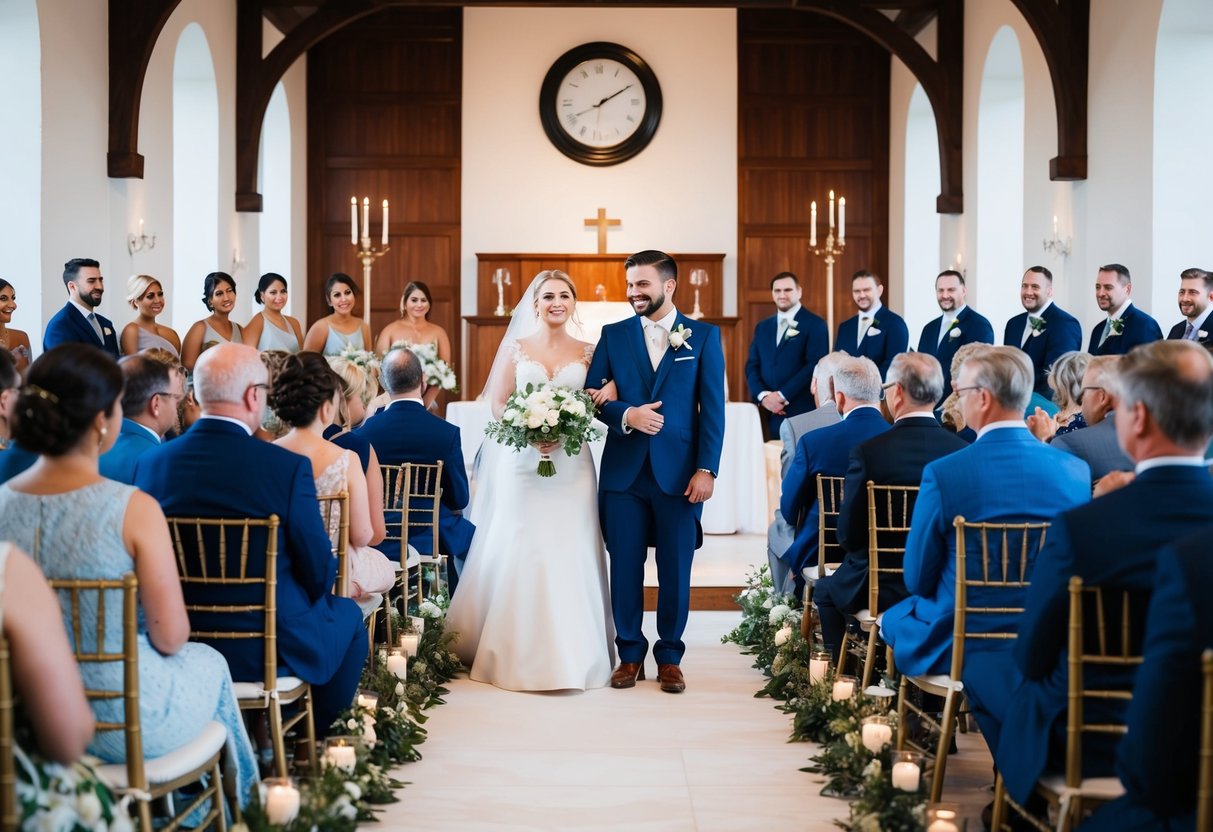
Understanding this rule is crucial for keeping your wedding schedule on track. On the wedding day, every moment seems to fly by. When you’re busy with hair, makeup, and other activities, you’ll notice that 30 minutes can feel like just 5. This can lead to rushing and stress if you don’t plan accordingly.
By keeping the 30/5 minute rule in mind during your wedding planning, you can create a more relaxed experience. You’ll feel more prepared and can truly enjoy every part of your special day.
Understanding the 30/5 Minute Rule
The 30/5 Minute Rule helps you manage time during your wedding day. It highlights how tasks that usually take five minutes can stretch to thirty minutes on such an important day. Knowing this can make a big difference in your wedding day experience.
Origins and Significance
The 30/5 Minute Rule has its roots in the hustle and bustle that often surrounds weddings. On a normal day, a task like getting ready might take only five minutes. However, on your wedding day, with hair, makeup, and many people involved, that same task can easily turn into thirty minutes.
This rule emphasizes how emotions and excitement can alter your perception of time. You might feel like everything is moving too quickly. Understanding this concept helps you plan better, allowing you to savor every moment. It also prepares you for the unexpected delays that can arise.
Implementation in Wedding Planning
To implement the 30/5 Minute Rule in your wedding planning, start by creating a detailed wedding day timeline.
Break down tasks into smaller segments, allowing extra buffer time for each one. For example, if hair and makeup are scheduled for an hour, consider planning for an hour and a half.
Make sure to communicate this timeline with your vendors, like photographers and coordinators. They need to know when to expect you so they can adjust their schedules. Having that extra time ensures a smoother flow on your wedding day, helping you embrace the joy and excitement without feeling rushed.
Creating Your Wedding Day Timeline
Planning your wedding day timeline is essential to ensure everything runs smoothly. A detailed timeline helps you manage the key events, giving you time to enjoy each moment. You’ll want to consider essential activities and allocate enough time to each.
Key Moments to Consider
When creating your timeline, focus on important moments.
Start with getting ready. Allow ample time for you and the wedding party to prepare. This includes hair, makeup, and dressing.
Next, schedule your wedding ceremony. Determine how long you want the ceremony to last, including your vows. Typically, ceremonies can last between 20 to 30 minutes.
Don’t forget family photos. These should be right after the ceremony while everyone is still in formal attire. Allocate 30 to 45 minutes to capture these special moments.
Then, plan for the cocktail hour. This is a great time for your guests to mingle and enjoy refreshments while you take more photos.
Allocating Time for Major Events
Consider all major events in your timeline.
For the wedding reception, create a clear schedule. Start with the grand entrance, followed by the first dance. This is often a highlight, so take your time.
After the first dance, you might want to plan speeches and toasts. Allocate around 15 to 20 minutes for this to keep the mood lively.
Next, determine the time for dinner. Make sure guests have enough time to enjoy their meal, usually about 1 to 1.5 hours works well.
Finally, think about other events, like cake cutting and the bouquet toss. These can fit into the remaining time during the reception.
Roles and Responsibilities
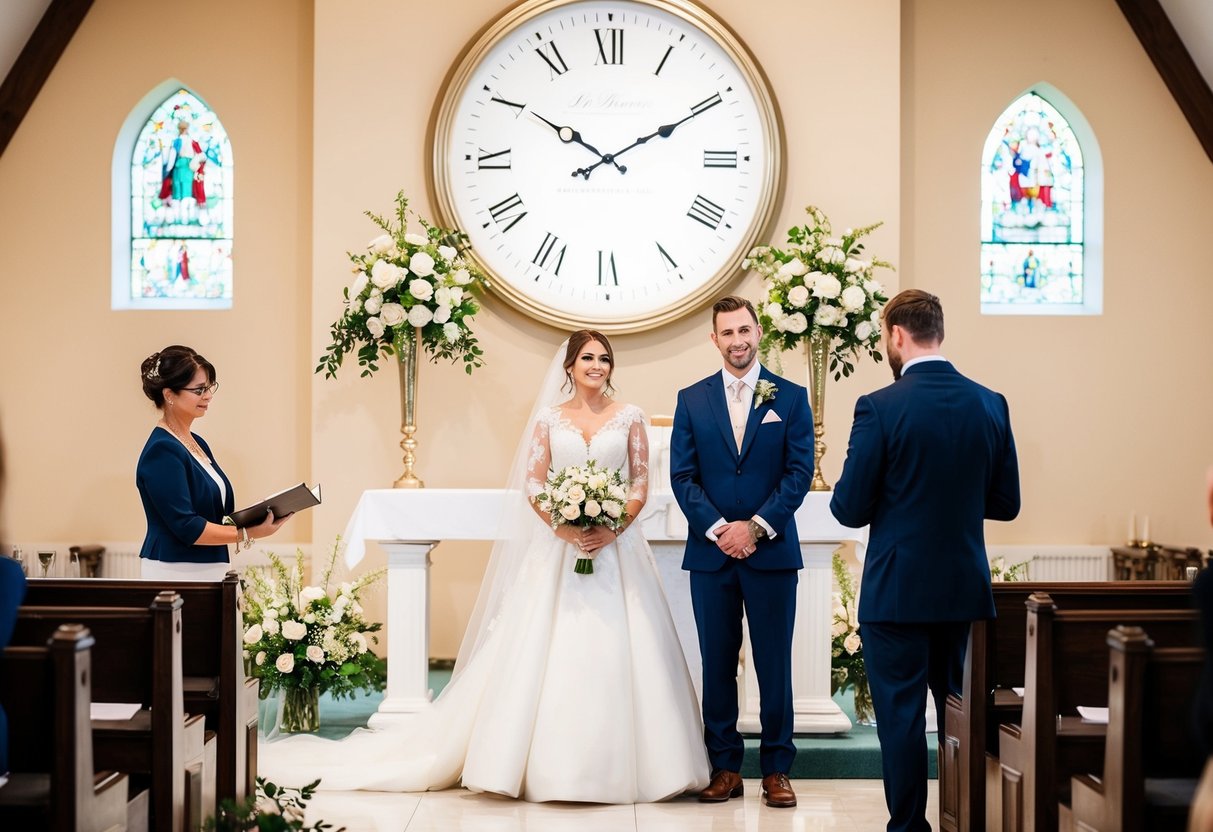
Knowing the roles and responsibilities of everyone involved in your wedding helps ensure a smooth day. Each person has tasks to manage, allowing you to enjoy your celebration.
Bridal Party and Groomsmen Duties
Your bridal party and groomsmen play vital roles on your wedding day. They are there to support you and help keep everything on track.
Bridesmaids should assist with getting dressed, helping you with hair and makeup, and keeping your spirits high. They can also coordinate activities during the preparation phase, ensuring everything runs smoothly.
Groomsmen have their own set of duties. They may help the groom get ready, manage the ring, and welcome guests.
Both groups should be familiar with the timeline, especially the 30/5 rule. When tasks take longer than expected, having extra hands can save crucial minutes.
Working with Wedding Vendors
Your wedding vendors are essential to turning your dream into reality. Working closely with them helps create a seamless experience.
Start by communicating your vision with your wedding planner. They can manage timelines and vendor coordination. This helps prevent any misunderstandings or delays.
Hair and makeup artists often have a tight schedule. Make sure everyone is prepared to get ready on time. If just one person runs late, it can affect the whole timeline.
The DJ is responsible for keeping the energy up. They should receive a detailed schedule and know when to play specific songs. Sticking to the schedule allows for a smooth transition between events.
Ensuring a Smooth Wedding Celebration

Planning your wedding involves many details. Using tips like the 30/5 rule can help you manage time and ensure your celebration goes smoothly. This section shares ways to incorporate buffer times and tips for creating a memorable day.
Incorporating Buffer Times
Buffer times are essential for a seamless wedding day.
Consider adding extra minutes to each task based on the 30/5 rule. A task that seems like it will take 5 minutes in normal life could easily stretch to 30 minutes on your big day.
For example, if your makeup is scheduled for 30 minutes, allocate 60 minutes instead. This way, you won’t feel rushed. Also, remember the 80/20 rule: spending 20% of your time planning can save you 80% of the stress during execution.
When planning your timeline, include buffer times between key moments. Schedule extra time before the ceremony for the first look or group photos. This extra time allows you to enjoy each moment without feeling pressured.
Tips for a Memorable and Stress-Free Day
To make your wedding day enjoyable, focus on what truly matters to you as newlyweds. Prioritize elements that will create lasting memories, like your first look or heartfelt vows.
Keep your guest list small if you want an intimate atmosphere. Choose a larger celebration if that feels more fitting. Trust your wedding planner or coordinator to handle the details, freeing you to focus on enjoying your day.
Create a timeline that reflects your style. Include unexpected elements that can delight guests and keep the mood light.
Simple touches, like a fun photo booth, can create joy and laughter, making your wedding celebration unforgettable.