
What is the 30 5 Minute Rule for Weddings? A Simple Guide to Timing Your Ceremony
Planning a wedding is exciting but can also feel overwhelming. You might have heard about the 30/5 minute rule, which means tasks that usually take five minutes will take thirty minutes on your big day. This is important to remember as you create your wedding timeline.
Understanding this rule helps you manage your time better and allows you to savor every moment.
Imagine getting ready with your friends and realizing that those quick tasks take much longer when you’re surrounded by emotions and excitement. Factoring in these time stretches can keep your day running smoothly and stress-free.
By planning for the 30/5 minute rule, you give yourself the chance to enjoy each part of your wedding day. You can create lasting memories without feeling rushed, letting you focus on what truly matters—celebrating your love with family and friends.
Understanding the 30/5 Minute Rule

The 30/5 Minute Rule can change the way you plan your wedding day. It emphasizes the importance of accounting for time in a more realistic way, helping you create a smoother wedding day timeline. This approach encourages you to think about how long tasks will really take.
The Basics of the 30/5 Minute Rule
The 30/5 Minute Rule suggests that tasks you think will take 5 minutes may actually take up to 30 minutes on your wedding day. For instance, getting into your dress or touching up makeup can stretch longer than expected because of excitement and stress.
By recognizing this rule, you can make adjustments ahead of time. You can allocate more time for tasks in your wedding day timeline. This helps prevent delays and keeps everything running smoothly. It’s a simple way to manage your schedule and stay relaxed.
Importance of Buffer Time in Wedding Planning
Buffer time is crucial when planning your wedding activities. With the 30/5 Minute Rule in mind, adding extra minutes to your timeline can save the day.
For example, if you plan for hair and makeup, allow an hour instead of 30 minutes to avoid rushing.
These small adjustments can prevent stress and help you enjoy all the moments of your big day. Following the 80/20 rule, you can focus on the 20% of tasks that require the most time. This ensures you have the best wedding experience without unnecessary panic. Planning with buffer time in mind helps you stay on track.
Pre-Wedding Preparations
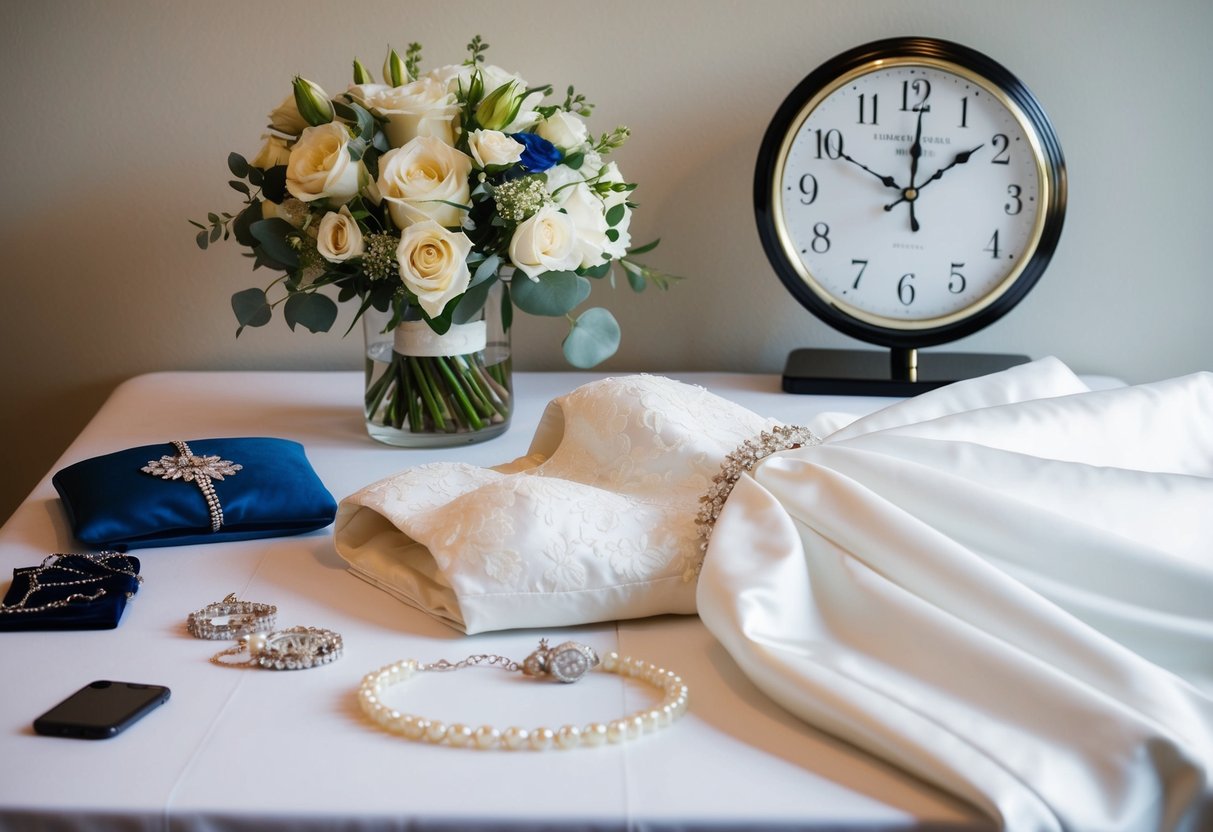
Getting ready for your wedding day involves careful planning to ensure everything runs smoothly. Your schedule should account for hair, makeup, and getting dressed, along with the support of your wedding party.
Hair, Makeup, and Dressing Schedules
Start by creating a clear timeline for hair and makeup. Schedule each task with built-in buffers to avoid last-minute stress.
If it takes about 5 minutes to apply a lipstick, allow at least 30 minutes in case of delays.
Consider having a trial run for hair and makeup before the big day. This helps you feel more prepared and ensures you achieve your desired look. Coordinate with your stylist about how many people will be getting ready.
Share the schedule with your bridesmaids to keep everyone on track. It’s essential that you all stay relaxed and focused during this time.
Role of the Wedding Party During Preparations
Your wedding party is there to help make the day enjoyable and stress-free. Provide them with a clear schedule so they know when they should be ready.
Bridesmaids can assist with tasks like steaming dresses, managing accessories, or providing snacks and drinks. Having someone in charge of the music or decorations can also keep the atmosphere lively.
Encourage your bridesmaids to take part in the getting-ready process. It can be a fun bonding experience. Their support can help you feel calm as the day approaches. Together, you all can make beautiful memories before the ceremony begins.
Key Wedding Moments
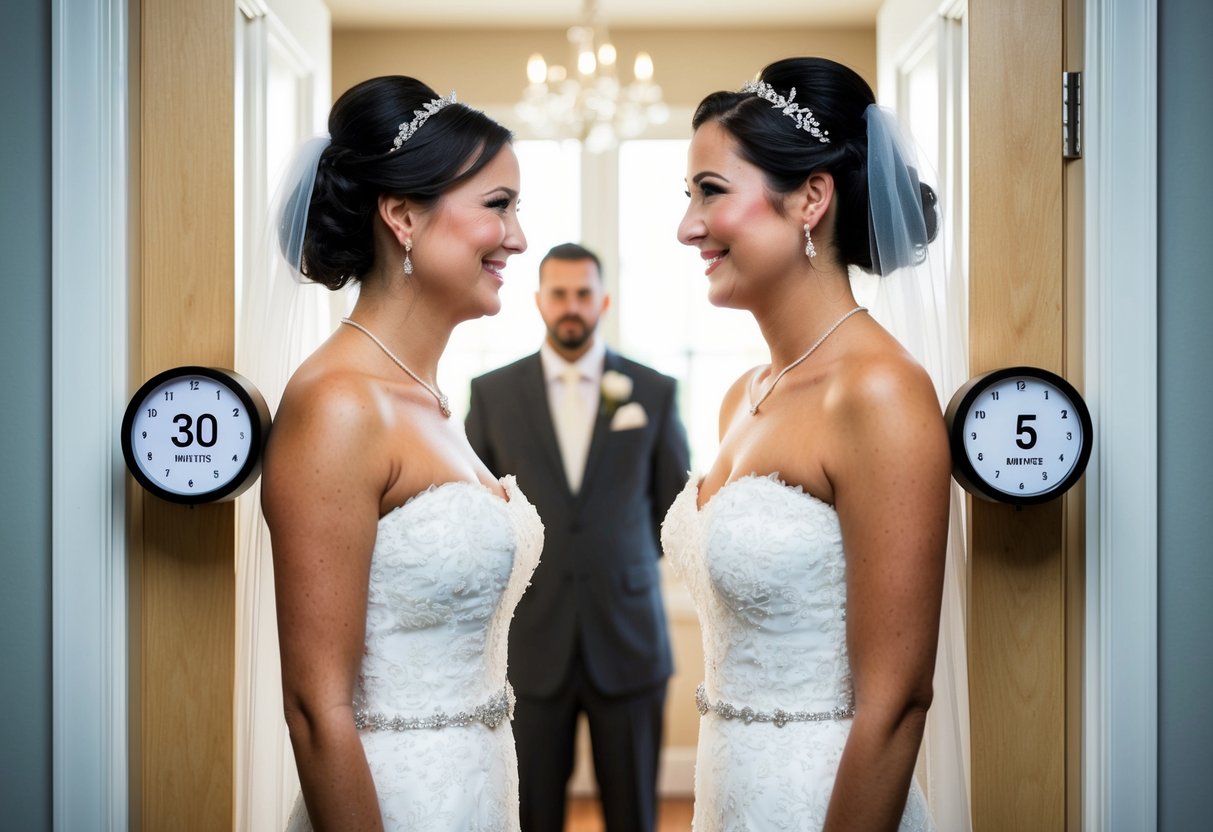
Timing is crucial during your wedding day. Each moment has significance that contributes to the joy of your celebration. From the ceremony to the reception, careful planning ensures everything flows smoothly.
The Significance of Ceremony Timing
Your wedding ceremony sets the tone for the entire day. Arriving on time not only helps maintain your schedule but also allows your guests to settle in and feel welcomed.
Consider the time it takes for guests to find their seats and for the bridal party to get ready. Each element, like sharing your vows, can take longer than you expect due to nerves and excitement.
Planning for transitions between the ceremony and the reception is essential. Allowing extra minutes ensures everything runs smoothly. This attention to timing can make your day feel more relaxed and enjoyable.
Capturing Special Moments: First Look and Photos
The “first look” can be a magical moment that gives you a private chance to connect before the ceremony. This can help ease nerves and create a special memory.
After the first look, take time for wedding photos. Plan a detailed shot list that includes family photos. This helps ensure you capture all the important people in your life.
Allocate enough time for these photos, as they can take longer than you anticipate. Keep in mind, the moments you capture will last a lifetime. Prioritizing these special moments early in the day can lead to beautiful memories.
Navigating the Transition to Reception
The transition from the ceremony to the reception is a key moment in your wedding day. Plan a cocktail hour to give guests time to mingle while you finish up photos.
This extra time allows guests to relax and enjoy refreshments before the reception begins. It also helps create a smooth flow to your events.
Make sure your DJ or band is ready to greet guests during the cocktail hour too. With thoughtful planning, you can create a lovely atmosphere for your first dance, celebrating your union with family and friends.
Celebrating with Your Guests

Your wedding reception is a time for joy and celebration with your guests. Planning the timeline and flow can help create a fun atmosphere and ensure everything runs smoothly.
Reception Timeline and Flow
Creating a clear reception timeline is essential for a fun and enjoyable wedding celebration. Start by planning when to have the first dance, cake cutting, and toasts.
Consider scheduling these key moments around when your guests will be most engaged.
For example, after the meal is a great time for dancing. This helps keep the energy high. You can also factor in when to serve drinks and snacks. Timing is key! Make sure each part of your timeline allows guests to mingle and enjoy.
A good wedding planner can help you ensure that everything flows easily. This will let you focus on celebrating with your loved ones without stress.
The Role of Vendors and Planners
Your wedding vendors play a crucial role in making your celebration memorable. A DJ can set the mood with the right music, getting everyone dancing and having fun.
Communicate your desired vibe to them, so they can curate an enjoyable playlist tailored for your crowd.
A skilled wedding planner is invaluable in coordinating all the details. They work behind the scenes, managing timelines and communicating with vendors. This ensures everything runs smoothly, allowing you to relax and engage with your guests.
Make sure all of your vendors are on the same page. This synergy is key to a seamless celebration, keeping the focus on joy and connection among your family and friends.