
What Is the 60 20 20 Rule Wedding? A Simple Guide to Budgeting for Your Big Day
Weddings can be costly, and budgeting can feel overwhelming. The 60-20-20 rule is a helpful guideline to manage your wedding expenses effectively. According to this rule, you should allocate 60% of your budget for the wedding gift, 20% for the engagement party, and 20% for the bridal shower gift. This simple approach makes it easier to track your spending across different celebrations related to the couple.
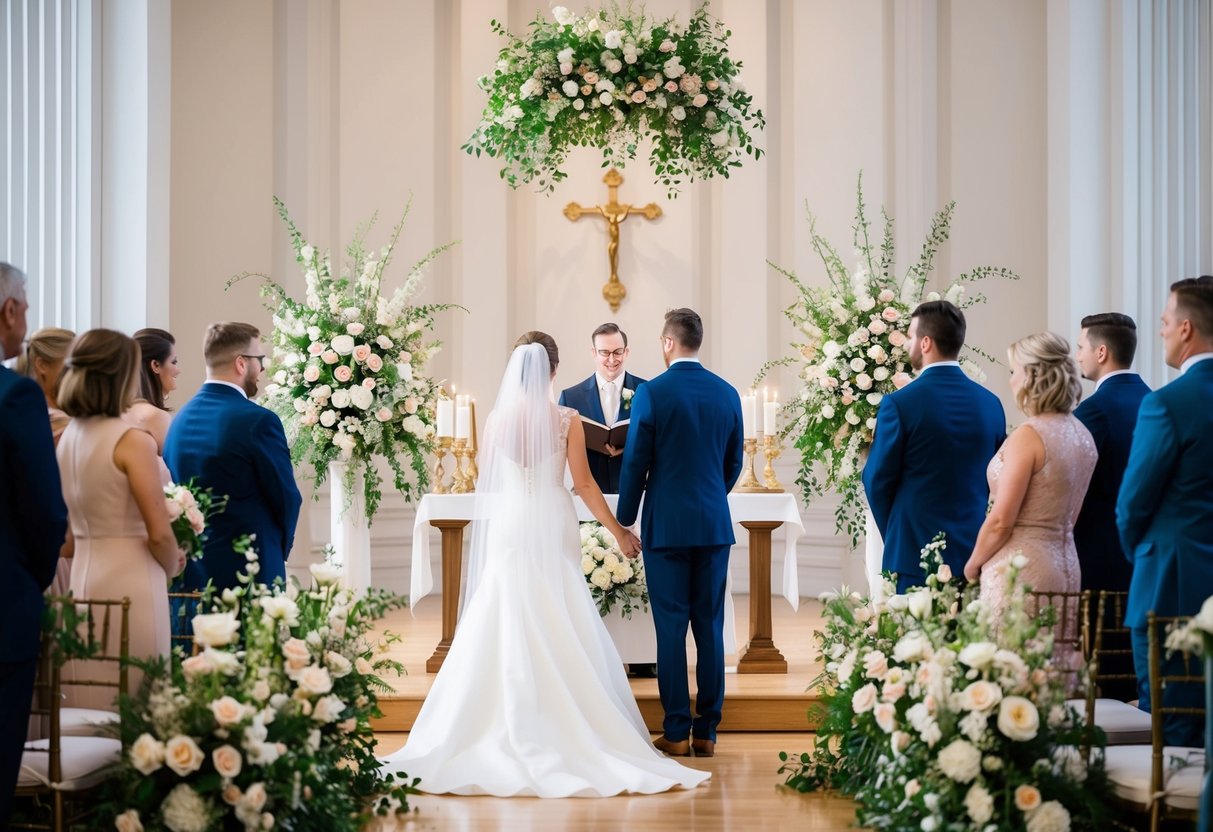
By following the 60-20-20 rule, you can ensure that you give thoughtful gifts while also staying within your financial limits. It’s a great way to show your support for the couple without breaking the bank. If you’re curious about how to apply this rule or want tips on wedding budgeting, keep reading!
Understanding the 60-20-20 Rule
The 60-20-20 rule is a handy budgeting method that helps you allocate your wedding funds wisely. This approach divides your budget into three main categories, ensuring you cover all essential areas without overspending.
Origins of the 60-20-20 Rule
This budgeting method comes from personal finance principles. It suggests that you should spend 60% of your income on needs, 20% on savings, and 20% on wants. When applied to weddings, it means you’ll dedicate most of your budget to crucial elements like the venue and catering. The remaining funds help you save for unexpected expenses or splurges on items like decor and entertainment. This approach encourages thoughtful spending and helps you stay within your limits.
Applying the Rule to Wedding Planning
When planning your wedding, start by determining your total budget.
Using the 60-20-20 rule for weddings, allocate 60% for the reception and other critical expenses. This portion may include:
- Venue costs
- Catering services
- Rentals (tables, chairs, etc.)
Next, assign 20% to the ceremony. This could cover officiant fees, marriage license costs, and venues. Finally, use the last 20% for miscellaneous expenses like favors, decor, or entertainment. This structure helps you maintain your spending and ensures your wedding day is both memorable and financially responsible.
Budget Allocation and Management
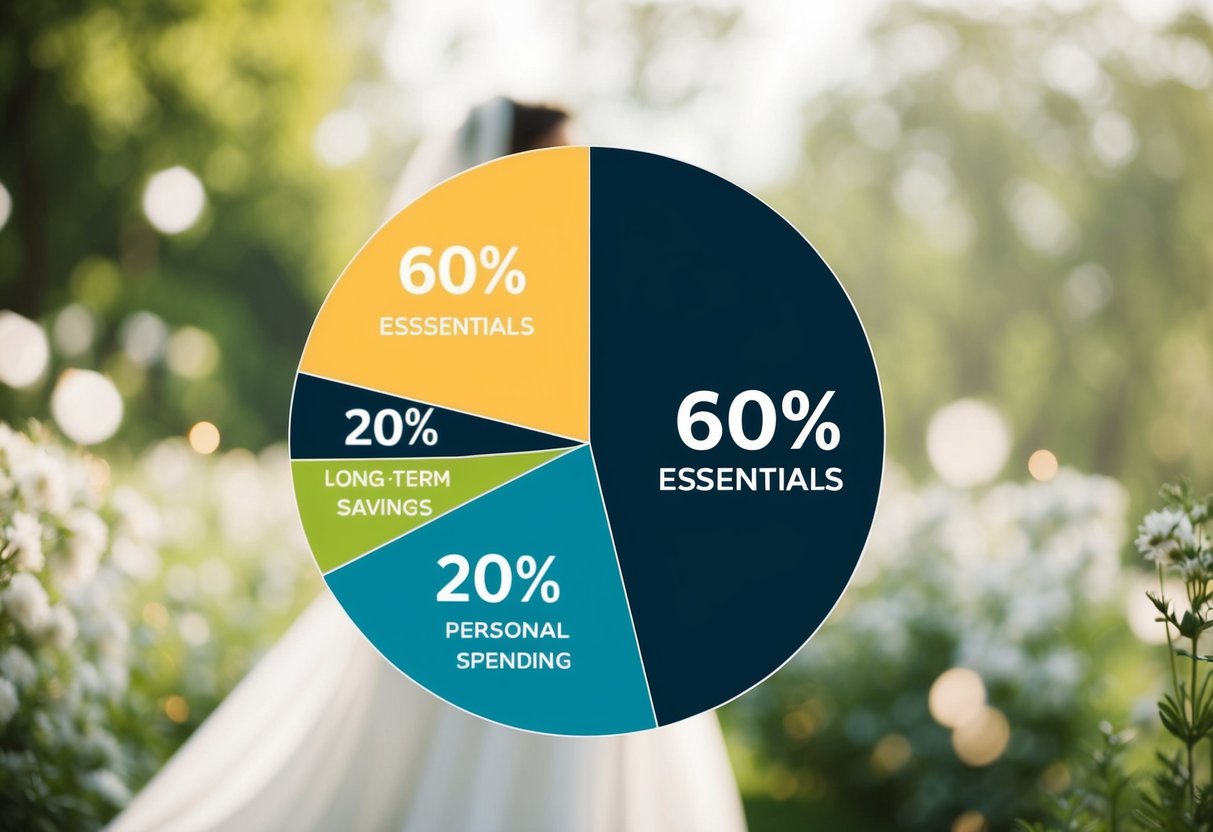
Managing your wedding budget is crucial for a stress-free planning process. This involves setting priorities, considering gifts and registries, and potentially hiring a wedding planner. Each of these elements plays a vital role in ensuring your special day goes smoothly and fits within your financial plan.
Setting Priorities for Wedding Expenses
Start by listing your top priorities for the wedding. This can include the venue, catering, photography, and entertainment. Knowing what matters most helps you allocate funds effectively.
Create a simple budget table:
| Expense | Estimated Cost |
|---|---|
| Venue | $ |
| Catering | $ |
| Photography | $ |
| Flowers/Decorations | $ |
| Entertainment | $ |
This table can guide your discussions with vendors. Be flexible; if the venue costs more than expected, consider adjusting your catering budget.
Wedding Gifts and Wedding Registry Considerations
Setting up a wedding registry can simplify the gift-giving process. Choose items that you truly want or need. Consider including a mix of price points so all guests feel comfortable giving.
Include experiences or contributions to your honeymoon fund. This can be a unique addition that guests often appreciate. Once your registry is established, share it with your loved ones to avoid duplicate gifts.
The Role of a Wedding Planner in Budgeting
A wedding planner can be your best ally in managing your budget. They help you understand average costs, which prevents overspending on various services.
Planners often have established relationships with vendors. This can lead to discounts and better deals, maximizing your budget.
Working closely with a planner allows you to focus on what you enjoy. They take care of details like tracking expenses and payments, ensuring nothing is forgotten.
Wedding Day Details and Timeline
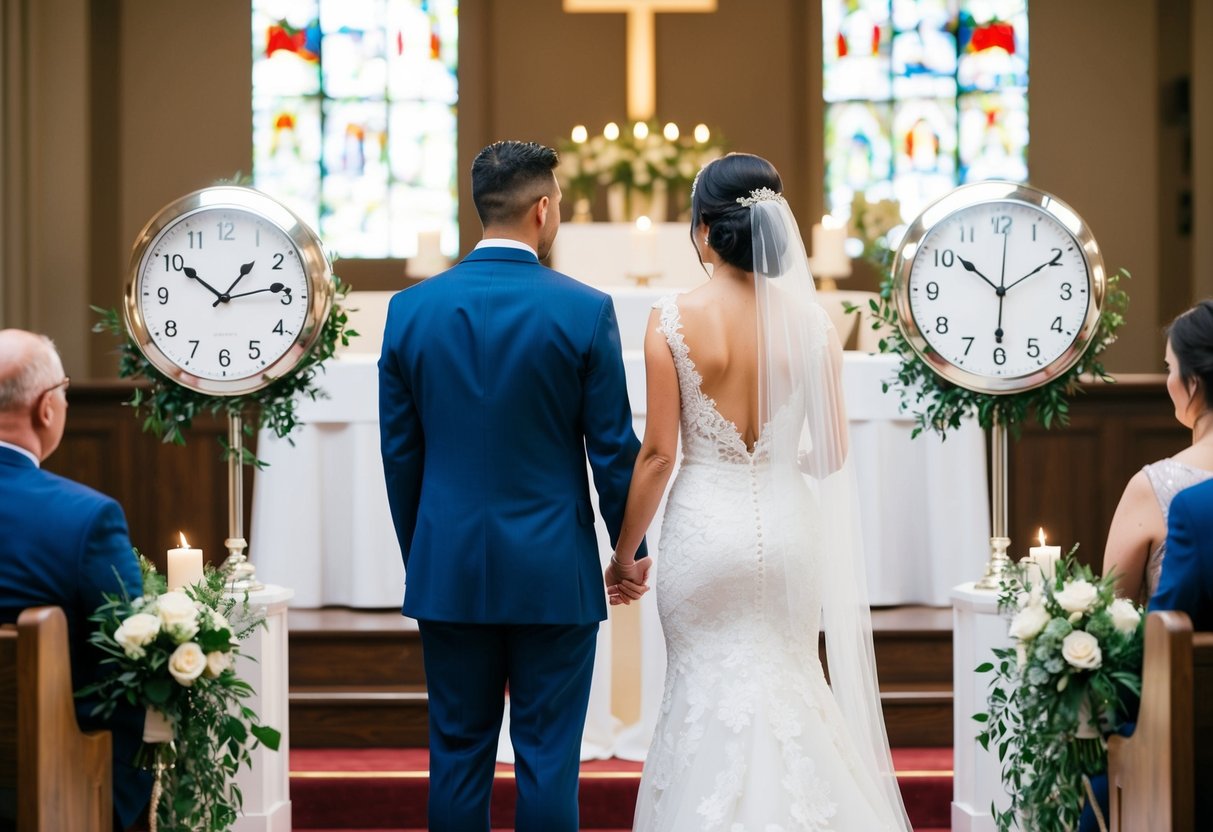
Planning your wedding day involves creating a structured timeline. This schedule helps ensure that everything flows smoothly from the ceremony to the reception. Here are details on crafting your wedding day schedule and important moments to consider.
Crafting Your Wedding Day Schedule
Start by determining your ceremony start time. This is crucial as it sets the tone for the rest of the day. Aim to have your ceremony in the afternoon or early evening.
Next, include all key events like cocktail hour, dinner, and dancing.
Make a detailed list that includes:
- Ceremony Duration: Usually 20-30 minutes.
- Cocktail Hour: Around 60 minutes is standard.
- Reception: Typically lasts 3-4 hours.
This schedule keeps everyone informed and on track.
Key Moments: Ceremony to Reception
Your wedding day is filled with special moments. After the ceremony, you’ll transition into the reception. This is a time to celebrate with your guests.
One key moment is your first dance. Make sure it’s planned shortly after dinner is served. This allows the evening to flow seamlessly.
The cake cutting is another significant event, usually held about an hour into the reception. Position this after some dancing to re-engage guests.
Also, consider toasts and speeches. They often happen shortly after the meal to keep the celebratory mood going.
The 30/5 Minute Rule and Wedding Event Timing
The 30/5 minute rule can help with timing your events. This means allowing 30 minutes for guests to settle before the ceremony starts, and another 5 minutes for the officiant to begin.
For each wedding event, aim for clear signaling. Use a coordinator or a trusted friend to cue events like the first dance and cake cutting. This keeps everyone on the same page.
Also, plan buffer times between events to help reduce stress and accommodate any last-minute changes. A flexible timeline allows you to enjoy your day fully.
Wedding Etiquette and Milestones
Weddings involve many traditions and expectations. Understanding etiquette for various wedding events helps you navigate gift-giving and ceremony participation smoothly.
The Dos and Don’ts of Wedding Ceremonies
When attending a wedding ceremony, keep these important tips in mind. Do arrive on time. Punctuality shows respect for the couple and the event. Don’t interrupt or talk during the ceremony. It can be distracting for the couple and guests.
Dress appropriately for the wedding style and venue. Do follow the dress code, if provided. Don’t wear white unless specified. This color is traditionally reserved for the bride.
Consider participating in rituals, like the first look or unity ceremony. It’s a special way to honor the couple’s commitment. Lastly, do express your happiness for the couple when you see them. A simple congratulations can make their day even brighter.
Navigating Reception Traditions
The reception is a time for celebration. Do pay attention to the schedule. Make sure you’re ready for key moments like the cutting of the cake. This tradition is symbolic and marks a sweet start to the couple’s life together.
Don’t forget to mingle. Socializing is part of the fun, so feel free to chat with other guests. Do respect the couple’s wishes regarding music and activities. If they have a specific theme or activities planned, go along and join in the enjoyment.
Participate in any dances or games. These moments create lasting memories. Remember to keep your phone away during particularly special moments, such as speeches.
Special Considerations for Engagement and Shower Gifts
Gift-giving is an important part of wedding etiquette. When attending an engagement party, choose a thoughtful gift. It’s best to spend around 20% of your overall gift budget on this occasion.
For bridal showers, bring a gift that reflects the bride’s tastes. This is another chance to show your care. Aim for 20% of your total gift budget for this event as well.
At the wedding, focus on the couple’s registry. Select something they truly want or need. This is generally the largest gift, and it should reflect 60% of your total contribution. Remember, your thoughtfulness matters!