
What is the Attendance Rate for a Destination Wedding? Tips for Planning Your Dream Celebration
Destination weddings are a unique way to celebrate your love in a beautiful setting. Many couples wonder about the attendance rates for these events, especially since guests often need to travel to reach the venue.
On average, you can expect around 50-70% of invited guests to attend a destination wedding.
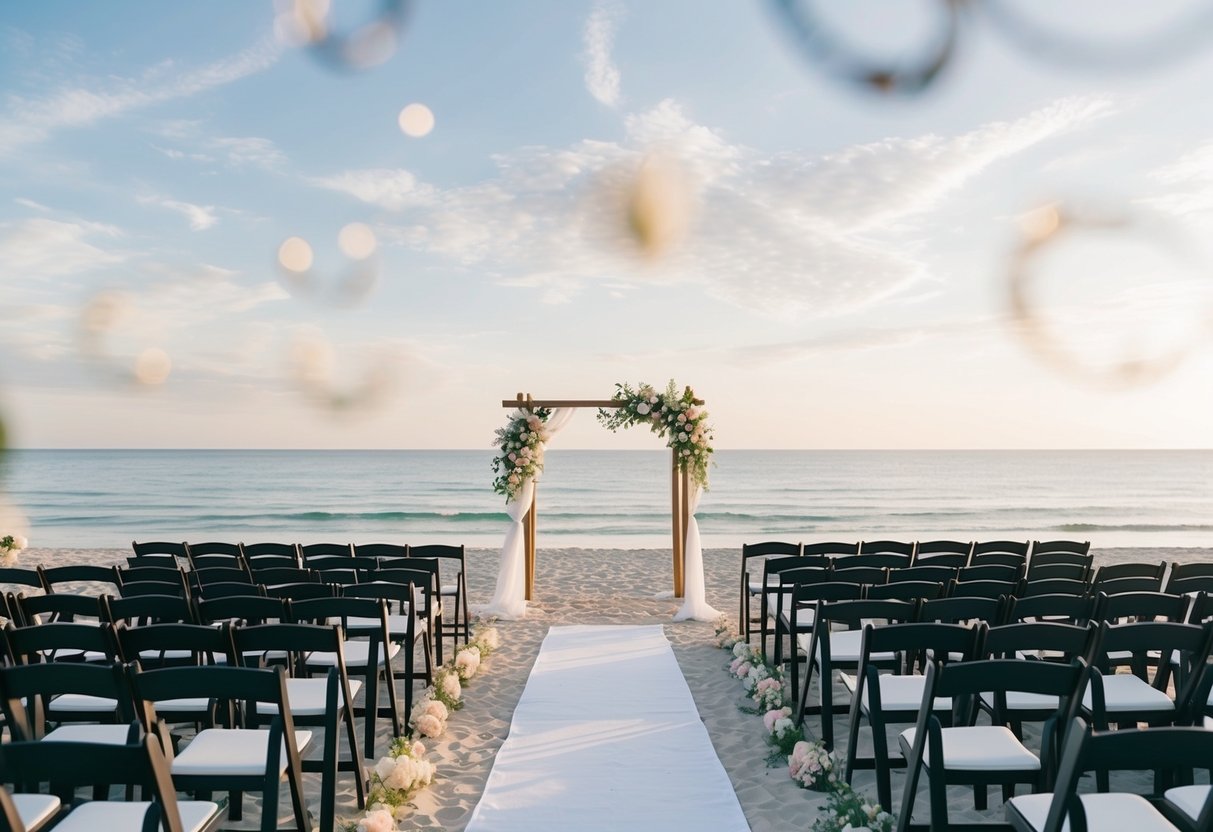
Various factors influence these numbers, including the location and how far guests must travel. Sometimes, the closer the destination, the better the turnout. You may find that those who truly want to share this special moment with you are more likely to make the effort to attend.
Understanding attendance rates can help you plan your guest list and budget better. By knowing what to expect, you can create a memorable experience for everyone involved.
Understanding Destination Wedding Attendance Rate
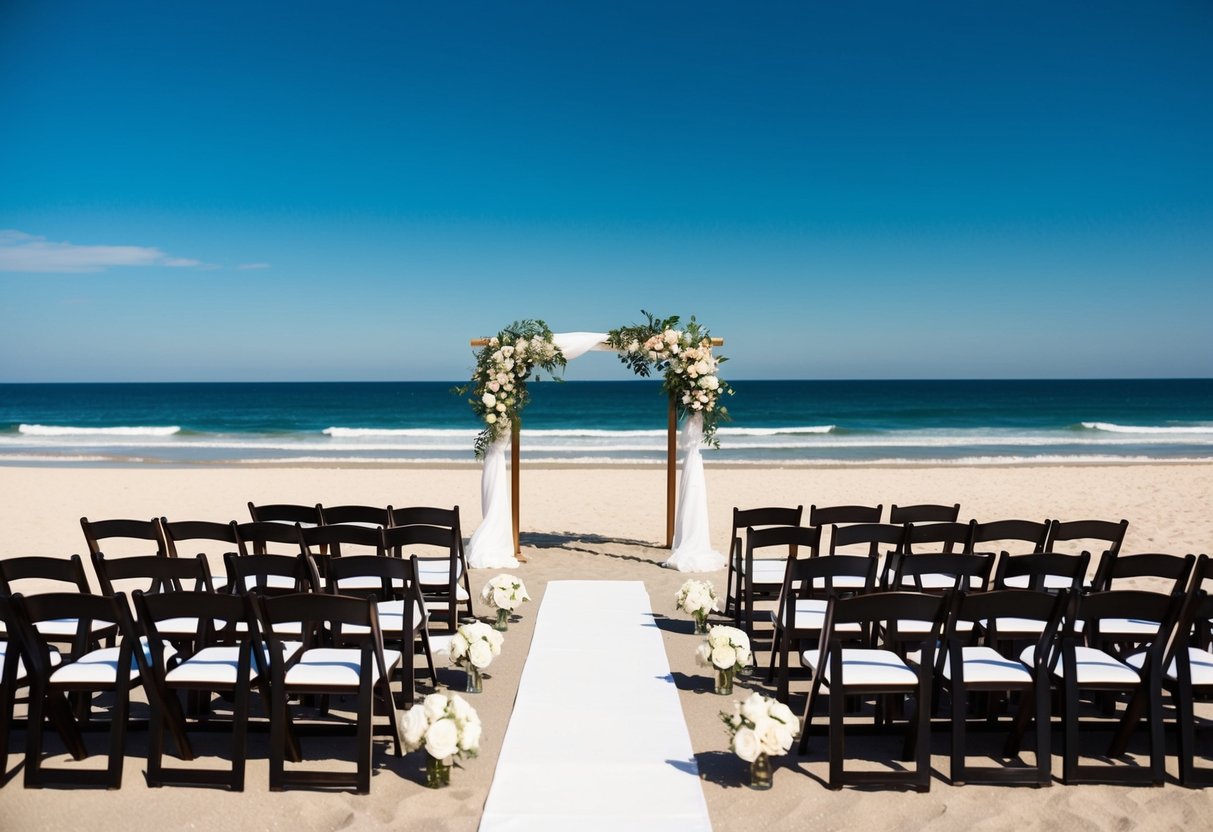
When planning a destination wedding, it’s important to consider how many guests will attend. Various factors influence attendance rates. You’ll also notice differences between attendance at destination weddings and local weddings.
Factors Influencing Attendance Rates
Several key factors can impact how many guests make it to your destination wedding.
Travel Costs: The financial burden of travel can discourage guests. Flights and accommodations add up quickly.
Time Constraints: Guests may have work commitments or personal obligations that prevent them from attending.
Event Timing: Hosting your wedding during school holidays or vacation seasons may increase attendance rates.
Attractions: If the destination offers fun activities, it might encourage more guests to attend.
Statistically, about 35% of invited guests usually attend a destination wedding, while local weddings see higher attendance.
Comparison to Local Wedding Attendance
Local weddings typically have a much higher attendance rate compared to destination weddings.
On average, about 60% to 75% of guests will attend a local wedding. This higher percentage is mainly due to the convenience of location. Guests don’t have to worry about travel expenses or time away from home.
Local guests also tend to show up more often, with an attendance rate around 85%. In contrast, out-of-town guests might only attend at 55%.
These differences highlight how location significantly affects guest attendance.
Planning and Communication Strategies
Proper planning and communication are key for a successful destination wedding. By informing your guests early and managing their expectations, you can help increase attendance.
Sending Save-the-Date Cards Early
Start by sending your save-the-date cards as soon as you have your wedding date and location set. This gives guests ample time to plan for travel. Let them know about potential travel expenses and accommodation options.
Make your save-the-date cards engaging by including fun details about the destination. This excitement can motivate your guests to attend. Consider including links to local attractions to show them what they can explore.
Remember, the more time your guests have, the more likely they are to arrange their schedules to be there. Aim for sending them at least six to eight months in advance.
Effective Use of Wedding Website
A wedding website is a fantastic tool for sharing important information. Use it to provide travel details, hotel recommendations, and a list of activities happening around your wedding date.
You can create a section specifically for FAQs. Here, you can address concerns about travel expenses and other logistical issues. This way, guests can find answers anytime they need them.
Make sure your website is user-friendly and mobile-compatible. Share the link through your invitations or save-the-date cards. The easier it is for guests to access information, the more comfortable they’ll feel about attending.
Managing RSVPs and Follow-Ups
When it comes to RSVPs, keep track of responses through your wedding website or a dedicated email. This helps you stay organized and allows you to follow up with guests who haven’t responded.
Send gentle reminders about the RSVP deadline as the wedding date approaches. Personal messages can make guests feel valued and more likely to attend. If you know certain guests are hesitant, consider reaching out personally to discuss their concerns.
Using clear communication about logistics can ease worries. Share the RSVP link alongside travel information. The easier you make it for your guests to respond, the higher your attendance rate will be.
Logistics and Accommodations
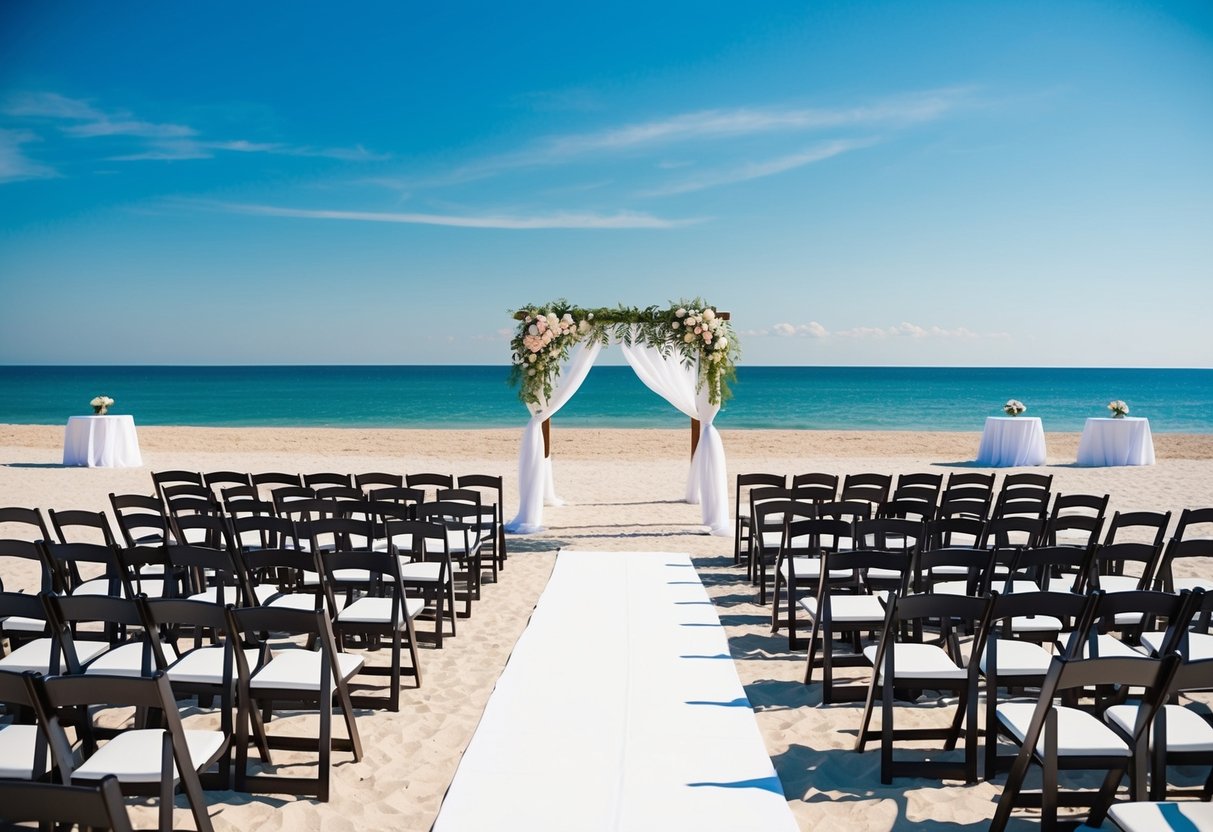
When planning a destination wedding, choosing the right logistics and accommodations is essential for your guests’ comfort and attendance. Consider factors like accessibility, travel costs, and transportation to make the event enjoyable for everyone.
Choosing Accessible Locations
Select a wedding location that is easy for guests to reach. Opt for popular travel destinations with close airports, good road access, and local amenities. The easier it is for guests to get there, the more likely they are to attend.
Consider venues near hotels, restaurants, and attractions. This allows guests to experience the area without needing to travel far. Think about the local climate as well, as weather conditions can impact travel plans.
Providing Accommodation Options
Offer a range of accommodation options to suit different budgets. You could provide information on hotels, rental homes, and even hostels nearby.
Consider reserving blocks of rooms at a few local hotels with group discounts. This can help ease financial worries for your guests. Additionally, provide options for short-term rentals through platforms like Airbnb or Vrbo for those who prefer more space or increased privacy.
Make sure to share all necessary details, such as check-in times and cancellation policies. This helps guests plan their stay without added stress.
Organizing Transportation Solutions
Transportation is a key part of making your destination wedding successful. Inform your guests about local transportation options like shuttles, buses, or ride-sharing services.
If your venue is far from accommodations, consider arranging a shuttle service to transport guests to and from the wedding. This is especially helpful if parking is limited.
Communication is crucial. Share all transport details early on, so guests feel prepared for their trip. Providing maps or links to local transport websites can also be beneficial. This will ensure everyone knows how to get around smoothly.
Guest Considerations and Experience
When planning a destination wedding, it’s important to think about your guests and their experiences. You want to ensure that they feel valued and can participate in your special day. Several factors can affect their ability to attend, whether it’s personal circumstances or economic conditions.
Assessing Guest Circumstances
Your guest list will likely include a mix of local and out-of-town guests. It’s essential to consider their unique situations. For some guests, attending a destination wedding may involve more than just travel; they might need to arrange childcare or time off work.
Make a note of who among your friends and family might find it challenging to attend. This might include elderly relatives or those with demanding jobs. Reaching out to them can help you understand their conditions better. You can also provide options for live streaming the ceremony for those unable to make it.
Impact of Economic Factors and Family Commitments
Economic factors can play a big role in whether your invited guests can attend. Traveling to a destination can be costly. Expenses include flights, accommodation, food, and activities. You may want to consider creating a budget-friendly wedding package or suggesting hotels with group rates.
Family commitments also come into play. Guests may have kids, which adds to their expenses and planning. If your wedding falls during peak travel season, prices will be higher, impacting attendance. Keep these factors in mind to make it easier for everyone to join your celebration.
Appealing to Out-of-Town vs. Local Guests
Understanding the differences between local guests and out-of-town guests can help you plan a better experience. Local guests might be more flexible since they won’t face travel costs. They usually can attend your wedding events like pre-wedding parties and receptions easily.
Out-of-town guests may need more assistance with logistics. You can enhance their experience by providing clear travel information, such as recommended flights and nearby accommodations. Consider organizing airport shuttles or welcome bags that include local maps and restaurant recommendations.
Planning thoughtfully can make the travel experience smoother and show your guests that you appreciate their effort in attending your destination wedding.