
What is the Average Cost of 100 Wedding Invitations? A Clear Breakdown for Couples
Planning a wedding can be exciting, but it also comes with many decisions, especially regarding costs. When it comes to wedding invitations, 100 invitations typically cost between $300 and $700. This price range can vary based on design, materials, and printing methods.
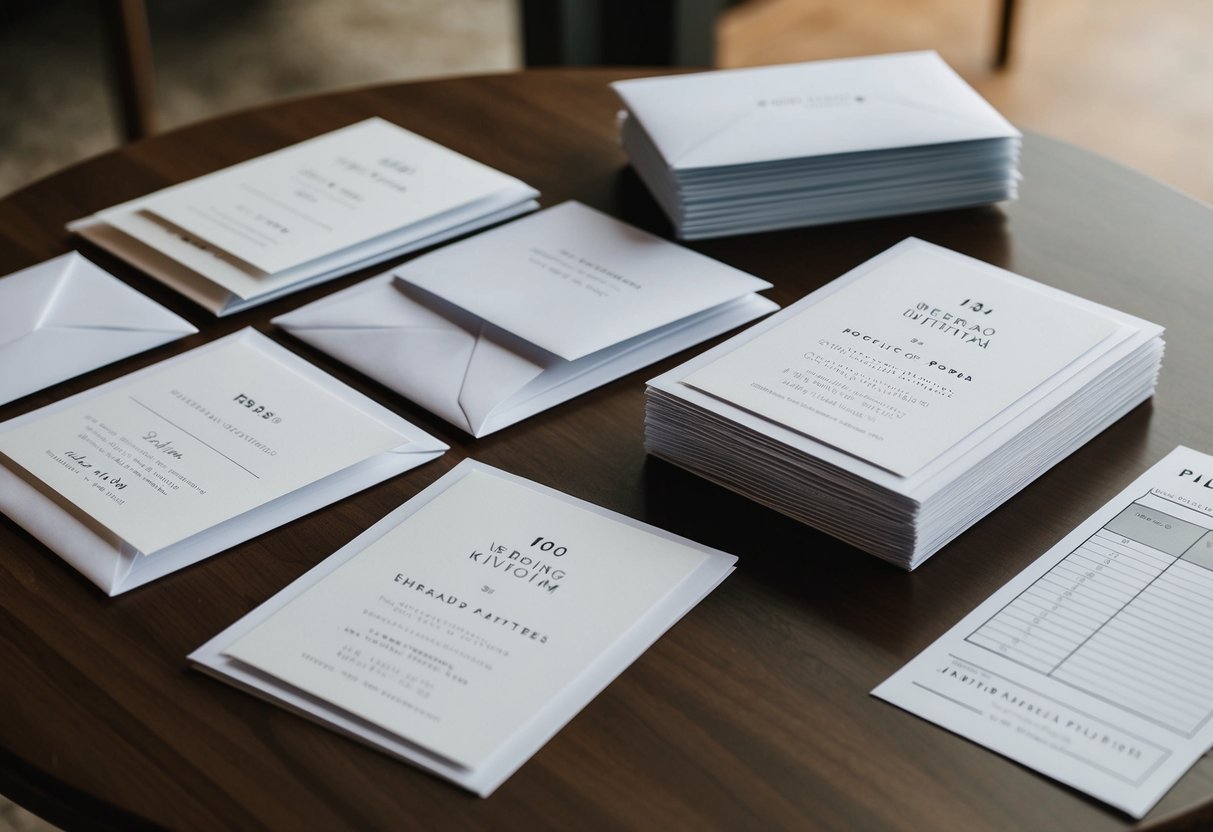
Understanding how much you might spend on invitations is essential for budgeting your special day. Many factors can influence your choice, from the style of the invitation to whether you opt for digital or traditional printing.
As you start this part of your wedding planning journey, knowing what to expect is helpful.
As you set out to find the perfect invites, consider not just your budget but what will best reflect your personality and wedding theme. Exploring these aspects will ensure you choose invitations that not only fit your financial plan but also set the tone for your celebration.
Understanding Wedding Invitation Costs
When planning your wedding, understanding the costs of invitations is essential for budgeting. The average cost of 100 wedding invitations varies widely, depending on the elements included and choices you make. Here’s a closer look at what impacts these costs.
Elements of a Wedding Invitation Suite
A wedding invitation suite typically includes several items. Standard components are the main invitation card, RSVP card, and envelopes. Many couples also include additional items like reception cards and direction cards.
Basic Components:
- Invitation Card
- RSVP Card
- Envelopes
Optional Extras:
- Reception Card
- Direction Card
The design and quality of the paper can also affect prices. Custom wedding invitations may cost more due to specialized printing techniques and unique designs. Therefore, a well-thought-out invitation suite is key to set the right tone for your big day while managing your wedding invitation budget effectively.
Factors Influencing Invitation Pricing
Several factors determine the average cost of 100 wedding invitations. The type of printing method you choose plays a major role. Digital printing tends to be the most affordable, while options like letterpress or thermography can raise costs significantly.
Key Factors:
- Design Complexity: Custom designs are pricier.
- Printing Method: Digital is cheaper than offset printing.
- Paper Quality: High-quality materials increase costs.
- Quantity: Ordering in bulk can lower the per-invitation price.
Your level of customization also affects pricing. Simple designs with less personalization will save you money. Understanding these factors helps you create a wedding invitation budget that fits your overall wedding costs.
Printing Methods and Materials

Choosing the right printing methods and materials for your wedding invitations is important. The type of paper and printing technique can greatly affect the look and feel of your invites, making them special and memorable.
Paper Types and Textures
When selecting paper for your invitations, consider different types and textures. Here are some popular options:
- Cotton Fiber: Soft and luxurious, cotton fiber paper is eco-friendly, making your invitations feel elegant.
- Linen: This textured paper offers a classic look that feels sophisticated and timeless.
- Felt Cardstock: With a unique texture, felt cardstock adds depth to your invites and makes them stand out.
- Glossy and Matte Paper: Glossy paper gives a shiny finish, while matte paper has a soft, non-reflective feel. Your choice affects how colors and designs appear.
- Recycled Paper: An eco-conscious option, recycled paper is available in various textures and colors, allowing you to stay green without sacrificing style.
Wedding Invitation Printing Techniques
The printing technique you choose will influence your invitation’s final look. Here are some popular methods:
- Digital Printing: Fast and cost-effective, digital printing is perfect for colorful designs and large quantities.
- Letterpress: This traditional method uses a press to create a raised impression on the paper. It provides a rich texture and vintage feel.
- Engraving: A classic approach, engraving creates a deep impression and is often used for elegant wedding invitations.
- Foil Stamping: This technique uses metallic foil to add shine and glamour to your invites, perfect for modern designs.
- Embossing: Embossing raises text or designs on the paper, creating a tactile experience that feels luxurious.
- Thermography: This method combines elements of engraving and digital printing, giving a raised effect at a lower cost.
- Offset Printing: Known for its high-quality results, offset printing is ideal for detailed designs and colors.
Each method brings its unique look to your wedding invitations, so think about what best fits your style.
Additional Details and Embellishments
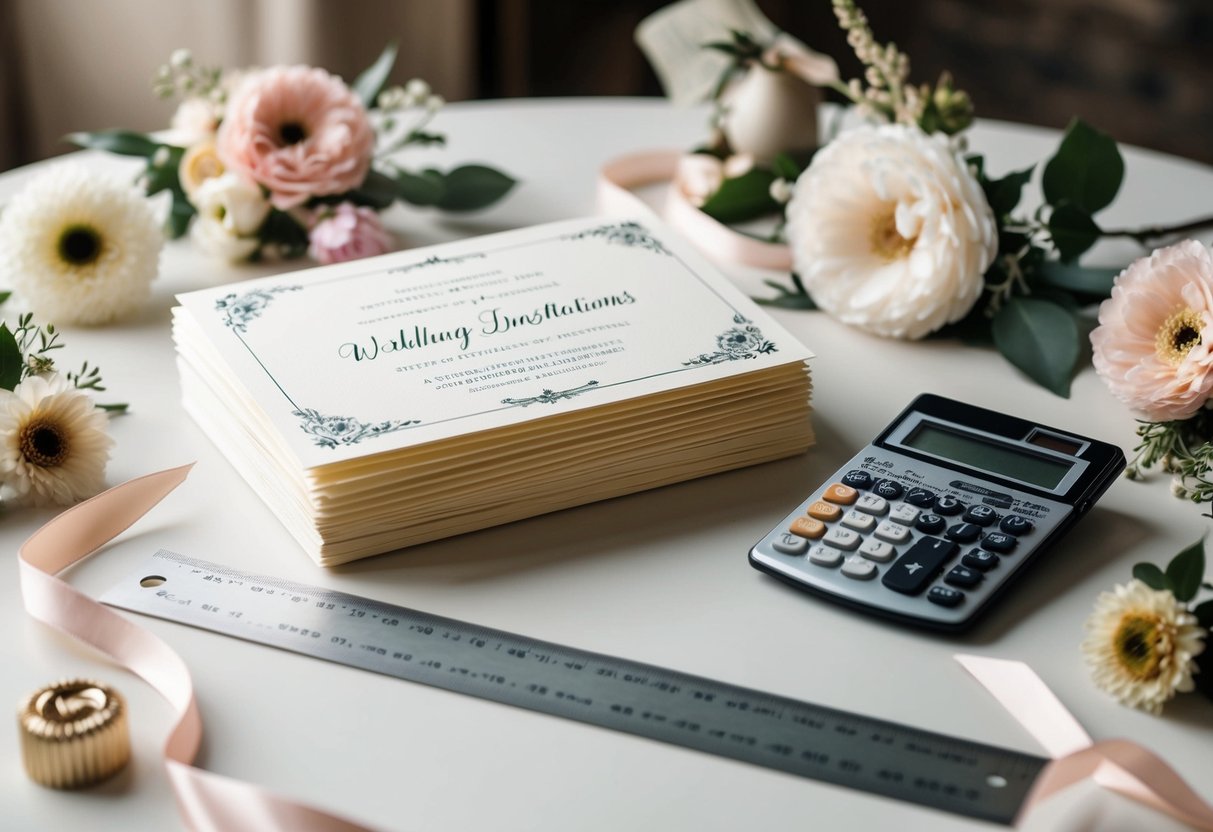
When planning your wedding invitations, think about how to personalize them. Adding special features can boost their charm and leave a lasting impression on your guests. Here are some ideas you can consider.
Accessorizing Your Invitations
Adding embellishments can really elevate your invitations. Start with envelope liners that match your wedding colors. They provide a stylish surprise when guests open their envelopes.
You might also consider wax seals for a classic touch. Choose colors that match your theme or opt for a personalized seal with your initials.
Using hand calligraphy adds a personal feel. Whether it’s on the envelope or the invitation itself, it can show your guests how special they are.
Belly bands can keep everything together while adding a decorative element. You can even include RSVP cards and reception cards to make organizing easier.
Crafting a Unique Invitation Experience
To create a memorable invitation experience, think about the overall design and feel. Adding vellum layers can give a soft touch, making the invitation feel more luxurious.
Including additional inserts like save-the-dates or thank you cards in your main invitation can show your guests the entire wedding story at once.
For a little flair, consider options like debossing or blind debossing. These techniques create a subtle yet elegant impact.
Don’t forget about place cards to guide your guests at the reception. Each detail counts, making your invitations not just informative, but a part of your celebration’s charm.
Practical Tips for Managing Invitation Costs

Managing the costs of your wedding invitations can help you stay within budget while still achieving a beautiful result. Here are some practical tips to consider when planning your invitation expenses.
Budgeting for Your Invitations
Start by setting a clear budget for your wedding invitations. On average, couples spend between $300 and $700 for 100 wedding invitations, but costs can vary based on design and printing options.
Break down your budget into categories, such as design, printing, and extras like RSVP cards. Keep in mind that wedding stationery suite prices can add up quickly. Consider basic options if you want to save, as custom invitations tend to cost more.
You can also use a spreadsheet to track your expenses. This way, you’ll know when you might need to adjust your spending. If you know the cost of wedding invites from various providers like Minted or Vistaprint, you can be more strategic in your choices.
Where to Find Affordable Options
Finding budget-friendly invitations is easier than you might think. Look online for platforms like Minted and Vistaprint, which often have a range of affordable designs.
Check for sales and discounts, as many companies offer seasonal promotions.
Consider DIY options as well. You can create your own invites using templates available online. This allows you to personalize your invitations while saving on printing costs.
Additionally, explore local print shops. Sometimes, they offer better deals than larger online retailers.
Ask for samples to ensure quality before ordering in bulk. By knowing invitation pricing from different sources, you can find the best deals tailored to your needs.