
What is the Average Guest List for a Wedding? Understanding the Numbers Behind Your Celebration
Planning your wedding can be exciting, but one question that often comes up is what the average guest list size should be. The average wedding guest list typically ranges from 100 to 167 guests, varying by factors such as the couple’s age and wedding style. As you think about your own guest list, consider how many of your friends and family you want to invite to share in your special day.
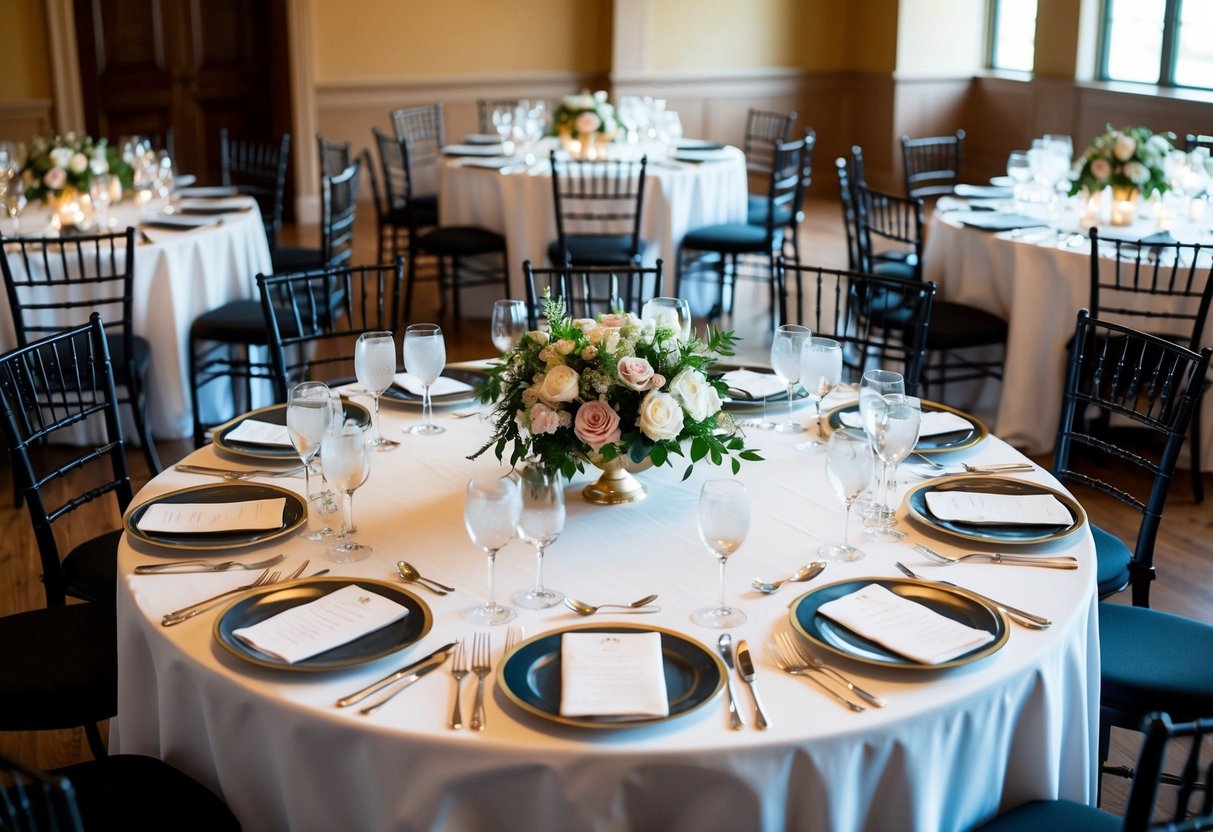
Understanding the average size can help you set a budget and select the right venue for your celebration. If you’re considering a smaller, intimate gathering, you might aim for around 50 guests. On the other hand, larger weddings can easily exceed 200 guests, particularly if you have a big family or a wide circle of friends.
As you plan, remember that your wedding guest list is more than just a number; it’s about the people you want to celebrate with you. The choices you make now will shape your overall experience and memories from this significant event.
Determining Your Wedding Size
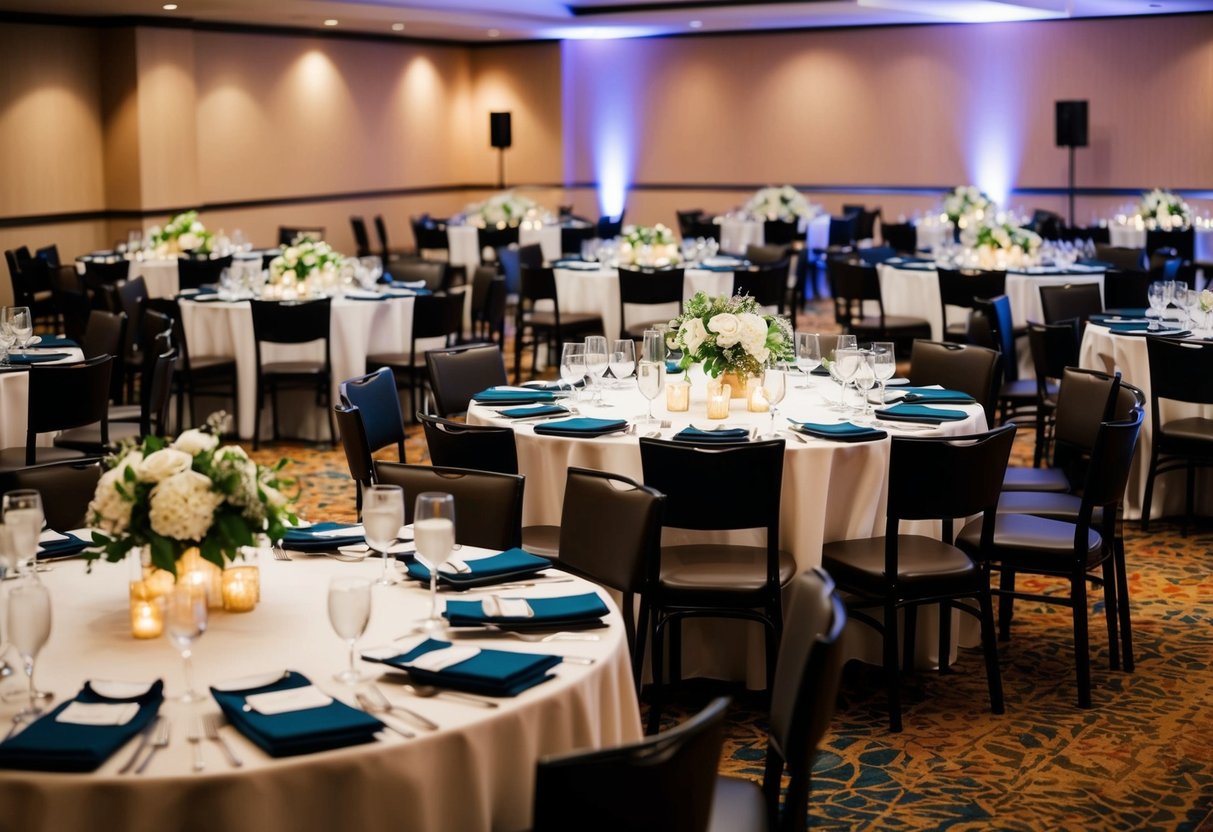
Choosing how many guests to invite can feel overwhelming. Your wedding size will affect many aspects of your big day, like the venue, budget, and overall feel. Here are some factors to consider.
Factors Influencing Wedding Size
Several key factors can help you decide on the right guest list size.
First, your budget plays a major role. Larger weddings can get expensive quickly, adding costs for food, drinks, and seating. Meanwhile, a small wedding can help you save money, allowing for a more intimate experience.
Next, think about your venue. Some places have strict guest limits, which can influence your decisions. For example, a cozy location may only fit around 50 guests, making it a perfect spot for an intimate wedding or even a micro wedding.
Lastly, consider your family’s expectations. If you come from a big family, you might feel pressured to have a larger guest list. Or, you may prefer a smaller, more meaningful gathering.
Pros and Cons of Different Wedding Sizes
Each wedding size has its advantages and challenges.
For small weddings, generally under 50 guests, the atmosphere is often more personal. You can spend quality time with each guest. However, a smaller guest list might leave out extended family or friends who would love to celebrate with you.
Medium weddings, with around 75 to 150 guests, strike a balance. You can invite many important people while still keeping it manageable. Yet, as you add more guests, it can become harder to connect with each person.
Large weddings, over 150 guests, can feel festive and lively. They allow for a big celebration with everyone you know. On the downside, it can be challenging to interact with everyone, and the costs can rise significantly. Consider what feels right for you and your vision for the day.
Budget and Guest List Considerations
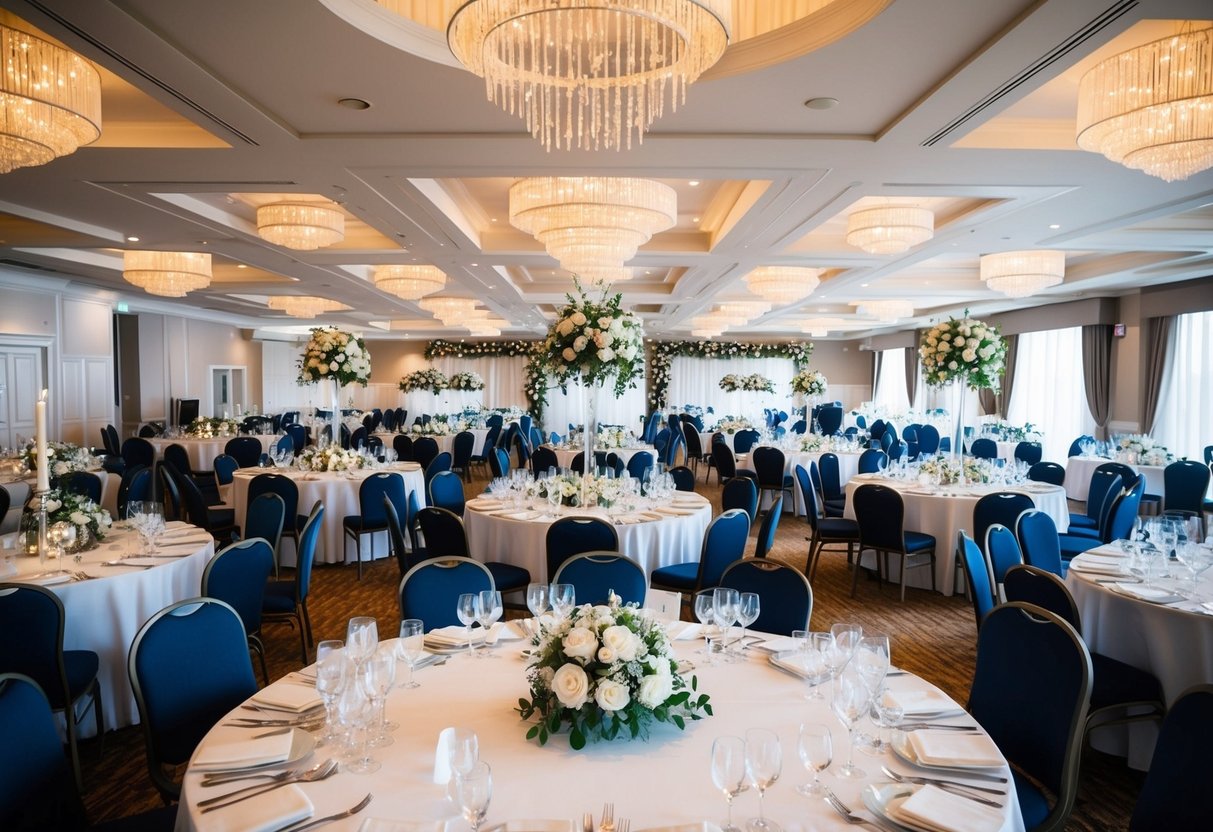
When planning your wedding, balancing your guest list and budget is crucial. Your guest list not only impacts your overall expenses but also influences the venue you choose and the overall feel of your celebration.
Creating a Budget-Friendly Guest List
Start by outlining your wedding budget. Know how much you can spend on each guest, including costs for invitations, food, and drinks. Typically, each guest can cost between $91 and $365, depending on the services you choose.
To create a budget-friendly guest list, prioritize the people who matter most to you. This can include family, close friends, and anyone who has played an important role in your life. You can also consider limiting plus-ones and inviting children based on your preference. Make a list and categorize guests as “must-invite,” “nice-to-invite,” and “optional.” This strategy helps narrow your list without hurting feelings.
Impact of Venue on Guest List Size
Your venue choice significantly influences your guest list size. Most venues have a capacity limit that can restrict how many guests you can invite. Research various wedding venues to find one that fits your needs.
Consider factors like layout and seating arrangements, which can affect how many people your space can accommodate. A smaller venue can lead to a more intimate gathering, while larger venues can allow for a grander celebration. Always check the venue’s guest capacity before finalizing your list. It’s a vital step in ensuring that your day goes smoothly and comfortably for all.
Managing RSVPs and Attendance
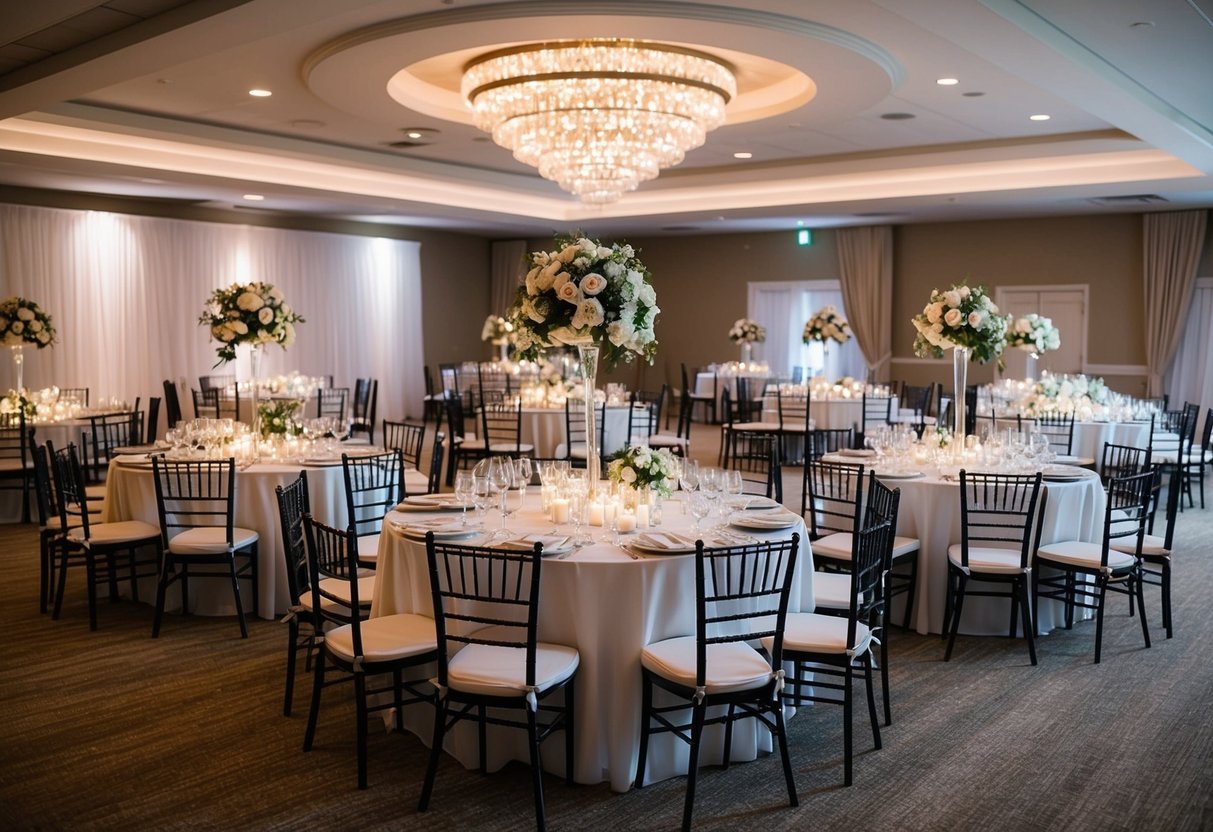
Managing RSVPs and attendance is crucial for planning your wedding. Knowing how to handle responses and estimate attendance will help create your ideal celebration.
Handling RSVPs Efficiently
Start by sending out save-the-dates about six to eight months before your wedding. This can set the tone for your event and boost initial interest.
When it’s time for RSVPs, consider using a wedding website. This platform allows guests to confirm their attendance easily. A personal touch like a phone call can also be effective for local guests.
Make sure you set a clear deadline for replies. A friendly reminder a week before the cutoff can help get those final answers. You can keep track of both positive RSVPs and those who can’t make it.
Estimating Attendance and No-Shows
Start by looking at past attendance rates. On average, around 75-85% of invited guests show up. Local guests tend to have higher attendance rates, while out-of-town attendees may decline more often.
For destination weddings, the attendance can drop to about 35%, so keep this in mind when planning.
You should also prepare for potential no-shows. An estimated 10-20% may not attend, even if they initially RSVP positively. To manage this, it’s good to have a few extra seats and meals planned for unexpected guests.
Cultural and Generational Trends
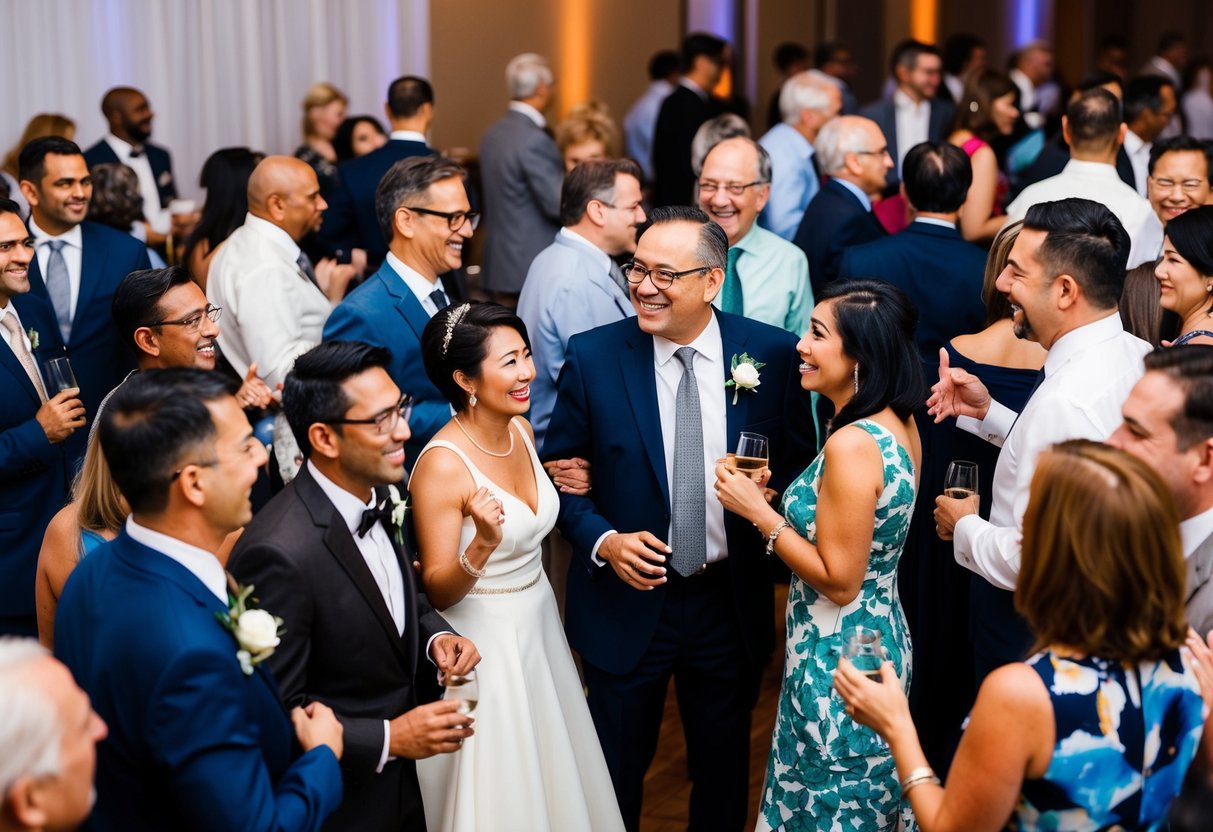
Your wedding guest list can be influenced by various cultural and generational trends. Understanding these factors can help you decide how many guests to invite, reflecting your personal style and values.
Modern Wedding Guest List Trends
In recent years, there’s been a shift towards intimate gatherings. Many couples now prefer smaller, more meaningful celebrations with close family and friends. Often, the average number of wedding guests has decreased, with many weddings now averaging around 50 to 100 attendees.
Millennials and Gen Z couples tend to invite more guests compared to older generations, like Gen X. While Millennials average about 115 guests, Gen Z may invite even more. Additionally, couples are increasingly inspired by trends from social media and recent real weddings, which often showcase unique ideas for guest lists.
Influence of Family Traditions on Guest Lists
Family traditions can significantly shape your wedding guest list. For example, some families have customs about inviting extended relatives. This can lead to larger guest counts. In contrast, other families may encourage more straightforward, hometown weddings with only the closest friends and family.
Weddings during specific dates or seasons might also affect guest list sizes. Many couples choose to tie the knot in the summer, resulting in higher average guest counts. Decisions about formal or casual receptions can also influence how many people you invite. This is because they may dictate the overall atmosphere of the event.
Understanding your family’s expectations can help ensure everyone feels included. It can also help maintain your personal vision for the day.