
What Is the Average RSVP Rate for a Wedding? Insights for Your Big Day
When you send out wedding invitations, one big question looms: how many guests will actually RSVP? The average RSVP rate for weddings typically falls between 70% and 85%. Knowing this percentage can help you plan better and set realistic expectations for your guest list.
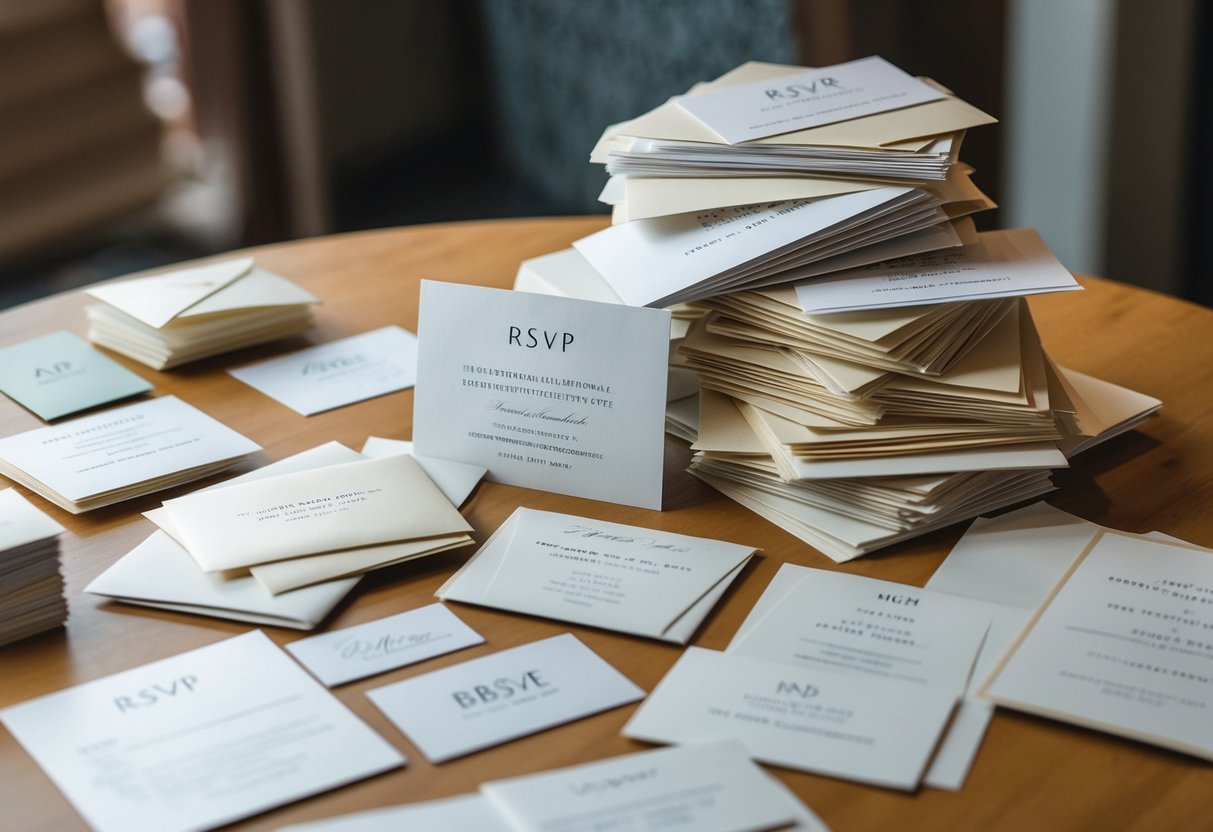
Many factors can influence this RSVP rate. Things like location, timing, and even the overall vibe of your invitation can make a difference.
As you handle your wedding planning, understanding these elements can be key to ensuring more guests say “yes” to your special day.
By keeping these numbers in mind, you can make informed decisions about your guest list, seating arrangements, and catering needs. Understanding the RSVP process will ease some of the stress of planning and help you focus on what really matters—celebrating your love with those closest to you.
Understanding RSVP Rates
Knowing the average RSVP rate can greatly improve your wedding planning experience. Understanding how different factors influence these rates will help you prepare for your big day.
Importance of RSVPs in Wedding Planning
RSVPs are crucial for managing your wedding logistics. You’ll want to have an accurate guest count to finalize decisions like catering and seating arrangements.
The average wedding size is about 117 guests. It’s common for around 80% of invited guests to respond positively to invitations. This information helps you estimate how many people to expect, making budgeting easier.
When guests don’t RSVP, it can create uncertainty. This may lead to extra costs, such as over-ordering food. By emphasizing the importance of RSVPs, you can ensure your wedding day runs smoothly.
Factors Affecting RSVP Rates
Several factors can influence how many guests RSVP to your wedding. The economy plays a role; for example, if guests perceive attending as expensive, they may hesitate to commit.
Location of your wedding also matters. Local guests are more likely to attend, with rates around 85%, compared to those who must travel.
Timing can affect responses, too. Sending invites early gives guests more time to plan and say yes. On average, you should expect around 75-85% attendance from those who RSVP positively. Ensuring your guests feel valued can also increase their likelihood of attending.
Managing Your Guest List
Creating and managing your guest list can feel overwhelming, but it’s an essential step in planning your wedding. Knowing how to organize your guests and utilize online tools can make the process smoother and more effective.
Guest List Management Techniques
Start by creating a comprehensive guest list. You can use a simple spreadsheet to track names, addresses, and RSVP status. This will help you stay organized and ensure you don’t miss anyone important.
Make a priority list of invitees if you’re limited on space. You can categorize them into family, close friends, and coworkers. This way, if you need to cut down on the invitees, you’ll know who to focus on.
Don’t forget to send out save-the-dates early. This helps guests plan ahead. Following up with reminders can also boost your RSVP rates. Remember to keep a record of responses as they come in. This will help you finalize your seating arrangements.
Online Wedding RSVPs and Their Advantages
Using online RSVPs can simplify the process significantly. Many wedding websites offer user-friendly platforms for guests to respond quickly. This can also provide you with real-time tracking of who has RSVP’d.
Online systems often feature customizable options, allowing you to gather meal preferences and special requests. This can save you from having to make follow-up calls, which can be time-consuming.
Moreover, online RSVPs reduce paper waste and keep everything organized in one place. You can easily access this information anytime you need it. Many tools also allow you to send reminders right before the wedding to encourage final responses.
Impact of Wedding Size and Type
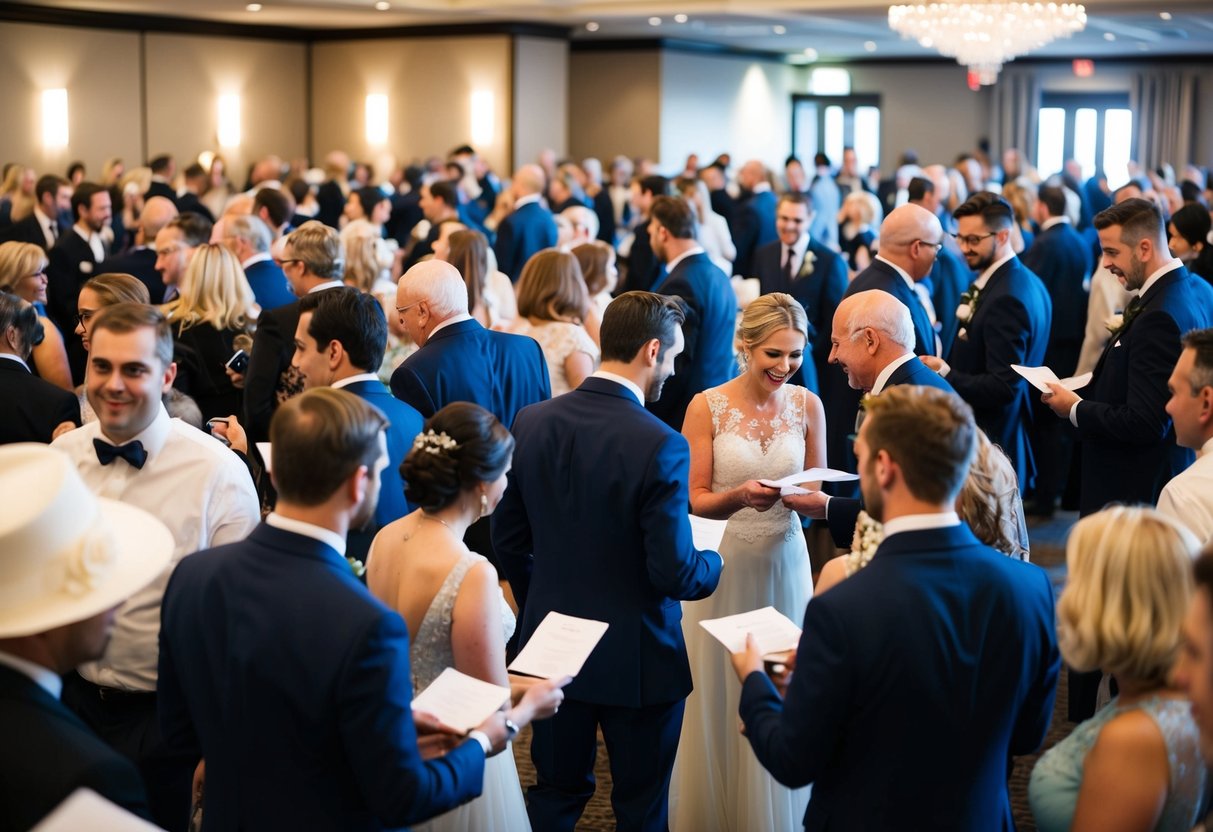
The size and type of your wedding play a significant role in the average RSVP rate. Understanding how these factors affect attendance can help you plan better.
Comparing Small and Large Weddings
Smaller weddings tend to have higher RSVP rates compared to larger ones. For intimate weddings, the attendance might range from 75% to 85%. Guests often feel a stronger personal connection in smaller settings, making them more likely to attend.
In contrast, big weddings often see only 70% to 75% of invited guests show up. The larger guest list can create a sense of anonymity, leading some people to feel less obligated to attend. When planning, consider your guest list size. This information helps in managing seating arrangements and catering needs.
Destination Weddings vs. Local Weddings
Destination weddings can attract varying RSVP rates depending on the location and guest commitment. Many guests enjoy the idea of traveling, but the distance can also deter some from attending. On average, around 60% to 70% of invited guests make the journey.
Local weddings usually have a higher affinity among guests. Being nearby means less travel hassle and lower costs, resulting in a better attendance rate. Guests often feel more comfortable attending a local event, leading to a more significant show-up rate. It’s wise to consider these factors when deciding on your wedding location.
Practical Tips for Improving RSVP Rates
Getting a good RSVP rate for your wedding can set the tone for your big day. Here are some practical tips to help you boost those numbers effectively.
Crafting the Perfect Wedding Invitations
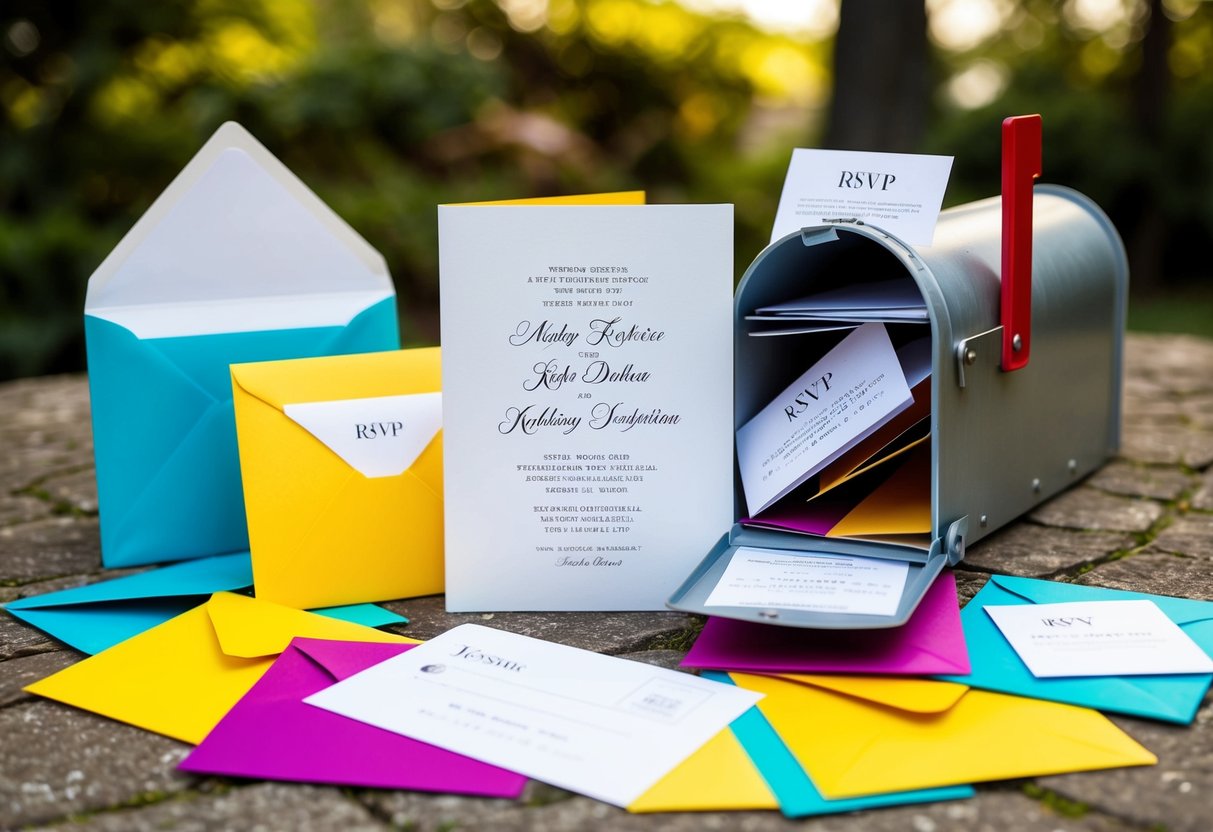
Your wedding invitations should be eye-catching and convey essential details. Use clear and elegant designs that reflect your wedding theme. Make sure to include RSVP cards with a stamped, addressed envelope for easy return.
Consider offering multiple ways to respond, like a wedding website where guests can RSVP online. This adds convenience for those who might forget to mail back a card. If space allows, add a note encouraging guests to respond promptly, highlighting how the response helps your planning.
Also, consider personal touches. Handwritten notes can make guests feel special and encourage them to respond. Remember, clarity is key, so include all necessary details like the date, time, and location to prevent confusion.
Timing Your Save the Dates and Invitations
Timing plays a vital role in improving your RSVP rates. You should send out save the dates at least 6-8 months before the wedding. This gives guests plenty of notice and allows them to make arrangements.
When it’s time for the official invitations, aim to send them out 8-12 weeks prior to your wedding date. This empowers guests to respond in a timely manner.
If your wedding is during a busy season or features a holiday, providing extra time for RSVPs can help. You can also send reminders about a month before the RSVP deadline. Simple messages via text or social media can also keep your wedding on their minds. Keeping communication open and friendly encourages your guests to respond.