
What is the Average Size of a Destination Wedding? Exploring Guest Counts and Settings
Destination weddings are becoming more popular, and many couples dream of tying the knot in a beautiful location away from home. The average size of a destination wedding usually ranges from 50 to 100 guests. This smaller guest list often makes for a more intimate celebration, allowing you to share special moments with loved ones while enjoying a stunning backdrop.
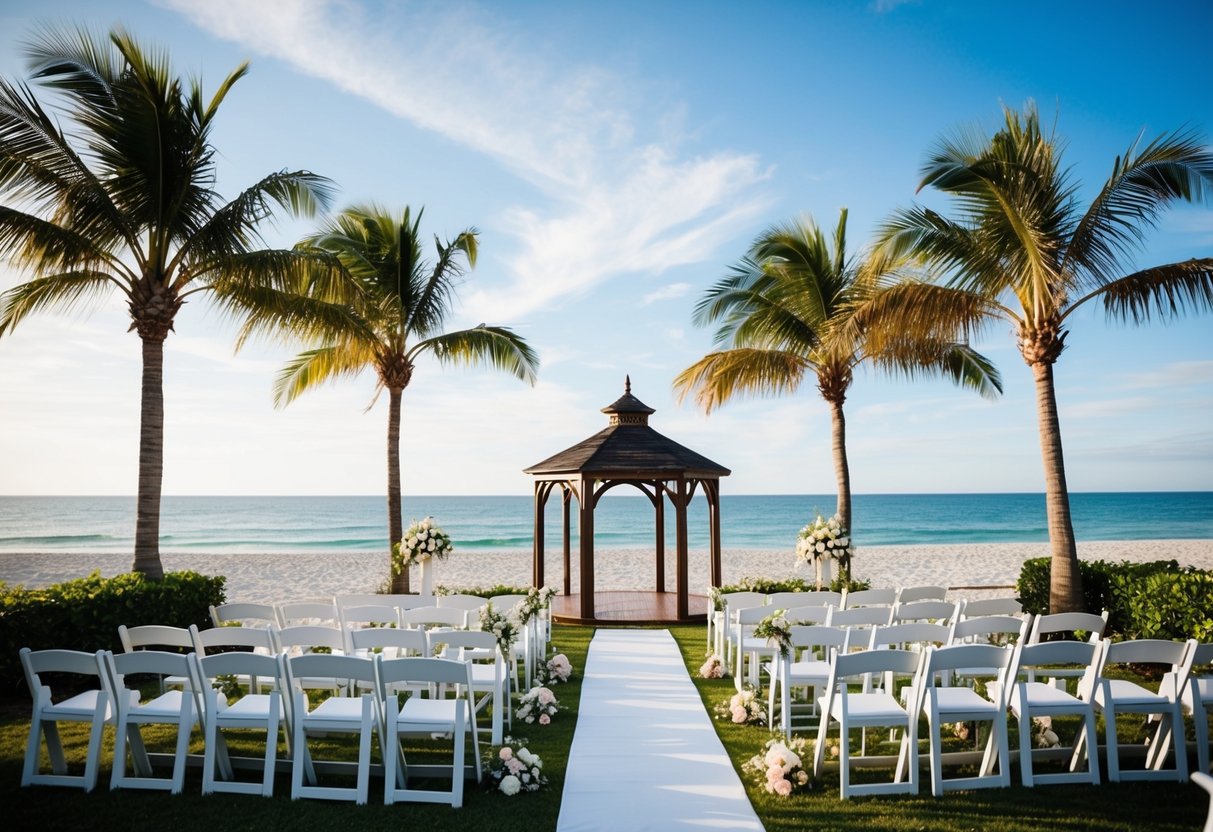
Planning a destination wedding comes with its own unique challenges, but it can also be a great way to save money compared to traditional weddings. As you think about your wedding planning, consider how the size of your guest list can impact your budget and the venue.
Many destinations offer packages that cater to smaller groups, making it easier to create the perfect day without the stress of a large crowd.
If you’re curious about how many people to invite and how to make your destination wedding memorable, keep reading. You’ll discover tips and insights that will help you plan the wedding of your dreams while navigating the exciting adventure of saying “I do” in a beautiful location.
Understanding Destination Weddings
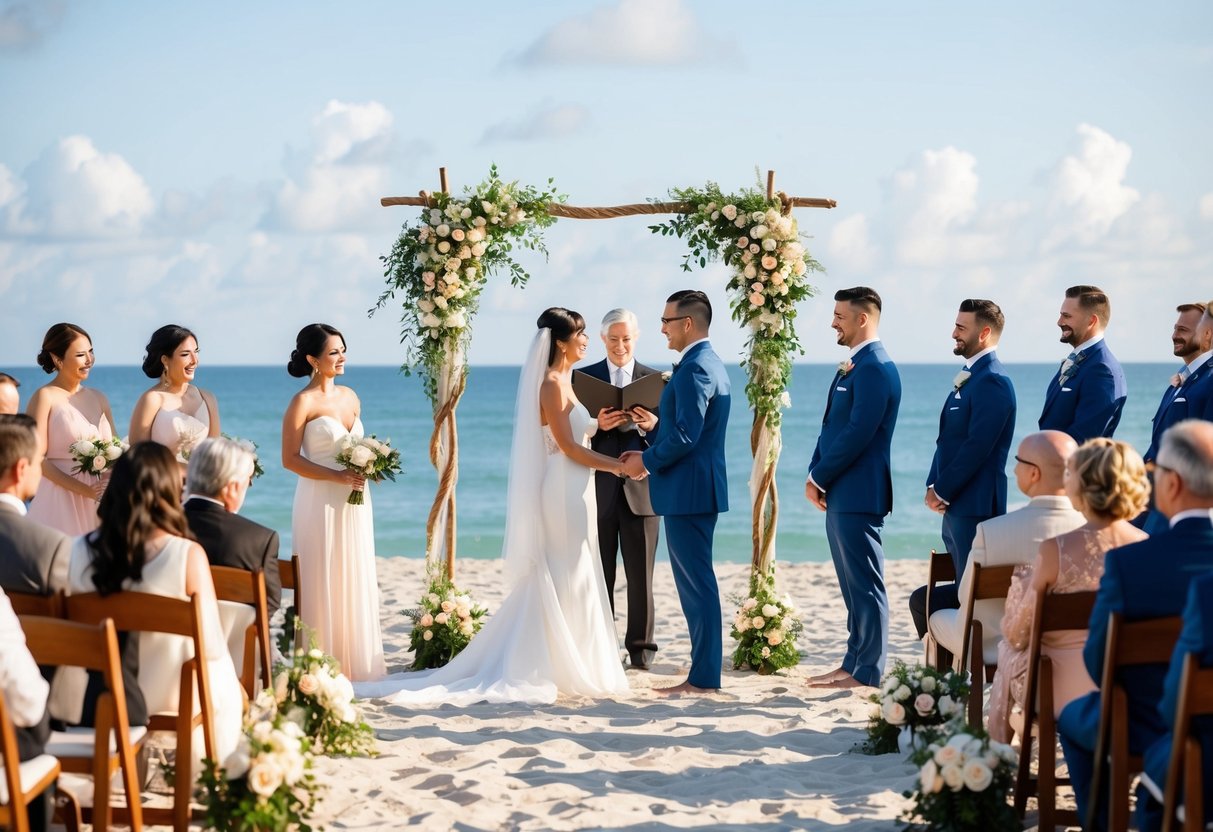
Planning a destination wedding can be an exciting adventure. Imagine saying “I do” at a beautiful beach in the Caribbean. It’s a unique experience that you and your guests will cherish forever.
Most destination weddings happen at resorts, often at stunning all-inclusive options. These venues make it easy for you to coordinate everything, from food to decor. It simplifies the process and lets you focus on enjoying your special day.
According to the Real Weddings Study, destination weddings typically have fewer guests than traditional ones. The average guest count is around 77, making it a more intimate gathering. This smaller size allows you to connect more with your loved ones.
You might also want to create a wedding website. This is a great way to share details with your guests, like travel tips and local attractions. It helps everyone feel prepared and excited for the celebration.
Each destination wedding is unique. Factors like location, season, and the type of resort can affect your guest list. Always keep in mind what will make your wedding experience special for you and your guests. Whether it’s a sunset ceremony on the beach or a cozy gathering at a resort, your destination wedding can be whatever you dream it to be.
Size and Scope of the Wedding
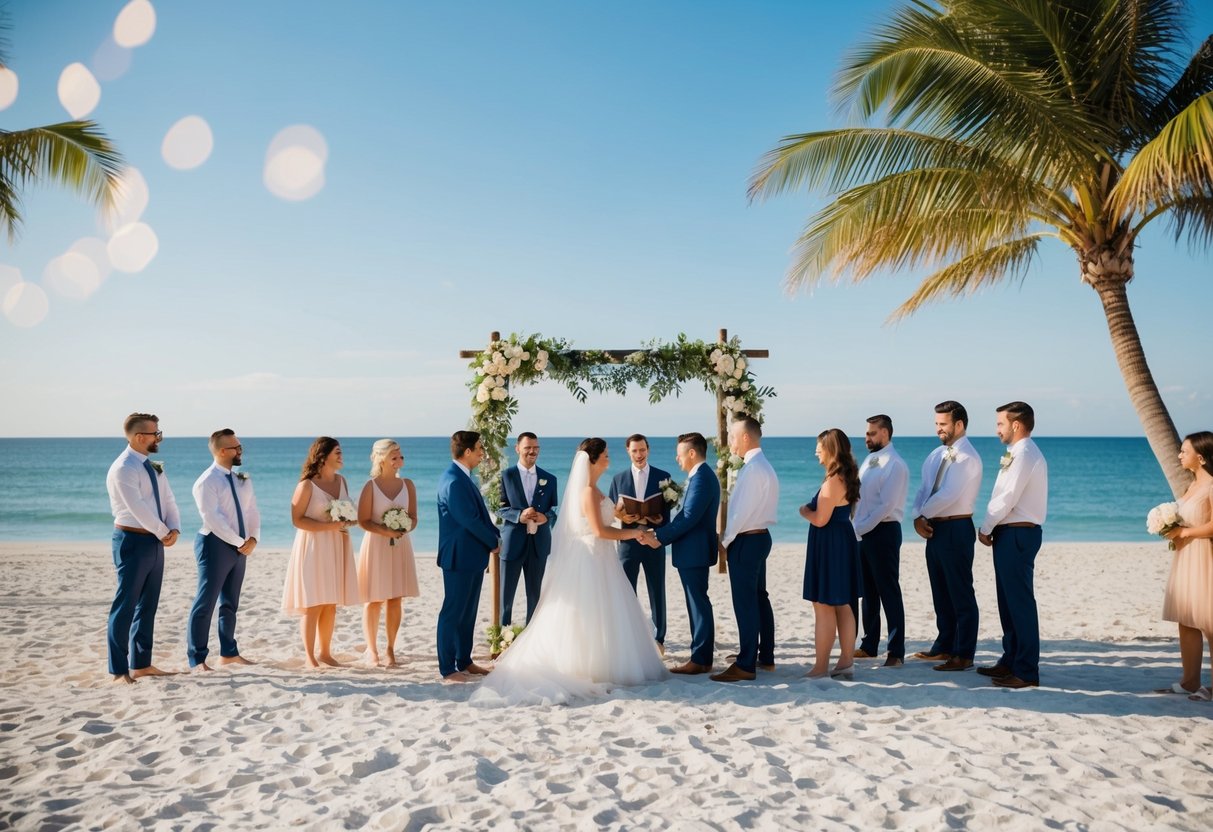
When planning a destination wedding, understanding the size and scope is crucial. Knowing the ideal guest list composition and the right venue capacity can make all the difference in creating a memorable event.
Optimal Guest List Composition
Your guest list can vary widely for a destination wedding. On average, these weddings typically have a smaller number of guests compared to local ceremonies. A destination wedding may have 50 to 100 guests, which often includes immediate family and close friends.
Consider splitting your list into categories. For instance:
- Immediate Family: Parents and siblings
- Extended Family: Aunts, uncles, and cousins
- Close Friends: Those who are like family
This breakdown can help you evaluate who to prioritize. Many couples find that having fewer guests makes the experience more intimate and personal, which is great for bonding in a new setting.
Venue Capacity and Selection
Choosing the right venue is essential for accommodating your guest list. Many destination wedding venues can range from charming local spots to luxurious resorts.
Some key points to think about include:
- Venue Capacity: Ensure it fits your guest list size. If you expect over 200 guests, look for venues that can accommodate large parties, like resorts or whole estates.
- Location Features: Consider aspects like scenery, weather, and accessibility. An ideal venue not only fits your guests but also resonates with your wedding theme and style.
By keeping these factors in mind, you can create a joyful and stress-free atmosphere for your wedding festivities.
Budget Considerations
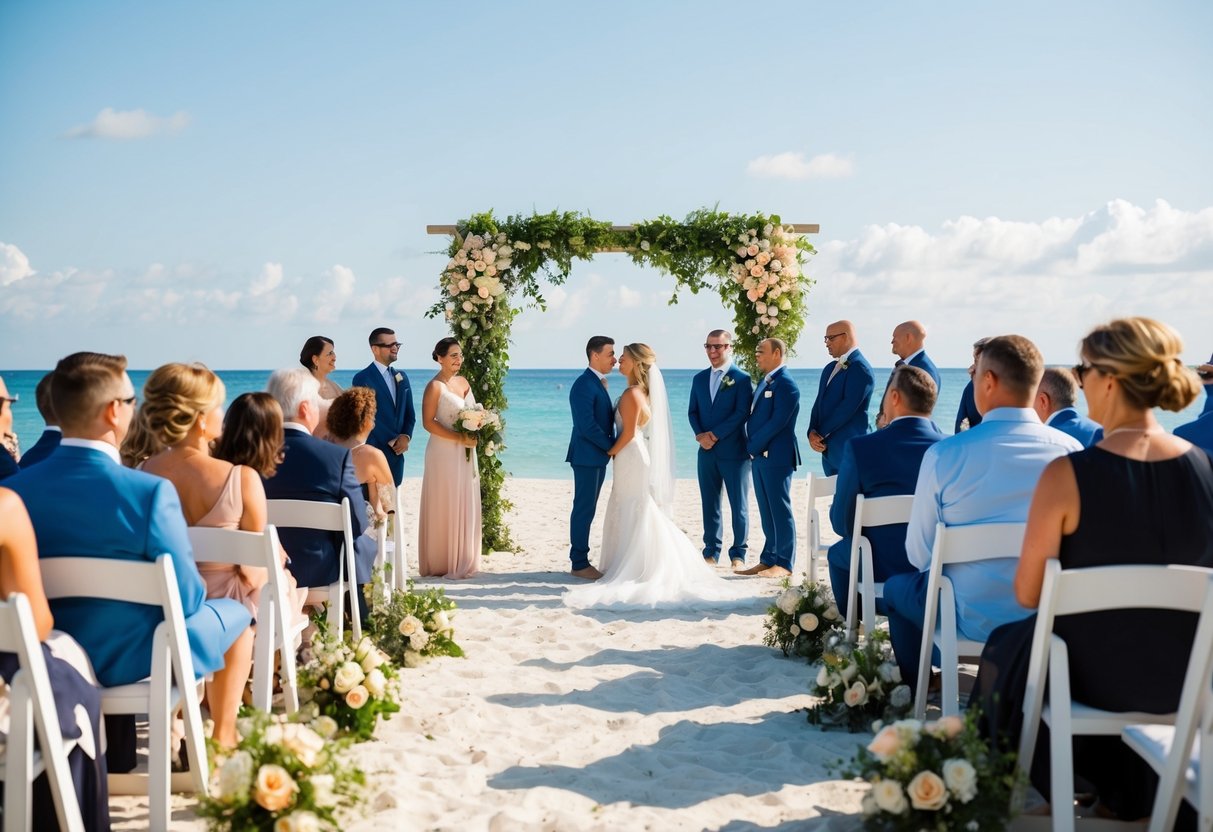
When planning a destination wedding, it’s essential to understand how to allocate your funds effectively. You need to consider guest accommodations and manage vendor expenses carefully. Each choice will impact your overall budget and the experience for your guests.
Allocating Funds for Guest Accommodations
Guest accommodations are a key part of your wedding budget. You’ll want to ensure your guests have a comfortable place to stay.
Consider negotiating group rates with hotels close to your venue. Make a list of nearby options and their prices. For example:
| Hotel Name | Price per Night | Distance from Venue |
|---|---|---|
| Paradise Hotel | $150 | 0.5 miles |
| Seaside Inn | $120 | 1 mile |
| Ocean View Resort | $200 | 1.5 miles |
By choosing affordable options, you can help your guests save money while ensuring they enjoy your special day without worry. Aim for hotels that offer free breakfast or shuttle services. This way, you provide convenience without adding extra costs.
Managing Vendor Expenses
Vendors can significantly affect your destination wedding budget. Research local wedding vendors carefully, as prices vary widely depending on the region.
Start by prioritizing key services such as:
- Catering
- Photography
- Flowers
- Entertainment
When contacting vendors, ask for detailed quotes. This helps you find the best value for your money.
Many vendors offer packages, which can be cheaper than booking services separately. Be clear about your budget from the start. Don’t hesitate to negotiate prices or ask for discounts.
Building a relationship with your vendors can lead to better deals. Remember, investing in reliable vendors ensures a smooth planning process and a memorable day for you and your guests.
Logistics and Planning
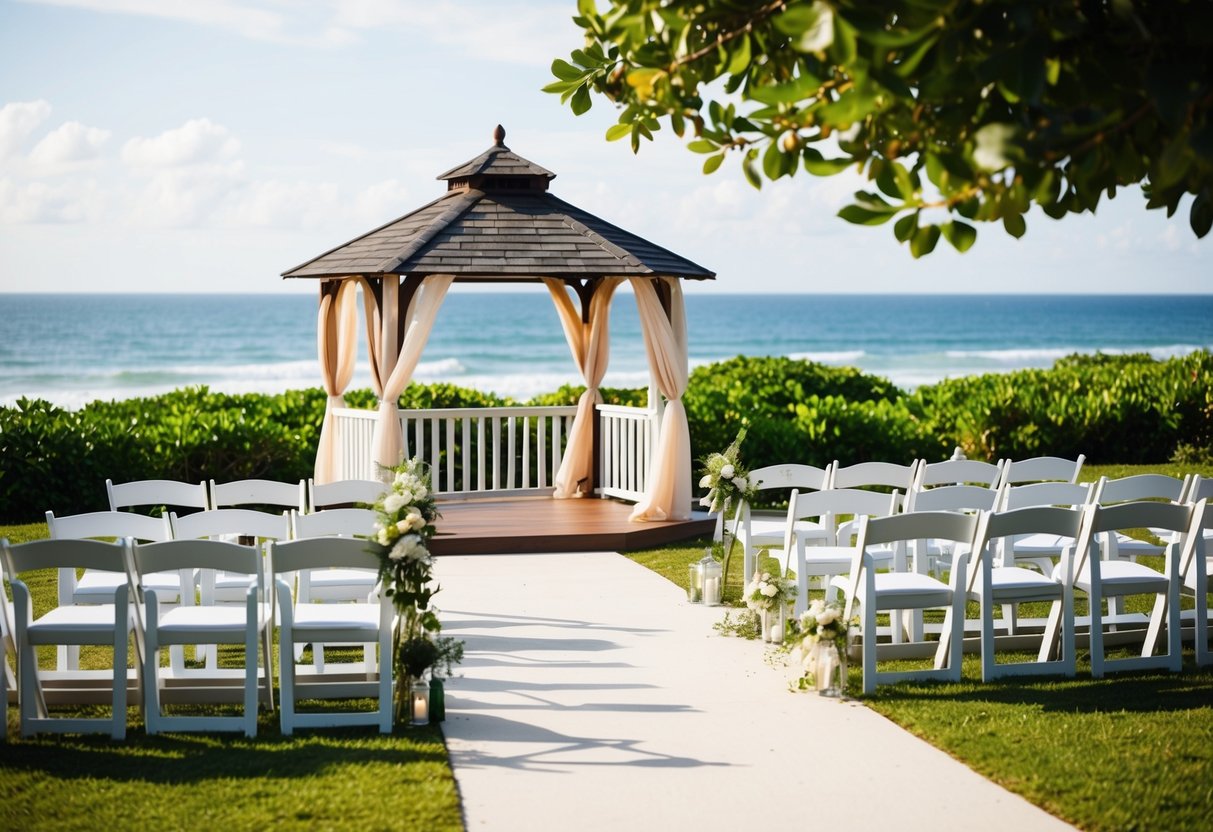
Planning a destination wedding involves key elements that can make your day special. By focusing on coordinating travel and stay for your guests, as well as designing the itinerary for the wedding party, you can create a seamless experience for everyone involved.
Coordinating Travel and Stay for Guests
When you choose a destination for your wedding, make travel arrangements a priority.
Start by sending out wedding invitations that include travel details, such as airport options, local accommodations, and transportation methods. You might consider reserving a block of hotel rooms to ensure your guests have a comfortable place to stay. This can also help them save money.
Make sure to provide RSVP options that allow guests to confirm their attendance easily. If possible, team up with a wedding planner who is familiar with the area. They can assist in finding affordable lodging and transportation that fits your guests’ budgets.
Designing the Itinerary for the Wedding Party
Creating a thoughtful itinerary is essential for a smooth wedding experience. Start by planning key events, such as the rehearsal dinner, ceremony, and reception. Make sure to allow ample time between activities so everyone can enjoy themselves.
Include activities that showcase the local culture and attractions, giving your guests a taste of the destination. This can make their trip memorable. Communicate this schedule clearly, so your wedding party knows when to be ready.
Don’t forget to plan for downtime. Exciting activities can tire everyone out, especially if you have a full guest list. Finding a balance will keep spirits high and allow your loved ones to enjoy the journey just as much as the celebration.