
What Is the Average Size of a Wedding? A Guide to Guest Counts and Celebration Styles
Planning a wedding can be exciting, but one of the key decisions you’ll need to make is the size of your guest list. In the U.S., the average wedding size is around 145 guests. This number may change based on personal preferences and the type of wedding you envision, whether it’s an intimate gathering or a grand celebration.
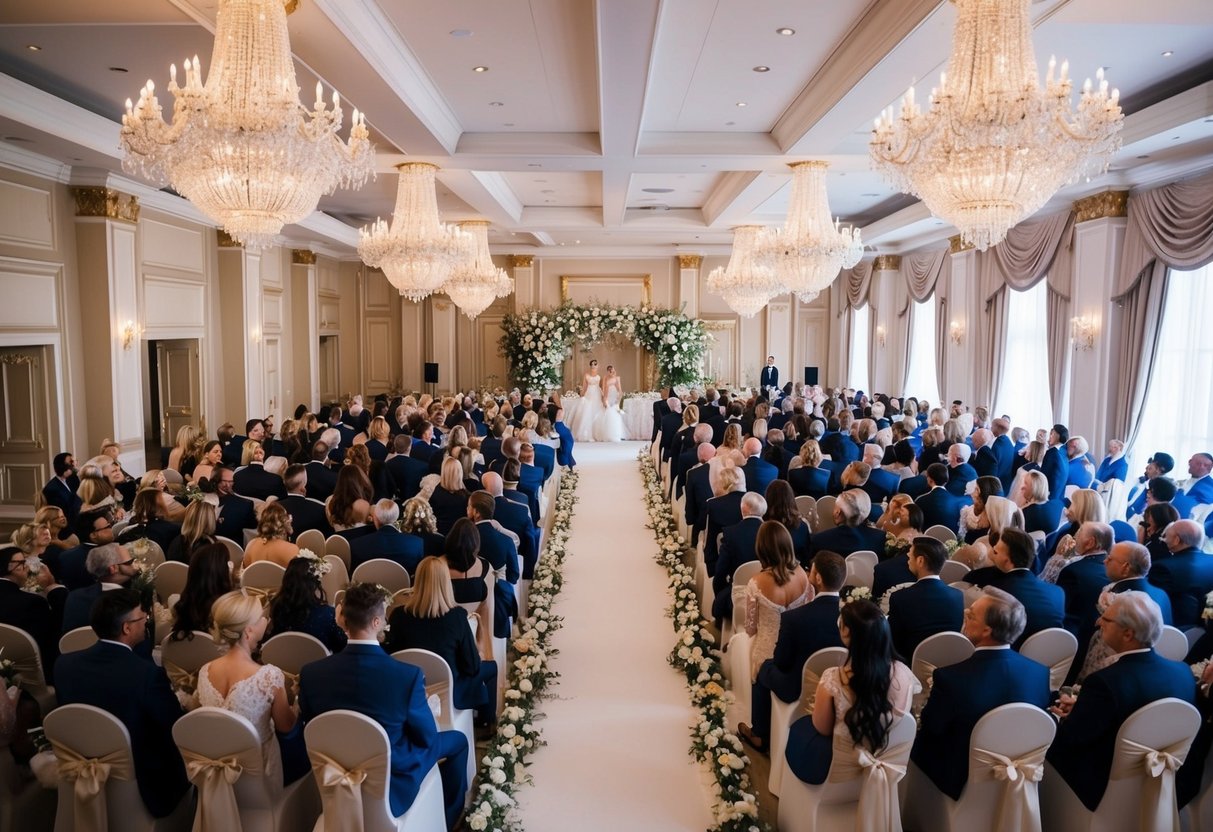
Your choice of guest count can greatly impact your wedding experience. A smaller wedding often allows for more meaningful interactions, while a larger event can create a lively atmosphere filled with diverse guests. Knowing the average size can help you decide what will work best for you, balancing cost, space, and the overall vibe you want to create.
As you consider your options, think about what you want your day to feel like for both you and your guests. The average size can serve as a helpful guideline, but ultimately, it’s about what feels right for you and your special day.
Understanding Wedding Sizes
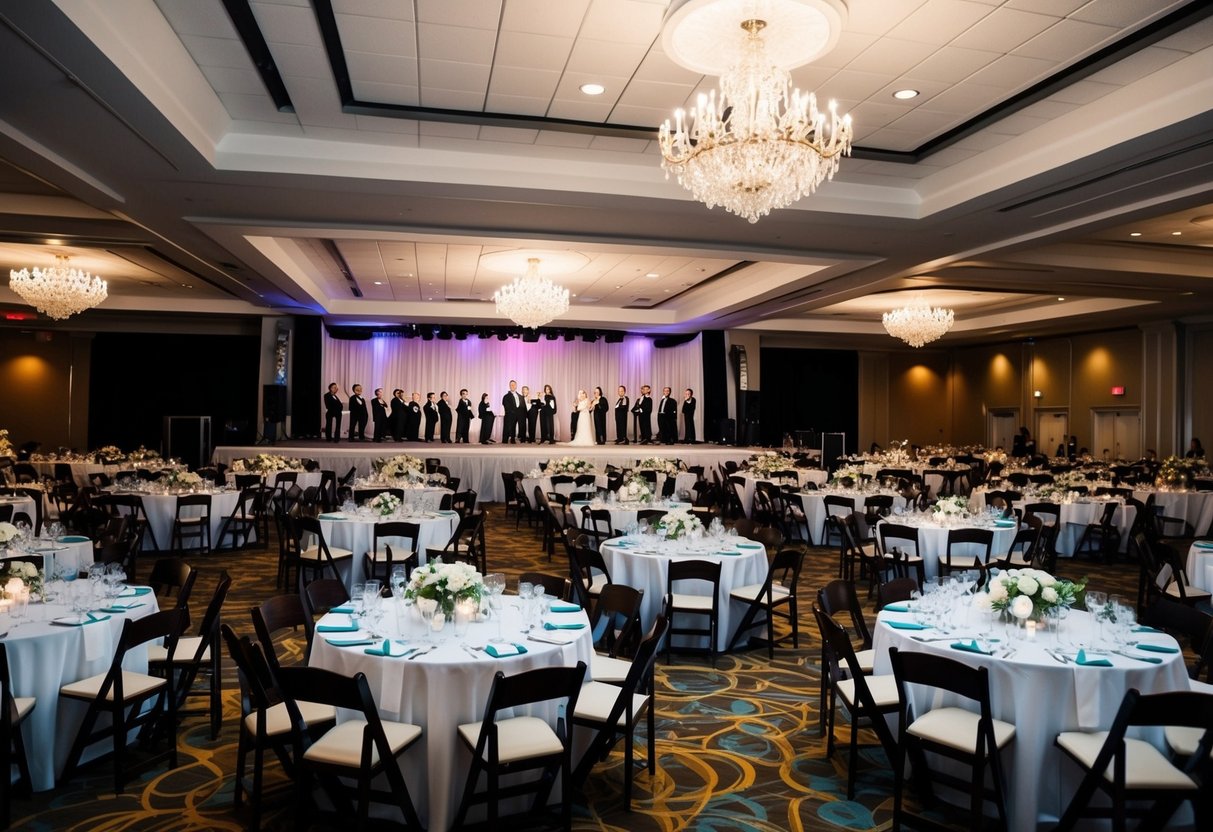
When planning your big day, understanding the various sizes of weddings can help you make the right choices. Different types of weddings cater to different guest counts and styles. Knowing how to determine your wedding size will guide your decisions.
Different Types of Weddings
Weddings can be placed into several categories based on size. Here are the main types:
-
Small Wedding: Often called an intimate wedding, this type typically includes close family and friends. Guest counts are usually under 30. The focus is on personal connections.
-
Medium-Sized Wedding: This falls between a small and large event. Most medium weddings have about 50 to 100 guests. It balances intimacy with a wider celebration.
-
Large Wedding: With over 100 guests, this type opens up the party. It’s perfect for extensive family and friends who want to celebrate together.
-
Micro Wedding: A newer trend, this involves 10-15 guests. It’s cost-effective and allows for a focused celebration.
Determining Your Wedding Size
Deciding the size of your wedding hinges on a few key factors.
-
Budget: Your financial plan will affect guest lists. The more guests you invite, the higher costs for catering and venue.
-
Venue Capacity: The place you choose will have a maximum guest limit. Check how many people the venue can comfortably accommodate.
-
Personal Preferences: Think about what feels right for you. Do you prefer a cozy event or a large gathering?
-
Guest List: Start with a rough list of people you want to invite. This will help tailor your wedding size to include essential friends and family.
Planning Your Guest List
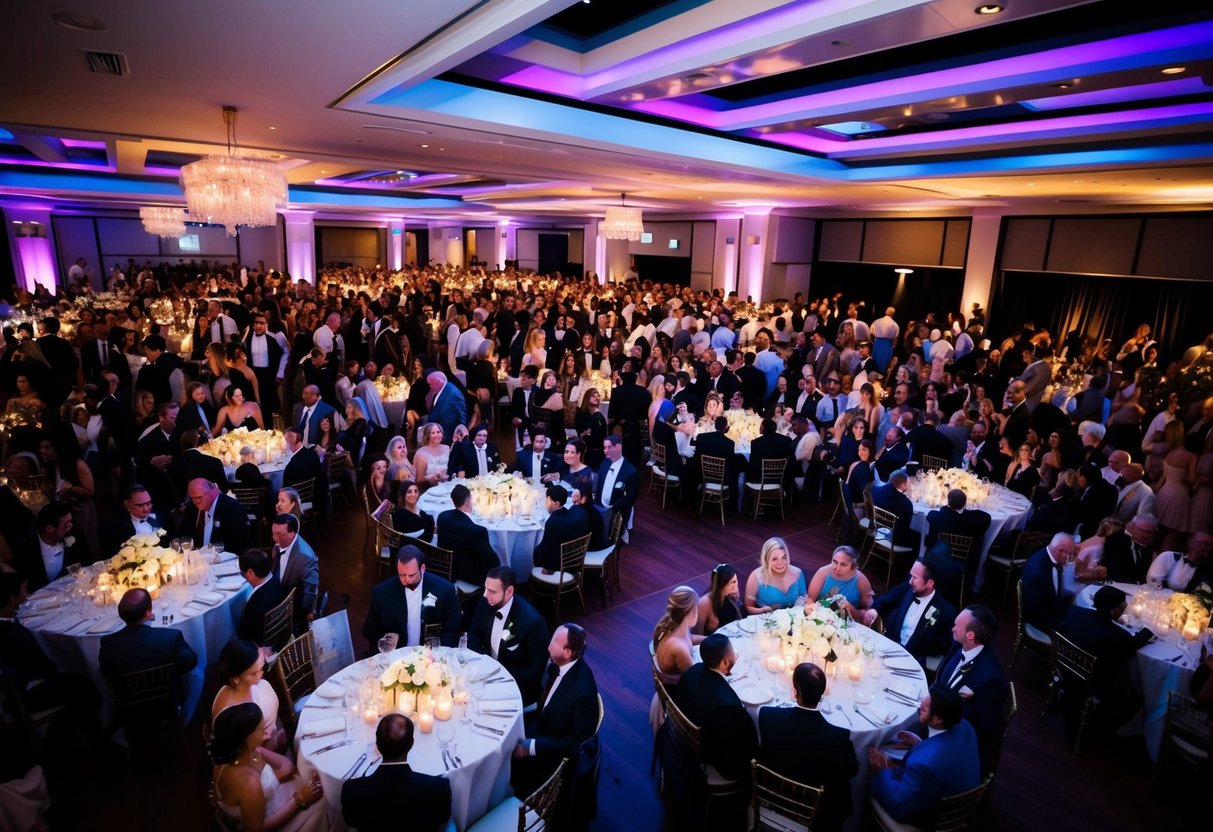
Creating your guest list is one of the most important steps in wedding planning. It sets the tone for your celebration and helps you figure out logistics such as seating, catering, and venue space. Here’s how to get started.
Making the Guest List
Begin by drafting a rough list of all the people you want to invite. Consider including family, friends, coworkers, and any special out-of-town guests.
Tips for Your Guest List:
- Split the list between you and your partner. This helps ensure both families feel included.
- Be mindful of the venue limit. Knowing the maximum number of guests can help narrow down your list.
- Prioritize local guests who are likely to attend. They can help you celebrate without the travel complication.
As you finalize your list, think about those you truly want to share your special day with.
Managing RSVPs and Attendance
Once you send out save the dates and invitations, it’s time to think about RSVPs. Allow guests a few weeks to respond, and consider following up with reminders.
- Create a simple spreadsheet. Include names, RSVP status, and any notes about out-of-town guests.
- Aim for around 75-85% of invited guests to attend. This gives you a better idea of final numbers.
- Consider special arrangements for local guests who might help with logistics.
Managing your guest list effectively will reduce stress as your wedding day approaches. Enjoy the process and celebrate all the relationships that matter to you!
Budgeting for Your Wedding
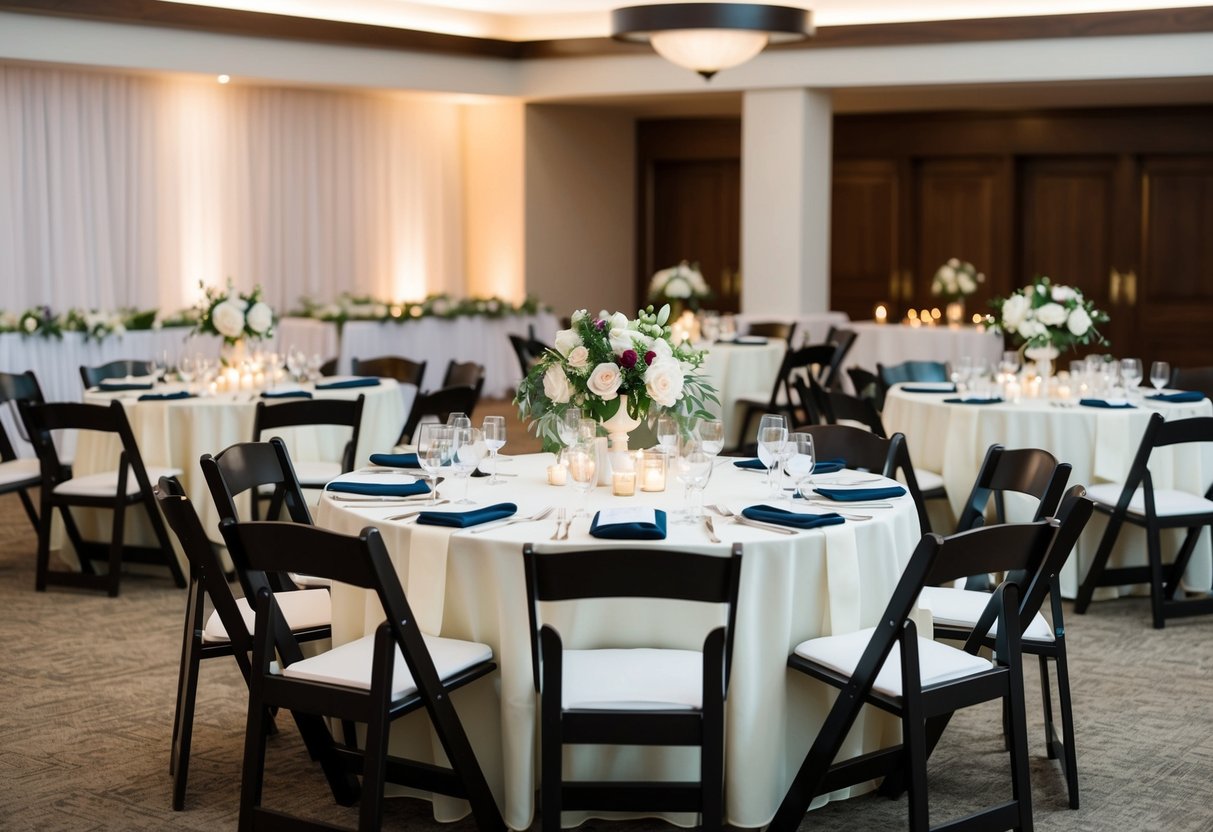
Creating a budget for your wedding is essential to ensure you stay on track and avoid overspending. Knowing how to navigate wedding costs and allocate your funds wisely will help make your big day a success.
Navigating Wedding Costs
Start by understanding the average wedding cost in your area. In 2024, the average expense is around $33,000. This figure can vary greatly based on your guest list size. For instance, having 200-300 guests could cost about $42,751, while a more intimate gathering of 50-75 might run you around $20,581.
Break down your expenses into key categories, such as:
- Venue
- Catering
- Photography
- Entertainment
- Decor
Keep track of these costs to help you stay within your budget. Adjustments might be necessary as you learn more about what each element will cost.
Allocating Funds Wisely
After recognizing your total budget, prioritize where to spend. For instance, allocate around 30% for the venue and catering, 20% for photography and videography, and 10% for flowers.
Consider allocating funds based on your values. If you care deeply about photos, increase that budget and spend slightly less on decor.
Be sure to revisit your guest list size, as it greatly impacts your costs. The simpler your guest list, the better your chance to save money overall. Balancing your budget with your vision helps keep everything within reach.
Choosing the Right Venue
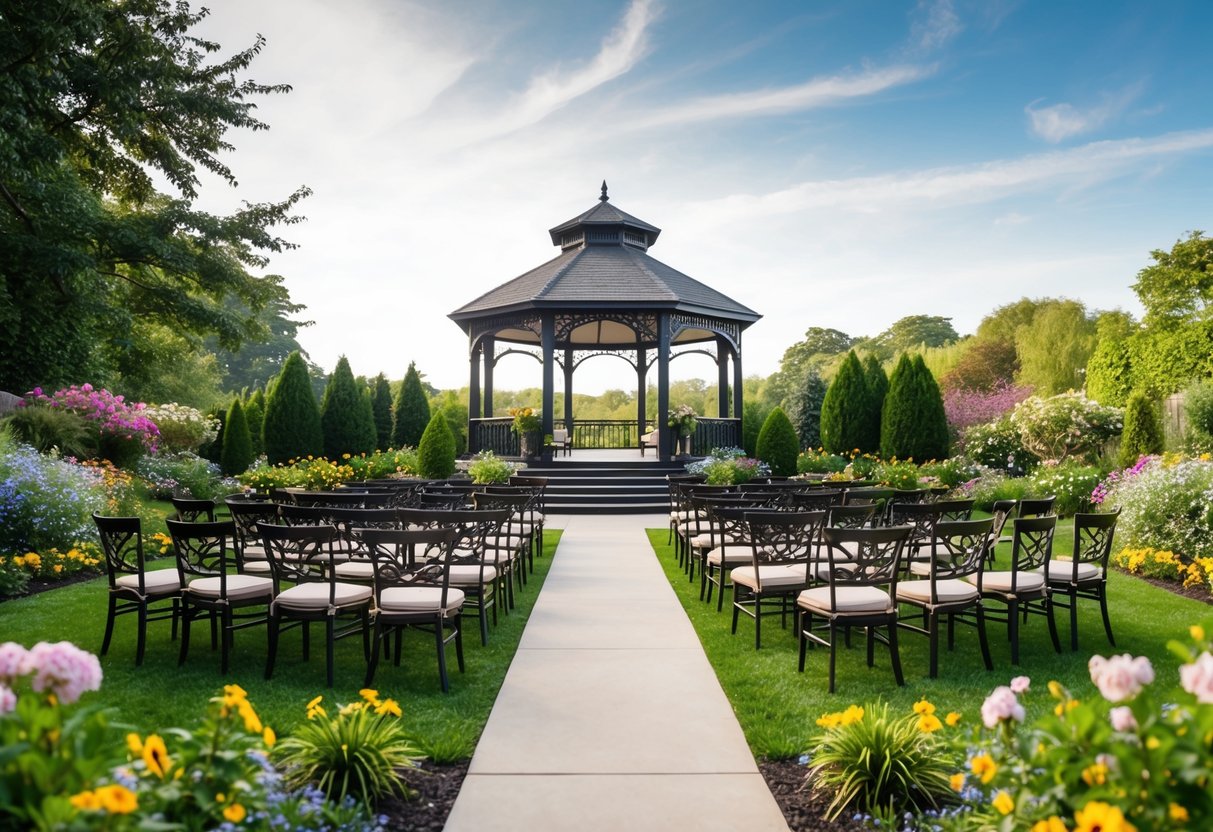
Selecting the correct wedding venue is crucial to your celebration. It sets the mood and impacts your guest experience. Consider key factors like location and size to create the perfect atmosphere.
Local vs. Destination Weddings
When deciding on your venue, think about local versus destination weddings. Local weddings are usually easier for your guests, as travel and accommodation are simpler. They often allow you to utilize familiar vendors and resources.
On the other hand, destination weddings can offer unique settings. Imagine tying the knot on a beach or in a historic castle. They may require more planning, but they can create unforgettable memories. Make sure to factor in the costs and logistics of getting your guests to a destination. Consider their convenience when making your choice.
Venue Capacity and Features
Next, consider your venue’s capacity and features. Knowing how many guests you’re inviting helps narrow down your options.
For example, a venue with at least 3,000 square feet can typically accommodate around 250 guests. If you expect a larger crowd, look for venues that are spacious enough.
Also, think about necessary features. Does the space have outdoor options? What about restrooms and parking?
Many couples appreciate venues with distinct areas for dining and dancing, ensuring a smooth flow for guests. Discuss these details with wedding planners or venue coordinators to ensure you make the best decision.