
What is the Average Wedding Time UK? Discovering Ceremony and Reception Timings
Planning a wedding involves many important decisions, and choosing the right time for your ceremony is crucial. In the UK, the average wedding ceremony time usually falls between 1pm and 2:30pm.
Understanding the typical timings can help you create a smooth schedule for your big day.
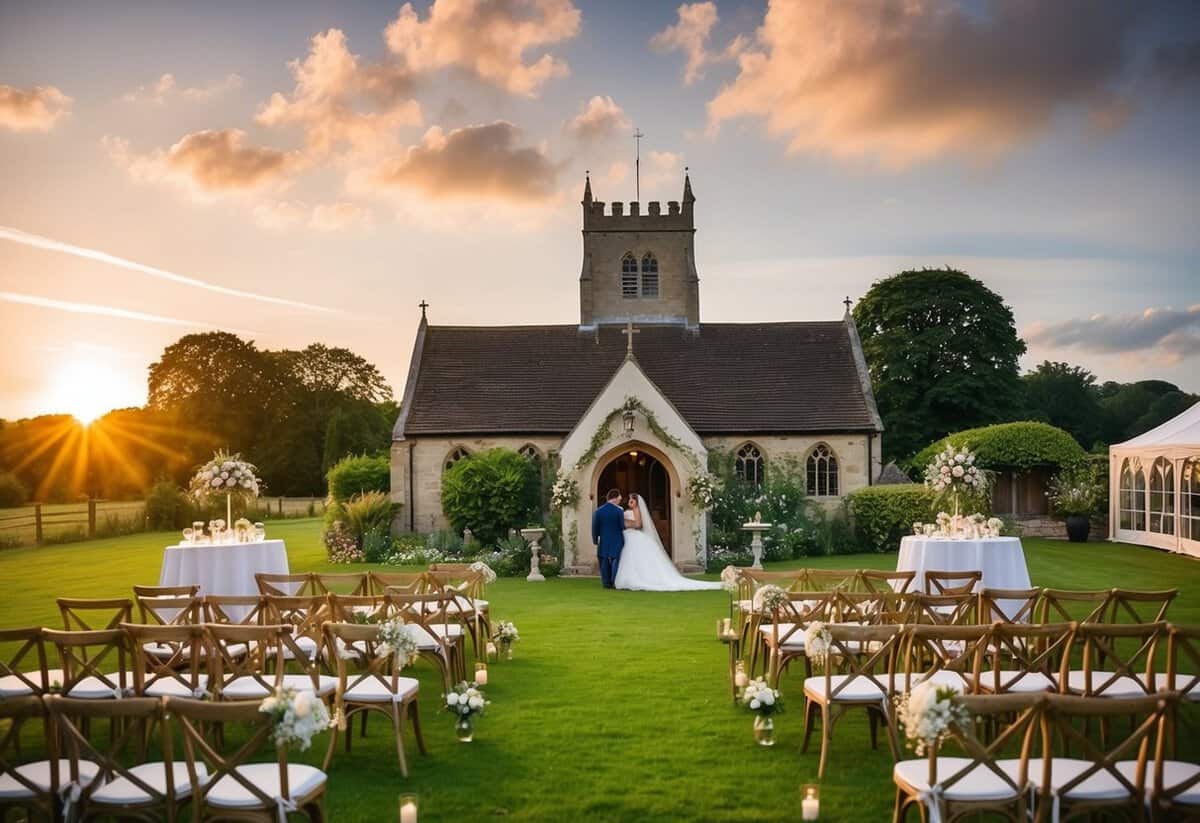
As you consider your options, remember that the ceremony time can influence various aspects of your wedding planning, from photography to meals. Many couples opt for later afternoon ceremonies to allow for more daylight and to enhance the overall atmosphere.
Staying informed about current wedding trends can make a big difference in making your day special and memorable.
Whether you are leaning toward a daytime celebration under the sun or a more intimate evening event, being aware of average wedding times in the UK can help guide your choices. This knowledge can ensure that your wedding aligns beautifully with your vision and the expectations of your guests.
Understanding UK Wedding Timings
Planning your wedding day involves knowing key timings, especially when it comes to the ceremony. Understanding typical schedules and popular ceremony times can help you create a smooth and enjoyable experience.
Typical Ceremony Schedules
In the UK, wedding ceremonies usually have a set structure that helps everything flow nicely throughout the day. Most ceremonies start between 1 PM and 3 PM, allowing time for guests to arrive and enjoy pre-ceremony drinks.
You might begin with hair and makeup for the bridal party around 10 AM. Then, the ceremony typically lasts about 30 minutes. After this, you might have a short break for photographs before moving on to the wedding breakfast.
Remember, there’s no one-size-fits-all. Your schedule can be adjusted to fit your specific needs and preferences, so don’t hesitate to reach out to your wedding planner for help.
Popular Times for Wedding Ceremonies
Many couples in the UK choose afternoon ceremonies for a reason. A ceremony starting at 1 PM allows for a leisurely morning. This timeframe lets you, your bridal party, and your guests enjoy the festivities without rushing.
If you prefer a morning ceremony, starting at 11 AM can give you the whole day ahead for celebrations. Evening ceremonies are less common but becoming more popular, especially for more casual weddings.
Ultimately, the timing depends on factors like your venue, guest list, and personal style. Take some time to consider what works best for you and your loved ones.
Planning Your Wedding Day
When planning your wedding day, it’s essential to focus on key aspects like selecting the right venue, crafting your guest list, and determining your budget. Each of these steps plays a crucial role in ensuring that your big day goes smoothly and is memorable for everyone involved.
Selecting the Ideal Venue
Choosing the perfect wedding venue sets the tone for your celebration. Start by considering the type of atmosphere you want, whether it’s a grand hall, a cozy barn, or a scenic outdoor space.
Make a list of potential venues that match your vision and check their availability. Consider factors like location, capacity, and amenities offered. Some venues may include catering or decoration services.
Don’t forget to visit each venue. This helps you visualize your wedding there and ensures it meets your needs. Think about your budget, as venue costs can vary greatly.
Crafting Your Guest List
Your guest list is one of the most personal aspects of your wedding planning. Begin by listing everyone you want to invite.
Think about family, friends, and colleagues. Be sure to discuss with your partner to create a balanced list together.
Next, consider the venue’s capacity. This will help you decide who to invite and who might need to be left off.
Also, be mindful of your budget when it comes to the number of guests. More guests usually mean higher costs for food, seating, and drinks.
Determining Your Wedding Budget
Setting a clear budget is key to managing wedding costs. Start by determining how much money you and your partner can allocate for the event.
Break down your budget into categories: venue, catering, attire, and decorations. This will help you see where the majority of your funds will go.
Be realistic about each category and account for unexpected expenses. It’s often wise to set aside a portion of your budget for these surprises.
Review your budget regularly as you make decisions. This will keep you on track and help ensure your wedding day remains within financial limits.
Key Moments of the Wedding Day
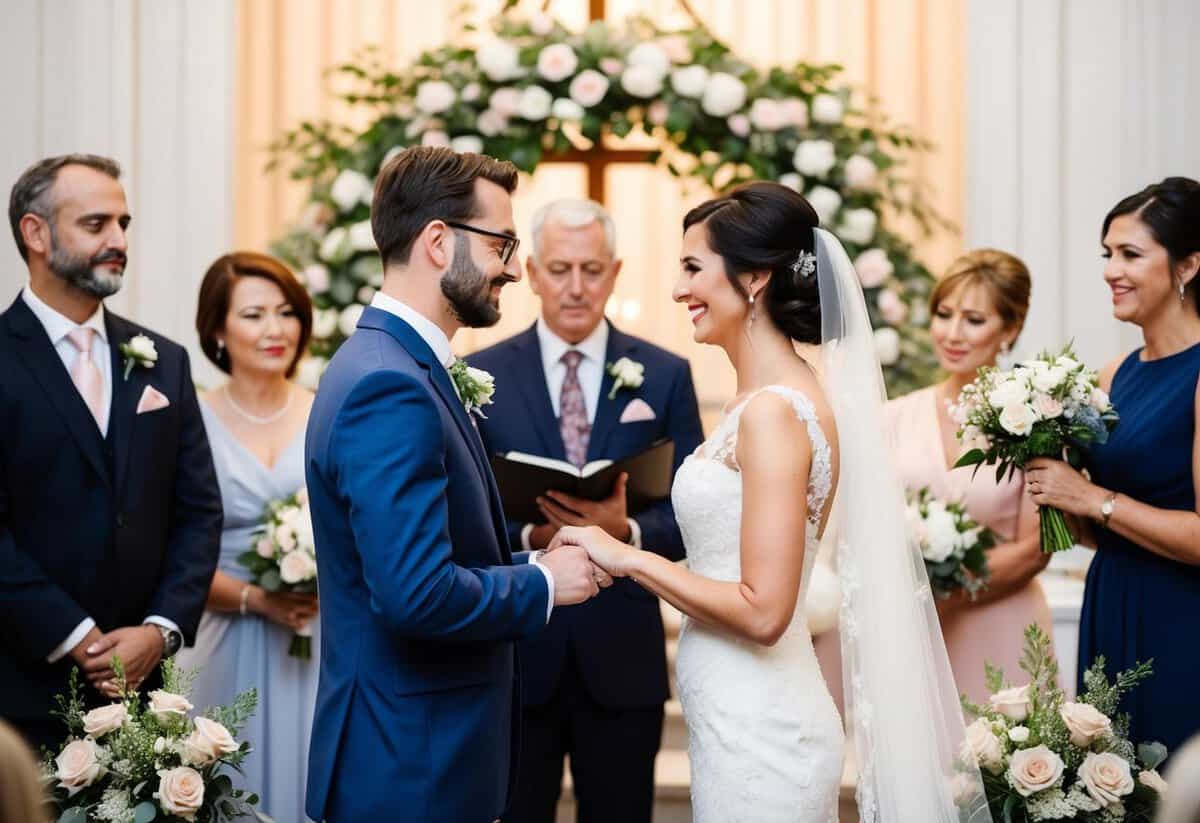
Every wedding day is filled with memorable moments that contribute to the special atmosphere. Understanding the key moments can help you plan and enjoy your day more fully.
The Bridal Preparations
The day begins with the bridal preparations. This is a time for you and your bridal party to relax and get ready. You might start with hair and makeup, creating a beautiful look for your wedding dress.
Having a timeline is essential here. Aim to start early, so you have enough time for everything. You might want to include some fun activities, like a toast or snacks, to ease any pre-wedding nerves. Capture this moment with photos to cherish later.
Don’t forget to set aside some time for your bridal portraits before the ceremony. This allows you to take stunning photos in your dress without feeling rushed.
Ceremony and Family Portraits
The ceremony is the heart of your wedding day. It is where you exchange vows and celebrate your commitment. Make sure your guests know the schedule and any important details, such as readings or music.
After the ceremony, it’s time for family portraits. This is a crucial part of the day. Gather your loved ones for formal photos. Create a list of must-have shots to ensure no one is missed.
Consider hiring a photographer who specializes in capturing these moments. This will help you relax knowing your memories are in good hands.
Reception and Wedding Breakfast
Following the ceremony, the wedding reception is when the celebration really begins. Typically scheduled a few hours after the ceremony, you and your guests enjoy a wedding breakfast.
This is often a multi-course meal, where you can showcase your favorite dishes. Ensure any dietary restrictions are considered when planning the menu.
After the meal, the festivities continue. Activities like speeches, dancing, and games keep your guests engaged. You might even have a cake cutting ceremony, which is another perfect photo opportunity.
Make sure to enjoy these moments, as they create lasting memories for you and your guests.
Wedding Sizes and Styles
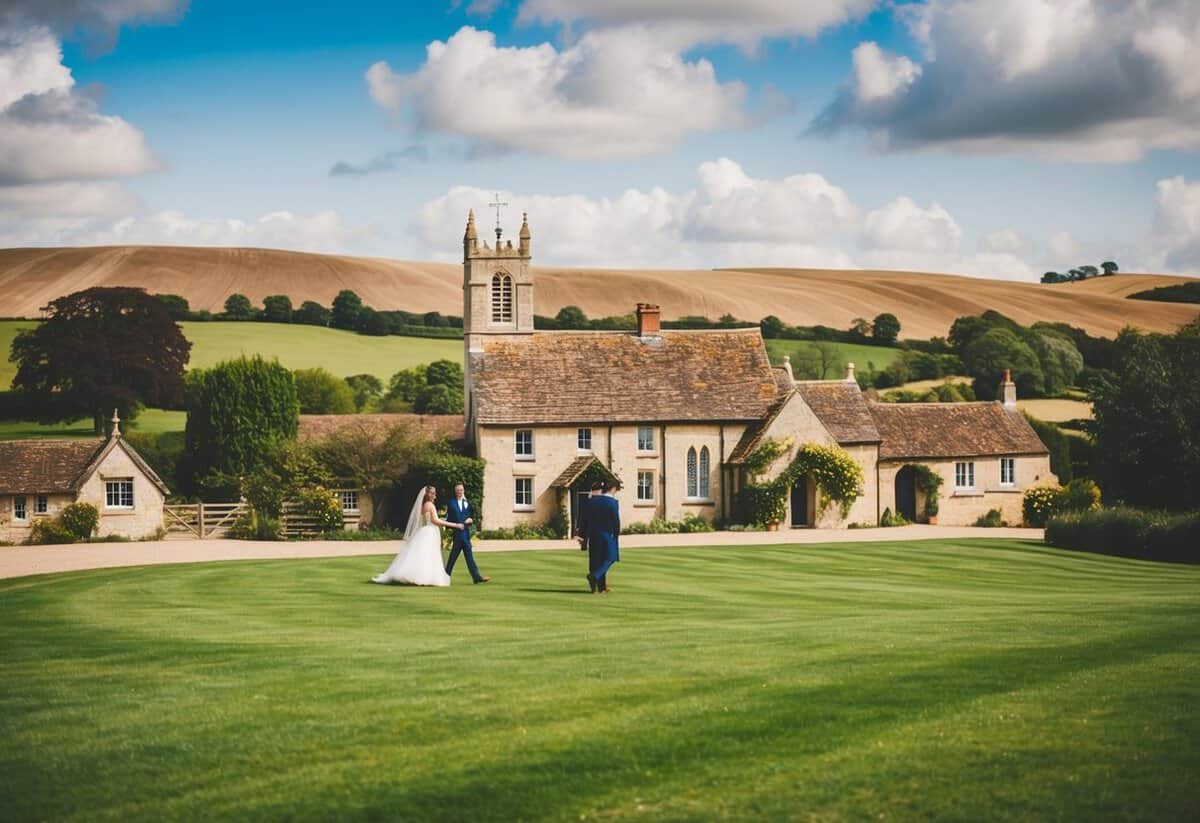
When planning your wedding, size and style matter. Different formats suit various preferences and needs, from intimate gatherings to larger celebrations. Understanding elopements, micro weddings, and incorporating religious ceremonies can help you create a memorable day.
Elopements and Micro Weddings Advantages
Elopements and micro weddings offer unique benefits. These smaller ceremonies let you focus on what truly matters—your love and commitment. With fewer guests, you can create a more personal experience.
You might spend less on venues, catering, and decorations. This allows you to allocate more budget to elements that are most important, like photography or a dream destination.
Eloping or hosting a micro wedding also provides flexibility with location and timing. You can choose a scenic spot or a meaningful place, making your day special.
Plus, the stress of planning can be minimal. There are fewer opinions to navigate, so you have more freedom to create a wedding that reflects your style. Overall, smaller weddings can lead to unforgettable moments that are all about you.
Incorporating Religious Ceremonies
Including religious ceremonies in your wedding can be a meaningful way to honor your beliefs. Whether you’re integrating traditional customs or personal rituals, this aspect can add depth to your celebration.
Discuss with your partner which elements resonate with both of you. For instance, if you’re Christian, you might include readings from the Bible or have a church ceremony. If you follow another faith, adapt your wedding to reflect those traditions.
Make sure to communicate your plans with your officiant. They can guide you on how to incorporate specific customs seamlessly.
Also, consider how these ceremonies can link your families and cultures. Engaging family members in the process can create a warm, inclusive atmosphere.
Religious elements can ground your wedding, making it not just a legal union but a spiritual one as well. Each tradition can help deepen the meaning of your big day.