
What Is the Average Wedding Time UK? Discovering Timing Trends for Your Special Day
Planning a wedding can feel overwhelming, especially when you need to choose the right time for your ceremony. Weddings in the UK typically start between 1 PM and 3 PM. This window allows for a comfortable flow of events and is popular among couples for its convenience.
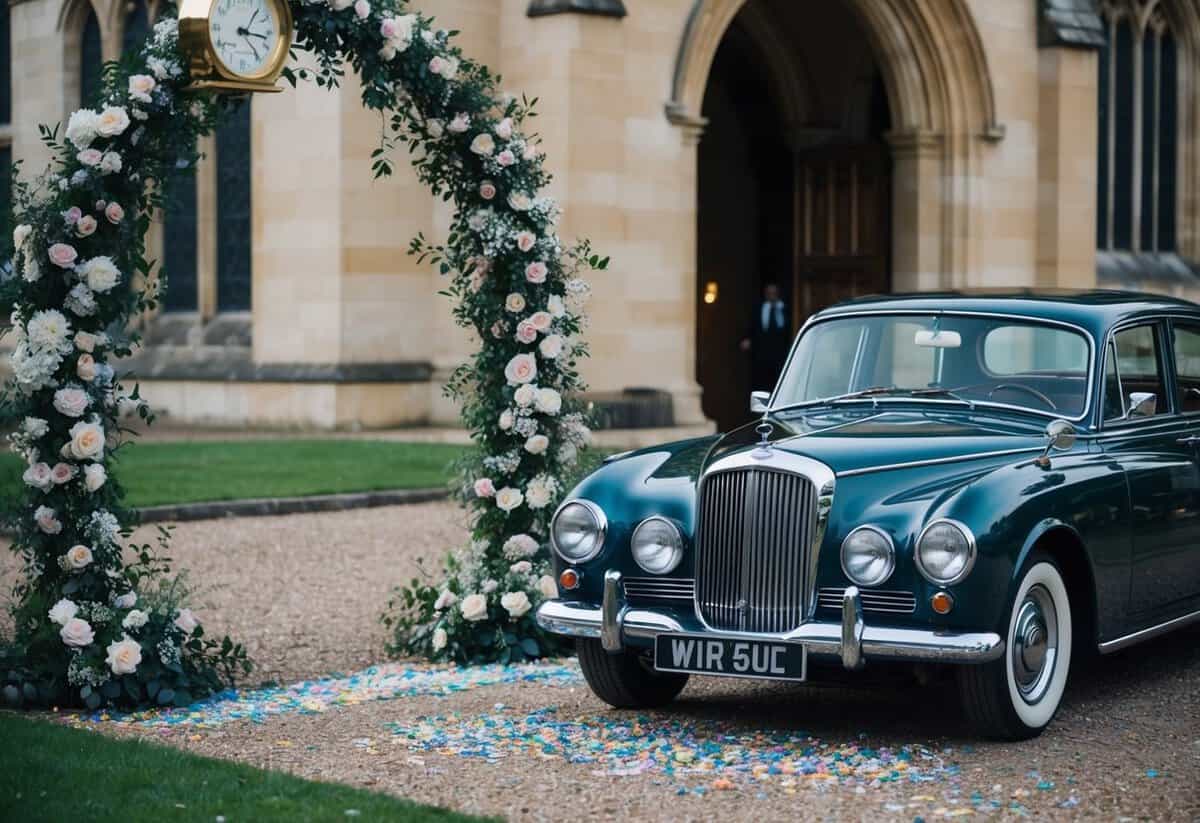
Understanding common wedding times can help you make informed decisions about your big day. It not only affects your schedule but also shapes the atmosphere of your ceremony. With trends evolving, knowing these details can make a difference in your wedding planning journey.
As you think about your wedding day, consider how the timing might play into your vision. From sunlight for those perfect photos to guest availability, the right start time can enhance the overall experience for you and your loved ones.
Planning Your UK Wedding
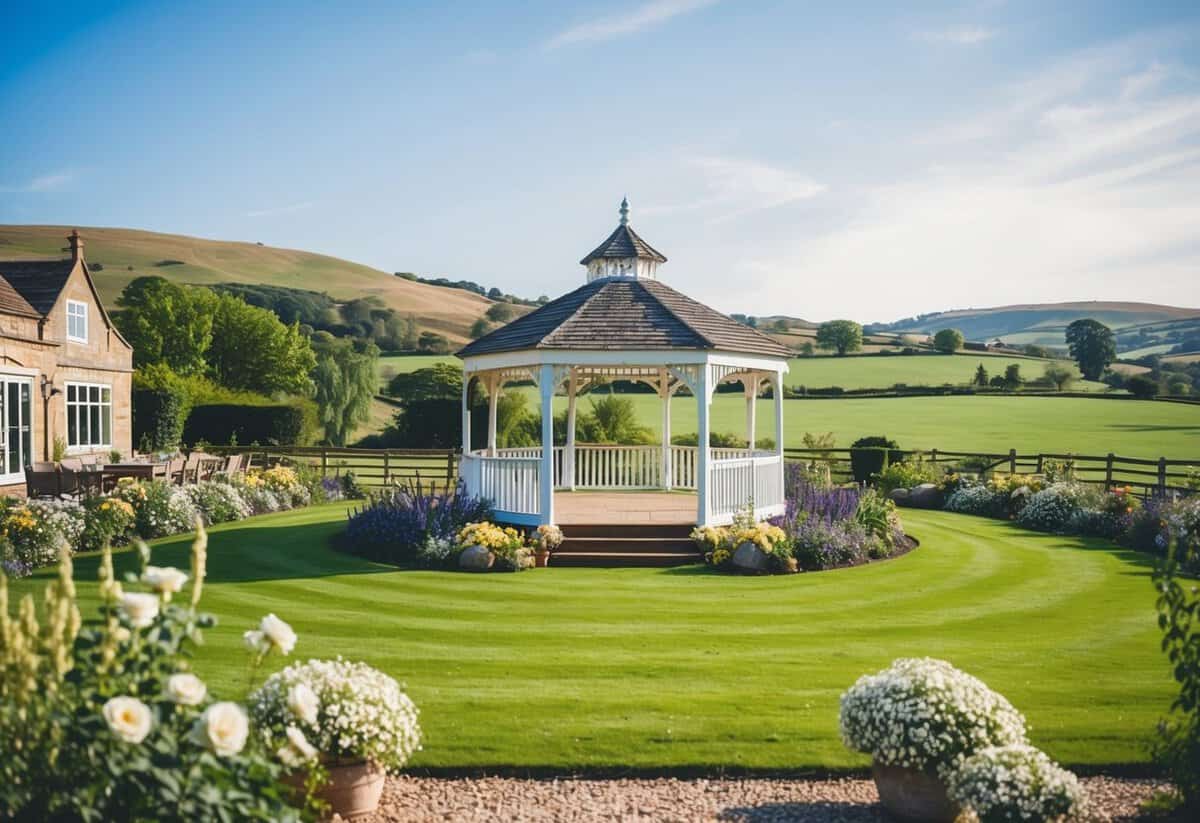
Planning your wedding in the UK can be exciting and overwhelming at the same time. A clear focus on your venue, guest list, and budget will help keep everything organized and stress-free. Here’s what you need to consider.
Choosing the Perfect Venue
The venue sets the mood for your wedding day. Start by deciding if you want a traditional church, a barn, or perhaps an outdoor space. Consider the season as well. For a summer wedding, a garden or seaside venue can be stunning.
Make a list of potential venues and visit them if possible. Check their capacity to ensure it fits your guest list. Remember to inquire about what is included, like tables and chairs, and any restrictions they may have.
Additionally, pay attention to the location’s accessibility for your guests. It should be easy for everyone to get there. If you are planning a small wedding or an elopement, look for intimate venues that offer a cozy atmosphere.
Creating Your Guest List
Your guest list is a crucial part of wedding planning. Start with a rough draft and narrow it down based on your venue’s capacity and budget. Invite your closest friends and family first, as they are often the most important to you.
Consider whether you want a large celebration or a micro wedding. Typically, smaller weddings create a more intimate feel and can cost less. Think about who you truly want to celebrate with you on your special day.
Also, keep in mind how your guest list affects your budget. More guests usually mean higher costs for catering and other services. So, be honest and balanced in your choices to fit your vision.
Setting a Wedding Budget
A well-planned budget keeps your wedding on track financially. Start by determining your overall budget. Include all potential costs, such as the venue, catering, attire, and decorations.
Break down your budget into categories. For example, you might allocate 40% to your venue and catering, 20% for photography, and the rest for decorations and attire. This way, you will clearly see where your money is going.
Don’t forget to include a small cushion for unexpected costs. Weddings can sometimes bring surprises. By having a little extra, you can stay worry-free as the big day approaches.
Research average costs for weddings in your area to guide your budgeting process. This is especially helpful if you are unsure where to start.
Ceremony and Reception Timings
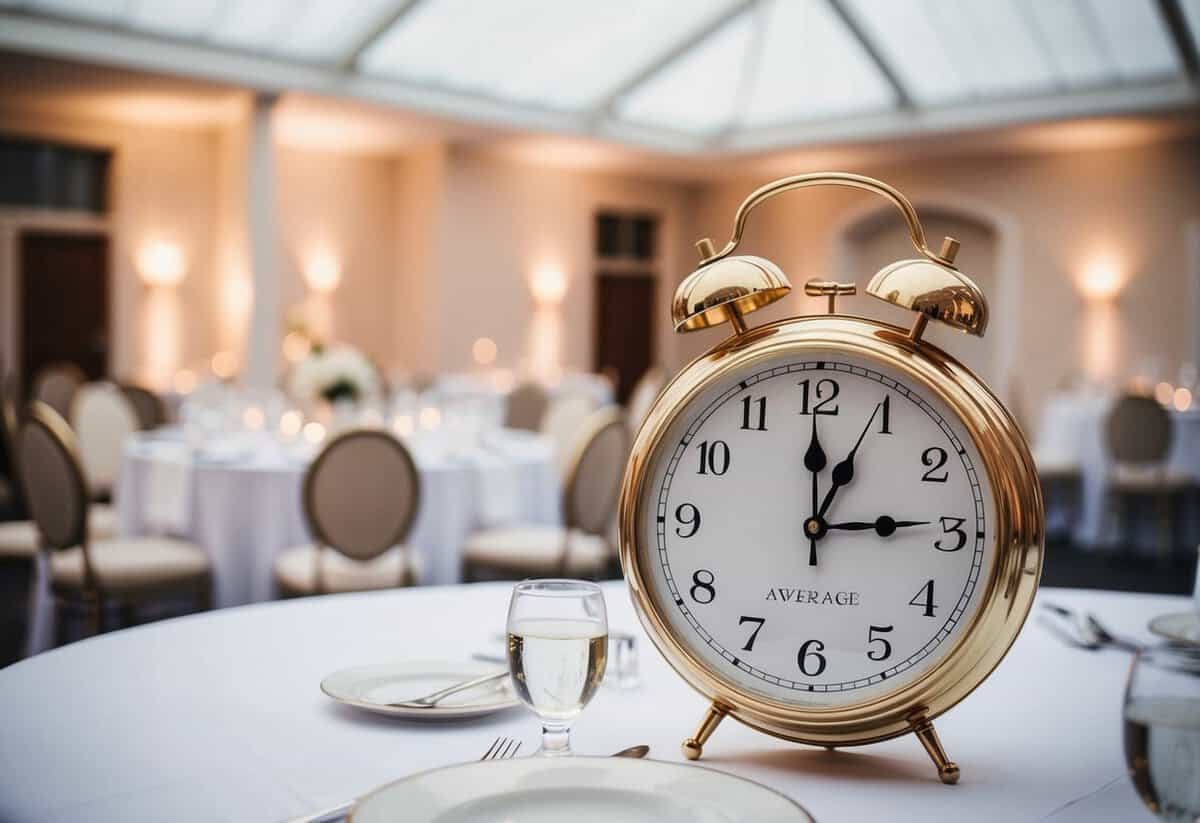
Timing your wedding events is crucial for a smooth flow throughout the day. Understanding the various segments of your wedding will help ensure everything goes as planned, making your special day enjoyable for both you and your guests.
The Wedding Ceremony Itself
The UK typically has ceremonies between 1 PM and 2:30 PM, allowing for a midday celebration. If you’re having a religious ceremony, this may affect the timing due to specific service requirements. Typically, the ceremony lasts between 30 minutes to an hour.
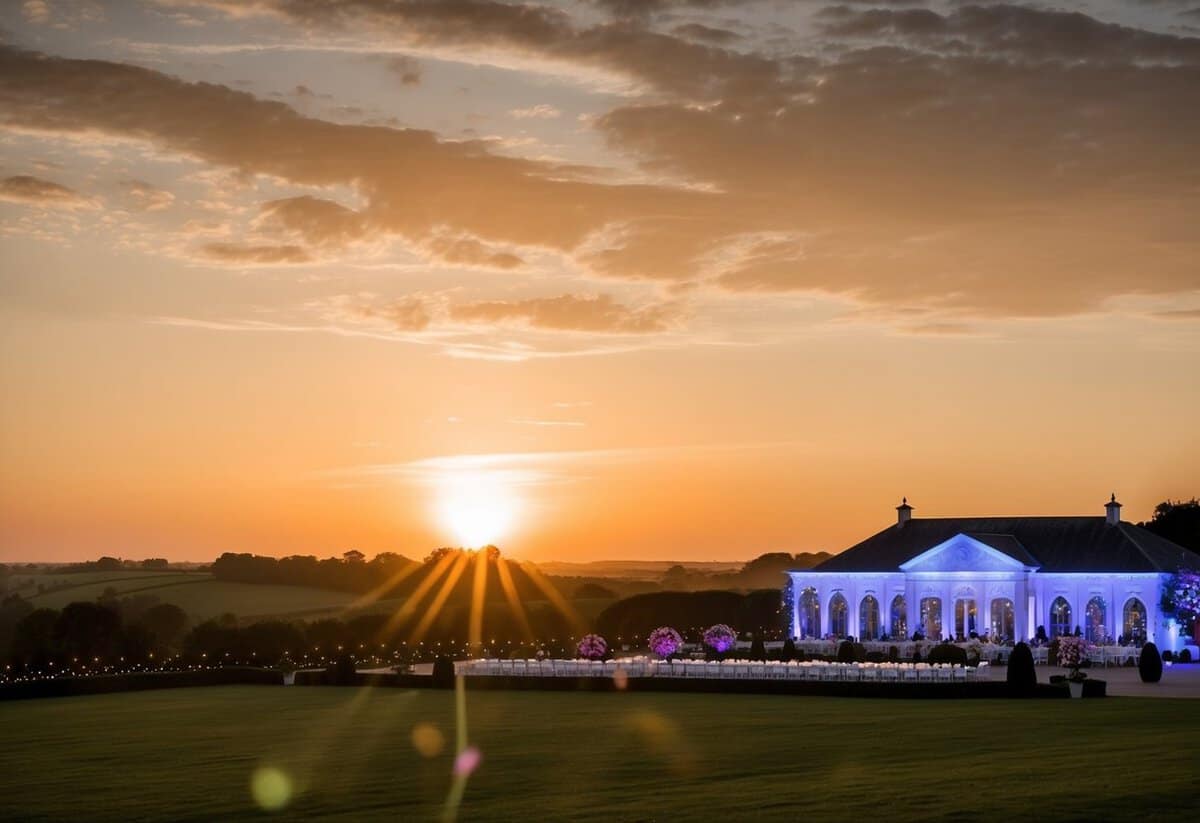
Make sure to communicate the exact time on your invitations. This allows guests to arrive promptly and witness the moment. Consider your venue’s guidelines as well, as outdoor locations may need to factor in sunset times for those lovely photos.
Transition to Drinks Reception
Following the ceremony, it’s time for a drinks reception. This transition usually lasts between 1 to 2 hours, giving you and your guests a chance to mingle. While you can enjoy your first moments together as a married couple, it’s also a great time for group shots.
For a smooth flow, plan this segment carefully. If you have your ceremony and reception at the same location, it helps minimize travel time. If not, be sure to allow enough time for guests to move. This is where you can serve light refreshments and perhaps some canapés to keep everyone satisfied.
Enjoying the Wedding Breakfast
After the drinks reception, guests will be ready for the wedding breakfast. This meal typically follows about 1.5 to 2 hours after the ceremony. It’s advisable to allow around 1.5 hours for everyone to enjoy their meal. Traditionally, the wedding breakfast includes several courses, starting with a starter, main course, and dessert.
During this time, speeches will naturally unfold. Make sure you give each speaker plenty of time, as they can last from 10 minutes to half an hour. Creating a relaxed atmosphere will ensure your guests are having a great time.
Evening Festivities at the Reception
As the meal wraps up, prepare for the evening festivities of the reception. Usually, this part of the day can last anywhere from 5 to 8 hours, giving you plenty of time to dance and celebrate.
The evening kicks off with the couple’s first dance, followed by parental dances and an open dance floor. It’s common to serve evening snacks, as guests often appreciate a little something to nibble on while they party. Make sure to keep the energy up with great music to close out your special day on a high note.
Capturing Memories
Capturing the special moments of your wedding day is essential. Choosing the right photographer and organizing family portraits can ensure you have beautiful memories to cherish for years to come.
Choosing a Photographer
Selecting a photographer is one of the most important decisions you will make for your wedding. You want someone who understands your vision and style. Start by looking at portfolios that showcase their previous work.
Consider these factors:
- Experience: Check if they have worked at weddings similar to yours.
- Style: Decide if you prefer traditional, candid, or artistic shots.
- Personality: You’ll spend a lot of time with this person. Choose someone friendly and easy to communicate with.
Don’t hesitate to have a conversation with potential photographers to discuss your ideas and expectations. This personal touch can help you feel more comfortable.
Organizing Family Portraits
Family portraits are important because they capture the connections that matter most to you. To make the process smooth, plan ahead.
Here are some tips:
-
Create a List: Write down the family combinations you want. Include close family and any special groupings.
-
Time Management: Make sure you set aside time in your schedule for these photographs. The 1 to 2 hours before the ceremony can work well.
-
Communicate: Share your list with your photographer and any family members involved. This helps everyone know where to be.
Make sure to consider places with good lighting for your photos. Having your wedding dress look stunning in these portraits adds to the overall beauty of the day.