
What is the Average Wedding Time UK? Discover Ceremony Lengths and Traditions
Planning a wedding in the UK involves considering many details, and one of the key aspects is timing. The average wedding ceremony time in the UK usually falls between 1 PM and 3 PM. This timeframe allows you to enjoy the morning getting ready and gives guests enough time to arrive without feeling rushed.
Understanding common wedding day timings can help you create a smooth schedule. It’s important to take into account factors like the venue, season, and size of your guest list. Whether you’re planning a grand celebration or an intimate gathering, knowing the best times to start your ceremony can set the tone for the entire day.
As you plan your special day, remember that you have the flexibility to choose a start time that works best for you. This little detail can make a big difference in how you and your guests experience the celebration.
Planning Your Wedding Timeline
Creating a timeline for your wedding day helps ensure everything runs smoothly. You’ll want to carefully plan when each part of the day happens, from the ceremony to the reception. Below are key timelines to consider.
Determining the Ceremony Time
The timing of your wedding ceremony is crucial. Most ceremonies in the UK take place between 11 AM and 2 PM. This allows for a natural flow into the rest of the day.
Think about your guests and travel time. If your venue is far from where they will be coming from, adjust the start time accordingly. Consider allowing 30 minutes to one hour for the ceremony itself.
Incorporating a little buffer time can help reduce stress. This way, everyone can arrive and settle in before you say “I do.”
Allocating Time for the Drinks Reception
After the ceremony, it’s traditional to have a drinks reception. This is a great time for your guests to mingle and celebrate. Typically, this lasts about 1 to 1.5 hours.
During this time, you can have appetizers served to keep everyone satisfied. Consider including some light entertainment, like music, to add to the festive atmosphere.
Make sure to balance this period so that it doesn’t feel rushed, yet people are ready for the next part of the day. Think about how long you want your guests to enjoy this moment before the wedding breakfast begins.
Scheduling the Wedding Breakfast and Family Portraits
The wedding breakfast usually starts about 1.5 to 2 hours after the drinks reception. It’s important to communicate with your wedding venue to keep everything on track.
Plan for about 30-60 minutes for family portraits before the meal starts. Group shots are often easier to coordinate during this time.
Make sure to include immediate family and important guests in these photos. This typically avoids delays during dinner service.
Wedding Ceremony and Reception Details
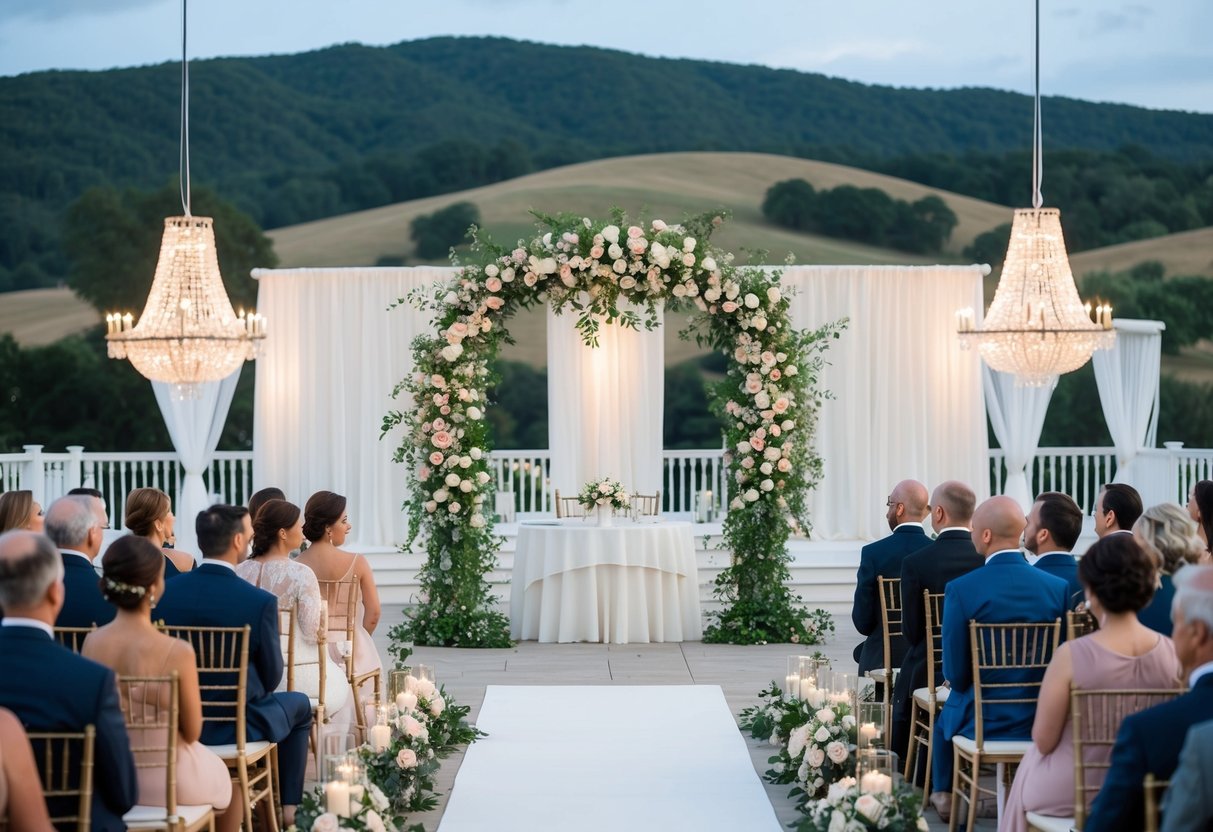
When planning your wedding, the ceremony and reception are two key parts that deserve careful thought. From choosing the ideal venue to deciding between a religious or civil ceremony, each detail contributes to your big day.
Choosing the Right Venue
Selecting the right venue is crucial for both your ceremony and reception. Consider factors like location, capacity, and style. Popular options include churches, gardens, and banquet halls.
Make a shortlist of venues that match your vision. Visit each one to get a feel for the space. Check for necessary amenities like parking, restrooms, and accessibility for guests.
Don’t forget to ask about available dates. Venues can book up quickly, especially during peak wedding seasons. Make sure to secure your spot as soon as you find “the one”!
Deciding on a Photographer
Capturing your wedding memories is important, so choosing a photographer who fits your style is essential. Look for someone with experience in weddings and a portfolio that resonates with you.
Schedule meetings to discuss your vision and expectations. Ask about their approach to capturing moments. This can range from posed shots to candid photography.
Also, talk about timelines and deliverables. Ensure you know when you will receive your photos and whether they offer albums or prints. Finding the right photographer will help you cherish your special day for years to come.
Religious Ceremonies vs Civil Ceremonies
Deciding between a religious or civil ceremony can shape much of your wedding planning. Religious ceremonies often include specific traditions and rituals tied to your faith. This can create a deep, meaningful experience for you and your families.
On the other hand, civil ceremonies often have more flexibility in location and format. They allow you to personalize vows and choose readings that reflect your relationship.
Consider how each type aligns with your values and preferences. Check legal requirements for both types in your area. This will ensure your ceremony meets all the necessary legalities.
Exploring Wedding Reception Options
Your reception is where the celebration truly begins. Start by creating your guest list to determine the size of your event. This will help in selecting a venue that can comfortably accommodate everyone.
Think about the type of reception you want. Options include formal dinners, buffet-style meals, or even casual cocktail hours. Each choice sets a different tone for the evening.
Don’t forget to consider entertainment. A DJ or live band can make a big difference in the atmosphere. Speak to your venue about any restrictions they may have regarding music and dancing.
Attire and Guest Experience
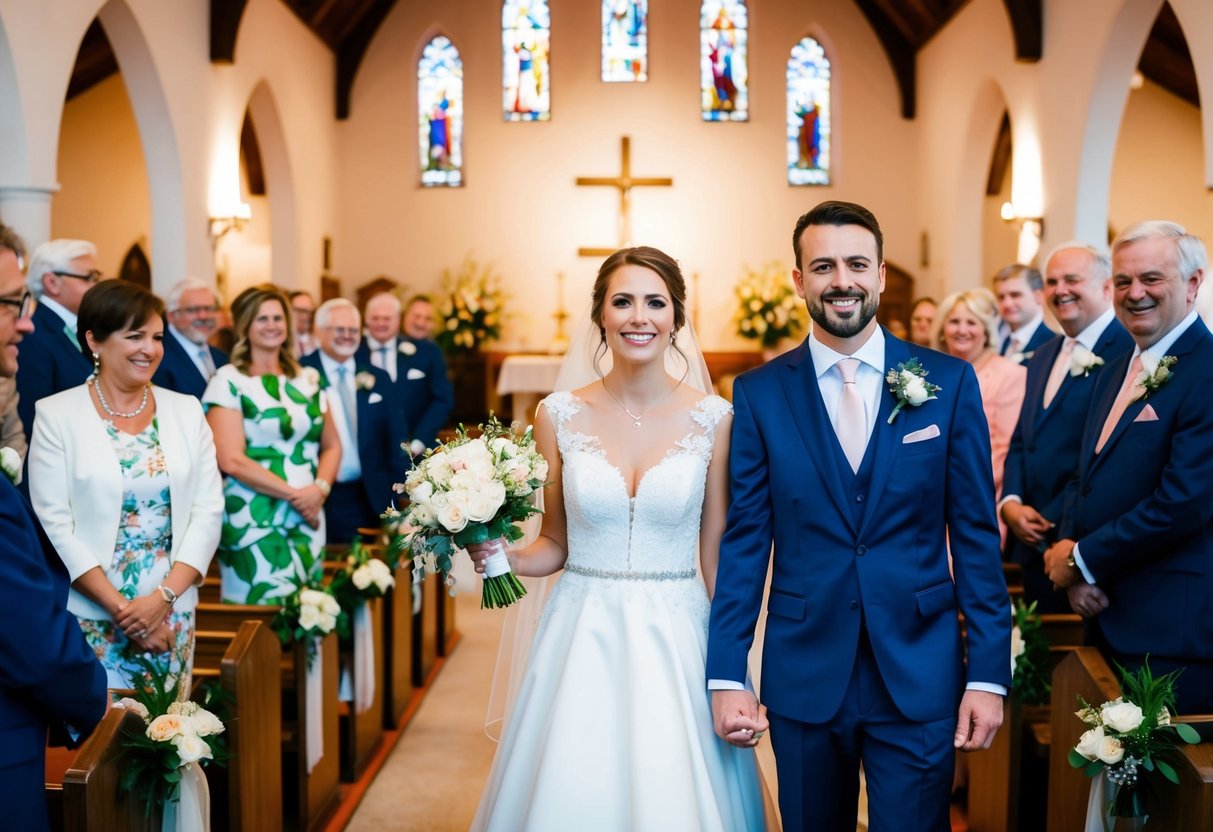
Your wedding attire and the comfort of your guests are key parts of creating a great day. By focusing on what you’ll wear and how guests feel, you’ll ensure a memorable event for everyone.
Selecting Your Wedding Dress
Choosing the right wedding dress is exciting but can be overwhelming. Start by considering your venue and theme. A formal setting may call for a traditional gown, while a beach wedding might suit a lighter, casual dress.
Think about the silhouette that flatters your body type. Options include A-line, mermaid, or ball gown styles. Don’t forget to factor in comfort! Make sure you can move easily and enjoy your special day.
Also, start shopping early. This gives you time for fittings and alterations, ensuring your dress fits perfectly. Remember to involve trusted friends or family when making your decision, as fresh eyes can help spot the best style for you.
Ensuring Guest Comfort Throughout the Day
Keeping your guests comfortable is just as important as your own attire. After all, happy guests make for a joyous celebration.
Begin by considering the venue’s seating. Ensure there are enough seats for everyone on your guest list. It’s also wise to provide shade or a covered area for outdoor weddings.
Think about the weather on your wedding day and prepare accordingly. If it’s going to be warm, provide fans or cold drinks. For cooler days, consider blankets or warm beverages.
Food also plays a part in guest comfort. Make sure your menu caters to different dietary needs. This can include vegetarian, vegan, or gluten-free options. This consideration ensures everyone feels included and enjoys their time.
Trends, Budgets, and Wedding Sizes
As you plan your wedding, understanding current trends, budget considerations, and the varying sizes of weddings is essential. Each element can influence how your special day unfolds, so here’s what you need to know.
Current UK Wedding Trends
In recent years, UK weddings have shifted towards more personalized and intimate celebrations. One popular trend is micro weddings, which typically involve fewer than 20 guests. These small gatherings allow for a more meaningful experience, focusing on close family and friends.
Elopements are also on the rise. Couples choose this route for simplicity and often tie the knot in picturesque locations. Personal touches, such as custom vows and unique themes, help make these ceremonies special.
Another trend is couples opting for outdoor venues and natural settings, creating a serene atmosphere. This shift towards simplicity and authenticity resonates with many modern couples.
Planning Weddings of Different Scales
When planning your wedding, consider what scale suits you best. Small weddings, with 20 to 50 guests, are becoming increasingly popular. They offer a nice balance between intimacy and celebration, allowing you to enjoy quality time with loved ones.
On the larger side, weddings with over 100 guests are still common. These events often feature elaborate catering, entertainment, and detailed décor. However, they require more organization and can add stress.
You might also think about a hybrid model, where you have a small ceremony followed by a larger reception. This approach lets you enjoy the intimacy of a small wedding while still celebrating with a wider circle later.
Managing Your Wedding Budget
Setting a budget is crucial for any wedding. Costs can add up quickly, so a clear plan will keep you on track. The average wedding cost in the UK is around £20,775, but many couples now budget between £30,000 and £50,000.
Start by listing your priorities. For example, you can allocate a larger portion for your photographer, as capturing memories is vital. Then, consider costs for the venue, catering, and décor, making adjustments as needed.
Don’t forget to account for unexpected expenses. Having a budget buffer can save you from last-minute stress. Being realistic about your finances will help you create a wedding that reflects your vision without overspending.