
What is the Best Flower for a Bride? A Guide to Choosing the Perfect Wedding Blooms
Choosing the perfect flower for your bridal bouquet can feel overwhelming with so many beautiful options out there. Many factors can affect your choice, such as your personal style, wedding theme, and seasonal availability. From classic roses to unique anemones, your choice can set the tone for your entire wedding day.
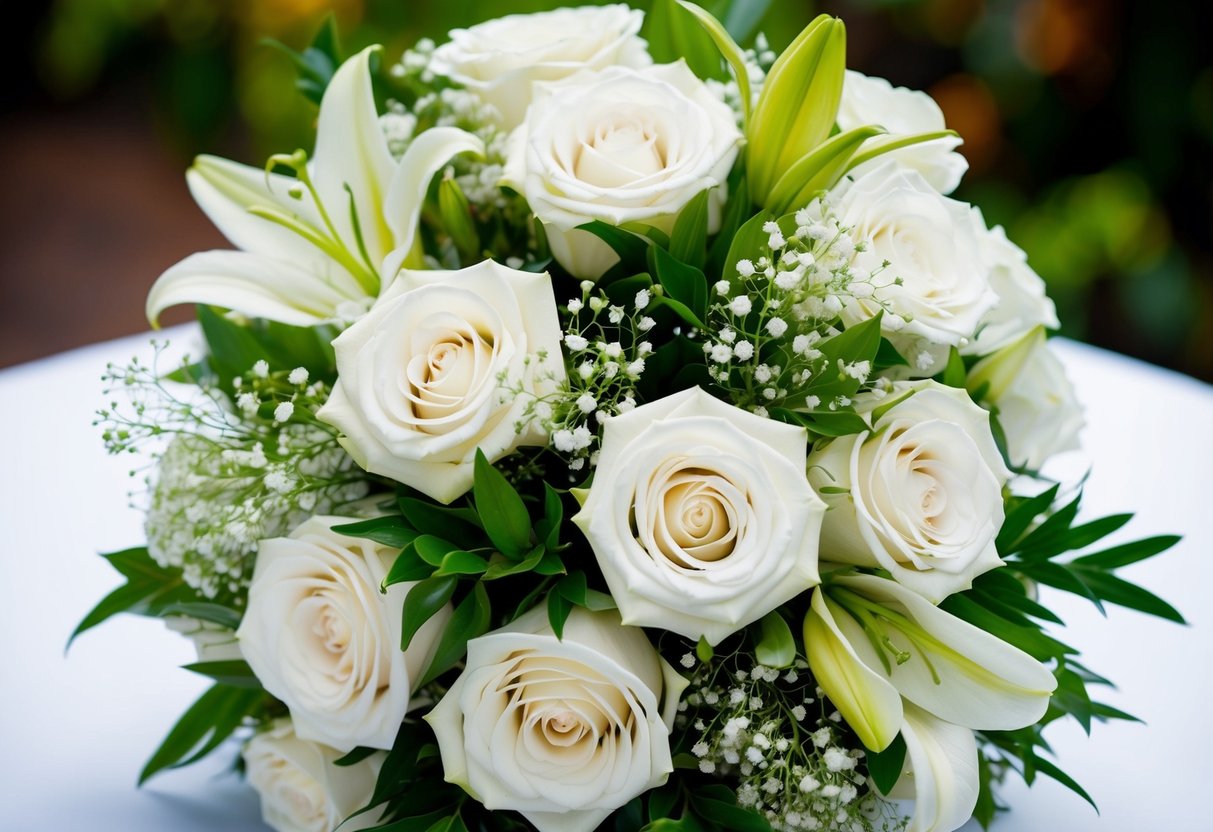
Consulting with a skilled florist can help you narrow down what works best for you. They can suggest flowers that complement your dress and other decor, making your bouquet a stunning focal point. Remember, the right blooms not only enhance your look but also reflect your personality and the love story you’re celebrating.
As you explore different floral arrangements, consider how your flower choices will fit into the bigger picture of your wedding. You want flowers that will bloom beautifully on your special day, capturing all those memories in full bloom.
Choosing the Perfect Flower for the Bride

Choosing the right flowers for your bridal bouquet is a significant decision. It’s essential to consider several factors, including popular flower choices, your personal style, and how these elements fit within your wedding theme.
Considerations for Selecting Bridal Flowers
When selecting flowers, start by thinking about the season of your wedding. Flowers like roses and hydrangeas may be more accessible in summer, while peonies shine in spring.
Next, consider the symbolism behind each flower. For instance, roses often represent love, while ranunculus conveys charm. Your flower choices should reflect your personality and the message you want to share on your special day.
Don’t forget about the size and shape of the bouquet. A cascading bouquet might suit a formal wedding, while a more compact arrangement can complement a casual theme beautifully.
Popular Wedding Flowers for Bridal Bouquets
Some flowers have become favorites for bridal bouquets. Roses are timeless and come in many colors to match your color palette. Peonies are lush and romantic, perfect for a dreamy look. Hydrangeas add volume and texture, making them great fillers.
Ranunculus are also popular due to their delicate appearance and vibrant colors. Garden roses can offer a vintage feel and are often fragrant, which adds an extra touch to your bouquet.
Combining various flowers can create a stunning arrangement that stands out. Mixing and matching popular flowers can help you achieve a unique bouquet tailored to your style.
Incorporating Personal Style and Wedding Theme
Your personal style should shine through in your flower choices. Think about the colors and aesthetics that resonate with you. If you envision a rustic wedding, consider wildflowers or country-style bouquets. For a modern celebration, graphic flowers in bold colors can make a statement.
Pay attention to your wedding theme as well. If you have a garden theme, incorporate soft pastel flowers like peonies or sweet peas. Vibrant blooms can add fun to an upbeat, colorful wedding.
Align your bouquet with your dress and venue for a cohesive look. By reflecting your style in your choice of flowers, you ensure that your bouquet feels like a true extension of you on your special day.
Seasonal and Color Considerations

Choosing flowers for your wedding involves considering the season and the colors that best reflect your style. Seasonal flowers not only look fresh but also often cost less. Understanding the blooms available during your wedding season can help you create a stunning bouquet.
Summer Wedding Flowers
In summer, you have a vibrant selection of flowers. Some popular choices are sunflowers, daisies, and roses. These blooms are available in bright colors, adding cheer to your wedding.
You might also consider lavender for a lovely scent, and peonies, which are lush and romantic.
Daisies and sunflowers can complement rustic themes, while brightly colored roses can add elegance. Always check what’s available locally. Choosing in-season flowers ensures you get the best quality and freshness.
Fall Wedding Flowers
Fall brings rich colors and unique blooms. Think of flowers like mums, dahlias, and chrysanthemums. These flowers showcase deep reds, oranges, and yellows, which perfectly capture the essence of the season.
Adding elements like berries or branches can enhance your bouquet’s texture.
Consider using seasonal foliage such as eucalyptus or maple leaves for a natural look. These details create a warm atmosphere that matches the cozy vibe of fall weddings.
Winter Wedding Flowers
Winter weddings often call for elegant and classic flowers. Amaryllis, roses, and carnations are excellent choices. They can provide beautiful options even when outdoor flowers are scarce.
Don’t forget about greenery like pine, which can add a festive touch. Anemones are also stunning with their dark centers.
Using icy colors like white, silver, and deep greens can give your bouquet a winter wonderland feel. Remember to balance texture and color to create a nice visual impact.
Selecting a Color Palette for Flowers
Choosing a color palette can be one of the most exciting parts of planning your wedding. Start by considering your venue and overall wedding theme.
You might want soft pastels for a romantic feel or bright hues for a lively atmosphere. Mixing bold colors with softer tones can create depth in your arrangements.
Another idea is to match your flowers to the bridesmaids’ dresses or the groomsmen’s ties. This coordination unifies your wedding look and makes everything feel well-thought-out.
Using in-season flowers in your palette can also help, ensuring that you have the freshest options available. When you think about your color scheme, you set the tone for your special day.
Floral Arrangements Beyond the Bouquet
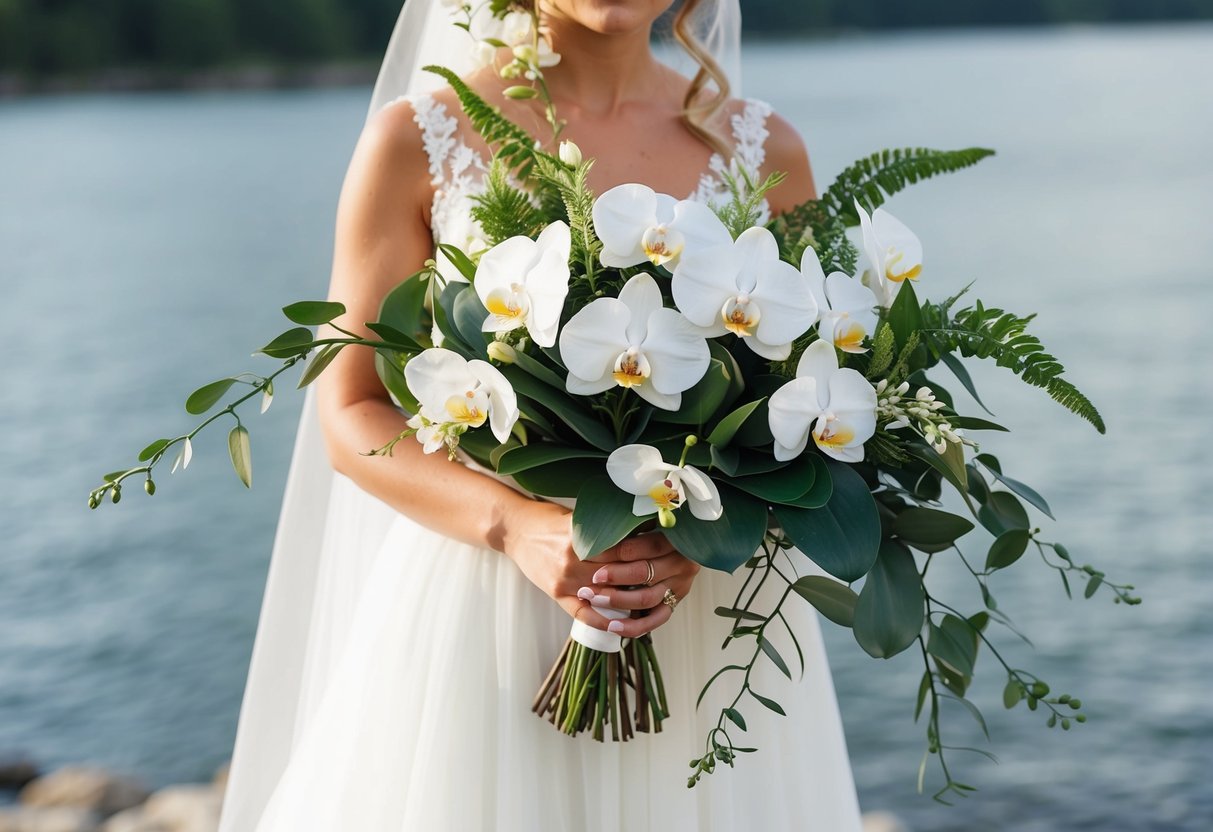
When it comes to wedding flowers, the bouquet is just the beginning. Floral arrangements play a huge role in creating the atmosphere of your big day. Let’s explore some key areas where fresh flowers can elevate your wedding decor.
Centerpieces and Table Decor
Centerpieces are the focal point of each table at your reception. Fresh flowers in different shapes and sizes can set a beautiful tone.
Consider using tall arrangements for a dramatic effect or low arrangements for a more intimate feel. Mix various blooms to create texture and visual interest. For example, roses, peonies, and hydrangeas make a lovely combination.
Adding greenery like eucalyptus or ferns can enhance the design and bring a natural touch to your table decor.
Don’t forget about the vases! Whether you choose glass, ceramic, or metallic, the right vase can complement your floral arrangement and overall theme.
Additional Bridal Party Flowers
While the bride’s bouquet is essential, your bridal party will also need beautiful flowers. Consider matching their bouquets to your own, but with a twist. You can use different flowers or colors for a unique touch.
Bouquets for bridesmaids can be smaller and still stunning, featuring blooms that coordinate with the wedding colors. Groomsmen can wear boutonnieres that reflect the bride’s flowers. A simple bloom, like a single rose or a sprig of lavender, can add elegance without overwhelming their attire.
These additional floral touches help to unify your wedding’s look and feel.
Decorative Elements for the Ceremony and Reception
Flowers can transform your ceremony and reception spaces. Think about floral arches, pew decorations, and backdrops. These elements can frame the ceremony beautifully.
For reception spaces, consider using floral garlands along tables or as draping on ceilings. Incorporating flowers into your decor helps create a cohesive and inviting atmosphere.
You can also use seasonal blooms to incorporate local character into your decor. This can make your wedding feel even more special, as each flower tells a story about your day.
By planning these arrangements, you tie together various elements of your wedding for a stunning, floral-infused celebration.
Flower Care and Coordination with Florists
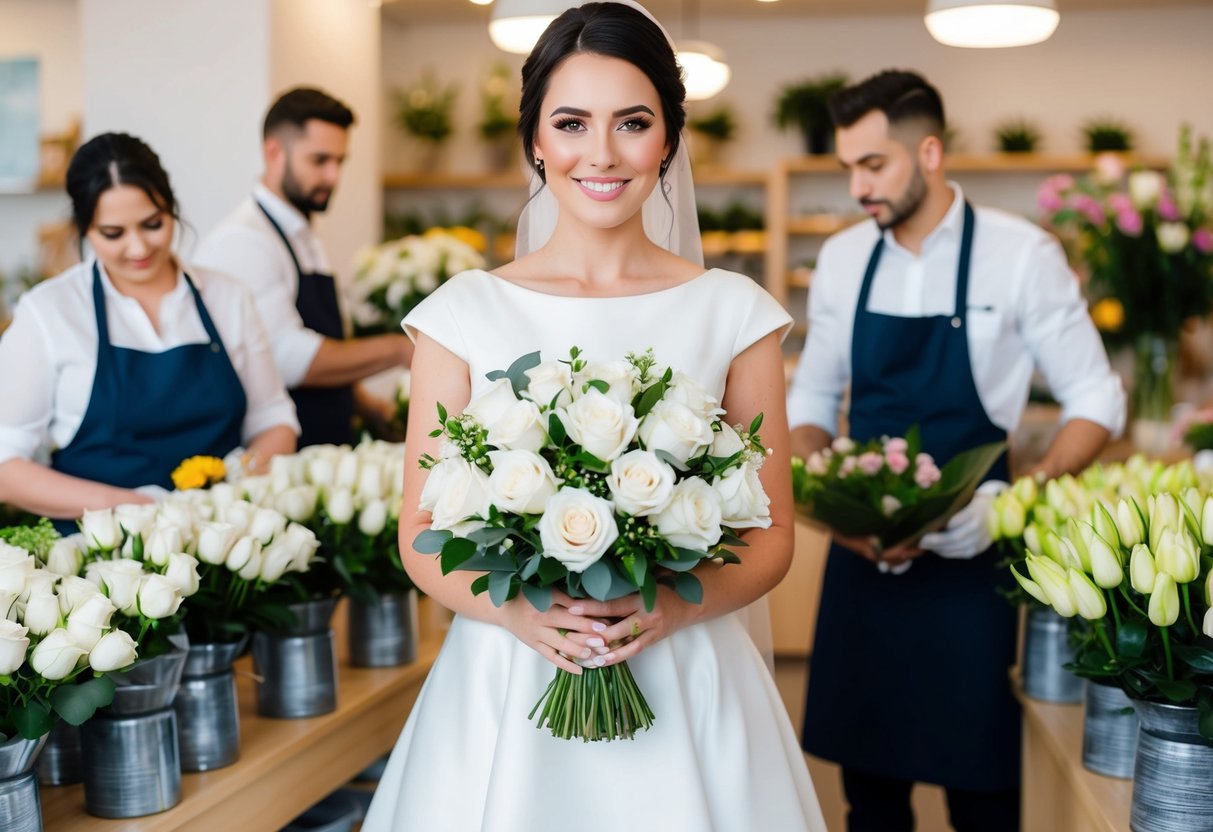
Proper care of your flowers and effective communication with your florist are essential. This ensures that your arrangements look stunning on your big day. Knowing how to preserve your flowers before and after the wedding also helps maintain their beauty.
Communicating with Your Florist
When planning your wedding flowers, clear communication with your florist is key.
Start by sharing your vision, including colors and types of flowers you love. Don’t hesitate to ask for suggestions, as florists have a wealth of experience.
Provide inspiration images, which can help the florist understand your style. Discuss your budget and any special requests. Make a note of any flowers with sentimental value. Remember, it’s a partnership, so being open and honest is vital.
Preserving Flowers Before and After the Wedding
To keep your fresh flowers looking their best, you need to take care of them. Before your wedding, store them in a cool area and keep them well-watered. If possible, have your florist prepare the bouquets shortly before the ceremony.
After the wedding, consider preserving some flowers. You can dry them or put them in water to keep them fresh longer. Another option is to have a bouquet preserved by professionals. This way, you can enjoy the beauty of your wedding flowers for years to come.