
What is the Best Time of Day to Get Married? Tips for Your Perfect Ceremony
Finding the right time of day for your wedding is an important part of your wedding planning. The best time to get married is typically between 2 p.m. and 5 p.m. for afternoon ceremonies, or from 5 p.m. to 7 p.m. for evening weddings. These times balance activities well and create a lively atmosphere for you and your guests.
Choosing the right schedule affects everything from the lighting for photographs to how your guests feel throughout the day. You want them to enjoy your celebration without too much downtime. By picking a popular time, you can help ensure everyone’s in high spirits and ready to celebrate your love.
Consider your venue and the season when deciding on the best day to get married. A beautiful afternoon wedding in a garden can provide the perfect backdrop, while an evening event can give a romantic ambiance. Make sure to think about what feels right for you and your partner as you create your perfect day.
Choosing Your Wedding Date
Selecting your wedding date is a big decision. It involves thinking about the season, important holidays, and the day of the week. Each of these factors can greatly impact your wedding, so consider them carefully as you plan.
Seasonal Considerations
The season you choose can affect everything from the weather to flower availability. Spring is known for beautiful blooms, especially in May. Summertime, particularly June and July, often features warm weather, making it popular for outdoor ceremonies.
Fall is another lovely choice, with October providing stunning foliage and comfortable temperatures. Winter can be cold, but it also brings a magical feeling, especially around holidays like Christmas and New Year’s.
Keep in mind that peak wedding seasons can also lead to higher costs and less availability for your preferred venues and vendors. If you’re looking to save money, consider planning in the off-season, like January or February, when venues may offer discounts.
Significant Dates and Holidays
Be mindful of significant dates or holidays when choosing your wedding date. Major holidays like Thanksgiving and Valentine’s Day can complicate planning. Travel and accommodation can become tricky as guests may have other commitments.
Well-known holidays, such as Easter or Halloween, can attract guests but also create scheduling conflicts. Additionally, if your wedding falls near a holiday, it might overshadow your special day.
You might think about selecting a date that holds personal significance, like your anniversary or a family member’s birthday. However, some dates are believed to be lucky, like certain dates in the spring and summer months. Research these options to see what resonates with you.
Day of the Week
The day you choose for your wedding can influence costs and attendance. Weekend dates tend to be more popular, especially Saturday, which is considered the prime day for weddings.
However, weekday weddings can offer financial benefits. Venues and vendors often have lower rates on Monday through Thursday. Plus, a unique wedding day might make your event memorable for guests.
Consider your wedding timeline when setting the date. If you are planning an evening ceremony, it may impact your guests’ travel arrangements. Make sure your chosen day aligns with your vision for your celebration!
Planning and Budget Considerations

When choosing the best time of day for your wedding, you need to think about vendor availability and your budget. The timing can affect not just the event’s atmosphere but also its costs.
Vendor and Venue Availability
Selecting a popular time can limit your options. Weekends, especially Saturday afternoons, are in high demand. This means venues and vendors may be fully booked.
Consider Fridays or Sundays for better choices. You can find great venues and vendors with more flexible schedules.
Be sure to check with your wedding planner about availability. This can help you avoid any last-minute surprises. Popular vendors, like caterers or photographers, may fill up quickly during peak seasons, leading to competition for their services.
Creating a list of preferred vendors can help ease your planning process. Balance your schedule between availability and your ideal date to make the process smoother.
Financial Aspects
Timing affects your budget significantly. Weekend weddings are often more expensive due to high demand. Consider having your celebration on a weekday to save money.
Off-peak seasons can also lead to lower costs. Many venues and vendors offer discounts during these times. This can be a great way to stretch your budget further while still enjoying quality services.
Additionally, think about what you want for your day. Higher demand means you may need to compromise on your choices if the budget is tight.
Prepare a wedding planning checklist to track expenses effectively. This can help you stay organized and ensure you don’t overspend on certain aspects, like the band or catering.
Day-of-Wedding Logistics
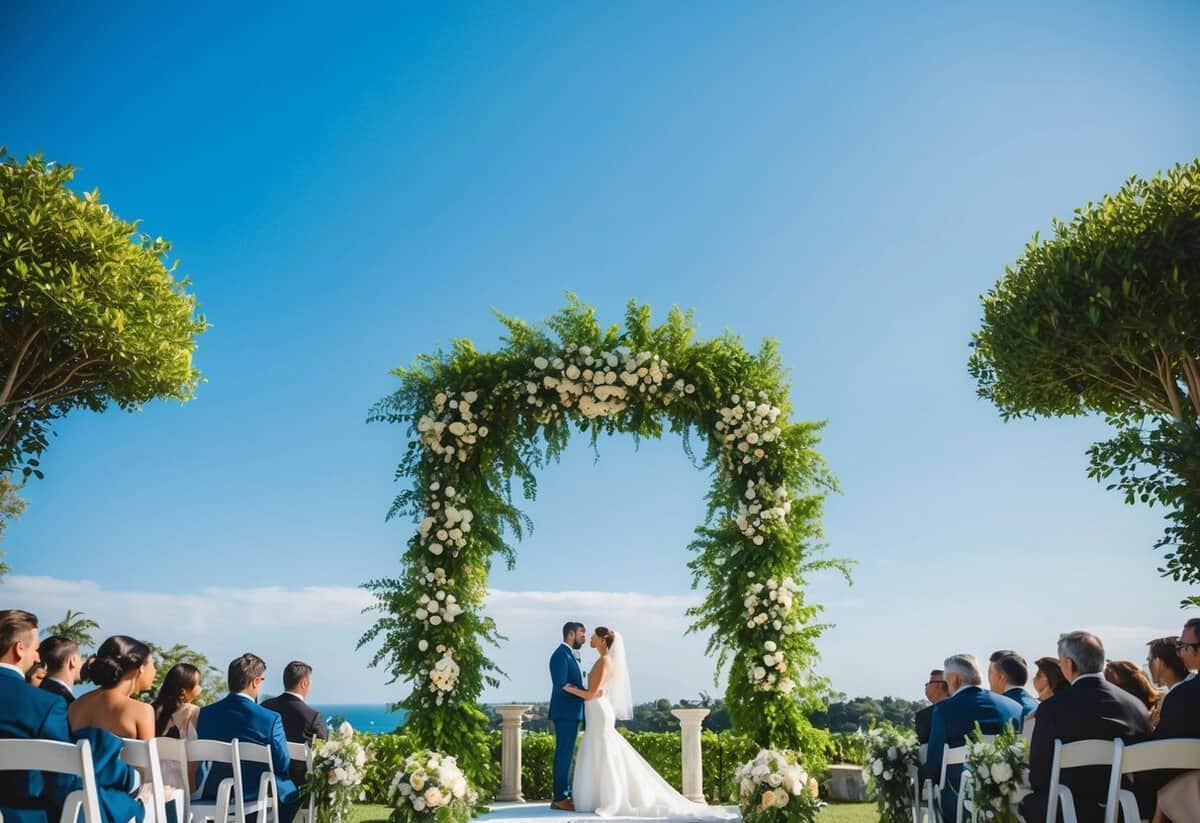
Planning your wedding day logistics is essential for making sure everything goes smoothly. A clear timeline will help you stay organized and keep your guests happy. Focus on key events like getting ready, family photos, and the reception to create an enjoyable experience for everyone.
Timeline of Events
Start your day early, as the timeline can easily get packed. If you’re aiming for an afternoon ceremony, consider beginning hair and makeup around 8 a.m. This gives your bridesmaids enough time to get ready without feeling rushed.
For events like the first look, schedule it at least 1-2 hours before the ceremony. This way, you have enough time for family photos right after.
Example Timeline:
- 8:00 a.m. – Hair and makeup for the bridal party
- 12:00 p.m. – Lunch for everyone involved
- 1:00 p.m. – First look photos
- 1:30 p.m. – Family photos
- 2:30 p.m. – Guests start arriving
- 3:00 p.m. – Ceremony begins
Guest Experience
Creating a smooth experience for your guests will help set the right mood. When planning, think about the flow of events.
Ensure there’s a mix of activities that reflect your wedding theme. For example, if you have a holiday wedding with pumpkins, consider decorations that incorporate that theme.
During the cocktail hour, provide snacks and refreshments while guests mingle. It’s a great time to let them connect before the reception starts.
Once the reception begins, plan for key moments like your first dance and speeches. Make sure guests are aware of when these will happen, so they don’t miss out.
Tips for Guest Comfort:
- Arrange seating for easy attendance.
- Consider transportation options for evening guests.
- Keep your wedding program handy for guests to reference.
This will make their experience enjoyable as they celebrate your special day!