
What is the Best Way to Seat People at a Wedding? Tips for a Smooth Celebration
Seating guests at your wedding reception can feel like a puzzle, but it doesn’t have to be stressful. The best way to seat people is to consider comfort and compatibility. Plan around your guest list and RSVPs to ensure that everyone enjoys their time and feels included in the celebration.
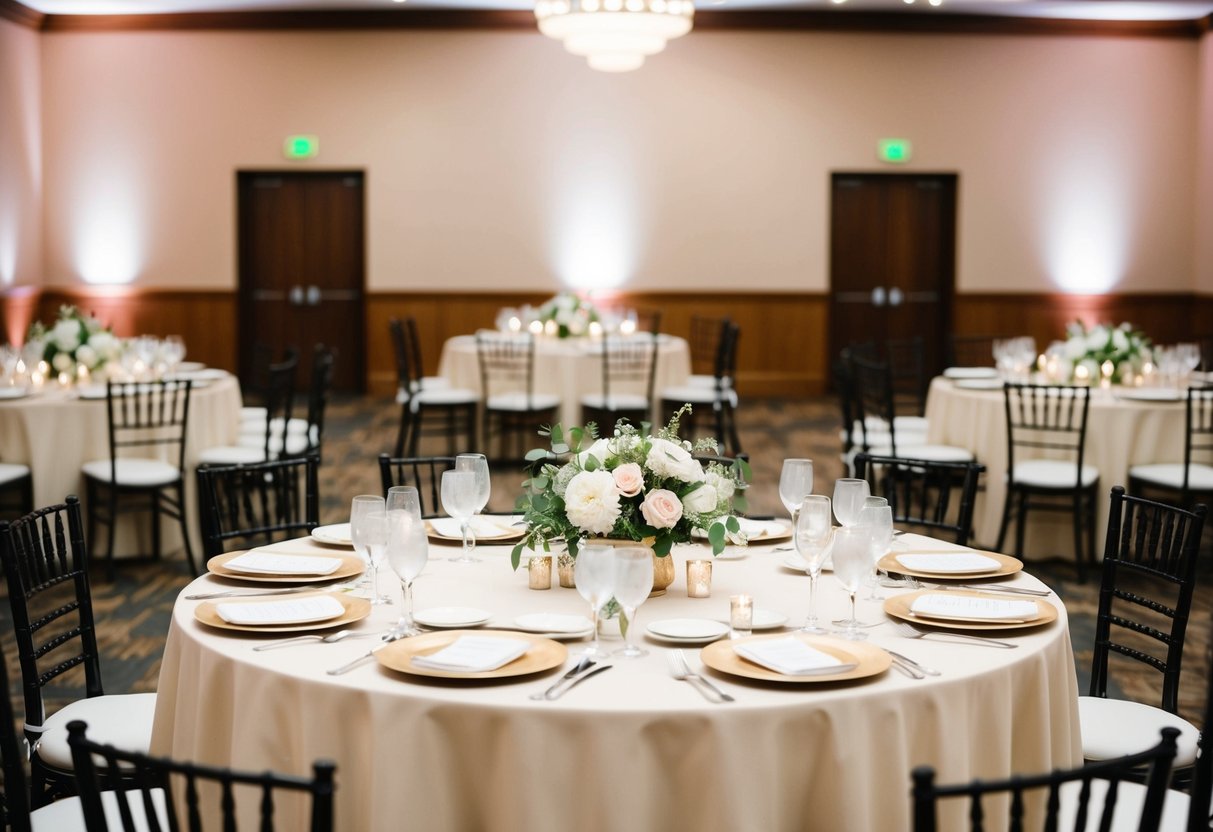
Start by reviewing your guest list and identifying who might get along well together. Think about family dynamics and friendships to create a warm atmosphere. Placing familiar faces together can spark great conversations and enhance the festive mood of your wedding.
As you begin arranging the seating, make sure to consult with your venue for layout options. This can help you visualize the space and make adjustments as needed. By prioritizing the comfort of your guests, you’ll create a memorable and enjoyable experience for everyone involved.
Designing Your Seating Chart
Creating a seating chart is a key part of wedding planning. You need to consider table shapes, the overall flow of your guests, and how to display the seating information clearly. Here are some important points to think about for each part.
Choosing the Right Table Shapes
Selecting the right table shapes can impact your guests’ experience. Round tables offer a more intimate setting, encouraging conversation. They also fit well in smaller spaces, making them a popular choice.
Rectangular tables, on the other hand, work better for larger venues and can be arranged in various layouts. They allow for more guests at each table, but can create a less cozy atmosphere.
Think about your venue’s size. If it’s limited, round tables might be best. If you have more space, mixing both shapes can create visual interest while accommodating all your guests comfortably.
Arranging Tables for Optimal Flow
Arranging your tables properly is essential for smooth traffic flow. You want guests to move easily between their seats and other areas, like the dance floor or buffet.
Start by placing tables near food and drink stations. This setup keeps guests comfortable and reduces crowding.
Consider leaving enough space between tables for easy movement. A good rule of thumb is to maintain at least 2-3 feet of space.
Group guests by connection, such as family and friends, to enhance social interactions. Keeping your wedding party close to you can also make it easier for you to celebrate together.
Seating Chart Display
Your seating chart display should be clear and easy to read. A well-organized chart will help guests find their seats without fuss.
Consider using a large poster placed at the entrance or a digital display. Ensure the names are legible and organized by table.
Using a color code or symbols can help guests quickly identify their table. You can also provide escort cards for each guest with their name and table number. This personal touch adds a nice detail to your wedding decor while guiding everyone to their seats.
Assigning Guests to Seats
Assigning guests to seats is a crucial part of your wedding planning. Thoughtful seating can enhance guest experience and encourage enjoyable interactions. Consider these important aspects to ensure a smooth and pleasant seating arrangement.
Understanding Wedding Seating Etiquette
Seating etiquette helps maintain a comfortable atmosphere. Begin by deciding between assigned seating and open seating. Assigned seating means each guest has a designated seat, which you can communicate through place cards or escort cards. These cards guide guests to their respective tables.
Pay attention to how you group your guests. It’s best to seat families and close friends together to foster connections. Also, keep in mind that some guests may appreciate being seated near people they already know. Assigning seating shows care and consideration for your guests’ comfort.
Grouping Guests by Common Interests
Consider grouping guests by common interests to spark engaging conversations. For instance, place colleagues at the same table to encourage networking, or seat friends from different life stages together to make new connections.
You may also want to consider hobbies or activities your guests enjoy. A table of guests who love hiking could lead to lively discussions. The goal is to help everyone feel included and comfortable while socializing.
Handling Singles and Couples
When assigning seating for singles and couples, strive for balance. For singles, consider creating a singles table where they can connect with others in the same situation. This promotes a sense of community and can result in new friendships.
For couples, seat them together but think about the dynamics of their relationship. Avoid placing couples next to people they might not get along with. Make sure to discuss seating arrangements with your partner to ensure both sets of friends feel included.
Special Considerations for Family Tables
Family tables often require special attention. Seat immediate family members near the head table to show their importance. Parents’ friends can be seated a bit farther away, but make sure they are comfortable and feel included.
If there are any family dynamics to consider, try to keep those in mind while planning your seating arrangement. This may involve separating certain relatives to avoid conflict. Balancing the seating helps create a harmonious atmosphere for everyone to enjoy.
Special Seating Areas
Creating special seating areas at your wedding can enhance the experience for you and your guests. These arrangements allow for personal touches that make memorable moments. Key areas to consider include a sweetheart table, a kid-friendly zone, and a head table.
Setting Up a Sweetheart Table
A sweetheart table is an intimate spot just for you and your partner. It should be placed where you can easily see your guests, creating a connection. Choose a small, beautifully decorated table, perhaps with a lovely backdrop.
Make it special by using unique tableware, such as personalized plates or flowers that match your theme. Consider whether you want assigned seats around you or a more casual setting. This table can reflect your personality and ensure you enjoy your meal together.
Creating a Kid-Friendly Zone
A kid-friendly zone will keep the little ones entertained during the event. Set up a separate kids’ table with fun activities like coloring books, games, or small toys. This not only keeps them engaged but also allows their parents to relax.
Consider including child-friendly food options like mini sandwiches, fruit, and juice. Make sure to assign specific table numbers for kids’ seating to help parents easily find their children. Keeping children happy will make the day enjoyable for everyone!
Organizing a Head Table
The head table is often where you and your closest family or wedding party members sit. Position it so that you all have a great view of the reception area. This table can be larger and decorated more elaborately, linking it to the wedding theme.
Assign seats based on relationships to ensure everyone feels comfortable. Consider how to mix personalities—this can spark fun discussions. Additionally, you could place a sign or decorative element to highlight the head table, making it a focal point of the reception.
Coordination and Communication
Effective coordination and communication are key for a well-organized wedding seating plan. These aspects help ensure that your guests feel comfortable and enjoy the event. Here are some important points to focus on.
Working with a Wedding Planner
If you’re hiring a wedding planner, communication is essential. Make sure you share your vision for the seating arrangements. Discuss any specific needs or preferences you have for guests.
Your planner can help create a seating chart that reflects your wishes while keeping flow and etiquette in mind.
Regular check-ins with your planner can keep everyone on the same page. This way, small adjustments can be made quickly as plans develop.
Sending Out RSVPs and Finalizing the Guest Count
Sending out RSVPs is critical for finalizing the guest count. Make sure to include a clear deadline for responses to manage your seating chart effectively.
Once you have the RSVPs, you can begin to organize table assignments. It’s important to know how many guests will attend so you can arrange seating comfortably.
Be sure to follow up with anyone who hasn’t responded. This helps you avoid last-minute surprises.
Preparing for Last-Minute Changes
Weddings can be unpredictable, so you need to be ready for last-minute changes. Make sure to keep a flexible approach to your seating plan.
Have alternative arrangements for unexpected guests or changes in attendance. Your planner can assist with strategies for adjusting the seating chart quickly.
Also, consider printing extra seating charts for the wedding day. This way, your guests can see where they belong, making everything run smoothly.
Being prepared helps keep the mood light and enjoyable for everyone.