
What Is the Correct Order for a Wedding? A Simple Guide to Your Perfect Day
Planning a wedding can be exciting but also a bit overwhelming, especially when it comes to figuring out the correct order for your big day. The typical order of a wedding ceremony includes the processional, readings, vows, and the ring exchange, followed by the pronouncement of marriage. Knowing this structure can help you organize the ceremony smoothly and keep your guests engaged.
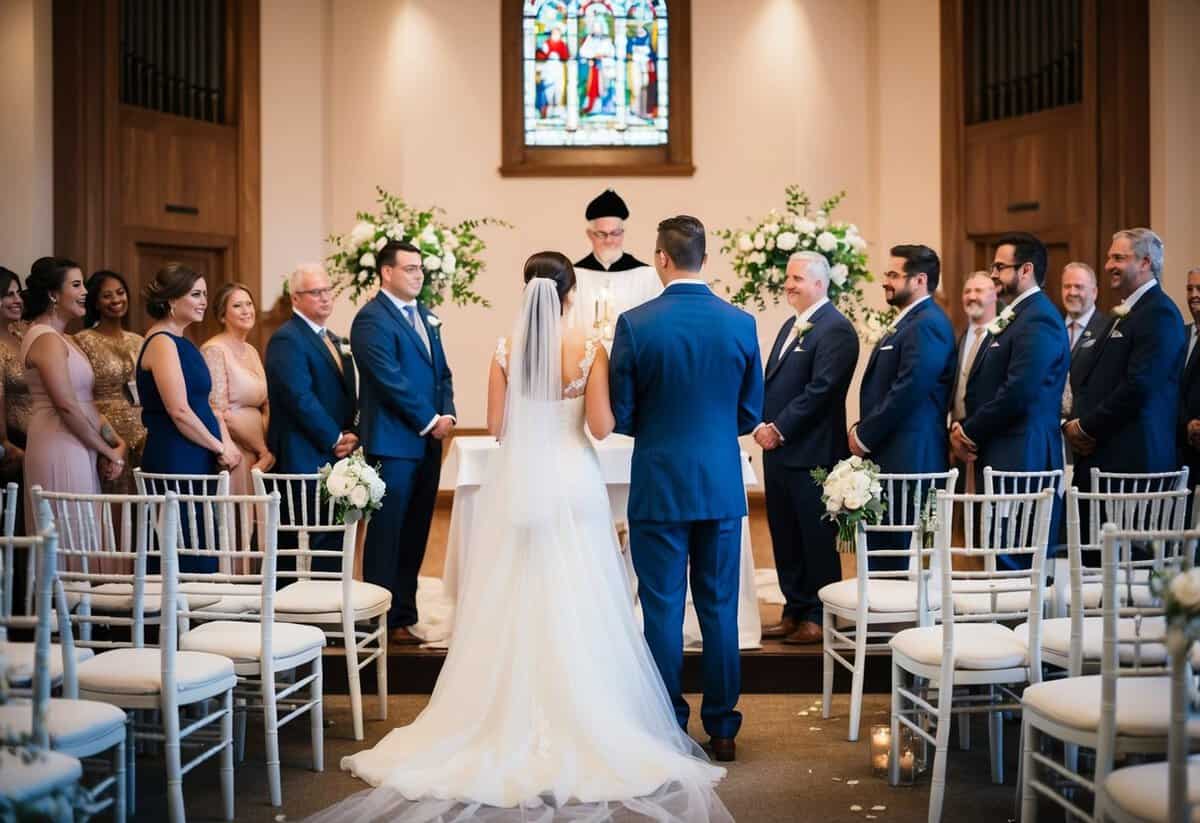
As you prepare your wedding ceremony outline, remember that this order can vary based on your personal preferences or cultural traditions. You might even wish to add special elements like musical performances or personal vows to make it uniquely yours.
Understanding the correct order of events is crucial for successful wedding planning. With the right outline in hand, you can ensure that everything flows seamlessly, allowing you to enjoy each moment as you celebrate your love.
The Fundamentals of a Wedding Ceremony
A wedding ceremony is filled with important moments and roles. Knowing the structure will help you plan a smooth and meaningful occasion. Here’s what you need to understand about the ceremony order, the people involved, and the key parts of the processional and recessional.
Understanding the Ceremony Structure
The typical wedding ceremony follows a clear structure. It usually starts with the welcoming remarks. This might come from an officiant or a family member.
Following this, vows are exchanged. These promises represent your commitment to one another.
In a traditional wedding ceremony, the order often includes readings or songs that are meaningful to you both. After the vows, the officiant pronounces you married. This is followed by the kiss, which is a joyful moment that guests often love to capture.
At the end, a unity ceremony may take place. This can include lighting a candle or a sand ceremony, which symbolizes your union.
Roles Within the Wedding Party
Each member of the wedding party has an important role. The officiant leads the ceremony and ensures everything runs smoothly. You can choose someone religious for a religious wedding or a friend for a nondenominational wedding.
The bridesmaids and groomsmen support you. They walk down the aisle before you and stand beside you during the vows. The maid of honor and best man typically have special responsibilities, like holding rings and giving speeches.
In some traditions, you may include parents in specific roles. They might escort you down the aisle or participate in special rituals, like in a Catholic ceremony or a Jewish wedding ceremony.
Significance of the Processional and Recessional
The processional sets the tone for your wedding. It’s the moment when everyone walks down the aisle. The order usually starts with grandparents, followed by parents, then the bridal party, and finally you and your partner.
Choosing the right music can enhance this moment, making it unforgettable.
The recessional happens after the vows. This is when you both walk back up the aisle, officially married. This moment is filled with joy and celebration. Guests often throw petals or share cheers. It marks the transition from the ceremony to the reception, making it an important part of your wedding day.
Detailing The Ceremony Proceedings
Your wedding ceremony is a blend of important moments that reflect your commitment to each other. Each part of the ceremony has its own significance, from the opening words to the final kiss. Here’s a look at the key elements of the ceremony proceedings.
Opening Remarks and Readings
The ceremony usually begins with opening remarks from the officiant. This is where the officiant welcomes your guests and sets the tone for the occasion. It’s a great time to share a personal story or a meaningful quote to connect with everyone present.
After the welcome, readings often follow. These can be poems, excerpts from literature, or religious texts that hold special meaning for you as a couple.
Consider choosing readings that reflect your values or the love you share. Having friends or family read these passages can add a personal touch.
The Vow Exchange and Ring Ceremony
Next comes one of the most important parts: the vow exchange. You will declare your commitment to each other through personal vows or traditional promises. This is where you express your love and intentions for your marriage.
Following the vows, the ring exchange takes place. Each of you will place a ring on the other’s finger, symbolizing your unending love.
Rings often hold significant meaning, so having a few meaningful words about them can enhance this moment. After you exchange rings, the officiant may say a few words about the symbolism behind them.
Special Rituals and Unity Ceremonies
Many couples include special rituals or unity ceremonies to reflect their unique backgrounds or beliefs. This could be lighting a unity candle, performing a handfasting ceremony, or incorporating elements from different cultures.
For example, Jewish couples often sign the ketubah, a marriage contract, before the wedding begins.
These rituals create a deeper connection between you and your partner. They also involve your guests, making them feel included in your special moment. If you choose to incorporate something like the Sheva Brachot, the seven blessings recited during Jewish weddings, it adds richness to your ceremony.
Official Pronouncement and Conclusion
As the ceremony progresses, your officiant will guide you to the official pronouncement. This moment is often accompanied by excitement, as it marks the moment you are declared married.
You will then share your first kiss as a married couple, signifying your love and commitment.
Finally, you’ll move into the recessional. This is when you and your partner walk down the aisle together as a married couple. Guests often cheer and celebrate, making this a joyful conclusion to the ceremony. It’s a great way for everyone to witness your new status as a couple.
Personalizing Your Wedding
Your wedding should reflect your unique love story and values. Personalizing the ceremony can make it more meaningful for you and your guests. Consider cultural and religious traditions while also thinking about how to customize the processional order to suit your style.
Cultural and Religious Considerations
Different cultures and religions have specific traditions that can add depth to your ceremony.
For instance, in a Jewish wedding, the chuppah symbolizes the home the couple will create together. Alternatively, the baraat marks a vibrant celebration in Hindu weddings, with the groom’s procession to the bride’s location.
In Christian and Catholic weddings, the wedding processional order varies. This often starts with the officiant, followed by bridesmaids and groomsmen, and finally the bride.
For nondenominational ceremonies, feel free to mix and match these traditions to reflect your beliefs. For LGBTQ+ couples, blend elements from different backgrounds to create a ceremony that feels authentic to you.
Customizing Your Processional Orders
Your processional order sets the tone for the entire ceremony. You can personalize it by selecting specific family or friends to walk down the aisle in your preferred sequence.
In a Hindu wedding, the procession may begin with the groom’s family. Meanwhile, Christian couples often follow a traditional route with bridesmaids preceding the bride.
Feel free to make changes as needed. You can include loved ones in unique ways, like having siblings walk together or friends participating in special roles.
For example, you might want to involve parents or grandparents in the processional as an honor.
Ensuring that your processional order reflects your shared journey and values makes the moment even more special.