
What is the Difference Between a Celebrant and a Humanist Celebrant? Exploring Their Unique Roles in Ceremonies
When planning an important life event, understanding the roles of different officiants can make a big difference. Many people wonder about the distinction between a celebrant and a humanist celebrant. The main difference lies in their belief systems and the types of ceremonies they conduct.
Celebrants can officiate a variety of ceremonies, while humanist celebrants focus on secular events grounded in humanist values.
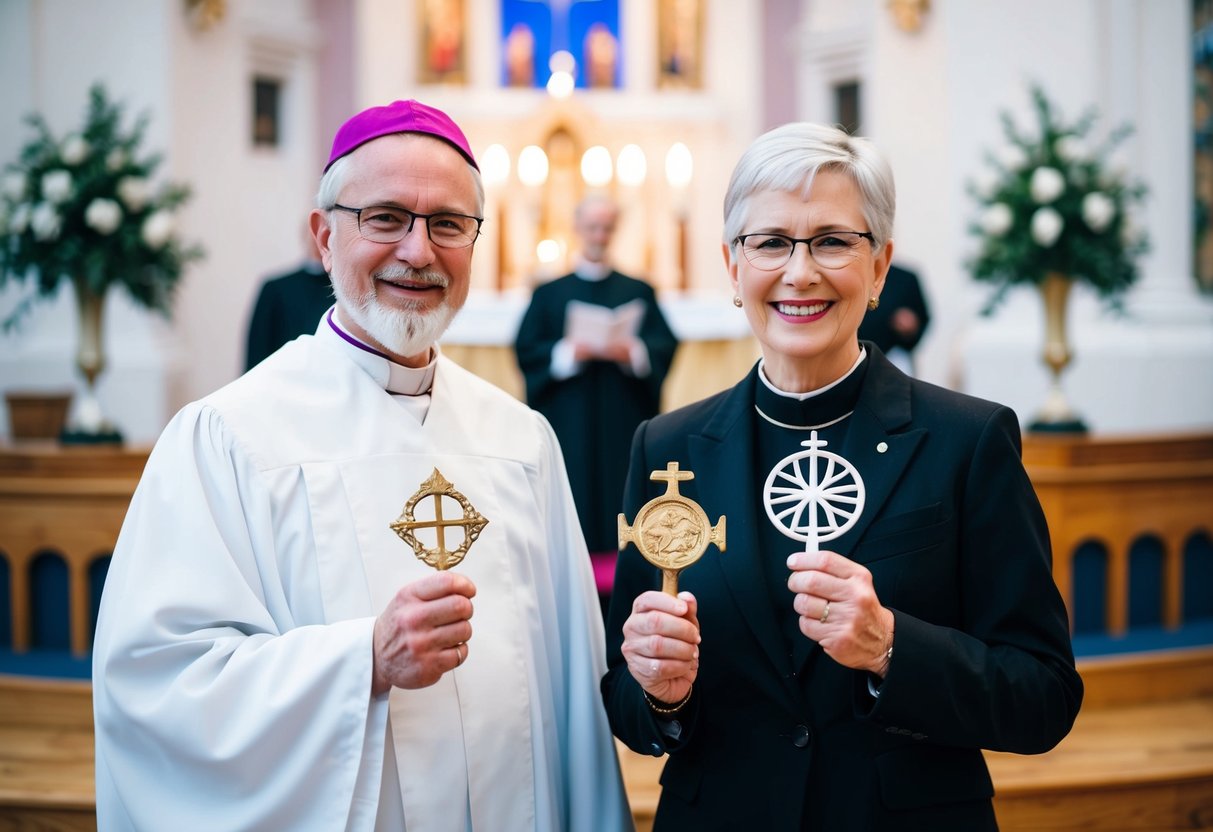
If you’re looking for a personalized touch to your ceremony, knowing how these roles differ will help you choose the right fit. A celebrant may incorporate religious elements or different traditions, while a humanist celebrant emphasizes love and commitment without religious content.
By understanding these differences, you can make an informed decision that suits your needs and beliefs.
As you explore your options, consider what feels most meaningful to you. Whether you lean toward a celebrant or a humanist celebrant, the right choice can create a memorable experience that celebrates your unique journey.
Defining Celebrants and Humanist Celebrants
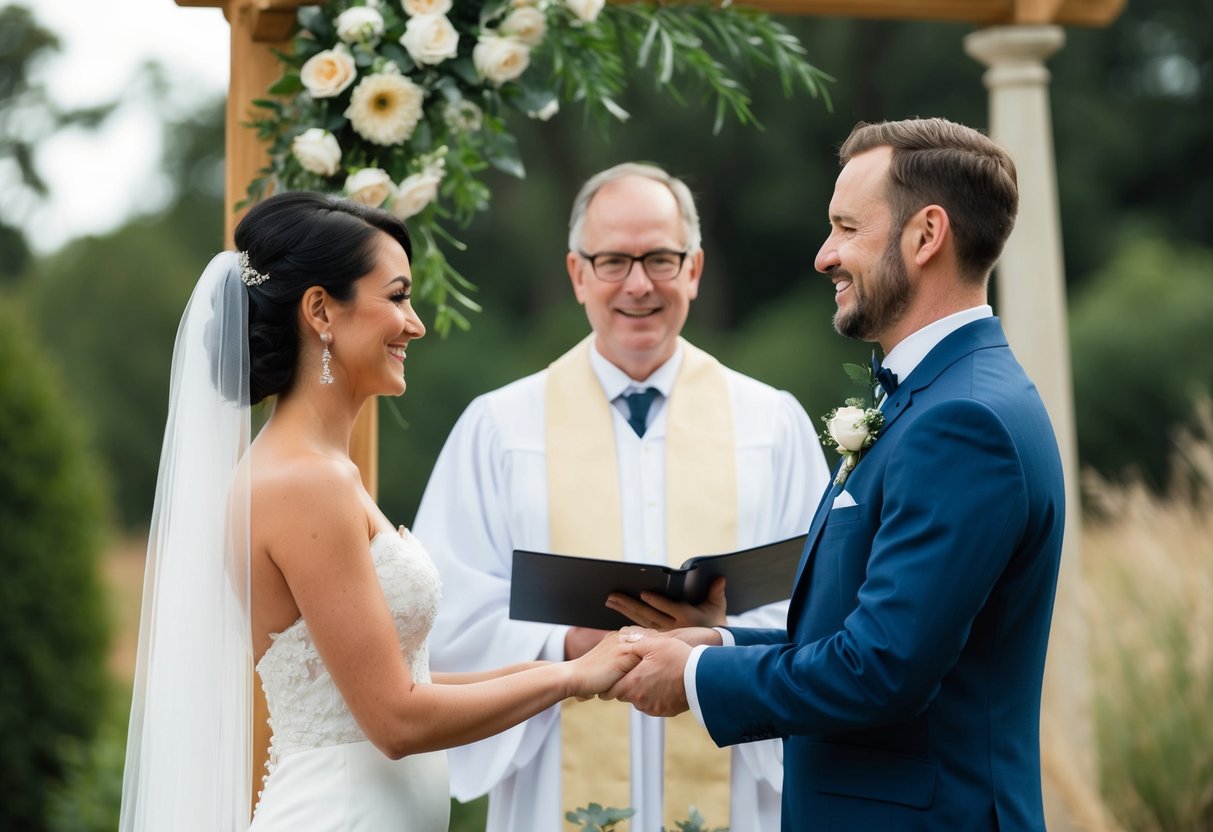
In this section, you will learn what defines a celebrant and a humanist celebrant. Understanding these roles can help you choose the right person for your special ceremony.
What Is a Celebrant?
A celebrant is a professional who conducts ceremonies, like weddings, naming ceremonies, and funerals. Celebrants can be religious or non-religious. They work closely with you to create a ceremony that reflects your beliefs and values.
Celebrants often focus on personalizing each event. This means they will listen to your ideas and include special elements.
For example, you might have specific readings, music, or rituals that are meaningful to you. Their goal is to create a unique experience tailored just for you.
What Is a Humanist Celebrant?
A humanist celebrant is a type of celebrant who specifically follows humanist principles. This means they focus on secular ceremonies without religious content. Humanist celebrants celebrate love and commitment grounded in human values and beliefs, rather than any spiritual or religious framework.
When you work with a humanist celebrant, the ceremony will center on your personal beliefs. They will emphasize shared values, human connections, and emotional expressions. This approach ensures that your ceremony is meaningful and aligns with your worldview.
Core Differences Between the Two
The main difference between celebrants and humanist celebrants lies in their beliefs. Celebrants can be religious or independent and may incorporate various faith traditions into ceremonies. This flexibility allows them to work with clients who have different belief structures.
Humanist celebrants, on the other hand, strictly adhere to secular traditions. They avoid any religious content and focus solely on humanist values.
This means if you prefer a ceremony that reflects a belief in humanity and reason, a humanist celebrant may be the right choice for you.
Roles and Responsibilities
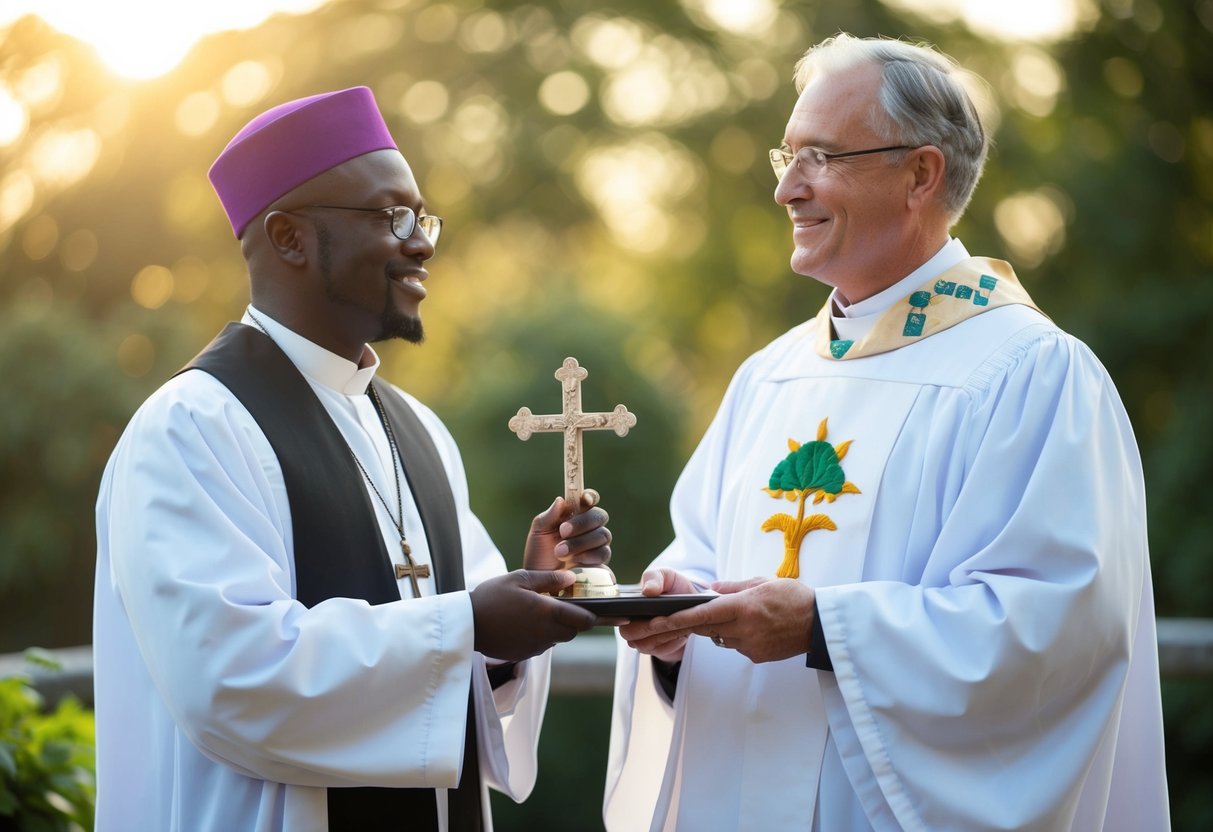
Understanding the distinct roles and responsibilities of celebrants and humanist celebrants helps you choose the right person for your special occasion. Each type of celebrant has unique offerings depending on the ceremony you want.
Services Provided by Celebrants
Celebrants provide a range of services for various ceremonies, including weddings, funerals, and naming ceremonies. They can design and lead both religious and non-religious events.
- Personalized Touch: They work closely with you to create customized ceremonies that reflect your beliefs and values.
- Ceremony Types: Celebrants can conduct secular ceremonies, religious ceremonies, or a blend of both.
This flexibility allows you to incorporate elements that are meaningful to you, such as poetry, music, or personal stories. Their goal is to make your ceremony heartfelt and tailored to your wishes.
Services Specific to Humanist Celebrants
Humanist celebrants focus solely on secular ceremonies. They do not include any religious content and base their services on humanist principles, which value human experiences and reason.
- Types of Ceremonies: They commonly perform humanist weddings, funerals, and naming ceremonies.
- Flexibility in Content: Some humanist celebrants might allow personal readings or music, as long as it aligns with secular values.
Their service is all about celebrating life events without religious undertones, ensuring your ceremony truly reflects humanist beliefs.
Choosing the Right Celebrant for Your Ceremony
When deciding on a celebrant, think about the type of ceremony you want. Consider whether you prefer a celebrant who can add religious elements or one strictly focused on secular content.
- Communication: Meet with potential celebrants to discuss their approach and view on ceremonies.
- Your Values: Make sure their style matches your beliefs.
This is an opportunity for you to ask questions and understand how they will make your event special. A good celebrant will listen and work with you to create a memorable occasion that fits your vision.
Legal Aspects and Recognition
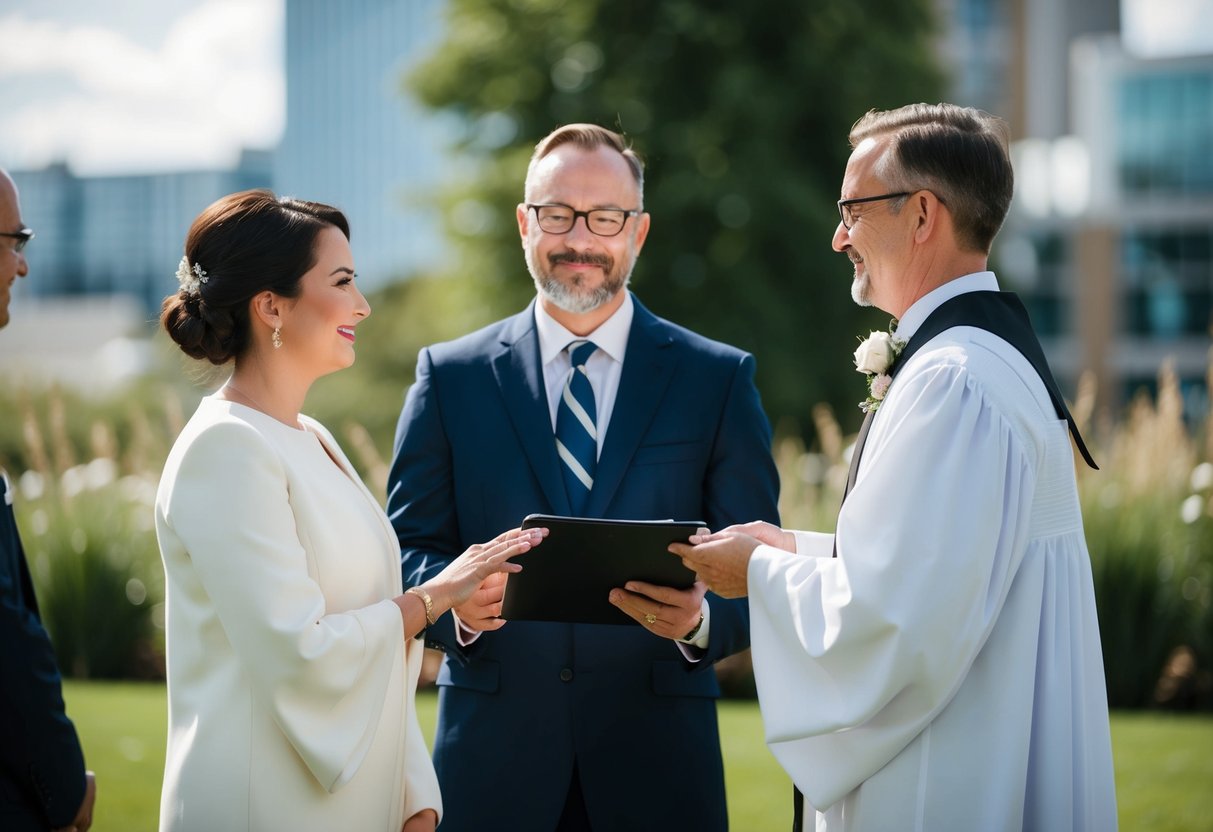
When planning a ceremony, understanding the legal aspects and recognition of celebrants and humanist celebrants is crucial. This includes how marriage laws apply, the legal status of humanist ceremonies, and recent reviews that may affect them.
Marriage Laws and Celebrants
In many regions, legal marriage must be performed by an authorized person. This is often done through a registrar at a registry office.
Celebrants, including humanist celebrants, typically conduct ceremonies that celebrate your union but do not have the legal authority to marry you.
To legally marry, you often need to have a civil ceremony first. After this civil component, you can have a personalized ceremony with your chosen celebrant.
Knowing these details helps you plan the ceremony that fits your beliefs and preferences.
Legal Status of Humanist Ceremonies
Humanist ceremonies are non-religious and based on humanist principles. They offer a personal touch to significant life events like weddings.
However, in some areas, these ceremonies might not be recognized as legally binding.
Countries like Scotland allow humanist celebrants to perform legal marriages. In contrast, many other places still require a civil ceremony beforehand.
If you prefer a humanist approach, be sure to check your local laws to ensure your ceremony meets the necessary legal requirements.
Impact of the Law Commission Review
The Law Commission Review examines marriage laws in the UK, including the role of celebrants. This review is crucial for those advocating for legal recognition of non-religious ceremonies.
Changes suggested in the review may impact your options for a celebrant-led wedding. If the recommendations are accepted, it could make it easier for celebrants, including humanists, to perform legal marriages.
Stay informed about this review, as it could enhance your choices for a meaningful ceremony.