
What is the Difference Between a List and B List Wedding? Understanding Guest Categories and Their Impact on Your Celebration
Planning a wedding can feel overwhelming, especially when it comes to your guest list. Many couples find themselves torn between whom they really want to invite and the reality of limited space or budget. This is where the concepts of an A-list and B-list come into play, allowing you to prioritize your guests effectively.
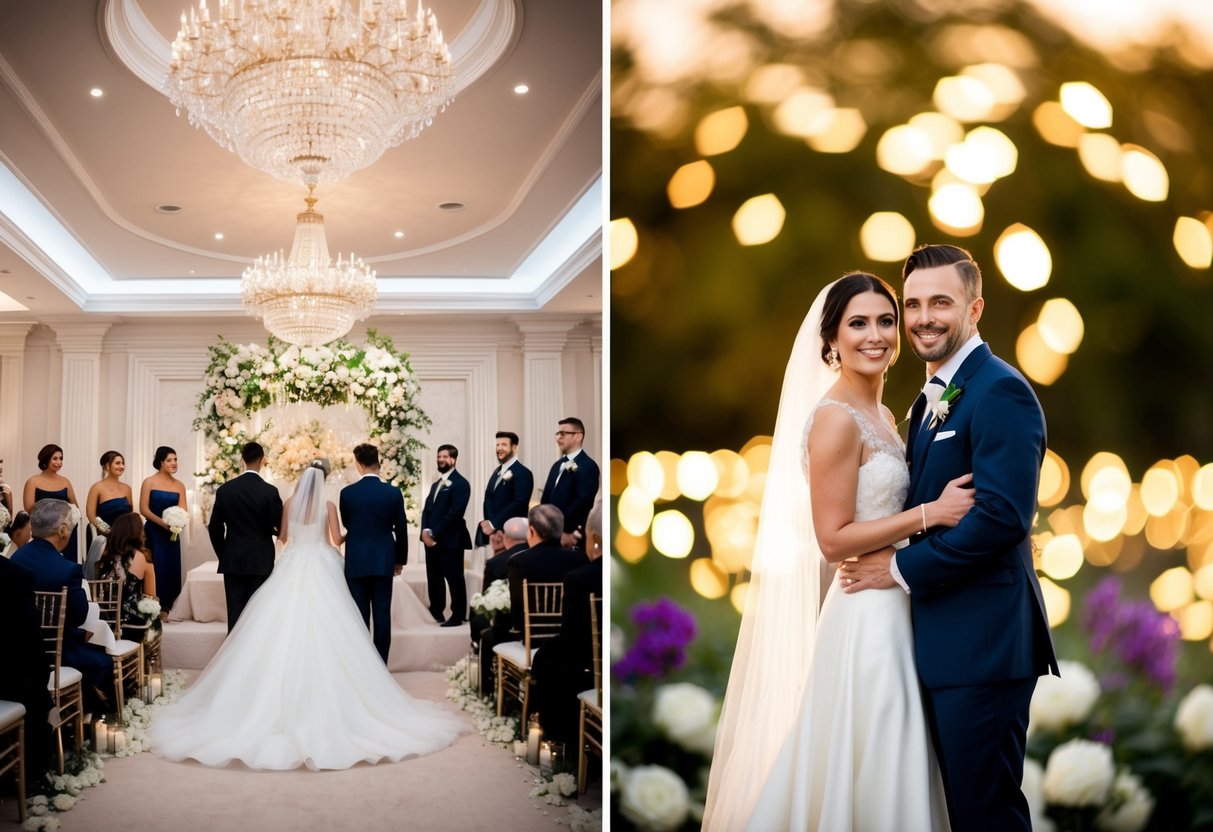
The A-list includes those guests you most want to attend your wedding, while the B-list consists of those you would like to invite if space permits. By categorizing your guests this way, you can manage your invitations more smoothly and ensure that you invite people who truly matter to your special day.
Understanding the difference between these lists can help ease the stress of wedding planning. Knowing how to handle your invitations can make all the difference in creating the celebration of your dreams.
Understanding A-List and B-List
When planning your wedding, knowing the difference between A-list and B-list can help shape your event. This understanding can influence your choices regarding budget, venue size, and guest list dynamics.
Defining A-List and B-List
An A-list wedding typically features high-profile elements. This may include a lavish venue, premium catering, and exclusive entertainment. Here, you’re likely aiming for a grand overall experience, with attention to every detail. Couples usually invite their closest friends and family, creating an intimate yet luxurious atmosphere.
In contrast, a B-list wedding still holds charm but may have a more modest approach. Couples might choose to cut costs by selecting a smaller venue or simplifying the menu. You could still have a meaningful celebration by inviting friends and relatives who may not be as central to your celebration but are important just the same.
The Role of Budget and Venue Size
Budget plays a crucial role in defining the scale of your wedding. For an A-list wedding, the budget may be significantly higher, allowing for extravagant options. This can cover large venues with high capacity, stunning decorations, and gourmet food selections.
On the other hand, a B-list wedding budget might focus on affordability. You may choose a cozy venue that accommodates fewer guests. Smaller venues often create a warm, inviting atmosphere, making it easier to connect with each guest. By smartly choosing your priorities, you can ensure that every aspect of your B-list wedding is special and memorable.
Crafting Your Guest Lists
Creating your wedding guest lists involves careful planning. You’ll want to think about who you truly want to celebrate with you. It’s essential to balance your desires with your budget and venue limits.
Creating an A-List
Your A-list should consist of the people you cannot imagine celebrating without. This usually includes close family and best friends.
Consider the following when making your A-list:
- Immediate Family: Parents, siblings, and possibly grandparents.
- Close Friends: Those who have been with you through thick and thin.
- Plus Ones: Think about how many of these guests you want to allow a partner.
This list often has a mix of supportive friends and caring family members. Keep in mind the space you have available at your venue to ensure everyone on this list can comfortably attend.
Formulating a B-List
The B-list includes guests who are not as essential but whom you would still like to invite. These might include acquaintances or casual friends.
Tips for creating your B-list:
- Friendship Level: Include those you enjoy spending time with but may not be in your inner circle.
- Work Colleagues: Consider inviting coworkers you have a friendly relationship with, without feeling obligated.
- Plus Ones: You may want to extend invites based on how your A-list responds.
It’s important to remember that invitations to your B-list should only go out if you receive declines from A-list guests. This way, you won’t accidentally offend anyone.
Managing Guest Count
Keeping track of your guest count is crucial. Your venue and budget will often dictate how many people you can invite.
Here’s how to manage this effectively:
- Set a Firm Limit: Know exactly how many guests your venue can accommodate.
- Track Responses: Maintain a simple spreadsheet or list to note who has accepted or declined.
- Adjust Accordingly: If you receive many declines from your A-list, start sending out invites from your B-list.
This approach helps you ensure that your final headcount aligns with your plans while still including everyone you want to share your special day with.
Invitations and RSVPs
When planning your wedding, understanding the invitation process for both A-list and B-list guests is essential. You want to ensure that everyone feels valued and that you manage your guest list effectively. Here’s how to navigate these important steps.
Sending A-List Invitations
Start by sending A-list invitations. This group usually includes your closest family and friends. You may want to use traditional paper invitations or digital options.
Tips for A-list invites:
- Send them early. Aim for 6 to 8 weeks before the wedding day.
- Include RSVP cards. This makes it easy for guests to respond.
Clearly state RSVP deadlines. Aim for replies at least three weeks before the wedding. This gives you time to finalize your headcount and prepare for any unexpected changes.
B-List Invitation Strategy
Once you have your A-list RSVPs, it’s time to think about B-list invitations. Create a separate list of guests who you would like to invite only if space allows.
B-list invitation tips:
- Timing is key. Send these invitations around 8 weeks before the wedding.
- Be considerate. Let B-list guests know they are valued by sending them a thoughtful invitation.
Using a wedding website can help streamline this process. You can send digital RSVPs, making it easier to track responses without needing to send additional cards.
Tracking RSVPs
Keeping track of RSVPs from both lists can be helpful in ensuring a smooth planning process. Use a spreadsheet to monitor responses. You can note who has RSVP’d, and any plus-ones.
Best practices for tracking:
- Set an RSVP deadline of around three weeks before the wedding.
- Follow up with guests who haven’t responded by the deadline, either through a call or a friendly message.
Digital RSVPs can also simplify this process. Your wedding website can allow guests to respond online, making tracking easier and more organized.
Managing the Wedding Experience
Managing the wedding experience involves careful planning in how you select your guests, communicate with them, and coordinate with your event producer. Each step is important to create a joyful day for everyone involved.
Inclusivity in Guest Selection
When creating your guest list, consider how to be inclusive of all your family and friends. Think about those who have been important to you throughout your life.
You may have an A-list of guests you absolutely want there and a B-list as a backup or an alternative. Make sure to prioritize guests who truly matter.
It’s helpful to think about the relationships you want to celebrate. Consider extending invites to those who may be on the fringe of your circle but still wish to share in your special day. This thoughtful approach can foster a welcoming atmosphere.
Communicating with Guests
Clear communication is key to managing your wedding experience. Once you create your guest lists, inform your A-list and B-list guests appropriately.
For A-list guests, send out invites early to help them plan. Save the dates can be sent about 4-6 months prior. For B-list guests, wait until you have confirmed RSVPs from your A-list before inviting them.
When inviting B-list guests, be honest about the situation without making them feel like a second choice. This care ensures they feel included and appreciated, setting a positive tone for their experience.
Coordination with Event Producer
Working with an event producer can take a lot of stress off your shoulders. They can help ensure that everything runs smoothly on your wedding day.
Share your guest lists with the producer. This information can help with seating arrangements and logistics. They can advise on how to set up the venue to create an inviting atmosphere for both A-list and B-list guests.
Regular communication with your event producer is essential. Schedule meetings to discuss timelines, decor, and other important details. Their expertise can help make the day unforgettable for you and your loved ones.