
What is the Difference Between a Macro and Micro Wedding? A Simple Guide to Choosing Your Perfect Celebration
When planning your special day, you might wonder about the many options available for your wedding. The terms “macro wedding” and “micro wedding” often come up, but what do they really mean? Micro weddings typically have about 20 guests or less for a more personal experience. In contrast, a macro wedding features a grand venue with a large guest list and extravagant decor. Meanwhile, a micro wedding takes place in an intimate setting with a small number of guests and simple, elegant decorations.
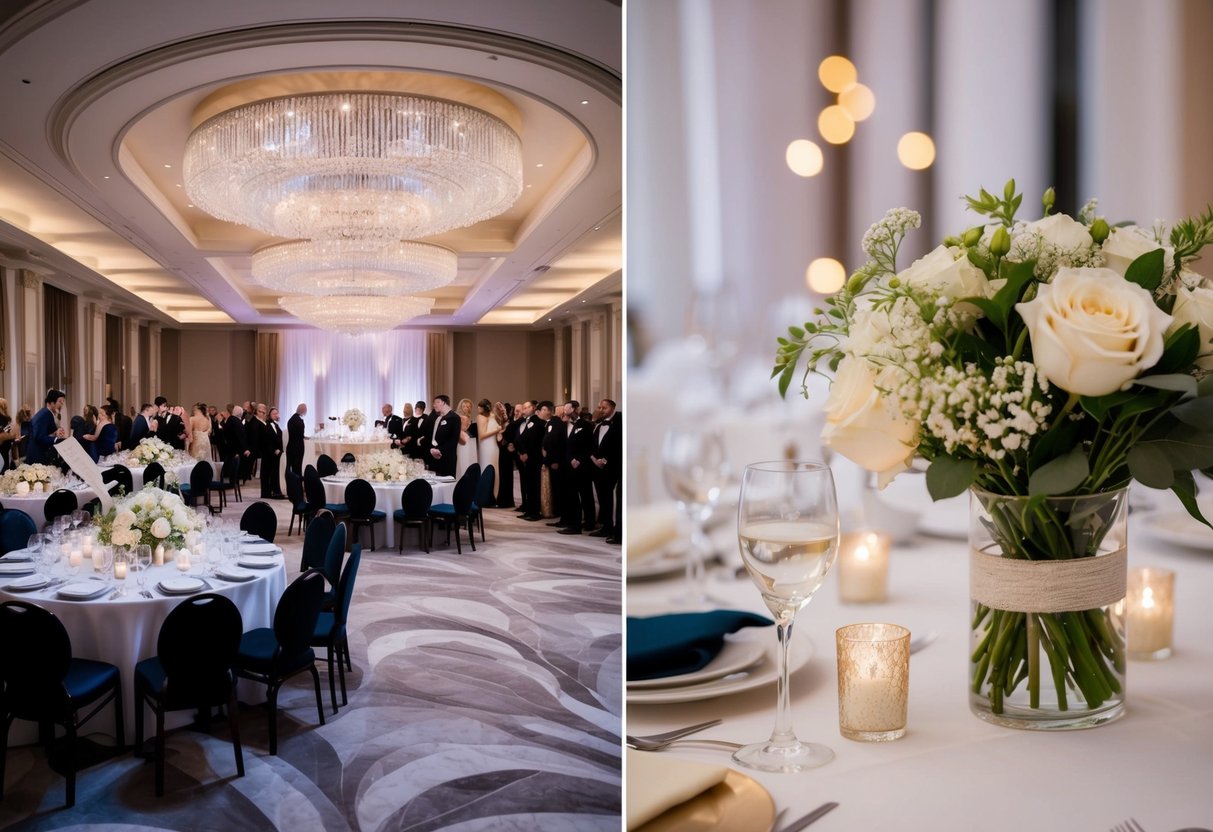
If you’re thinking about an intimate wedding, this small-scale celebration allows you to focus on the people who matter most to you. It creates a cozy atmosphere, making every moment feel special. In contrast, a macro wedding embraces what’s big and bold, often featuring a larger guest list and grander venues. Ultimately, your choice depends on your vision for the day. Whether you prefer an intimate setting or a large gathering, understanding these differences can help you make the best decision for your wedding.
Defining Macro and Micro Weddings
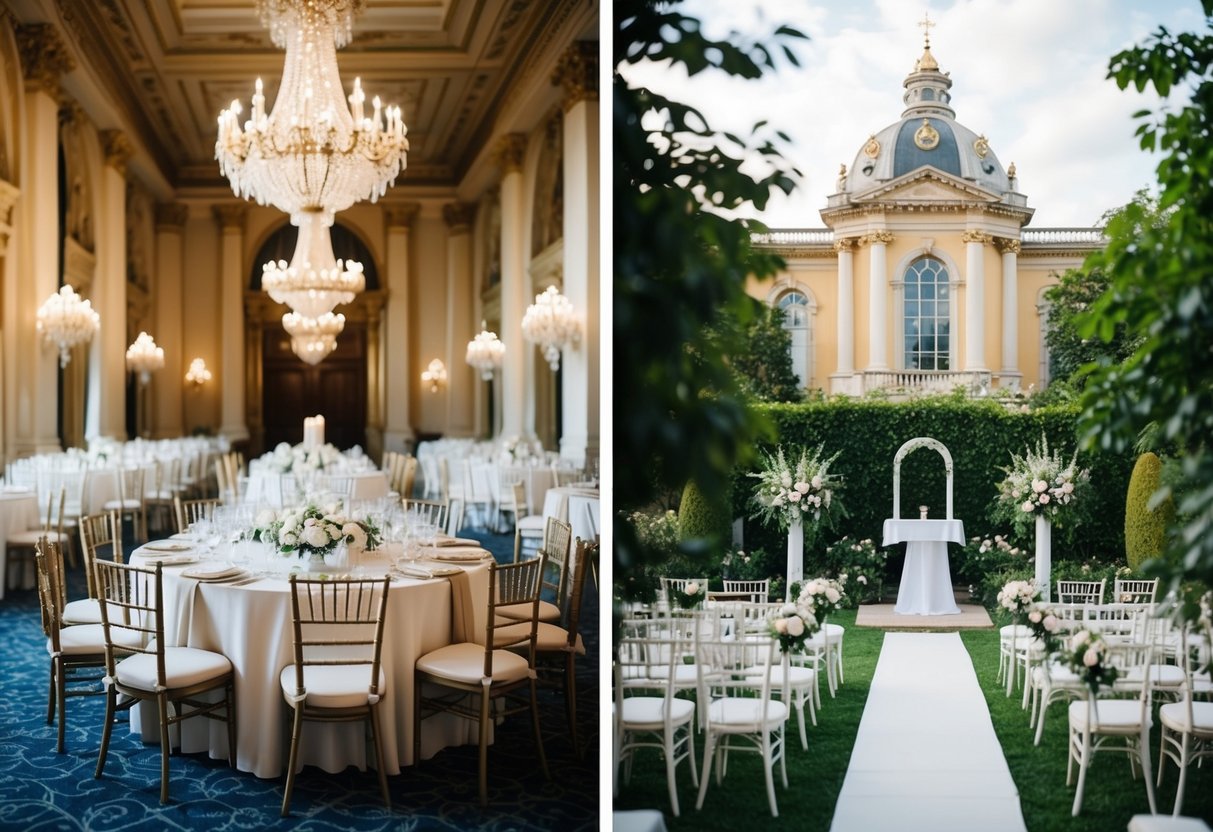
Understanding the differences between macro and micro weddings can help you choose the right type of celebration for your special day. Each type offers unique benefits based on size, guest count, and overall experience.
What Is a Macro Wedding?
A macro wedding is often seen as a traditional wedding. These events typically have a large guest list, often exceeding 100 people. Macro weddings take place in spacious venues like banquet halls or outdoor gardens that can accommodate many guests.
Your wedding day becomes a grand celebration filled with various elements. You can include features like multiple catering options, a full bar, and entertainment like live bands or DJs. With a large guest list, you can invite friends, family, and even acquaintances, creating a vibrant atmosphere. However, planning a macro wedding can be more complex. You will need to manage many different vendors, such as photographers, florists, and caterers, to ensure everything runs smoothly.
Understanding the Micro Wedding Concept
A micro wedding is a smaller, more intimate celebration that usually includes 20 or fewer guests. This type of wedding allows for a more personal experience, focusing on meaningful moments with close family and friends.
Micro weddings can take place in unique venues, such as private homes, small gardens, or intimate restaurants. You might want to include special details like personalized decorations or a unique wedding cake to reflect your style.
Although the guest list is small, you can still include many of the elements found in larger weddings. You might opt for a professional photographer, a florist, and even a small band or musician. Micro weddings also offer a chance to save money and time, making planning more straightforward. With the rise in popularity of intimate events, some choose to combine their micro wedding with a minimony, which is a small ceremony followed by a larger celebration later on.
Planning and Budget Considerations
When planning your wedding, size plays a big role in both budgeting and the planning process. Smaller weddings often mean lower costs, while larger weddings can bring more complexity and higher expenses. Understanding these factors will help you better prepare for your special day.
Budgeting for Your Wedding Size
Budgeting for a micro wedding is typically more straightforward. With fewer guests, you can allocate your wedding budget more effectively. For example, if you spend $2,500 on food, imagine the difference between serving 20 guests versus 100.
Key Budget Categories:
- Venue Costs: Smaller venues may cost less to rent.
- Food & Beverage: Often the most significant expense; plan according to your guest count.
- Decor: You can invest more in details when there are fewer guests.
With a macro wedding, you’ll need to account for higher costs in all these areas, especially with large guest lists. Your wedding budget will need to stretch to cover expenses for a larger scale event.
The Planning Process for Different Wedding Sizes
The planning process varies significantly between macro and micro weddings. For a micro wedding, you can focus on building an intimate experience. This may involve personal touches, such as custom favors or unique venues that fit your style.
For macro weddings, detailed planning is essential. You have to manage a much larger guest list and coordinate more vendors. You may consider hiring a wedding planner to help organize everything.
Planning Tips:
- Guest List: Start with a list to determine your budget.
- Wedding Packages: Some venues offer wedding packages that can help streamline planning and costs.
- Timeline: Larger weddings require a more detailed timeline for all events.
By considering these factors, you can create a memorable day that works within your budget.
The Guest Experience
The guest experience at a wedding can differ greatly based on the size and nature of the event. In a macro wedding, guests might feel more like part of the crowd, while a micro wedding offers a chance for deeper connections.
Creating an Intimate Atmosphere
In a micro wedding, you can create a warm and inviting atmosphere. With a smaller guest list, you’ll have more opportunities for quality interactions. You can choose unique seating arrangements that encourage conversation. For example, a circular table setup allows everyone to see and talk to each other easily.
Consider personal touches, like handwritten notes at each seat. These small gestures can make guests feel valued. You might also include intimate activities such as shared toasts or storytelling, where everyone can participate. This sense of closeness adds to the overall wedding experience.
Accommodating a Larger Guest List
For macro weddings, accommodating a larger guest list can be a fun challenge. With more people, the focus shifts to inclusion and variety. You’ll need to think about entertainment that appeals to a broader range of guests.
Consider having multiple food stations or diverse menu options. This allows people to try different cuisines and promotes mingling. Creating various seating areas can also help guests feel more comfortable.
Make sure to have larger spaces for dancing and socializing. Renting a big venue makes it easier to host everyone. Keep in mind that a larger wedding guest list might require more structured activities or a clear schedule. This ensures everyone has a good time and feels engaged throughout the day.
Details That Make the Day Special
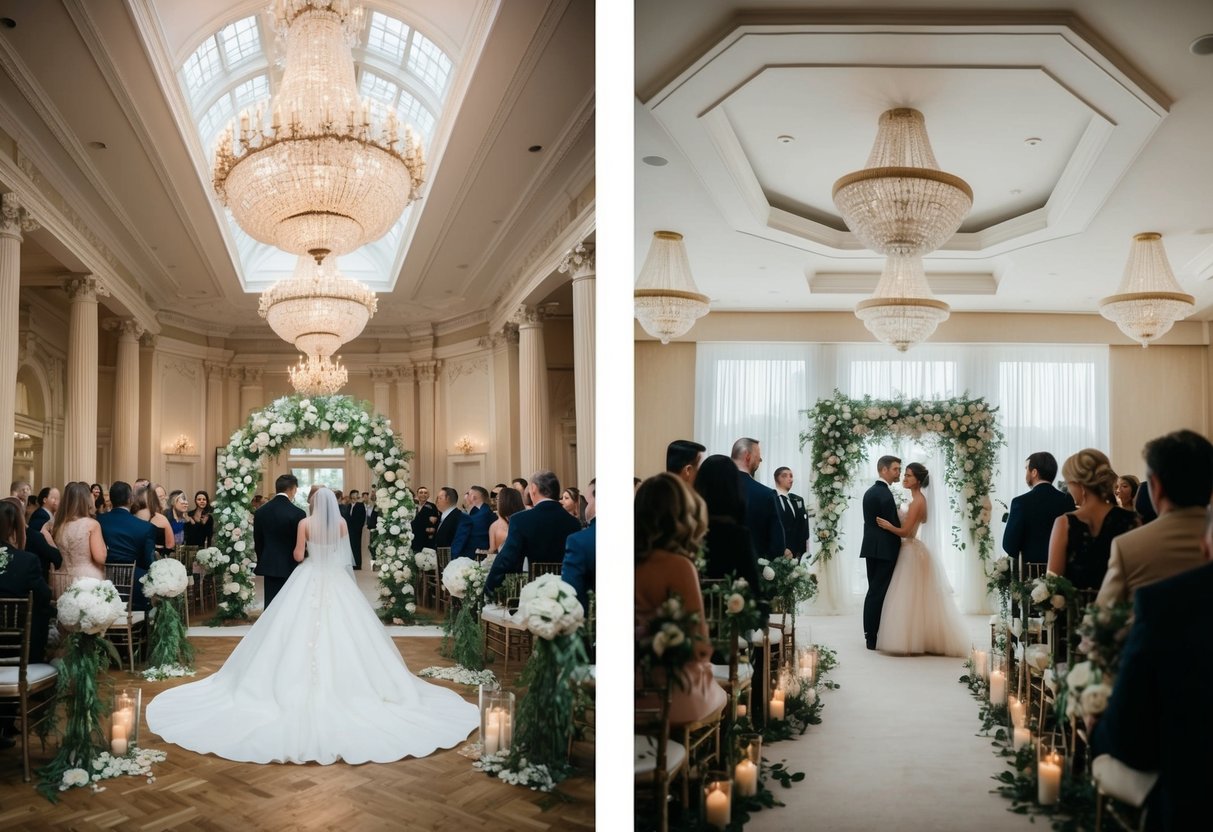
The little details can truly enhance the wedding experience. Whether you choose a micro or macro wedding, personal touches and unique elements can create memorable moments that reflect your personality and style.
Personal Touches in Micro Weddings
In micro weddings, intimacy is key. With a smaller guest list, you can focus on personal touches that make the day uniquely yours. You might consider custom wedding favors that reflect your interests as a couple.
Handwritten notes can be placed at each table setting to express gratitude to guests. Meanwhile, wedding attire can also carry personal meaning. Perhaps you choose a designer wedding dress that your grandmother wore or incorporate family heirlooms into your accessories.
Including a close friend as your officiant adds a personal connection to the ceremony. Everyone will feel the love and thoughtfulness in each element of your special day.
The Extravagance of Macro Weddings
Macro weddings often feature grand elements that impress your guests. You can showcase your style with elaborate decorations and themes. Stunning floral arrangements that fill the venue with beauty are a great option.
Choosing a live band can elevate the atmosphere. Their music sets the tone for the celebration, making your event lively and fun.
Bridesmaids can also shine in beautifully coordinated outfits, complementing your own wedding attire.
With more guests, you can also plan extravagant wedding favors. Gourmet treats or personalized gifts that reflect the theme of your celebration are great ideas. Each detail contributes to a memorable experience that your guests will cherish.