
What is the Difference Between a Wedding and a Marriage Ceremony? Understanding the Essentials
When planning your special day, you must know the difference between a wedding and a marriage ceremony. Although people often use them interchangeably, they refer to distinct aspects of your journey together.
A wedding is the celebration that marks the beginning of your union, while a marriage ceremony is the legal and personal commitment two people make to each other.
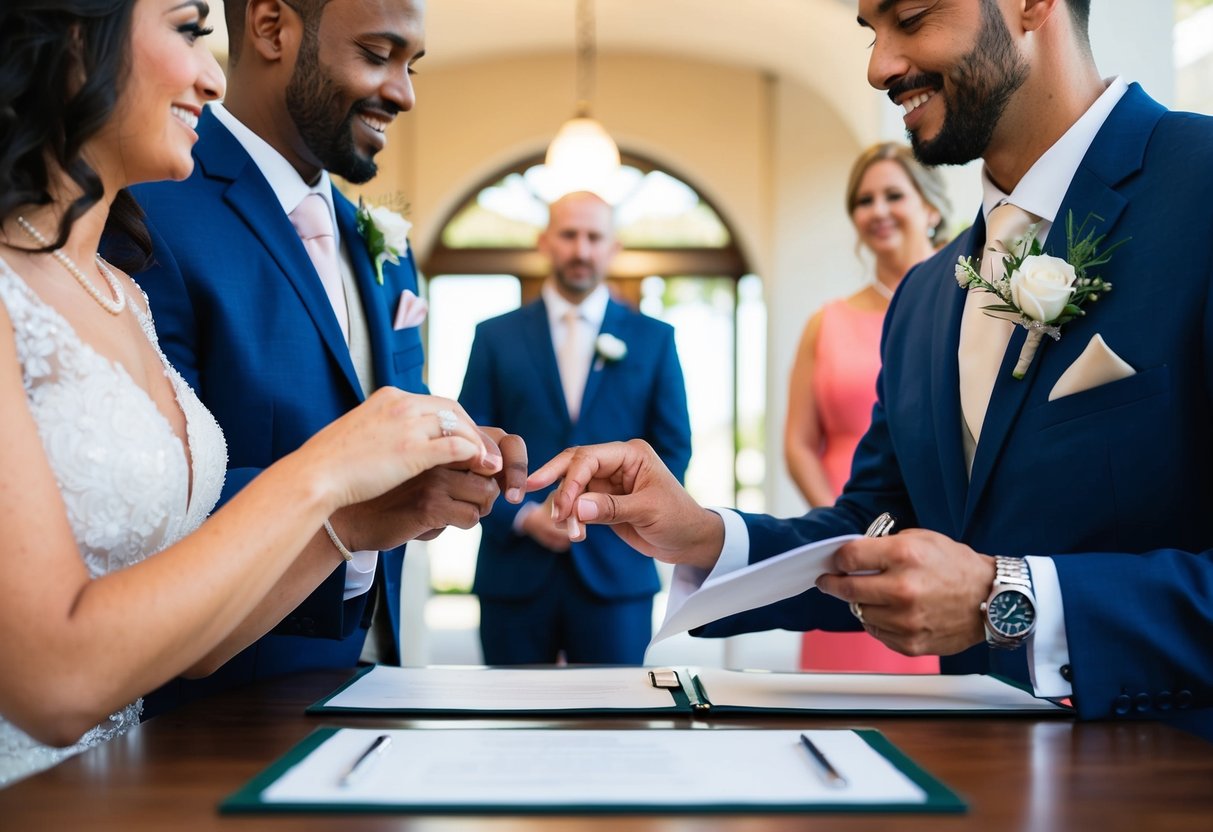
Understanding this difference can make it easier as you navigate through the numerous details of wedding planning. The wedding involves all the festivities and rituals that bring friends and family together, whereas the marriage ceremony is about the vows and promises made between partners.
By grasping these concepts, you can better appreciate the depth of your commitment and the beauty of your celebration. Whether it’s the joy of the wedding day or the profound significance of your marriage, both play vital roles in your life together.
Understanding the Basics
To appreciate the difference between a wedding and a marriage ceremony, it helps to understand key definitions and concepts. You’ll also discover various types of marriages and weddings that reflect cultural and personal choices.
Definitions and Concepts
A wedding is a ceremony marking the beginning of a marriage. It typically involves rituals, exchanging vows, and celebrating love with family and friends. A marriage, on the other hand, is the ongoing relationship that follows the wedding. It requires commitment and effort to maintain a healthy partnership.
Different cultures have unique wedding traditions that showcase their values. For instance, in some cultures, arranged marriages are common, where families play a role in choosing partners. In contrast, love marriages happen when individuals choose their partners based on romantic feelings.
Types of Marriages
There are several types of marriages you might encounter. Civil marriages are officiated by a government official, ensuring legal recognition. They focus on the legal aspect of the union, often without religious elements.
Same-sex marriages allow couples of the same gender to legally marry, emphasizing love and equality. Then, there are arranged marriages, where families select partners, often based on compatibility. In some cases, forced marriages occur without the full consent of one or both parties, which is a serious issue.
Polygamy, where one person has multiple spouses, is practiced in certain cultures. Each marriage type has its own dynamics influenced by tradition, culture, and personal preferences.
Types of Weddings
Weddings come in many styles, each reflecting individual or cultural preferences. A traditional wedding often showcases customs passed down through generations, such as specific attire and rites. Meanwhile, religious ceremonies may include rituals unique to various faiths, symbolizing spiritual bonds.
Destination weddings are held in special locations and offer a unique experience for you and your guests. On the other hand, intimate weddings focus on a smaller guest list, creating a cozy atmosphere for close family and friends.
Civil ceremonies are simple and straightforward, focusing on the legal aspect of marriage without religious overtones. Each type of wedding aligns with the couple’s values, traditions, and individual desires, allowing you to create a meaningful celebration.
The Legal and Cultural Framework
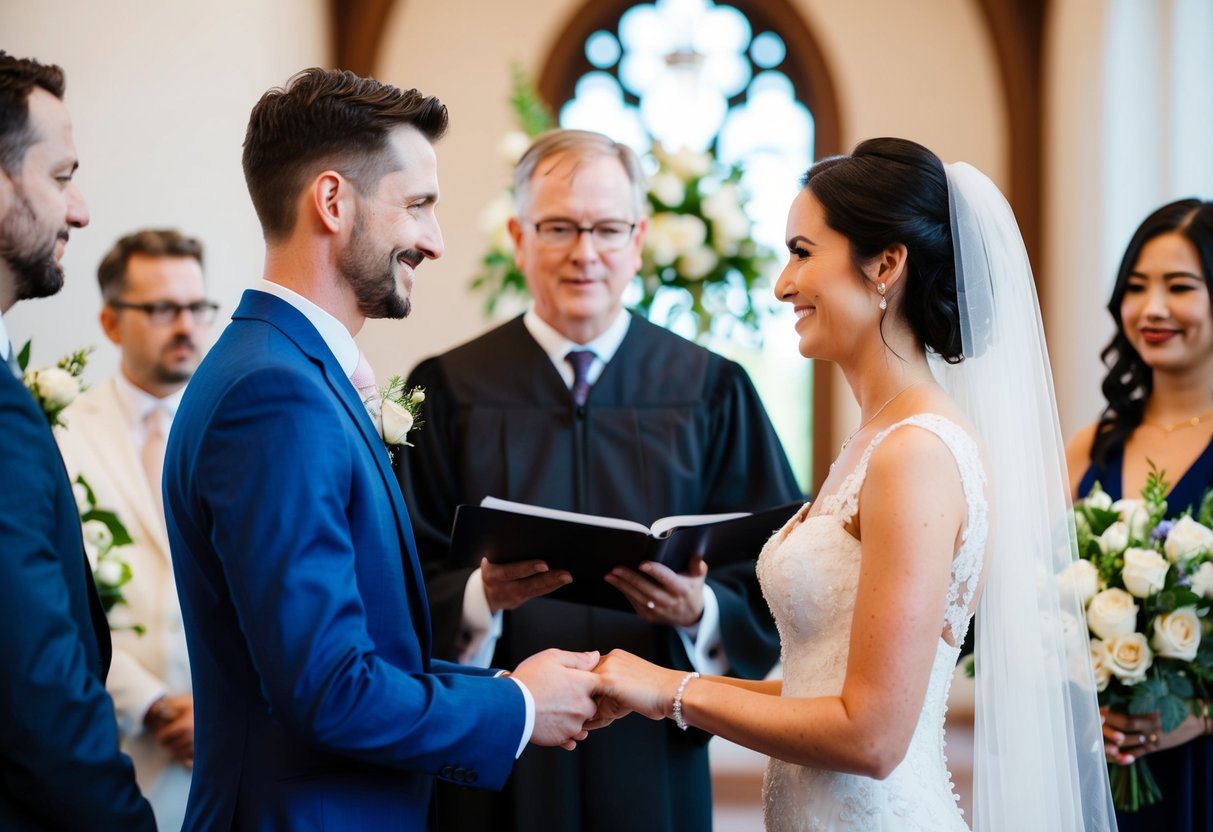
Understanding the legal and cultural aspects of wedding ceremonies and marriage helps clarify their significance in society. These elements shape how people view and participate in these important life events.
Legal Aspects of Marriage
Marriage is a legal union recognized by the state. This means when you marry, you enter into a binding contract. This contract grants you specific rights and responsibilities, such as tax benefits, inheritance rights, and health care decisions.
In many places, there is a marriageable age, meaning you must be a certain age to marry without parental consent. If a marriage is found to violate legal requirements, it can be subject to annulment, which legally voids the marriage. If things don’t work out, you might seek a divorce, which ends the legal union and often involves dividing shared assets and negotiating custody of children.
Cultural Significance
Weddings are often rich in cultural and traditional elements. Different cultures have unique rituals that symbolize the joining of two people. These can include specific customs, like exchanging rings or performing ceremonial dances.
The ceremony becomes a public event, showcasing love and commitment to family and friends. It celebrates not just the couple but also their cultures and traditions. Many weddings incorporate elements that reflect family heritage, conveying deep meanings tied to your background. By participating in these customs, you honor your culture and create lasting memories.
Planning and Celebrating a Wedding
Planning a wedding involves many details and choices. From selecting a venue to deciding on traditions, each choice shapes your special day.
Organizing a Wedding
Start with a clear vision. Consider your budget, guest list, and the type of ceremony you want. You may choose between a destination wedding or a local ceremony at a venue that speaks to you.
A wedding planner can help with logistics, ensuring everything runs smoothly. They can also assist you in locating the best officiant and organizing your wedding reception.
Remember to plan the wedding day timeline, including when to arrive, the order of the ceremony, and how long each part will take. Each detail supports a wonderful experience for you and your guests.
Distinctive Wedding Elements
Every wedding includes unique elements that reflect your style. Start with the wedding dress. It should make you feel beautiful and confident.
Traditions play a big role too. You might want to incorporate family traditions or create your own.
The wedding cake is often a centerpiece of the celebration. Choose a design and flavor that resonates with you.
Decor, music, and even the food you serve at the reception should also match your theme. Consider what represents you as a couple, making the day truly memorable for everyone involved.