
What is the Difference Between a Wedding and a Wedding Ceremony? Exploring the Key Distinctions
When planning a wedding, you may wonder about the differences between a wedding and a wedding ceremony. Each part plays a unique role in your big day and helps celebrate your commitment to love. The wedding ceremony is the official moment when you and your partner say “I do,” while the wedding includes the entire event, including the ceremony and the celebration that follows.
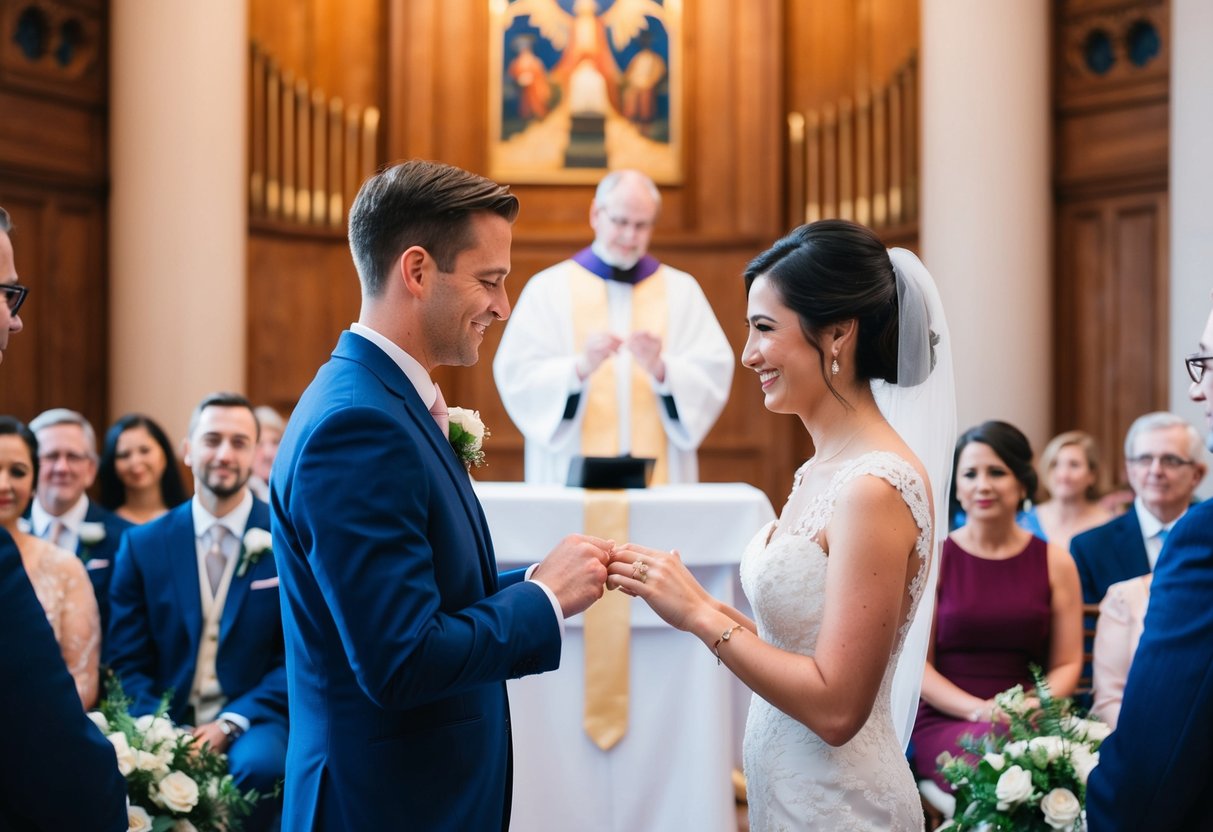
Understanding this difference can clarify your planning process. The ceremony is often steeped in tradition, focusing on the vows and the promises you make to one another. After the ceremony, the wedding shifts into a joyful celebration where family and friends gather to honor your love.
Knowing these distinctions helps you create a meaningful and memorable experience. Your wedding day is about love, commitment, and celebration, and understanding each part lets you enjoy every moment fully.
Understanding the Basics
When planning a special day, it’s important to know the differences between a wedding and a wedding ceremony. Each plays a unique role in your marriage celebration, shaping the experience for you and your guests.
Defining a Wedding
A wedding is the overall event where two people come together to start their life as a married couple. This term includes various aspects like the ceremony itself, the reception, traditions, and rituals involved.
Traditionally, weddings can encompass many customs, such as exchanging vows and rings, dancing, and enjoying a meal together. They usually involve family and friends who gather to support you.
You may also want to consider how cultural factors influence the wedding. Different cultures have unique practices that may enhance your wedding experience.
Defining a Wedding Ceremony
The wedding ceremony is a formal part of the wedding. This is where you and your partner say “I do,” making your marriage official. It typically includes specific rituals that highlight your commitment, such as exchanging vows or lighting a unity candle.
The ceremony can vary significantly based on personal beliefs, traditions, and religions. It may take place in various venues, like a church, beach, or garden.
Timing is also important. The ceremony usually lasts about 30 minutes to an hour, setting the stage for the celebration ahead. Understanding the core components helps shape your special day.
Components of a Wedding Ceremony
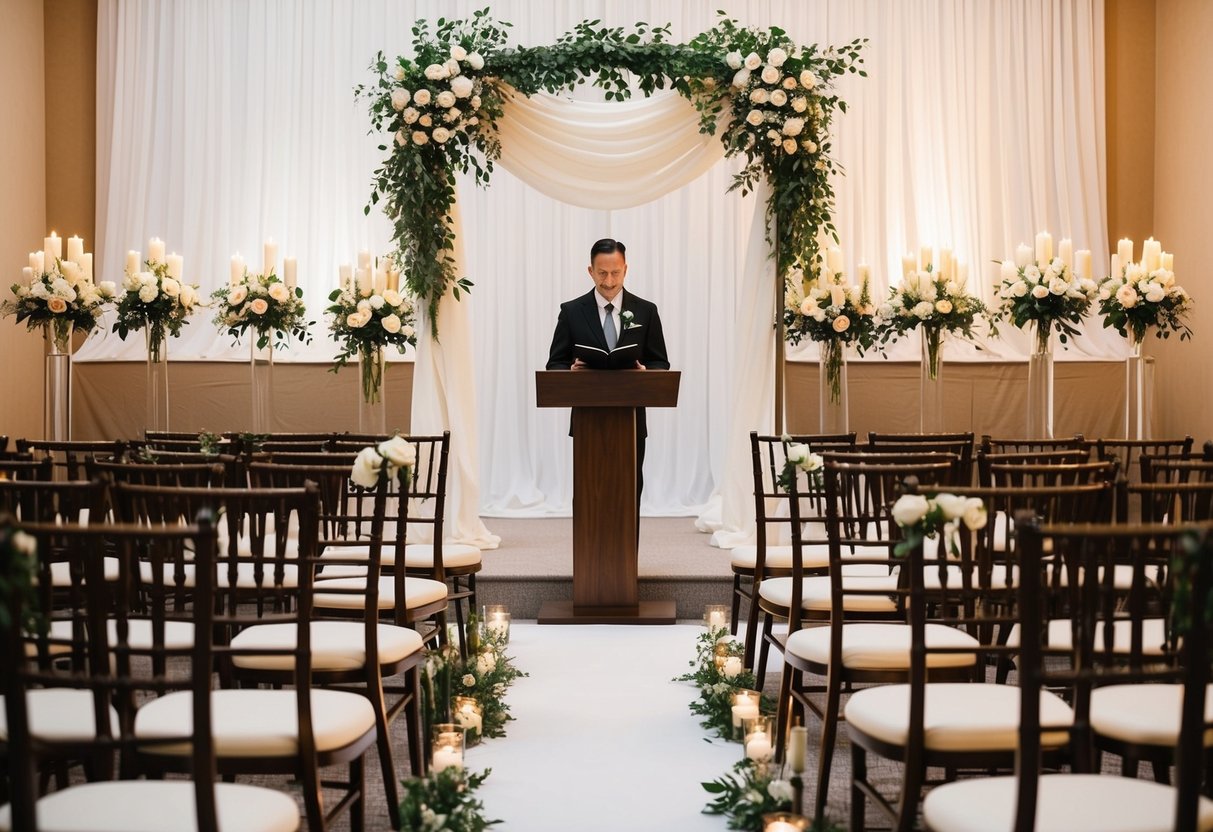
A wedding ceremony consists of various components that come together to create a meaningful experience. Each part plays a crucial role in celebrating the union of two people, often reflecting their traditions and values.
Ceremonial Rituals
Ceremonial rituals are significant elements of a wedding ceremony. They vary widely across cultures and religions, adding depth and meaning to the event.
Common rituals include the lighting of unity candles, sand ceremonies, or jumping the broom. Each ritual symbolizes the couple’s commitment and unity.
In religious ceremonies, rituals may also involve prayers or blessings that invite divine presence. In a civil ceremony, personalized vows and readings may replace traditional rituals, making it unique to you.
These rituals are often planned to reflect your shared values and beliefs, ensuring your wedding is special to you both.
Exchange of Vows and Rings
The exchange of vows is one of the most heartfelt moments in a wedding. Here, you publicly promise your commitment to your partner. Vows can be traditional or personalized, allowing you to express your feelings in your own words.
Right after the vows, couples often exchange rings. This act represents a physical symbol of love and commitment. The rings serve as a reminder of your promises to each other.
You may opt for personalized rings or choose ones that hold special meaning. The exchange is typically accompanied by a meaningful declaration, making it a beautiful highlight of the ceremony.
Cultural and Religious Significance
Cultural and religious traditions can shape the wedding ceremony significantly. Each culture embraces unique customs that enrich the experience. For example, some cultures include ancestral blessings or specific attire that showcases heritage.
In religious ceremonies, the rituals often carry sacred meanings, connecting you to a broader spiritual community. The involvement of religious leaders may also add gravity to the occasion.
Civil ceremonies, on the other hand, often focus on personal significance and shared values rather than religious elements. Regardless of the type, these components reflect your background and beliefs, making the ceremony memorable for you and your guests.
The Wedding Celebration
A wedding celebration is a joyful event that follows the ceremony, bringing together family and friends to share in the couple’s happiness. This celebration includes various activities that create lasting memories.
The Reception Experience
The wedding reception is where the real fun begins. Guests arrive and often start with a cocktail hour, enjoying drinks and appetizers while mingling. This sets a festive tone for the evening.
Once everyone is settled, the banquet usually begins, featuring a delicious meal. It’s your chance to enjoy good food and drink with loved ones. You might have a seating chart to help guests find their places.
After dinner, the party kicks into high gear with the first dance. You and your partner take the floor, creating a magical moment. Following the dance, there might be a champagne toast to celebrate your union, leading into the cake cutting. The wedding cake cutting is a fun tradition where you share a slice to symbolize your new life together.
Key Events and Activities
Several key activities make your wedding reception memorable. After the cocktail hour and dining, your guests often look forward to dancing. This keeps the energy high as everyone celebrates.
Another popular event is the cake cutting, where you both take part in slicing the cake together. This symbolizes unity and the sweetness of life ahead.
Games and activities can also be fun additions. Some couples include a photo booth or special speeches from the wedding party. All these activities keep the celebration lively and engaging for everyone attending your special day.
Wedding Day Journey Beyond the Ceremony
After the ceremony, your wedding day really begins to shine. You’ll move into special moments that celebrate your new union. It’s about enjoying togetherness and making lasting memories with family and friends.
The Post-Ceremony Flow
Once you say “I do,” the celebration continues. The post-ceremony flow often starts with a cocktail hour. This time allows guests to mingle while you and your partner take photos.
Consider having a fun guest book where friends can share their well-wishes. You might also organize games or activities to keep everyone engaged.
Then, you move to the reception. This is where the real partying starts! Whether it’s a traditional first dance or a choreographed performance, it’s your time to shine.
Don’t forget to enjoy the moment. Take time to savor the food and toast with loved ones. The flow from ceremony to reception sets a joyful tone for your wedding day.
Planning for Togetherness and Unity
Togetherness is key on your wedding day. Planning activities that encourage bonding can enhance this feeling.
Think about inviting family members to participate in rituals that symbolize unity, like a sand ceremony or a unity candle lighting.
Your wedding planner can help create a warm atmosphere at the wedding venue. They can pair intimate seating arrangements with heartfelt speeches to strengthen connections.
If you’re considering a destination wedding, incorporating local customs into your event can also promote unity.
Don’t overlook personal touches that reflect your relationship. Simple gestures, like sharing a favorite song or including a memory table, can create a deeper sense of togetherness for you and your guests.