
What Is the Difference Between a Wedding Dress and a Bridal Gown? A Friendly Guide to Styles and Terms
When planning your big day, you might wonder about the different types of outfits available for brides. A wedding dress is a specific type of bridal gown designed for a wedding ceremony, but not all bridal gowns are wedding dresses. Understanding this distinction can help you find the perfect outfit that matches your personal style and needs.
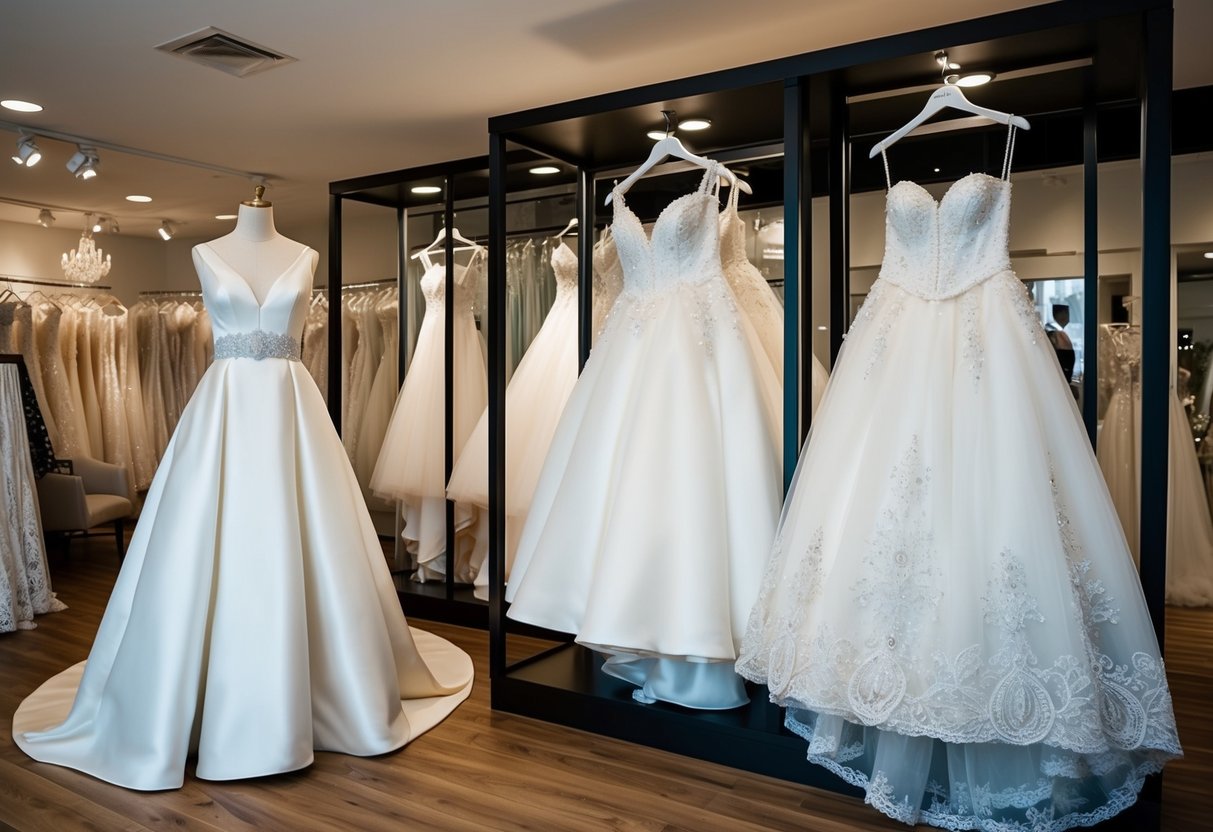
Bridal gowns often come with various designs and formalities, allowing for greater creativity and expression. Whether influenced by trends or cultural significance, these gowns can reflect your unique taste and the atmosphere of your celebration. Knowing the difference can guide you in making the best choice for your special day.
As you explore your options, remember that the right gown should not only be beautiful but also feel comfortable and true to who you are. Each choice you make adds to the joy of your wedding, ensuring that your outfit complements the celebration.
Understanding the Basics
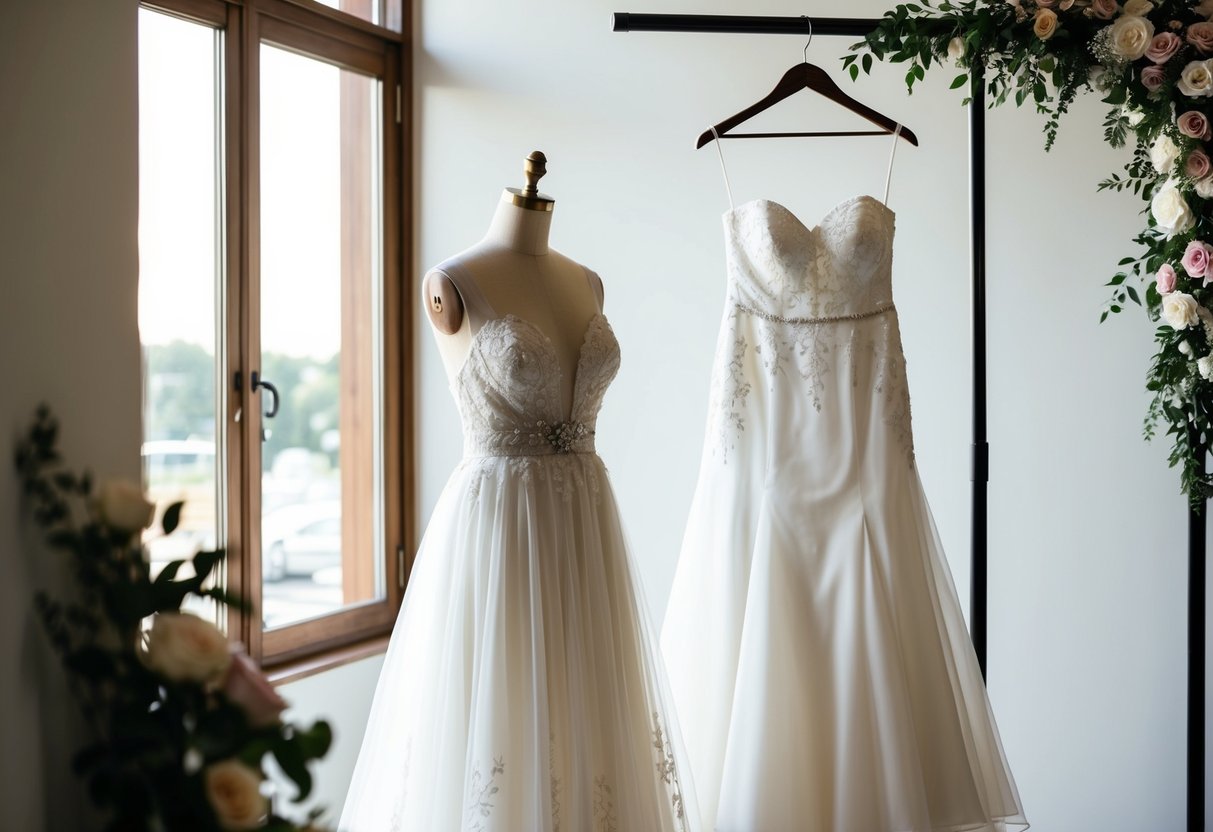
When planning your wedding, knowing the difference between a wedding dress and a bridal gown helps you make the best choice. Each term has its own history and important features that reflect your personal style.
Definition and Origin
A wedding dress is specifically designed for the ceremony when a couple exchanges vows. Traditionally, these dresses symbolize purity and celebration. The bridal gown, on the other hand, includes a variety of styles that brides may choose for their big day. This term is a broader category that can encompass everything from elegant ball gowns to simple, chic dresses.
Historically, the idea of a wedding dress has evolved over time. Women used to wear their best dresses instead of a dedicated bridal gown. This reflects changing fashion trends and cultural influences. Today, both terms are commonly used in wedding planning, often interchangeably, but they can hold different meanings based on design and purpose.
Common Features
Wedding dresses and bridal gowns share some common features but differ in several ways.
-
Design: Wedding dresses focus on a specific design that accommodates the ceremony. Meanwhile, bridal gowns offer a wider range, including options for receptions and other events.
-
Material: Both types often use luxurious fabrics, but wedding dresses may have more formal elements like lace, satin, and tulle.
-
Silhouette: Styles vary widely, from A-line and ball gowns to mermaid and sheath cuts. Your choice depends on your body type and preferences.
-
Embellishments: Many wedding dresses include special details like beading or embroidery that make them stand out. Bridal gowns may have these features, too, but they can be more understated.
Understanding these features helps you choose the right attire that fits your vision for your special day.
Design Elements and Material Choices
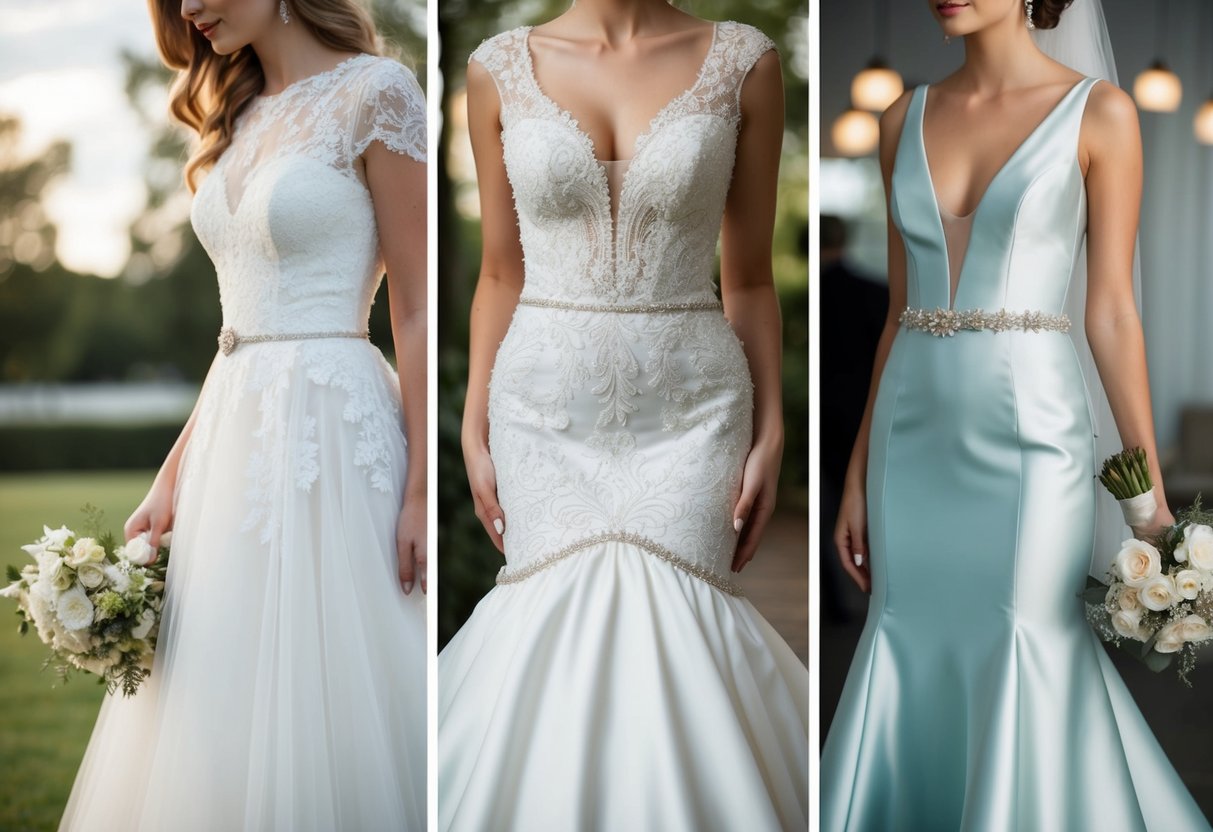
When choosing a wedding dress or a bridal gown, it’s important to focus on the design elements and the materials used. These will greatly affect your overall look, comfort, and feel on your special day.
Fabrics and Textures
You’ll find a variety of fabrics used in wedding dresses and bridal gowns, each offering a unique look and feel. Common choices include satin, chiffon, and tulle.
- Satin is smooth and luxurious, perfect for creating elegant silhouettes.
- Chiffon is light and airy, making it ideal for flowing skirts or layers.
- Tulle adds volume and a dreamy quality to your gown.
Organza is another popular choice, offering a crisp texture that enhances structure. Each fabric can dramatically change the vibe of your outfit, so choosing one that matches your style is essential.
Embellishments and Detailing
The embellishments you select can add character to your dress. Intricate details like embroidery and beading are commonly featured in wedding gowns.
- Embroidery brings a personal touch, often telling a story or adding cultural significance.
- Beading provides sparkle and elegance, enhancing the gown’s beauty.
You can also find gowns adorned with lace, which adds a romantic and timeless effect. Mixing and matching these elements helps create a unique look that reflects your personality. The right combination of fabrics and embellishments can make you feel both beautiful and confident on your wedding day.
Silhouettes and Styles
When choosing a wedding dress, understanding silhouettes and styles is essential for finding the perfect fit for your big day. Different shapes and lengths can enhance your figure and match the theme of your wedding.
Traditional vs. Contemporary
Traditional wedding dresses often feature classic styles, such as ball gowns with fitted bodices and full skirts. This look creates a dramatic silhouette that many brides associate with fairy-tale weddings.
In contrast, contemporary styles lean towards simpler designs with clean lines. For example, an A-line dress offers a flattering fit while providing elegance without excess volume. Many modern dresses may also incorporate unique fabrics and unexpected details that reflect current fashion trends.
Dress Shapes and Lengths
Dress shapes significantly influence how you feel on your special day. Common shapes include A-line, ball gown, and mermaid.
- A-line dresses are fitted at the bodice and flow out gently to the skirt, making them suitable for various body types.
- Ball gowns create a grand look with their voluminous skirts.
- Mermaid skirts fit snugly until the knee, flaring out dramatically, perfect for a formal event.
Lengths can vary from knee-length to floor-length. A tea-length gown offers a vintage feel, while an elegant evening gown may be perfect for evening weddings. Consider these shapes and styles carefully to match your personality and wedding theme.
Choosing the Right Dress for the Occasion
Selecting the perfect dress involves considering the type of wedding and the venue. Each event has its own vibe, which influences your choice of gown. Prioritizing comfort while ensuring the dress aligns with the theme is vital.
Types of Weddings
Weddings come in various styles, and each type can guide your dress selection. For a formal wedding, think about luxurious fabrics and timeless elegance. A full-length gown with intricate detailing often fits here. For a casual wedding, you can opt for lighter fabrics, shorter styles, or even a simple bridal gown.
A beach wedding might call for a flowy dress that allows ease of movement in the sand. If the wedding theme is rustic or vintage, consider dresses with lace or floral patterns. Understanding the wedding’s formality helps you express your individuality while adhering to the theme.
Dress for Comfort and Venue
Comfort is key when choosing your wedding attire. Think about the venue and the activities involved. If you’ll be doing a lot of dancing or moving around, select a dress that allows ease of movement. Fabrics like chiffon or silk can keep you comfortable throughout the day.
Consider the weather too. A lighter dress is better for warm, outdoor events, while heavier fabrics may suit winter or indoor venues. Accessories also play a role; ensure they complement your gown without causing discomfort.