
What is the Etiquette for Wedding Flowers? A Guide to Choosing the Perfect Blooms
When planning your wedding, flowers play a key role in setting the mood and style. From bouquets to centerpieces, understanding the proper etiquette for wedding flowers ensures that you honor both tradition and the feelings of your loved ones. Knowing who gets what and the significance of each floral arrangement can simplify your decision-making process.
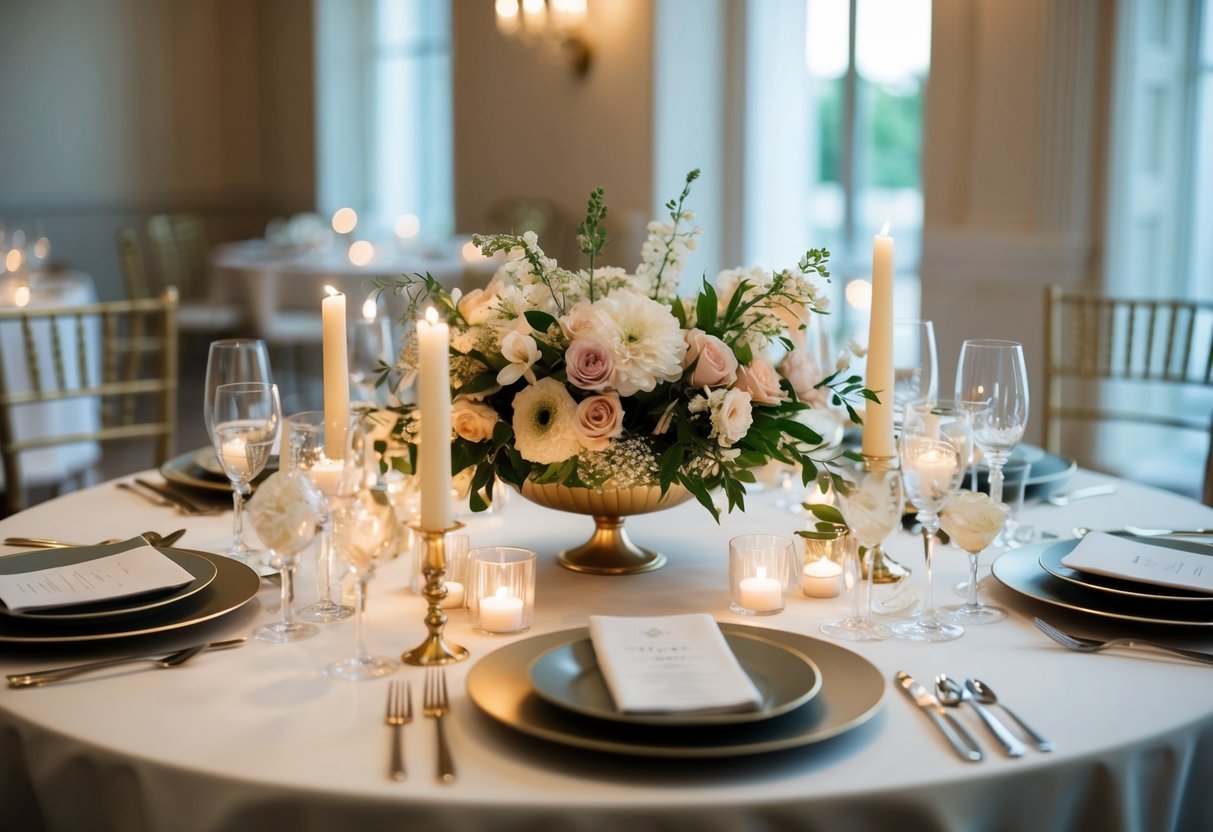
You might wonder about who should receive bouquets and boutonnieres. Typically, the bride, bridesmaids, and mothers of both the bride and groom wear special floral decorations. It’s also nice to consider corsages for grandmothers and boutonnieres for fathers and grandfathers. These thoughtful touches reflect not only your taste but also respect for your family members.
Floral decorations contribute to the overall aesthetic of your ceremony and reception. Keeping these etiquette tips in mind will help you create a beautiful, memorable event. With every bloom and arrangement, you celebrate love and new beginnings.
Choosing Your Wedding Flowers
Selecting your wedding flowers is an important task. You want them to reflect your style, fit your theme, and make a lasting impression. Here are some key points to consider while choosing the perfect blooms.
Understanding Flower Symbolism
Each flower carries its own meaning, which can add a personal touch to your wedding. For instance, roses are symbols of love and passion, making them a popular choice for bouquets. Peonies represent romance and good fortune, while tulips signify perfect love.
When selecting your flowers, think about what each bloom means to you. Choosing flowers that resonate with your relationship can make your bouquet even more special.
Matching Flowers to Your Wedding Theme
Your choice of flowers should align with your overall wedding theme. For a rustic wedding, consider using wildflowers or sunflowers for a natural look. If your theme is romantic, elegant flowers like roses and peonies will add sophistication.
Try to match the colors of your flowers with your wedding palette. Whether you go for bright hues or soft pastels, the right flower choices can enhance your theme beautifully.
Seasonal Selections for Your Bouquet
Choosing flowers that are in season can save you money and ensure freshness. In spring, you might find lovely tulips and peonies blooming, perfect for vibrant bouquets. Summer options could include sunflowers and hydrangeas, which provide a cheerful feel.
Checking the seasons can guide you in making your selections. It’s a practical and stylish approach that ensures your flowers are at their best on your wedding day.
Working With a Florist
Finding the right florist can enhance your wedding experience. You’ll want to communicate your ideas clearly and stay within your budget. Here’s how to make the process smooth and enjoyable.
Selecting the Right Floral Designer
Choosing the right floral designer is a crucial step. Look for a professional florist with experience in wedding flowers. Check their portfolio to see examples of their work.
Ask about their specialities. Some may excel in specific styles, like rustic or modern. Reading reviews can give you insights into their reliability and creativity.
Once you’ve shortlisted a few florists, set up meetings. Discuss your vision, and see how they respond. A great florist should listen well and provide helpful suggestions.
Communicating Your Vision
Clear communication is key for beautiful flower arrangements. Start by sharing your wedding theme and color palette. Bring pictures or examples to illustrate your ideas.
Be open about any must-have flowers or specific arrangements you envision. This helps the florist understand your taste and preferences.
Make sure to discuss any concerns, like allergies among guests. A good florist will have solutions to ensure everyone enjoys the flowers.
Regular check-ins can build trust and make adjustments easier as the wedding date approaches.
Budgeting for Floral Arrangements
Budgeting is important when planning your floral needs. Begin by setting a realistic budget for your flowers. Consider costs for bouquets, centerpieces, and other arrangements.
Discuss your budget openly with your florist. They can help create a plan that fits your needs. A professional florist can suggest options that look beautiful without breaking the bank.
Ask about rental options for items like vases. This can reduce costs and still deliver great aesthetics.
Finally, remember to account for delivery and setup fees, which can impact the total cost. Planning ahead can prevent surprises down the line.
Etiquette for Flower Arrangements
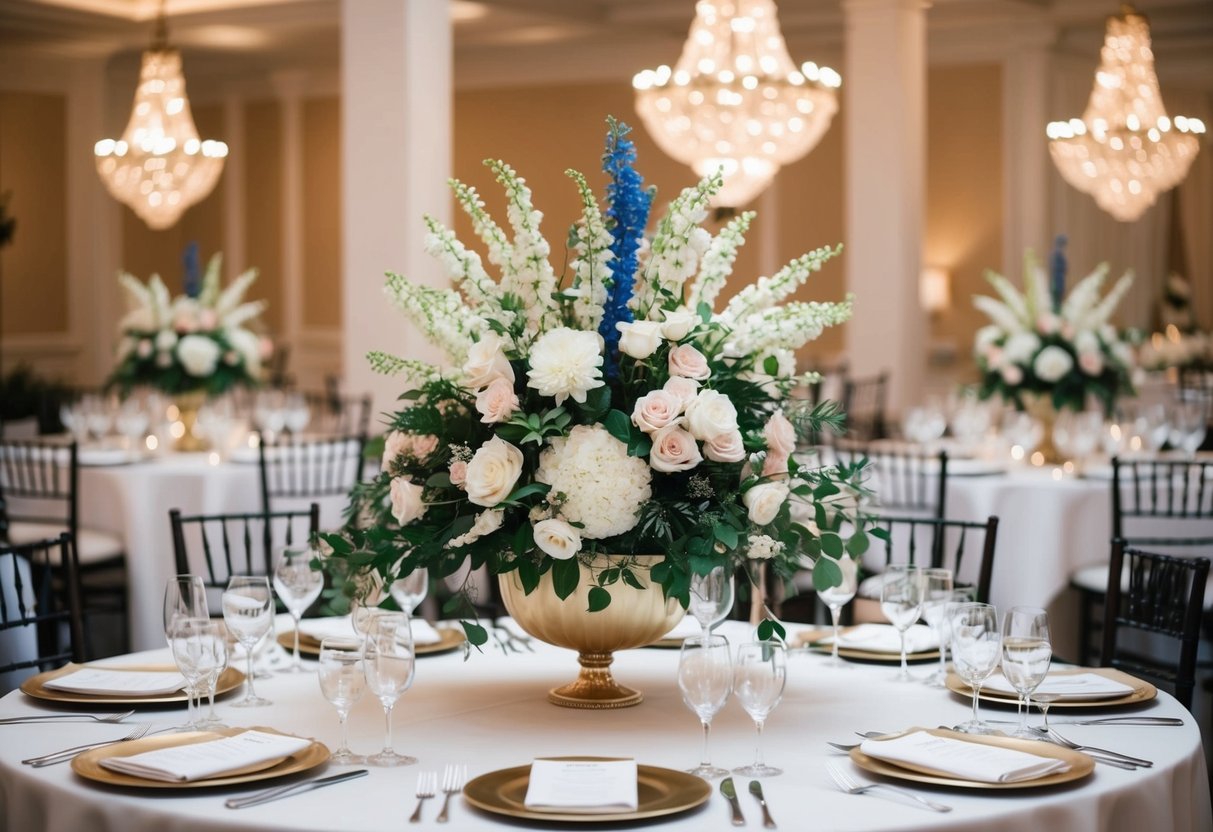
When planning your wedding flowers, it’s important to consider the different settings where flowers will be used. You want to make the right choices for ceremonial flowers, reception decor, and those for your wedding party. Here’s a closer look at each aspect.
Ceremonial Flowers Guide
For the wedding ceremony, flowers are often the centerpiece of your decor. Choose arrangements that match your theme and color palette. Bouquets for the bride and bridesmaids can include personal touches, like favorite flowers.
Tips:
- Opt for larger bouquets for the bride, while keeping bridesmaids’ arrangements smaller.
- Consider using corsages for special guests, like mothers or grandmothers.
Use flowers near the altar or focal points to enhance the beauty of the ceremony. Ensure they are arranged tastefully without overwhelming the space.
Reception Decor and Centerpieces
At the reception, your flower arrangements should create a warm and inviting atmosphere. Centerpieces are key here. Select arrangements that fit your tables and don’t obstruct guests’ views.
Try these ideas:
- Use varying heights for your centerpieces. Tall arrangements can add elegance, while low ones can encourage conversation.
- Mixing flowers with other decor elements, like candles or greenery, can enrich the look.
Make sure the flowers complement your table settings, creating a cohesive look throughout the venue.
Flowers for the Wedding Party
Your bridal party flowers are just as important. Boutonnieres for groomsmen and the groom should match the ladies’ bouquets. This creates a unified look.
Consider these points:
- Use similar flower types but adjust the size for the boutonnieres.
- Give special attention to flower selection based on the personalities of your wedding party.
You might also want to include additional floral accessories, like hairpieces for bridesmaids. Keeping things coordinated will help your wedding party shine on your big day!
Special Floral Elements
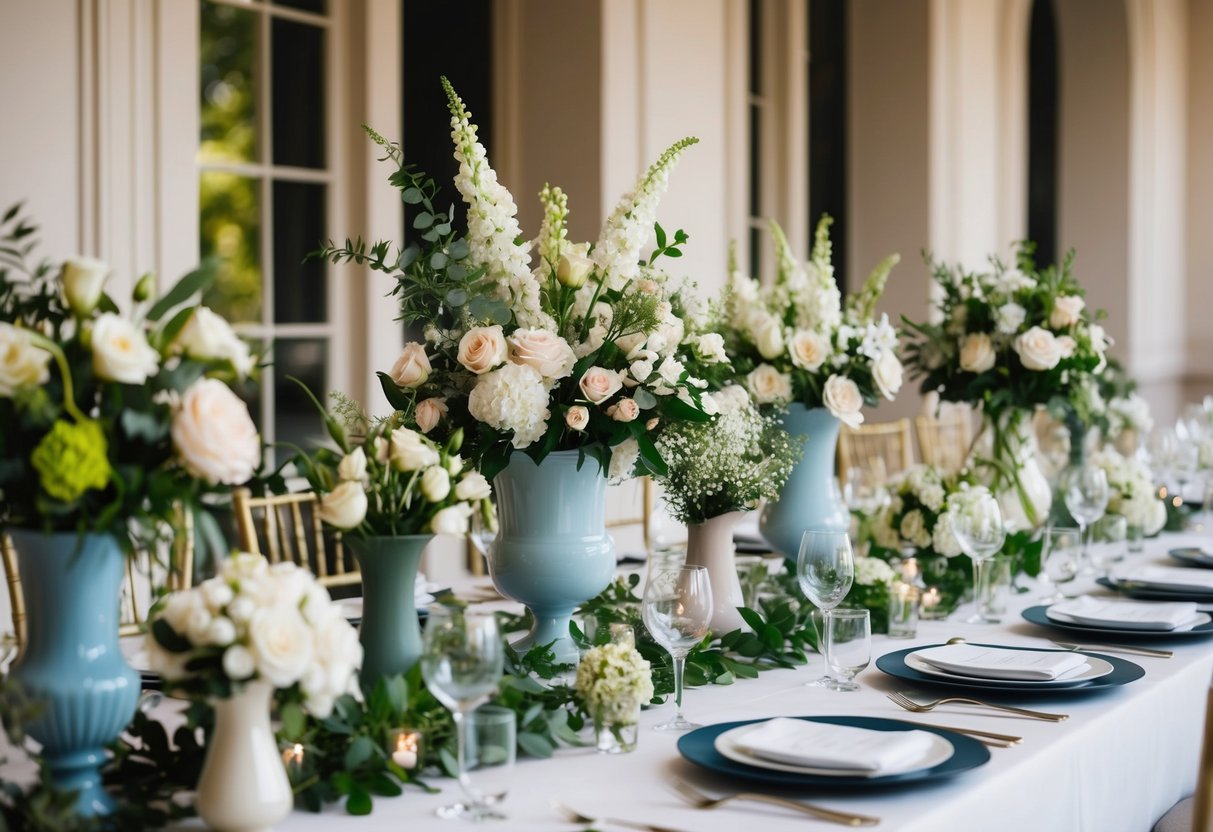
Special floral elements add a personal touch to your wedding. Paying attention to details like boutonnieres, corsages, and floral accessories for young participants can enhance your ceremony.
Accessorizing with Boutonnieres and Corsages
Boutonnieres and corsages are important floral accessories for your wedding. A boutonniere is typically worn by the groom and groomsmen, usually pinned to a suit jacket. The flowers should match the overall wedding theme and colors.
Corsages, often worn by mothers, grandmothers, or special guests, can be elegant wrist versions or pinned. It’s a nice gesture to give them a floral accessory that complements their outfit. Choose flowers that symbolize your relationship, like roses or orchids, for a personal touch.
Flower Choices for the Flower Girl and Ring Bearer
Your flower girl and ring bearer can also carry special floral elements. A small flower girl bouquet adds charm. Soft blooms like daisies or tiny roses should be used. These flowers should be easy for little hands to hold and not too heavy.
For the ring bearer, you might consider a mini boutonniere to match the groom’s. It ties the wedding look together. Often, simple designs are best for these young attendees. They are more comfortable and can better focus on their roles during the ceremony.